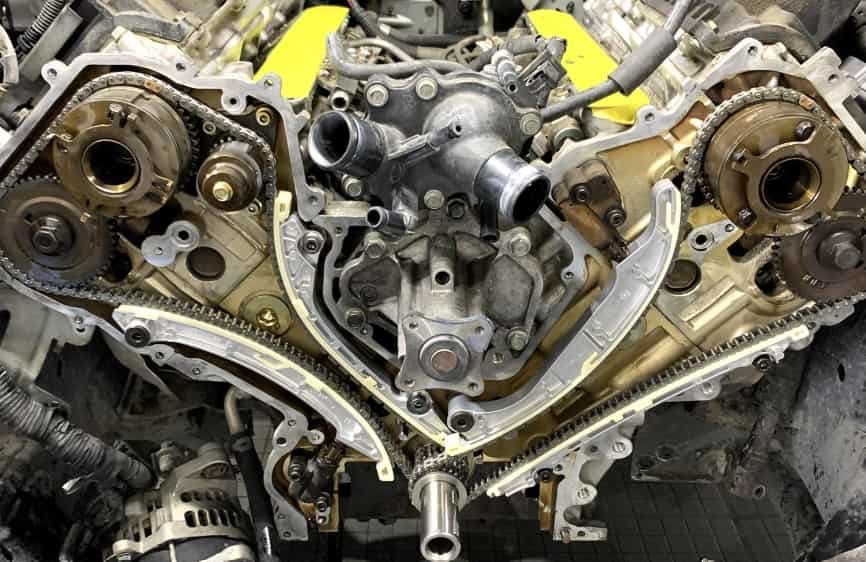
The 5.6 Nissan engine powers many popular trucks and SUVs. It delivers strong performance and high towing capability. Many owners trust this V8 for daily driving and heavy use.
However, many people also search for 5.6 Nissan engine problems. They often notice engine noise, oil consumption, or warning lights. These issues raise concerns about long term reliability.
This engine appears in models like the Nissan Titan, Nissan Armada, and Infiniti QX80. These vehicles offer strength and comfort. But the engine condition depends heavily on maintenance and mileage.
Poor maintenance or high mileage can lead to performance issues. Some drivers experience small symptoms first. Others face more serious repairs later.
This guide explains the most common 5.6 Nissan engine problems. It covers symptoms, causes, and real repair costs. You will also learn how to spot early warning signs before the damage becomes expensive.
The goal is simple. Help you understand the risks and reliability of this engine before you buy or repair it.
Overview of the Nissan 5.6L V8 Engine
The Nissan 5.6L V8 engine belongs to the VK56 engine family. Nissan designed it for large trucks and SUVs that need strong power and durability. This engine became one of the most widely used V8 units in Nissan’s lineup.
There are two main versions of this engine. The first is the VK56DE. The second is the VK56VD. Both versions share the same displacement but use different technologies.
The VK56DE uses a traditional multi point fuel injection system. It focuses on simplicity and long term durability. Many owners consider it more reliable because of its older and less complex design.
The VK56VD uses direct injection technology. It improves power output and fuel efficiency. However, it also introduces more complexity. This version can develop carbon buildup over time if maintenance is not consistent.
Nissan installed this engine in several well known models. These include the Nissan Titan, Nissan Armada, and Infiniti QX80. These vehicles rely on the engine for towing, hauling, and highway performance.
The VK56 engine delivers strong torque at low RPM. This makes it suitable for heavy loads and long distance driving. Many drivers appreciate its smooth power delivery and consistent performance.
However, the engine also shows some weaknesses over time. These issues become more noticeable in high mileage vehicles or poorly maintained units. That is why understanding both versions is important before analyzing common problems.
Common 5.6 Nissan Engine Problems
The 5.6 Nissan engine is known for strong performance, but it also develops several common issues over time. Most problems appear in high mileage vehicles or engines with inconsistent maintenance. Understanding these issues helps owners detect early warning signs and avoid expensive repairs.
One of the most common problems is timing chain wear. Drivers often hear a rattling noise during cold starts. This issue usually comes from chain stretch or weak tensioners. If ignored, it can affect engine timing and reduce performance.
Oil consumption is another frequent issue. Some engines start to burn oil as mileage increases. Drivers may notice the need to add oil more often between services. In severe cases, the engine may produce blue smoke from the exhaust.
Catalytic converter failure also appears in many Nissan 5.6 engines. This often happens when oil burning or misfires contaminate the exhaust system. When it fails, the engine loses power and fuel efficiency drops.
Exhaust manifold cracks are also reported, especially in heavy use trucks. This problem creates a ticking noise and can increase exhaust leaks. It often develops due to repeated heat cycles.
Ignition coil and spark plug issues can cause rough idle and misfires. These problems are usually less expensive but still affect driving comfort and fuel economy.
Direct injection versions of the engine can also suffer from carbon buildup. This leads to reduced performance and poor throttle response over time.
Overall, these problems do not affect every engine, but they appear often enough that buyers and owners should understand them clearly.
Symptoms Breakdown
The 5.6 Nissan engine shows several clear symptoms when problems start to develop. Recognizing these signs early helps prevent expensive repairs and engine damage.
One common symptom is a ticking or rattling noise from the engine. This often appears during cold starts and may indicate timing chain wear or exhaust manifold issues. The sound usually becomes more noticeable as the engine ages.
Rough idle is another warning sign. The engine may shake or feel unstable when stopped. This often points to ignition coil problems, spark plug wear, or carbon buildup in direct injection systems.
Many drivers also report loss of power during acceleration. The vehicle may feel slower or less responsive, especially under heavy load. This symptom often links to fuel system issues or clogged catalytic converters.
Oil smell or visible smoke from the exhaust is another serious indicator. Blue smoke usually signals oil burning inside the engine. This often happens in high mileage engines with worn internal components.
The check engine light is also common. It can appear for many reasons, including misfires, timing issues, or emissions system failures. Reading the error codes helps identify the exact problem.
Fuel economy drop is another subtle symptom. When the engine struggles, it consumes more fuel to maintain performance.
These symptoms often appear gradually. Early detection helps reduce repair costs and extends engine life.
Causes of 5.6 Nissan Engine Problems
Most 5.6 Nissan engine problems do not happen randomly. They usually develop from a combination of maintenance habits, driving conditions, and engine design factors.
Poor maintenance is the most common cause. Many owners extend oil change intervals too long. Dirty oil reduces lubrication and increases wear on internal components like timing chains and tensioners. Over time, this leads to noise, rough performance, and mechanical stress.
High mileage also plays a major role. As the engine passes 100,000 miles, normal wear starts to affect performance. Components like spark plugs, ignition coils, and fuel injectors lose efficiency. This creates misfires and unstable engine behavior.
Direct injection technology in the VK56VD version adds another challenge. This system improves power and efficiency but also creates carbon buildup inside intake valves. Without regular cleaning, airflow reduces and engine performance drops.
Heat management is another factor. The engine runs hot under towing or heavy load conditions. Repeated heat cycles can damage exhaust manifolds and gaskets. This leads to ticking noises and exhaust leaks.
Fuel quality also affects engine health. Low quality fuel increases deposits inside the combustion chamber. This contributes to knocking, rough idle, and reduced fuel efficiency.
In some cases, small issues are ignored for too long. Drivers continue using the vehicle without fixing early symptoms. This turns minor problems into expensive repairs.
Overall, most engine problems come from gradual wear combined with maintenance gaps rather than sudden failure.
Repair Costs Breakdown
Repair costs for the 5.6 Nissan engine vary widely depending on the problem, vehicle model, and labor rates. Some issues are relatively affordable, while others require major engine work.
Timing chain replacement is one of the most expensive repairs. This job requires significant labor because the engine must be partially disassembled. In many cases, owners report costs ranging from high hundreds to several thousand dollars depending on damage and shop rates.
Catalytic converter replacement is another costly repair. When it fails, the engine loses power and emissions increase. Replacing the converter often becomes expensive due to parts and labor combined.
Exhaust manifold repairs are moderately expensive. Cracks or leaks require removal of engine components. This increases labor time and overall repair cost. This issue appears more often in heavy use trucks like the Nissan Titan.
Ignition coil and spark plug replacement is much more affordable. These parts wear out naturally over time. Replacing them restores smooth idle and improves fuel efficiency at a relatively low cost.
Carbon cleaning for direct injection engines like the VK56VD also adds maintenance expense. This service helps restore airflow and performance. Costs depend on the cleaning method used.
Fuel system repairs or injector cleaning can also increase maintenance bills. These issues are less common but still appear in high mileage engines.
Overall, small maintenance items remain affordable, but major engine repairs can become expensive quickly if early symptoms are ignored.
Reliability Analysis
The 5.6 Nissan engine has a mixed reputation for reliability. Some versions perform very well over long mileage, while others require more maintenance attention.
The VK56DE version is generally considered more reliable. It uses a simpler fuel injection system and fewer complex components. Many owners report that this version can reach high mileage with regular oil changes and basic maintenance. It also shows fewer carbon buildup issues compared to newer designs.
The VK56VD version offers better power and fuel efficiency. Nissan uses direct injection in this version. However, this design adds complexity. It also increases the risk of carbon buildup inside the intake system. Over time, this can reduce performance and smoothness.
Both versions can last a long time when properly maintained. Many Nissan Titan and Nissan Armada owners report engine lifespans between 150,000 and 300,000 miles. Some engines exceed this range when maintenance is consistent and driving conditions are moderate.
Driving style also affects reliability. Heavy towing, frequent short trips, and poor oil quality reduce engine life. On the other hand, highway driving and regular maintenance improve long term durability.
Overall, the 5.6 Nissan engine is not fragile, but it is maintenance sensitive. The VK56DE is simpler and slightly more forgiving. The VK56VD is stronger but requires more careful care to maintain peak performance.
How to Prevent Expensive Repairs
Preventing 5.6 Nissan engine problems is easier and cheaper than fixing them later. Most serious issues start small and grow over time due to poor maintenance habits.
Regular oil changes are the most important step. Clean oil keeps the timing chain, tensioners, and internal components properly lubricated. Skipping oil changes increases wear and leads to early engine problems.
Using high quality fuel also helps protect the engine. Good fuel reduces carbon buildup and keeps the combustion system cleaner. This is especially important for the VK56VD direct injection engine.
Routine inspection of ignition components can prevent misfires. Spark plugs and ignition coils wear out naturally. Replacing them on time keeps the engine running smoothly and improves fuel efficiency.
Carbon cleaning is useful for direct injection engines. Over time, carbon deposits build up inside the intake system. Cleaning restores airflow and improves throttle response.
Listening to early warning signs is also important. Strange noises, rough idle, or power loss should never be ignored. Fixing small issues early prevents expensive repairs later.
Driving habits also matter. Avoid excessive towing when possible and allow the engine to warm up before heavy use. Consistent driving conditions help reduce stress on engine components.
With proper care, the 5.6 Nissan engine can remain reliable for many years. Maintenance plays a bigger role in longevity than design weaknesses.
Which Model Years to Watch Out For
Not all vehicles with the 5.6 Nissan engine have the same reliability level. Some model years perform better than others depending on updates and engine version changes.
Earlier versions of the VK56DE engine generally show fewer complex issues. These models focus on simpler technology and fewer emissions systems. With proper maintenance, they often deliver stable long term performance.
Later VK56VD versions improve power and fuel efficiency. However, early production years of this engine can show more problems with carbon buildup and intake system performance. These issues become more noticeable in high mileage vehicles or poorly maintained units.
The Nissan Titan is one of the most common vehicles with this engine. Some older Titan models show exhaust manifold noise and wear after long use. These issues often appear in trucks used for towing or heavy work.
The Nissan Armada also uses the 5.6 engine in many model years. High mileage Armadas may develop oil consumption or timing related symptoms if maintenance is not consistent.
The Infiniti QX80 uses a more refined version of this engine. It delivers smoother performance, but it still requires regular maintenance to avoid carbon buildup and ignition issues.
When buying a used vehicle, service history matters more than model year alone. A well maintained high mileage engine often performs better than a low mileage engine with poor maintenance.
Conclusion
The 5.6 Nissan engine remains a strong and capable V8 used in many trucks and SUVs. It delivers good power, strong towing ability, and long distance performance. Many drivers trust this engine for daily use and heavy workloads.
At the same time, the engine does show several common problems. Timing chain noise, oil consumption, catalytic converter issues, and carbon buildup appear in some vehicles over time. These problems usually develop due to mileage, maintenance habits, and driving conditions.
The VK56DE version offers simpler design and slightly better long term reliability. The VK56VD version provides more power and efficiency but requires more careful maintenance. Both versions can last a long time when properly cared for.
Most serious engine issues do not appear suddenly. They start with small warning signs like noise, rough idle, or reduced performance. Early diagnosis and regular maintenance help prevent expensive repairs.
If you plan to buy a used Nissan Titan, Nissan Armada, or Infiniti QX80, service history is more important than mileage alone. A well maintained engine can perform reliably for many years.
Understanding these 5.6 Nissan engine problems helps you make better decisions. It also helps you avoid unnecessary repair costs and extend engine life.