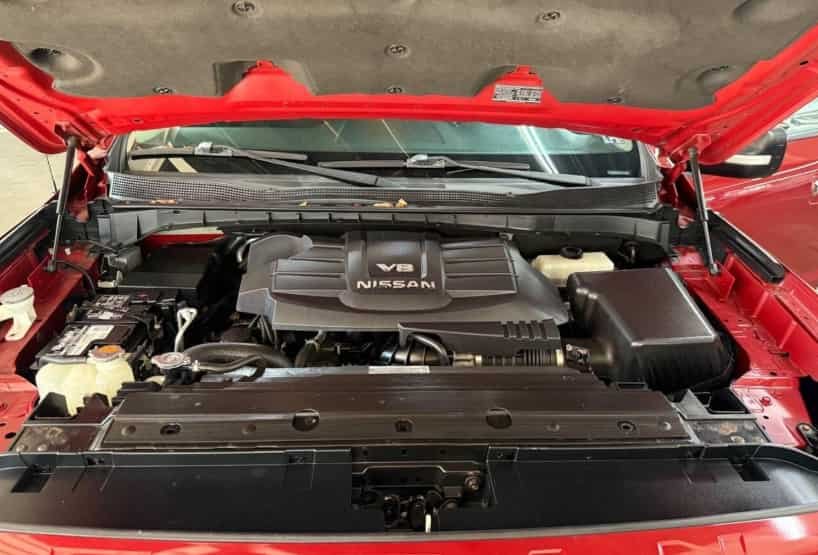
The 2019 Nissan Titan is a full size pickup designed for towing power, durability, and daily utility. Many owners search for 2019 Nissan Titan Engine Problems when they notice early signs of engine issues that affect performance and reliability.
The Titan uses the VK56VD 5.6L V8 engine. This engine delivers strong power and good torque for heavy work. Nissan built it for towing and long distance driving. The engine performs well in most conditions, but it still has known weak points that appear over time.
Some drivers notice early symptoms such as ticking noises during cold starts or rough idle. Others report reduced fuel efficiency or small performance drops. These signs may look minor at first. However, they can point to deeper problems in the ignition system, fuel delivery system, or carbon buildup inside the engine.
These issues do not always mean engine failure. However, they can grow worse if the driver ignores them. Repair costs also increase when the problem reaches advanced stages.
Used car buyers need to pay special attention to these risks. The engine condition affects long term reliability, maintenance cost, and resale value. A clear understanding of these issues helps buyers avoid unexpected repairs.
This guide explains the most common 2019 Nissan Titan engine problems. It covers symptoms, causes, repair costs, and prevention methods. The goal is to help owners and buyers make informed decisions based on real engine behavior.
Overview of the 2019 Nissan Titan Engine (VK56VD)
The 2019 Nissan Titan uses the VK56VD 5.6L V8 engine. This engine plays a key role in the truck’s towing strength and overall performance. It produces strong horsepower and high torque, which supports heavy duty use and long distance driving.
Nissan designed the VK56VD engine for durability and power delivery. It uses direct injection technology and variable valve timing. These systems improve combustion efficiency and throttle response. The engine delivers smooth acceleration and strong low end torque, which helps when towing trailers or carrying heavy loads.
The VK56VD engine also shows a clear focus on performance stability. It runs well under load and maintains consistent power in highway and work conditions. Many owners appreciate its strong V8 character compared to smaller turbocharged engines in the same class.
However, direct injection also introduces long term challenges. Carbon buildup can form on intake valves over time. This condition reduces airflow and affects combustion quality. When this happens, drivers may notice rough idle, hesitation, or reduced fuel economy.
Heat management is another important factor. The engine produces significant heat during towing or heavy use. If maintenance is not consistent, heat stress can increase wear on ignition and fuel system components. This is one reason some drivers report 2019 Nissan Titan engine problems after long term use.
Compared to engines like the Ford 5.0 V8 or the Ram 5.7 HEMI, the VK56VD is less common in the aftermarket but still competitive in reliability when properly maintained. The main difference comes from maintenance sensitivity rather than raw mechanical strength.
Regular oil changes, high quality fuel, and proper service intervals play a major role in keeping the engine stable. When owners follow maintenance schedules, the VK56VD can deliver long service life with strong performance.
Most Common 2019 Nissan Titan Engine Problems
The most frequently reported issue in the 2019 Nissan Titan is engine ticking noise, which usually becomes noticeable during cold starts or light acceleration. Many owners worry when they hear this sound, even though the engine often continues to run normally. In most cases, the ticking comes from the valvetrain or fuel injectors. The VK56VD engine uses direct injection, and this system naturally produces more injector noise compared to traditional engines. Low oil pressure during startup can also create temporary ticking until full lubrication reaches internal components. While this condition is not always serious, persistent or worsening noise may indicate early wear in lifters, valves, or oil circulation issues. If ignored over time, it can increase mechanical stress and reduce long term engine smoothness.
Another common concern is rough idle and engine misfire, which affects drivability and comfort. Drivers may notice vibration when the vehicle is stopped or unstable RPM during idle. In more severe cases, the engine may misfire under load, especially during acceleration. This issue is often linked to ignition components such as spark plugs or ignition coils. It can also come from fuel injectors that deliver uneven fuel due to carbon buildup inside the intake system. The VK56VD direct injection design makes it more sensitive to deposit formation over time. When combustion becomes inconsistent, the engine may trigger diagnostic trouble codes such as P0300 to P0308. If not repaired early, misfires can increase fuel consumption and put additional stress on the catalytic converter, leading to higher repair costs.
Some owners also report excessive oil consumption, especially in higher mileage vehicles or trucks used for towing. This issue becomes noticeable when drivers need to top up engine oil between regular service intervals. The main causes include worn piston rings or problems in the PCV system, which allows oil to enter the combustion chamber and burn during operation. Over time, low oil levels can increase internal friction and accelerate engine wear. This condition does not always indicate immediate failure, but it can reduce engine lifespan if maintenance is neglected.
Timing chain noise is another issue that appears in some high mileage units. Drivers may hear a rattling sound during startup or acceleration, especially when the engine is cold. This is often related to chain tensioner wear or delayed oil pressure buildup. Since the timing chain controls synchronization between the crankshaft and camshaft, any loss of tension can affect engine timing precision. In severe cases, this may lead to poor performance or even engine damage, making early diagnosis important.
Coolant leaks and overheating issues can also contribute to engine problems in the 2019 Nissan Titan. Leaks may come from hoses, radiators, or water pumps, leading to gradual coolant loss. When coolant levels drop, the engine becomes less efficient at heat regulation. This becomes more dangerous during towing or long distance driving, where engine load is higher. If overheating occurs, it can damage head gaskets and internal components, resulting in expensive repairs.
Fuel injector problems are another key factor in engine performance issues. The direct injection system is sensitive to fuel quality and carbon buildup. When injectors become dirty or partially blocked, fuel delivery becomes uneven. This leads to hesitation, rough acceleration, and reduced fuel efficiency. In some cases, injector cleaning can restore performance, but severe cases may require replacement. This makes fuel system maintenance an important part of preventing long term 2019 Nissan Titan engine problems.
Causes Behind 2019 Nissan Titan Engine Problems
The root causes of 2019 Nissan Titan engine problems are usually not tied to a single failure point but come from a combination of maintenance habits, engine design characteristics, and long term operating conditions. The VK56VD 5.6L V8 engine is built for power and durability, but it still depends heavily on proper servicing to maintain stable performance over time.
One of the most important factors is maintenance neglect, especially related to oil change intervals. When engine oil becomes old or contaminated, it loses its ability to lubricate internal components effectively. This increases friction and can contribute to issues such as ticking noise, timing chain wear, and rough engine operation. Because the VK56VD engine operates under high thermal load, clean oil is essential for maintaining internal protection.
Another major cause is carbon buildup due to the direct injection system. Unlike port injection engines, fuel does not wash over the intake valves, which allows carbon deposits to form over time. This buildup can restrict airflow into the combustion chamber and lead to symptoms such as rough idle, misfires, and reduced fuel efficiency. Drivers who mostly take short trips or drive in city conditions are more likely to experience this issue.
Heat management also plays a significant role in long term engine behavior. The Titan’s V8 engine generates substantial heat during towing or heavy load conditions. If cooling system maintenance is not consistent, heat stress can gradually affect components such as sensors, gaskets, and ignition parts. This can increase the likelihood of overheating related engine problems.
Fuel quality and driving style are also important contributors. Low quality fuel can accelerate injector clogging and worsen combustion efficiency. At the same time, aggressive driving or frequent towing places additional stress on the engine, which increases wear over time. These conditions do not immediately cause failure, but they reduce long term stability if combined with poor maintenance habits.
Overall, most 2019 Nissan Titan engine problems develop gradually due to system level stress rather than sudden mechanical breakdown. Understanding these root causes helps owners take preventive actions before symptoms become serious and expensive to repair.
Warning Signs of Engine Failure
Recognizing early warning signs of engine trouble in the 2019 Nissan Titan can help prevent serious damage and reduce repair costs. Many major 2019 Nissan Titan engine problems begin with small symptoms that gradually become more noticeable over time. Paying attention to these signals is essential for maintaining engine health and avoiding unexpected breakdowns.
One of the most common warning signs is the Check Engine Light. When this light appears, it often indicates issues related to misfires, fuel delivery, or sensor malfunctions. In many cases, drivers may still feel the vehicle driving normally, but diagnostic trouble codes can reveal underlying problems that need attention. Ignoring this warning can allow small issues to develop into more expensive repairs.
Another important sign is unusual engine noise such as knocking, ticking, or rattling. These sounds often suggest internal wear, lubrication issues, or timing chain tension problems. While some noise may be normal in direct injection engines like the VK56VD, a sudden increase in volume or frequency usually indicates a developing mechanical issue. Persistent noise should always be inspected early.
Loss of power is another clear indicator of engine trouble. Drivers may notice slower acceleration, reduced towing capability, or hesitation when pressing the throttle. This often relates to fuel injector issues, ignition system wear, or restricted airflow caused by carbon buildup. When combustion efficiency drops, overall engine performance declines noticeably.
Increased fuel consumption can also signal engine inefficiency. If the engine begins burning more fuel than usual without changes in driving habits, it may indicate incomplete combustion or sensor-related issues. This condition often appears alongside rough idle or misfire symptoms.
Engine vibration is another warning sign that should not be ignored. Excessive shaking at idle or during acceleration usually points to misfires or imbalance in the combustion process. Over time, this can place additional stress on engine mounts and internal components.
Finally, visible exhaust smoke can provide important diagnostic clues. Blue smoke often indicates oil burning, white smoke may suggest coolant leakage, and black smoke usually points to fuel system imbalance. Each of these symptoms reflects a different underlying engine issue that requires inspection.
Repair Costs Breakdown for 2019 Nissan Titan Engine Problems
Repair costs for 2019 Nissan Titan engine problems can vary significantly depending on the severity of the issue, labor rates, and whether parts need replacement or cleaning. Understanding these costs is important for both current owners and used truck buyers because engine related repairs can quickly become expensive if problems are not addressed early.
Minor engine repairs are usually the most affordable category. Services such as spark plug replacement, ignition coil replacement, or sensor repairs typically fall into a moderate price range. These components are part of the ignition system and often wear out gradually over time. When replaced early, they can restore smooth engine operation and prevent misfires or rough idle conditions from worsening. In many cases, routine maintenance in this category helps avoid more serious engine performance issues.
Fuel system related repairs are more complex and costly. Fuel injector cleaning is usually less expensive than full replacement, but the effectiveness depends on the level of carbon buildup. In direct injection engines like the VK56VD, injectors are more sensitive to fuel quality and deposit formation. If injectors are severely clogged or damaged, replacement costs increase significantly due to both parts and labor. This type of repair is often linked to symptoms such as hesitation, poor fuel economy, and uneven acceleration.
Timing chain related repairs represent one of the higher cost scenarios. When timing chain tensioners or components wear out, labor becomes intensive because of engine disassembly requirements. If timing issues are ignored, they can lead to serious engine damage. This makes early diagnosis critical, as preventive repairs are far less expensive than full timing system failure correction.
Coolant system repairs vary depending on the source of the leak. Simple hose replacements are relatively affordable, while water pump or radiator replacement increases total cost. However, overheating related damage is one of the most expensive outcomes, especially if it affects head gaskets or internal engine components.
In extreme cases, engine rebuild or replacement becomes necessary. This is the highest cost scenario and usually applies when multiple internal systems have failed or when long term neglect has caused severe damage. At this stage, owners often compare repair cost versus vehicle value before making a decision.
Overall, repair costs for 2019 Nissan Titan engine problems range from minor maintenance expenses to major investment level repairs. Early detection and regular servicing remain the most effective ways to control long term ownership costs.
Reliability Assessment of the 2019 Nissan Titan
The 2019 Nissan Titan shows stable reliability when owners maintain it correctly. The VK56VD 5.6L V8 engine delivers strong durability and consistent towing performance. Many drivers use this engine for heavy workloads and long distance driving without major issues when they follow proper maintenance routines.
Most 2019 Nissan Titan engine problems develop slowly instead of appearing suddenly. Owners often notice early signs such as ticking noise, rough idle, or small drops in fuel efficiency. These symptoms usually appear before any serious mechanical failure. When drivers respond early, they can prevent more expensive repairs and keep the engine stable for many years.
The Titan performs well in real world use, especially under load. The engine handles towing and highway driving without major performance loss. However, maintenance habits strongly influence long term reliability. Drivers who change oil on time and use high quality fuel usually report fewer engine related issues.
The Ford F-150 with the 5.0 V8 engine offers a wider service network and easier aftermarket support. This makes repairs faster and sometimes cheaper. The Ram 1500 with the 5.7 HEMI engine also delivers strong durability and similar power characteristics. Both competitors benefit from larger global user bases, which improves part availability and diagnostic familiarity.
The Nissan Titan stands in a different position. It offers strong mechanical performance, but fewer workshops specialize in this engine compared to Ford or Ram. This difference can affect diagnosis speed and repair convenience rather than core reliability.
Driving habits also affect long term engine health. Frequent towing or highway driving keeps the engine stable under proper conditions. Short trips and stop and go traffic increase carbon buildup and reduce combustion efficiency over time. These conditions can trigger rough idle or injector related issues if maintenance does not address them.
Overall, the 2019 Nissan Titan delivers reliable performance when owners follow a consistent maintenance plan. The engine does not fail randomly. Instead, most problems grow gradually and give clear warning signs before serious damage occurs.
Used Buyer Inspection Checklist
When buying a used 2019 Nissan Titan, engine condition becomes one of the most important factors in the decision making process. Many 2019 Nissan Titan engine problems do not appear immediately, so a proper inspection helps buyers avoid hidden repair costs and long term reliability issues.
The first step is to check how the engine behaves during a cold start. A healthy VK56VD engine should start smoothly without long cranking time. Buyers should listen closely for ticking noise, knocking sounds, or irregular idle behavior. These early signs often indicate ignition wear, oil circulation delays, or early carbon buildup inside the engine.
Next, buyers should inspect engine oil condition. Clean oil usually appears amber and smooth, while dark or thick oil may suggest poor maintenance history. Low oil levels or signs of sludge can point to long term neglect, which increases the risk of internal engine wear. This step helps identify whether the previous owner followed proper maintenance schedules.
A diagnostic scan using an OBD II tool provides deeper insight into engine health. Buyers should check for misfire codes, fuel system errors, or sensor related warnings. Even if the check engine light is not active, stored codes can reveal hidden issues related to combustion or fuel delivery systems.
Engine performance under load also matters. During a test drive, the Titan should accelerate smoothly without hesitation. Any loss of power, shaking, or delayed response may indicate fuel injector issues or ignition system problems. These symptoms often connect to common 2019 Nissan Titan engine problems that worsen over time.
Cooling system condition is another important factor. Buyers should check coolant level and look for any visible leaks around hoses or the radiator. Overheating history can lead to serious engine damage, especially in trucks used for towing or heavy work.
Finally, service records provide valuable insight into long term reliability. A well maintained Titan with regular oil changes and scheduled maintenance usually shows fewer engine related issues compared to vehicles with incomplete service history.
A careful inspection reduces risk and helps buyers make a more informed decision when evaluating a used 2019 Nissan Titan.
Prevention and Maintenance Tips
Preventing 2019 Nissan Titan engine problems depends mainly on consistent maintenance and proper driving habits. The VK56VD 5.6L V8 engine performs well over long periods when owners follow a structured service routine and avoid neglecting early warning signs.
Regular oil changes play the most important role in engine protection. Clean engine oil reduces friction and keeps internal components properly lubricated. Owners should follow the recommended service interval and avoid extending oil changes too long. Fresh oil helps reduce ticking noise, timing chain wear, and internal heat stress.
Fuel quality also affects long term engine health. High quality fuel improves combustion stability and reduces carbon buildup inside the intake system. Since the VK56VD uses direct injection, it is more sensitive to deposit formation over time. Using better fuel helps maintain smoother idle and better throttle response.
Spark plug and ignition system maintenance also plays a key role. Worn spark plugs or weak ignition coils can cause misfires and rough idle. Replacing these components at the correct interval helps maintain stable combustion and reduces stress on the catalytic converter.
Cooling system care is another essential factor. Drivers should regularly check coolant levels and inspect hoses, radiator, and water pump condition. Proper cooling prevents overheating, especially during towing or long distance driving. Stable engine temperature reduces long term wear and protects internal engine components.
Driving habits also influence engine lifespan. Smooth acceleration and avoiding constant short trips help reduce carbon buildup. Long highway driving allows the engine to reach optimal temperature and burn deposits more effectively. Heavy towing should always follow proper load guidelines to avoid excessive strain.
Preventive maintenance does not eliminate all risks, but it significantly reduces the likelihood of serious engine failures. Most 2019 Nissan Titan engine problems can be controlled or delayed when owners maintain a consistent care routine.
FAQ
Many owners and buyers searching for 2019 Nissan Titan engine problems often have similar questions about reliability, maintenance, and long term ownership costs. These answers help clarify the most common concerns.
Are 2019 Nissan Titan engine problems common
2019 Nissan Titan engine problems do not affect every vehicle, but they appear in certain usage conditions. Most issues develop gradually and relate to maintenance habits rather than sudden engine failure.
Is the VK56VD engine reliable
The VK56VD 5.6L V8 engine is generally reliable when properly maintained. It delivers strong performance and durability, especially for towing and highway driving. Regular oil changes and good fuel quality play a major role in long term reliability.
How long does a Nissan Titan engine last
A well maintained Nissan Titan engine can last well over 200,000 miles. Lifespan depends heavily on maintenance routines, driving conditions, and how quickly owners address early symptoms.
What are the most expensive engine repairs
The most expensive repairs include timing chain replacement and full engine rebuild or replacement. These repairs usually occur when early warning signs are ignored for a long period.
Should I buy a used 2019 Nissan Titan
A used 2019 Nissan Titan can be a good purchase if the engine has a clean maintenance history. Buyers should inspect for ticking noise, oil condition, misfire codes, and cooling system health before making a decision.
Conclusion
The 2019 Nissan Titan offers strong performance and solid towing capability, but it still has known engine concerns that buyers and owners should understand. Most 2019 Nissan Titan engine problems develop gradually and show early warning signs before becoming serious.
Issues such as ticking noise, rough idle, oil consumption, and fuel injector problems usually come from maintenance habits, driving conditions, or carbon buildup inside the engine. These problems do not always lead to engine failure, but they can increase repair costs if ignored.
The VK56VD engine performs well when owners follow proper maintenance routines. Regular oil changes, high quality fuel, and timely part replacement help extend engine life and reduce long term risks.
For used buyers, a careful inspection is essential. Checking engine behavior, scanning for error codes, and reviewing service history can prevent expensive surprises.
Overall, the 2019 Nissan Titan remains a capable truck when properly maintained. Understanding its engine behavior helps owners make better decisions and avoid unnecessary repair costs.