The 2022 Nissan Rogue engine problems have become a key concern for many SUV buyers. People want a vehicle that is fuel efficient, comfortable, and reliable. The Rogue offers strong features in all three areas, but its engine raises some questions about long term durability.
Nissan uses a 1.5L VC Turbo engine in this model. This engine adjusts its compression ratio to improve both power and fuel economy. In theory, this technology gives drivers better efficiency without losing performance. In real use, the system is more complex than a standard engine. This complexity can create performance issues over time.
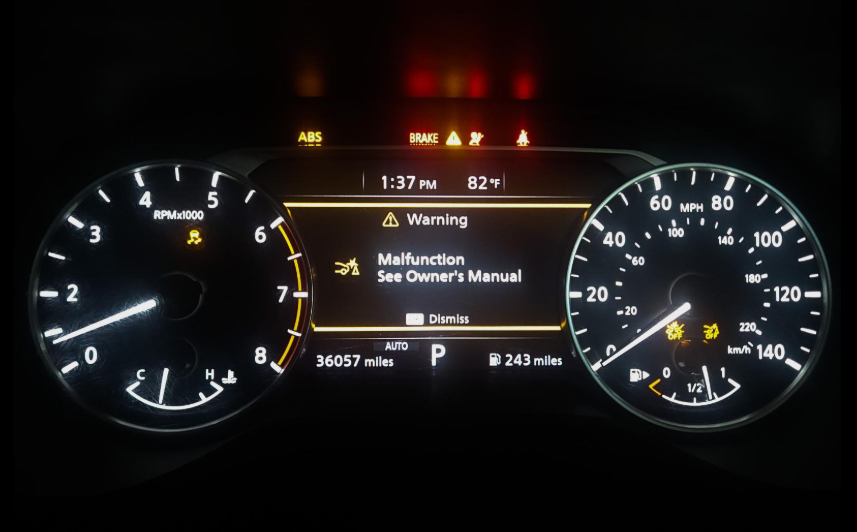
Some drivers report engine hesitation during acceleration. Others notice uneven power delivery or delayed response when pressing the gas pedal. A few owners also mention warning lights on the dashboard. These issues do not always mean serious engine failure. In many cases, software calibration or maintenance habits cause the symptoms.
Still, some problems can signal deeper mechanical or turbo system issues. That is why early detection is important. Small symptoms can grow into expensive repairs if drivers ignore them.
This article explains the most common 2022 Nissan Rogue engine problems in detail. It covers causes, symptoms, repair costs, and practical fixes. You will also learn how to identify early warning signs and how to reduce long term risk. The goal is to help you make a clear decision whether you already own this vehicle or plan to buy one used.
Overview of the 1.5L VC Turbo Engine
The 2022 Nissan Rogue is powered by a 1.5L VC Turbo engine that replaces the older 2.5L naturally aspirated engine. Nissan designed this new engine to improve fuel efficiency while still maintaining strong performance for daily driving. The main idea behind this engine is to deliver better fuel economy without sacrificing power, especially in a compact SUV segment where both factors are important for buyers.
The VC in VC Turbo stands for Variable Compression. This system allows the engine to change its compression ratio depending on driving conditions. When the driver needs more power, the engine lowers the compression ratio to generate stronger performance. When the vehicle is cruising at a steady speed, it increases the compression ratio to improve fuel efficiency. This dynamic adjustment is designed to balance performance and economy in real time.
In normal driving conditions, the engine feels smooth and efficient, especially in city traffic and highway cruising. It provides good torque for everyday use and keeps fuel consumption relatively low compared to larger engines. However, the system is more complex than traditional engine designs, and this complexity can affect how the engine behaves in real-world conditions.
Some drivers report that the engine feels less responsive during sudden acceleration. This happens because the system needs time to adjust both the turbo boost and compression ratio at the same time. As a result, there can be a slight delay in power delivery in certain situations. While this does not always indicate a mechanical problem, it contributes to mixed feedback about the engine’s overall driving feel and long term reliability perception.
Common 2022 Nissan Rogue Engine Problems
The 2022 Nissan Rogue engine problems mainly focus on how the 1.5L VC Turbo engine behaves under different driving conditions. While many owners experience normal performance, a significant number of complaints point to specific recurring issues that affect drivability, responsiveness, and long term confidence in the engine.
One of the most commonly reported problems is engine hesitation during acceleration. Drivers often notice a delay when pressing the gas pedal, especially at low speeds or when merging onto highways. This hesitation can make the vehicle feel less responsive than expected, even though the engine is functioning within normal operating limits. The issue is often linked to turbo response timing and compression adjustment behavior.
Another frequent concern is rough idling or slight engine vibration. Some owners report that the engine does not feel completely stable when the vehicle is stopped, such as at traffic lights. This can be more noticeable during cold starts or after short trips. While it is not always a sign of serious damage, it reduces overall driving comfort and raises questions about engine smoothness.
Turbo related issues are also mentioned by some drivers. These include turbo lag, where power delivery feels delayed, and inconsistent boost during acceleration. Because the VC Turbo system constantly adjusts compression and turbo pressure, even small calibration differences can affect how the engine responds in real time.
Some owners also report higher than expected oil consumption over time. Although not universal, this issue raises concerns about long term engine wear and maintenance costs. In addition, check engine lights occasionally appear due to sensor sensitivity, air fuel mixture imbalance, or temporary system fluctuations.
Finally, fuel system and intake related issues can occur, such as clogged injectors or airflow inconsistencies. These problems are less common but can still impact engine performance if maintenance is not performed regularly.
Symptoms of Engine Problems
Identifying 2022 Nissan Rogue engine problems early can help prevent more serious and costly repairs. Most engine issues do not appear suddenly. They usually start with small changes in how the vehicle feels, sounds, or responds during normal driving.
One of the earliest symptoms is reduced acceleration performance. The vehicle may feel slower than usual when you press the gas pedal. This often shows up during highway merging or when overtaking other cars. The engine still runs, but the power delivery feels less direct and less predictable.
Another common sign is uneven driving behavior. Drivers may notice light hesitation, especially at low speeds. The vehicle can feel slightly delayed when moving from a stop or when transitioning between speed ranges. This symptom is often linked to turbo response timing or engine calibration behavior.
Dashboard warnings are also important indicators. The check engine light may appear without obvious changes in driving performance. In some cases, it turns on due to temporary sensor readings or air fuel mixture variations. Even if the light disappears later, it should not be ignored if it happens repeatedly.
Engine sound and vibration changes can also signal early problems. Some drivers report a faint knocking sound, mild vibration at idle, or unusual turbo noise during acceleration. These sounds are often subtle at first but may become more noticeable over time if the underlying issue is not addressed.
Fuel efficiency changes can also act as a warning sign. If the engine starts consuming more fuel than usual without changes in driving habits, it may indicate an underlying performance or combustion issue.
Overall, these symptoms do not always mean severe engine failure. However, they are early signals that the system is not operating at optimal efficiency and should be checked before the issue develops further.
Root Causes of Engine Problems
The 2022 Nissan Rogue engine problems are not caused by a single failure point. Instead, they come from a combination of engineering design choices, system complexity, and real world operating conditions. Understanding these root causes helps explain why some drivers experience issues while others do not.
One of the main technical causes is the complexity of the 1.5L VC Turbo system. This engine continuously adjusts its compression ratio while also managing turbo boost pressure. These two systems must work together in real time. When calibration is not perfectly optimized, the engine can feel delayed or inconsistent during acceleration. This does not always indicate damage, but it affects driving smoothness.
Another important factor is ECU software calibration. The engine control unit manages fuel injection, air intake, turbo pressure, and compression changes. If the software tuning is slightly off, it can create hesitation, rough idle, or uneven power delivery. In many cases, updates or reprogramming can improve performance, which shows that the issue is often software related rather than purely mechanical.
Fuel quality sensitivity also plays a role. The VC Turbo engine is more sensitive to fuel consistency compared to traditional engines. Lower quality fuel or irregular octane levels can affect combustion stability. This can lead to knocking sensations, reduced efficiency, or temporary performance drops.
Maintenance habits are another key factor. Extended oil change intervals or neglected air filters can increase engine stress. Since the turbo system operates under high pressure and temperature, it requires clean oil and proper airflow to function correctly. Poor maintenance can accelerate wear and increase the likelihood of performance issues.
Finally, heat and load conditions affect long term stability. The turbocharged system generates more heat than naturally aspirated engines. In heavy traffic, hot climates, or aggressive driving conditions, this thermal stress can amplify small inefficiencies in the system and make symptoms more noticeable.
Overall, these causes show that most engine problems come from a mix of design complexity, software behavior, and real world usage rather than a single mechanical defect.
Repair Costs and Maintenance Expenses
The cost of fixing 2022 Nissan Rogue engine problems varies widely depending on the type and severity of the issue. Some problems require only minor adjustments or software updates, while others involve more expensive mechanical repairs. Understanding these cost ranges helps owners make better decisions about maintenance and long term ownership.
Minor engine related repairs are usually the most common and the least expensive. These include sensor replacements, ECU updates, or basic diagnostic resets. In many cases, these issues are resolved during routine dealership visits. The cost is typically low because the parts are inexpensive and the labor time is short. Some software related fixes may even be covered under warranty depending on mileage and service history.
Moderate repairs involve components such as fuel system cleaning, air intake maintenance, or turbo system inspections. These services are more technical and require more labor time. For example, cleaning fuel injectors or addressing airflow inconsistencies can improve engine performance and reduce hesitation issues. These repairs usually cost more but are still manageable compared to major engine work.
Major repairs are less common but significantly more expensive. These include turbocharger replacement, internal engine repairs, or addressing serious mechanical wear. Because the 1.5L VC Turbo system is complex, parts and labor costs can be high. In some cases, extended warranty coverage or dealership support may reduce the financial burden, but out of warranty repairs can be costly.
Overall maintenance costs for the 2022 Nissan Rogue are generally in line with other compact SUVs, but the turbocharged engine can increase long term expenses if issues develop. Regular oil changes, timely inspections, and proper maintenance habits play a key role in reducing unexpected repair costs.
When compared to competitors like Toyota RAV4 or Honda CR-V, the Rogue may require slightly more attention in terms of engine care, especially for turbo system components. However, with proper maintenance, many owners experience normal and stable ownership costs over time.
Fixes and Solutions
Fixing 2022 Nissan Rogue engine problems depends on identifying the exact symptom and addressing the root cause instead of only treating the surface issue. Many engine related concerns can be improved through proper maintenance, software updates, or targeted mechanical repairs.
The first step in solving minor issues is immediate basic correction. Drivers should ensure the vehicle uses the correct fuel grade and maintains consistent fuel quality. Low quality fuel can cause hesitation, rough idling, or reduced performance. In some cases, resetting the ECU or performing a simple diagnostic scan can help clear temporary errors caused by sensor fluctuations.
Professional diagnostics are important when symptoms persist. A dealership or qualified mechanic can run a full system scan to check turbo performance, fuel injection balance, and air intake conditions. If the issue is related to software calibration, an ECU update or reprogramming can significantly improve throttle response and engine smoothness.
For moderate engine issues, targeted repairs are often required. Cleaning the fuel system can help restore proper combustion efficiency. Inspecting and servicing the turbocharger can also reduce lag or inconsistent boost behavior. In some cases, replacing faulty sensors such as oxygen or airflow sensors can immediately stabilize engine performance.
Preventive maintenance is one of the most effective long term solutions. Regular oil changes using the correct specification oil help protect the turbo system from excessive wear. Keeping the air filter clean ensures stable airflow, which directly affects combustion quality and engine response. Following the recommended maintenance schedule reduces the risk of developing larger issues over time.
Driving habits also play a role in preventing engine problems. Smooth acceleration reduces stress on the turbo system. Allowing the engine to warm up before heavy driving helps stabilize internal pressure and temperature. Avoiding aggressive driving in cold start conditions can significantly extend engine life.
Overall, most 2022 Nissan Rogue engine issues can be managed or improved when drivers combine proper maintenance, timely diagnostics, and correct driving behavior.
Reliability Analysis
The reliability of the 2022 Nissan Rogue is often evaluated in comparison with other compact SUVs in the same segment. While the Rogue offers modern technology and strong fuel efficiency, its 1.5L VC Turbo engine creates a more complex reliability profile than traditional engine designs used by competitors.
When compared to the Toyota RAV4, the Rogue shows a different reliability pattern. The RAV4 uses a naturally aspirated engine, which is mechanically simpler and has fewer moving parts. This simplicity often results in fewer long term engine related complaints. As a result, many owners perceive the RAV4 as more predictable in terms of durability and maintenance stability over time.
The Honda CR-V also presents a strong benchmark. Honda’s turbocharged engines have been in the market longer, and the brand has refined its turbo systems through multiple generations. While both vehicles use turbo technology in some trims, the CR-V generally benefits from a more established reliability reputation. This makes it a common alternative for buyers who prioritize long term consistency.
In the case of the 2022 Nissan Rogue, most owners report normal daily performance without major engine failure. However, the perception of reliability is influenced by reports of hesitation, turbo response delay, and occasional engine related warnings. These issues do not always lead to breakdowns, but they affect user confidence, especially among long term owners.
Over a typical ownership period of 50,000 to 100,000 miles, the Rogue can perform reliably if it is properly maintained. Regular servicing, timely oil changes, and correct fuel usage play a critical role in maintaining engine stability. However, the added complexity of the VC Turbo system means that small maintenance gaps can have a larger impact compared to simpler engines.
Overall, the Rogue sits in a middle position in the compact SUV reliability landscape. It offers advanced engineering and efficiency, but it requires more attentive maintenance compared to some of its more conservative competitors.
Should You Be Concerned?
The 2022 Nissan Rogue engine problems can sound concerning at first, especially when reading about hesitation, turbo lag, or warning lights. However, the real situation is more balanced when you look at how often serious failures actually occur versus minor performance complaints.
For many drivers, the engine issues fall into the category of normal behavior for a modern turbocharged system. Slight hesitation during acceleration or temporary rough idling does not always indicate damage. In many cases, these symptoms are linked to software calibration, driving conditions, or maintenance quality rather than mechanical failure. If the vehicle is properly maintained, it can still deliver stable daily performance.
There are situations where concern becomes more valid. If the engine consistently loses power, produces repeated warning lights, or shows worsening hesitation over time, then the issue may require deeper inspection. Ignoring these signs can lead to more expensive repairs, especially in turbo related components or fuel system parts. Early diagnosis becomes important in these cases to prevent escalation.
For used car buyers, the decision depends on risk tolerance and maintenance history. A well maintained 2022 Rogue with service records and no recurring engine complaints can still be a reasonable purchase. However, buyers should pay close attention during inspection, especially to acceleration behavior and dashboard warning history. A test drive under different conditions is essential to identify hidden issues.
In terms of overall recommendation, the Rogue is not a vehicle that should be automatically avoided. Instead, it is a model that requires informed ownership. Drivers who follow maintenance schedules and respond quickly to early symptoms are less likely to experience serious engine problems. On the other hand, neglecting small issues can increase the likelihood of costly repairs over time.
Prevention Tips
Preventing 2022 Nissan Rogue engine problems is much easier and more cost effective than repairing them after they occur. Most issues linked to the 1.5L VC Turbo engine develop gradually, which means consistent maintenance and proper driving habits can significantly reduce long term risks.
The most important factor is following a strict maintenance schedule. Regular oil changes using the correct specification oil help protect the turbo system from excessive heat and friction. Because the engine operates under higher pressure than traditional engines, clean and stable lubrication is essential for long term durability. Delaying oil changes increases the risk of turbo wear and performance instability.
Air and fuel system maintenance also plays a key role. A clean air filter ensures stable airflow into the engine, which supports efficient combustion. Dirty filters can reduce performance and contribute to hesitation or rough operation. Similarly, maintaining a clean fuel system helps prevent injector clogging and uneven fuel delivery, both of which can affect engine smoothness.
Fuel quality is another important prevention factor. Using consistent, high quality fuel helps maintain stable combustion and reduces the chance of knocking or irregular engine behavior. In some cases, low quality fuel can create temporary performance issues that feel similar to mechanical problems, even when no damage is present.
Driving habits also have a direct impact on engine health. Smooth and gradual acceleration reduces stress on the turbo system. Allowing the engine to warm up before applying heavy load helps stabilize internal temperature and pressure. Avoiding aggressive driving immediately after startup can extend the life of key engine components.
Finally, early attention to small symptoms is critical. Addressing minor hesitation, unusual sounds, or dashboard warnings quickly can prevent them from developing into larger mechanical problems. Regular diagnostic checks during servicing can also help detect issues before they become serious.
Overall, preventive care is the most effective way to maintain stable performance and reduce the likelihood of costly engine repairs in the 2022 Nissan Rogue.
Frequently Asked Questions (FAQ)
Many drivers researching 2022 Nissan Rogue engine problems often have similar questions about reliability, repair costs, and long term ownership. The answers below summarize the most common concerns in a clear and practical way.
One of the most frequently asked questions is whether the 2022 Nissan Rogue engine is reliable. The answer depends on how the vehicle is maintained and how it is driven. In normal conditions, the 1.5L VC Turbo engine can perform reliably for daily use. However, it is more sensitive to maintenance habits and driving style compared to simpler naturally aspirated engines.
Another common question is what the most frequent engine problem is. The most reported issue is acceleration hesitation. Some drivers also mention turbo lag and uneven power delivery. These symptoms are usually linked to engine calibration behavior rather than immediate mechanical failure.
Many owners also want to know how much it costs to fix engine problems. Repair costs vary widely depending on the issue. Minor fixes like sensor replacement or software updates are usually affordable. Moderate repairs involving fuel system cleaning or turbo inspection cost more. Major engine or turbo replacement can be expensive, especially if the vehicle is out of warranty.
A key concern is whether the VC Turbo engine is durable in the long term. The engine is designed for efficiency and performance, but its complexity means it requires proper maintenance. With regular servicing and correct oil changes, many owners can reach high mileage without serious issues.
Finally, used car buyers often ask if they should avoid the 2022 Nissan Rogue. The vehicle is not automatically a bad choice. It can be a good option if it has a clean service history and passes a proper inspection. However, buyers should carefully evaluate engine behavior during a test drive before making a decision.
Conclusion
The 2022 Nissan Rogue engine problems are mainly linked to the behavior of its 1.5L VC Turbo system rather than widespread mechanical failure. Most issues reported by drivers involve hesitation, turbo lag, rough idle, and occasional warning lights. These symptoms often create concern, but they do not always indicate serious engine damage. In many cases, they are influenced by software calibration, maintenance habits, or driving conditions.
The VC Turbo engine is designed to deliver both efficiency and performance. It achieves this through a complex system that adjusts compression and turbo boost in real time. This design improves fuel economy, but it also increases system complexity compared to traditional engines. As a result, the engine may feel less consistent in certain driving situations, especially during sudden acceleration or low speed transitions.
Despite these concerns, the 2022 Nissan Rogue can still be a reliable vehicle when it is properly maintained. Regular oil changes, quality fuel, and timely inspections play a major role in keeping the engine stable. Drivers who follow recommended maintenance schedules often experience normal and predictable performance over time.
For potential buyers, the key is not to focus only on isolated complaints, but to evaluate the overall condition of the specific vehicle. A well maintained Rogue with no recurring issues can still be a practical and efficient compact SUV. However, a neglected vehicle may show more noticeable engine related symptoms.
In the end, understanding the nature of these engine problems helps drivers make better decisions. With proper care and awareness, many of the common concerns can be managed effectively, allowing the 2022 Nissan Rogue to deliver a balanced driving experience between efficiency, comfort, and usability.