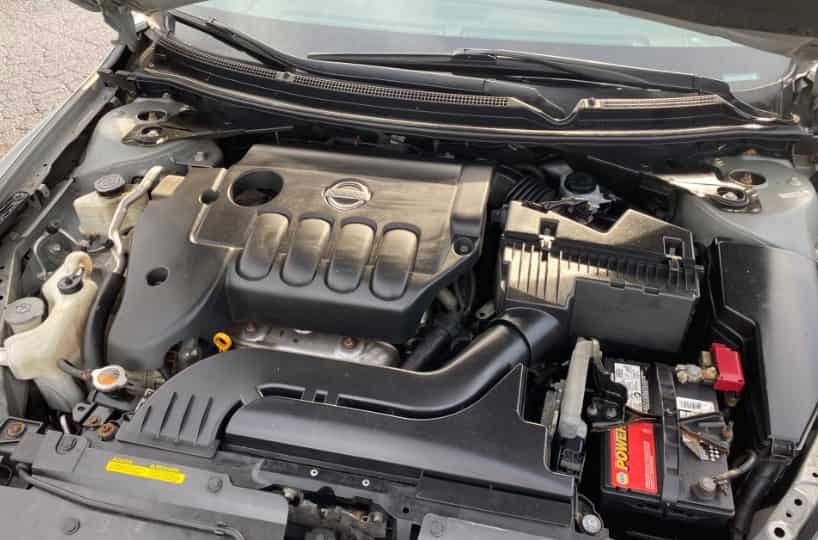
The 2011 Nissan Altima is still a popular midsize sedan in the used car market. Many buyers choose it because it offers comfort, good fuel economy, and a low purchase price. The model comes with two engine options, including a 2.5 liter four cylinder and a 3.5 liter V6. Both engines deliver solid performance when they are well maintained.
However, engine problems often appear as the vehicle ages. Many owners report issues that affect daily driving and long term reliability. These issues can become costly if drivers ignore early warning signs.
You need to understand 2011 Nissan Altima engine problems if you plan to buy or already own this car. Some engines perform well with regular maintenance. Others develop issues like excessive oil consumption, engine misfires, or timing chain noise. These problems can reduce performance and increase repair costs over time.
This guide explains the most common engine problems in detail. You will learn the symptoms, root causes, and repair costs for each issue. By the end, you will know whether the 2011 Nissan Altima engine is still a reliable choice in the used car market today.
Excessive Oil Consumption in the 2011 Nissan Altima
Excessive oil consumption is one of the most common engine problems in the 2011 Nissan Altima. Many owners report that the engine loses oil faster than normal even when there are no visible external leaks. This issue appears in both the 2.5 liter four cylinder engine and, in some cases, the 3.5 liter V6 engine, especially at higher mileage.
Drivers usually notice several clear symptoms when this problem develops. The engine oil level drops quickly between regular oil changes, which forces frequent top ups. The oil warning light may appear more often than expected. Some vehicles also produce a burning oil smell during driving. In more severe cases, the exhaust may show light blue smoke, especially during acceleration or cold starts. Engine performance can also feel weaker because the engine does not maintain proper lubrication.
The main causes of excessive oil consumption include worn piston rings and degraded valve seals. These components allow engine oil to enter the combustion chamber and burn during operation. Over time, high mileage increases internal engine wear and makes the problem worse. Poor maintenance habits, such as infrequent oil changes or using low quality oil, can also accelerate internal damage. In some cases, overheating contributes to faster wear of engine components.
Repair costs vary depending on severity. Minor cases may only require regular oil monitoring and frequent top ups, which can cost between 30 and 80 USD per service. More serious cases that require piston ring or valve seal replacement can range from 1,500 to 4,000 USD. If internal engine damage becomes severe, a full engine replacement may be necessary, which can exceed 5,000 USD.
This issue should not be ignored because low oil levels increase friction inside the engine. Over time, this can lead to serious engine damage or complete engine failure if the problem is not addressed early.
Engine Misfire in the 2011 Nissan Altima
Engine misfire is another common problem in the 2011 Nissan Altima and it can seriously affect drivability and fuel efficiency. This issue occurs when one or more cylinders fail to burn fuel correctly, which leads to uneven engine performance. Both the 2.5 liter four cylinder engine and the 3.5 liter V6 engine can experience misfires, especially as mileage increases or when maintenance is inconsistent.
Drivers usually notice clear symptoms when a misfire happens. The engine often feels rough at idle and the car may vibrate more than normal. Acceleration becomes weak and inconsistent, especially when driving uphill or under load. The check engine light frequently turns on and may flash in severe cases, which signals an urgent engine issue. Some drivers also report higher fuel consumption and a noticeable loss of engine power.
Several factors can cause engine misfire in the 2011 Nissan Altima. Faulty ignition coils are one of the most common reasons because they fail to deliver proper spark to the spark plugs. Worn or old spark plugs also reduce combustion efficiency. In some cases, fuel injectors become clogged and fail to deliver the correct fuel amount to the cylinder. Vacuum leaks and air intake issues can also disrupt the air fuel mixture and lead to misfires. Poor maintenance and delayed service often make these issues worse over time.
Repair costs depend on the root cause of the problem. Replacing ignition coils typically costs between 150 and 400 USD depending on labor and parts quality. Spark plug replacement usually ranges from 100 to 300 USD. If fuel injectors need cleaning or replacement, the cost can increase to 300 to 900 USD. Severe or long term misfires that damage the catalytic converter can lead to repair costs above 1,000 USD.
Engine misfire should be addressed quickly because continued driving can damage other components and reduce engine lifespan. Early diagnosis helps prevent expensive repairs and maintains stable engine performance.
Timing Chain Noise in the 2011 Nissan Altima
Timing chain noise is a concerning engine problem that some 2011 Nissan Altima owners experience, especially in higher mileage vehicles. The timing chain controls the synchronization between the crankshaft and camshaft, which ensures proper engine operation. When this system begins to wear, it can create noticeable noise and affect overall engine performance in both the 2.5 liter four cylinder and the 3.5 liter V6 engines.
One of the earliest symptoms is a rattling sound coming from the engine during cold starts. This noise may last a few seconds before fading as oil pressure builds. Some drivers also report a ticking sound that becomes more noticeable when the engine is under load or idling. In more advanced cases, the engine may feel less smooth, and performance can become inconsistent due to timing irregularities.
The main cause of timing chain noise is chain stretch over time. As the chain wears, it becomes loose and fails to maintain precise timing between engine components. A weak or failing timing chain tensioner can also contribute to the problem because it cannot keep proper tension on the chain. Low engine oil level or poor oil quality can accelerate wear since the timing system relies on consistent lubrication to operate correctly.
Repair costs vary depending on how severe the issue becomes. In early stages, an oil change and proper maintenance may reduce noise if the problem is related to poor lubrication. However, if the timing chain or tensioner needs replacement, repair costs typically range from 800 to 2,000 USD depending on labor rates and parts quality. If the issue is ignored for too long, it can lead to serious engine damage, including valve or piston failure, which may require a full engine rebuild or replacement.
Timing chain noise should be taken seriously because it is often an early warning sign of deeper mechanical wear. Early diagnosis and repair help prevent expensive engine failure and extend the overall lifespan of the vehicle.
Crankshaft Position Sensor Failure in the 2011 Nissan Altima
Crankshaft position sensor failure is a known engine related issue that can affect the 2011 Nissan Altima. This sensor plays a critical role in monitoring the position and speed of the crankshaft and sending that data to the engine control unit. When it fails, the engine cannot properly manage ignition timing or fuel injection, which leads to serious drivability problems in both the 2.5 liter four cylinder and 3.5 liter V6 engines.
Drivers usually experience sudden and unpredictable symptoms. The engine may stall while driving or fail to start without warning. In some cases, the vehicle starts normally but shuts off after a few seconds. The check engine light often appears, and diagnostic scans typically reveal related trouble codes. Many drivers also report long cranking times before the engine finally starts or complete no start conditions, especially when the engine is warm.
The main causes of crankshaft position sensor failure include internal wear, heat damage, and electrical faults. Over time, exposure to high engine temperatures can degrade the sensor’s internal components. Wiring issues or poor electrical connections can also interrupt the signal sent to the ECU. In some cases, oil leaks or contamination may affect sensor performance and shorten its lifespan.
Repair costs for this issue are relatively moderate compared to other engine problems. Replacing the crankshaft position sensor typically costs between 120 and 350 USD, depending on labor and part quality. If wiring repairs are needed, the cost may increase slightly. However, if the issue is misdiagnosed and left unresolved, it can lead to unnecessary part replacements and repeated breakdowns.
This problem should be addressed quickly because a failing sensor can cause sudden engine shutdown while driving. Early diagnosis ensures stable engine operation and prevents unexpected vehicle failure on the road.
Camshaft Position Sensor Problems in the 2011 Nissan Altima
Camshaft position sensor problems are another engine related issue that can appear in the 2011 Nissan Altima. This sensor works together with the crankshaft position sensor to control fuel injection timing and ignition timing. When the camshaft sensor fails or becomes unstable, the engine loses accurate timing data and performance begins to decline in both the 2.5 liter four cylinder and the 3.5 liter V6 engines.
Drivers often notice several early warning signs. The engine may take longer to start or may crank without starting at all. Some vehicles experience sudden stalling while idling or driving at low speeds. The check engine light usually turns on, and the engine may enter limp mode to protect itself from further damage. In some cases, acceleration becomes weak and inconsistent because the engine cannot properly coordinate fuel and spark delivery.
The main causes of camshaft position sensor problems include internal sensor wear, heat exposure, and electrical connection issues. High engine temperatures can gradually damage the sensor and reduce its accuracy over time. Damaged wiring or loose connectors can also interrupt the signal and create intermittent failures. In some cases, oil leaks near the sensor area can lead to contamination and reduced sensor performance.
Repair costs for this issue are generally moderate. Replacing a camshaft position sensor typically costs between 120 and 300 USD depending on labor rates and part quality. If wiring repair or diagnostic work is required, the cost may increase slightly. In rare cases, repeated sensor failure can indicate deeper engine timing issues that require further inspection.
Camshaft position sensor problems should be fixed early because they directly affect engine timing and drivability. Ignoring the issue can lead to poor performance, unexpected stalling, and increased stress on other engine components over time.
Engine Knocking in the 2011 Nissan Altima
Engine knocking is a serious symptom that some 2011 Nissan Altima owners may notice as the vehicle ages. This condition produces a sharp metallic knocking or pinging sound coming from the engine during acceleration or under load. It can occur in both the 2.5 liter four cylinder engine and the 3.5 liter V6 engine, especially when maintenance history is poor or mileage is high.
Drivers typically notice engine knock when accelerating uphill or when pressing the gas pedal hard. The sound may become more frequent when the engine is hot or under stress. In some cases, engine performance also feels weaker and fuel efficiency drops. If the knocking becomes severe, the engine may run roughly and lose smooth power delivery.
Several factors can cause engine knocking in the 2011 Nissan Altima. Low quality fuel is one common reason because it can cause abnormal combustion inside the cylinders. Carbon buildup inside the combustion chamber can also increase pressure and lead to detonation. Incorrect ignition timing or sensor related issues may trigger premature ignition. In more serious cases, internal engine wear such as damaged bearings can also produce knocking sounds.
Repair costs depend heavily on the root cause. If the issue is related to fuel quality or minor carbon buildup, cleaning and fuel treatment may cost between 50 and 200 USD. More advanced carbon cleaning or intake service can range from 200 to 500 USD. However, if engine knock is caused by internal damage such as bearing wear, repair costs can rise significantly and may exceed 2,000 USD or require a full engine rebuild.
Engine knocking should be treated as an urgent warning sign because it often indicates abnormal combustion or internal stress. Ignoring this issue can lead to severe engine damage and eventual engine failure if not diagnosed and repaired early.
Rough Idle in the 2011 Nissan Altima
Rough idle is a common engine symptom in the 2011 Nissan Altima that often signals an imbalance in air, fuel, or ignition systems. When this issue occurs, the engine does not run smoothly while the vehicle is stopped. Both the 2.5 liter four cylinder engine and the 3.5 liter V6 engine can experience rough idle, especially in higher mileage vehicles or those with inconsistent maintenance history.
Drivers usually notice clear signs when the engine idles roughly. The vehicle may shake or vibrate while stopped at a traffic light. The engine sound may become uneven or unstable compared to normal operation. In some cases, the RPM needle fluctuates slightly even when the car is not moving. Fuel consumption may also increase because the engine is not operating efficiently.
Several causes can lead to rough idle in the 2011 Nissan Altima. A dirty throttle body is one of the most common reasons because it restricts proper airflow into the engine. A dirty mass airflow sensor can also send incorrect air measurement data to the engine control unit. Vacuum leaks in hoses or intake components often disrupt the air fuel ratio and create unstable combustion. Worn spark plugs or weak ignition coils can also contribute to inconsistent engine firing.
Repair costs vary depending on the root cause of the issue. Cleaning the throttle body or mass airflow sensor typically costs between 80 and 200 USD. Vacuum leak repairs may range from 100 to 400 USD depending on the location and severity. If ignition components such as spark plugs or coils need replacement, the cost can increase to 150 to 600 USD.
Rough idle should be addressed early because it often indicates underlying engine inefficiency. If ignored, it can lead to higher fuel consumption, reduced performance, and additional strain on engine components over time.
Check Engine Light in the 2011 Nissan Altima
The check engine light is one of the most important warning indicators in the 2011 Nissan Altima and it often appears when the engine detects a fault in emissions, ignition, or fuel systems. This warning can be triggered by minor issues or more serious engine problems in both the 2.5 liter four cylinder and the 3.5 liter V6 engines. Because of this, it is important not to ignore the light when it appears.
Drivers may notice different behaviors depending on the severity of the issue. In some cases, the check engine light stays on steadily while the vehicle continues to drive normally. In other cases, the light flashes, which usually indicates a more serious misfire condition that requires immediate attention. Performance issues such as rough idle, reduced power, or increased fuel consumption may also appear alongside the warning light.
Common causes of the check engine light in the 2011 Nissan Altima include engine misfires, faulty oxygen sensors, and issues with the catalytic converter. Loose or damaged gas caps can also trigger the warning due to fuel vapor leaks. Problems with the crankshaft or camshaft position sensors may also activate the light because they directly affect engine timing and combustion efficiency. In some cases, air intake issues or vacuum leaks can also be responsible.
Repair costs depend entirely on the underlying cause. Simple fixes such as replacing a gas cap or oxygen sensor may cost between 20 and 300 USD. Ignition related repairs like spark plugs or ignition coils can range from 100 to 600 USD. More serious issues such as catalytic converter failure can exceed 1,000 USD and significantly affect emissions performance.
The check engine light should always be diagnosed quickly using an OBD2 scanner. Early diagnosis helps identify the exact problem and prevents minor issues from turning into expensive engine damage over time.
Engine Problems by Engine Type in the 2011 Nissan Altima
The 2011 Nissan Altima comes with two main engine options, including the 2.5 liter QR25DE four cylinder engine and the 3.5 liter VQ35DE V6 engine. Both engines are generally reliable when properly maintained, but each one has its own common weaknesses that can lead to specific engine problems over time.
2.5L QR25DE Engine Problems
The 2.5 liter engine is more common and is often chosen for fuel efficiency. However, it is also more frequently associated with excessive oil consumption, especially at higher mileage. Many owners report that the engine burns oil faster than expected, which can lead to low oil levels between service intervals. This engine can also develop timing chain noise, rough idle, and occasional misfires when maintenance is delayed. Ignition coil wear and dirty intake components are also common contributors to performance issues in this engine.
3.5L VQ35DE Engine Problems
The 3.5 liter V6 engine is more powerful and smoother in operation, but it can still develop issues as it ages. Common problems include ignition coil failures, camshaft or crankshaft sensor issues, and occasional timing chain noise in high mileage vehicles. Some drivers also report rough idle and increased fuel consumption when the engine is not serviced regularly. While it is generally considered more robust than the four cylinder, repair costs can be higher due to more complex engine layout.
Reliability Comparison
Overall, both engines can last a long time with proper maintenance, but the 2.5 liter engine tends to show oil related issues more frequently. The V6 engine is more performance oriented but may cost more to repair when problems occur. Regular oil changes, timely replacement of ignition components, and proper diagnostic checks play a key role in extending the lifespan of both engines.
Repair Costs for 2011 Nissan Altima Engine Problems
Repair costs for 2011 Nissan Altima engine problems vary widely depending on the type of issue, the severity of damage, and whether repairs are done early or after long term neglect. Understanding these costs helps owners decide whether to repair the vehicle or consider replacement. Both the 2.5 liter QR25DE and 3.5 liter VQ35DE engines can experience similar repair categories, but labor complexity may differ slightly.
Oil consumption related repairs are among the most expensive issues. If the problem is minor, such as low oil levels, regular top ups may cost around 30 to 80 USD per service. If piston rings or valve seals need replacement, costs usually range from 1,500 to 4,000 USD. In severe cases where internal damage occurs, full engine replacement can exceed 5,000 USD.
Engine misfire repairs are more moderate in cost. Replacing ignition coils typically costs between 150 and 400 USD, while spark plug replacement ranges from 100 to 300 USD. Fuel injector cleaning or replacement may cost between 300 and 900 USD depending on condition. If misfires damage the catalytic converter, total repair costs can exceed 1,000 USD.
Timing chain related repairs are more serious and expensive. Early warning maintenance may cost less, but full timing chain and tensioner replacement usually ranges from 800 to 2,000 USD. Ignoring timing chain noise can lead to catastrophic engine failure, which significantly increases total repair costs.
Sensor related issues such as crankshaft or camshaft position sensors are relatively affordable. Replacement typically costs between 120 and 350 USD per sensor. However, misdiagnosis or delayed repair can lead to repeated breakdowns and unnecessary expenses.
Rough idle and airflow related issues are generally more affordable to fix. Cleaning components such as the throttle body or mass airflow sensor usually costs between 80 and 200 USD. Vacuum leak repairs or ignition system maintenance may range from 100 to 600 USD depending on the issue.
Overall, maintenance timing plays a major role in total ownership cost. Early diagnosis and preventive maintenance significantly reduce long term repair expenses and help extend engine life.
Conclusion
The 2011 Nissan Altima offers a balance of comfort, fuel efficiency, and affordability, which makes it a popular choice in the used car market. However, like many aging vehicles, it develops engine related problems that owners should understand before buying or continuing long term use. The most common issues include excessive oil consumption, engine misfires, timing chain noise, sensor failures, rough idle, and occasional engine knocking. Each problem has different symptoms, causes, and repair costs, but most of them become more serious when maintenance is delayed.
In general, the 2.5 liter engine tends to experience oil consumption and wear related issues more often, while the 3.5 liter V6 engine may have higher repair costs due to more complex components. Despite these weaknesses, both engines can still perform well if they are properly maintained with regular oil changes and timely replacement of ignition and sensor components. Early diagnosis plays a key role in preventing small issues from turning into expensive engine damage.
For used car buyers, inspection is essential before purchase. Checking oil levels, engine noise, service history, and diagnostic codes can help identify hidden problems. A well maintained 2011 Nissan Altima can still be a reliable vehicle, but a poorly maintained one may lead to high repair costs and unexpected breakdowns.
Frequently Asked Questions
What is the most common engine problem in the 2011 Nissan Altima
Excessive oil consumption is the most frequently reported issue, especially in higher mileage vehicles.
Is the 2011 Nissan Altima engine reliable
The engine can be reliable with proper maintenance, but neglect significantly increases the risk of failure.
How long does a 2011 Nissan Altima engine last
With good maintenance, the engine can last over 150,000 miles, but poor maintenance can shorten its lifespan.
Is it expensive to fix engine problems in the 2011 Nissan Altima
Repair costs vary widely from minor sensor repairs under 300 USD to major engine replacement above 5,000 USD.
Should I buy a used 2011 Nissan Altima
It depends on condition and maintenance history. A well maintained unit can be a good value, but a poorly maintained one can be costly.