
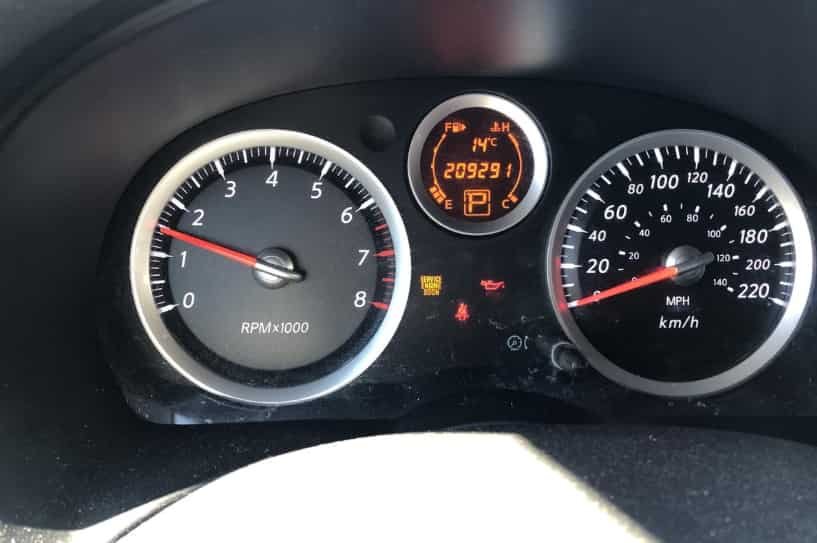
The 2011 Nissan Sentra is a compact sedan that many drivers use for daily commuting and family transportation. Nissan equipped this model with a 2.0 liter four cylinder MR20DE engine, which focuses on fuel efficiency and smooth city driving. Over time, however, this engine can develop issues as mileage increases and parts begin to wear.
Many owners notice engine problems after years of use. Common signs include rough idle, weak acceleration, engine noise, and higher oil consumption. These symptoms often start small. They become more serious if drivers ignore them or delay maintenance.
This guide explains the most common 2011 Nissan Sentra engine problems in a clear and practical way. You will learn what causes these issues, how they affect performance, and what repair costs to expect. The article also shows which problems require urgent attention and which ones you can monitor over time.
We also break down real world solutions that mechanics use to fix these issues. In addition, you will find maintenance tips that help extend engine life and reduce long term repair costs. These insights are useful for both current owners and people who plan to buy a used 2011 Nissan Sentra.
By the end of this guide, you will understand how this engine behaves under real driving conditions. You will also know how to identify early warning signs and make smarter decisions about repair or purchase.
What Engine Does the 2011 Nissan Sentra Have?
The 2011 Nissan Sentra comes with a 2.0 liter MR20DE inline four cylinder engine. Nissan designed this engine mainly for fuel efficiency, smooth operation, and everyday commuting rather than high performance. It produces around 140 horsepower and 147 lb ft of torque, which is enough for city driving and highway use under normal conditions. Depending on the trim, the engine is paired with either a manual transmission or a CVT automatic transmission.
The MR20DE engine uses an aluminum block and aluminum cylinder head, which helps reduce overall vehicle weight and improve fuel economy. It also uses a timing chain system instead of a timing belt. This reduces scheduled maintenance needs, but the chain can still develop noise or wear issues if oil quality is poor or maintenance is delayed. The engine relies on multiple sensors such as the mass airflow sensor and crankshaft position sensor to manage fuel delivery and ignition timing efficiently.
In terms of reliability, the MR20DE is generally considered a solid engine when properly maintained. Many owners report that it can exceed 150,000 miles without major internal failure. However, its long term durability depends heavily on regular oil changes and proper servicing. When maintenance is neglected, common issues such as oil consumption, carbon buildup, and sensor failures can appear. These problems usually do not cause sudden breakdowns, but they can gradually reduce performance and increase repair costs.
With consistent maintenance, this engine can often reach between 180,000 and 220,000 miles. As mileage increases, wear on components such as ignition coils, spark plugs, and gaskets becomes more common. Early detection and timely repair are important to keep the engine running smoothly and avoid expensive damage.
Most Common 2011 Nissan Sentra Engine Problems
The 2011 Nissan Sentra develops several engine problems as it ages, especially when mileage goes beyond 80,000 to 120,000 miles. Most issues do not appear suddenly. They usually start with small performance changes such as rough idle, reduced power, or warning lights on the dashboard. Understanding these problems helps owners prevent expensive repairs and avoid engine damage.
One of the most common issues is excessive oil consumption. The engine may burn oil faster than normal, which leads to low oil levels between service intervals. This happens due to worn piston rings or valve seals. If ignored, it can increase engine wear and cause long term damage. Another frequent problem is engine misfire. This often comes from failing ignition coils or worn spark plugs. When misfire occurs, the engine may shake, hesitate during acceleration, or trigger the check engine light.
Timing chain noise is another concern in high mileage vehicles. A worn or loose timing chain can create rattling sounds during startup or acceleration. Although the chain is designed to last longer than a belt, poor oil maintenance can accelerate wear. Crankshaft position sensor failure is also common and can cause hard starting, stalling, or sudden engine shutdown while driving. In some cases, drivers also experience mass airflow sensor issues, which lead to poor fuel economy, rough idle, and weak acceleration.
Cooling system problems can indirectly damage the engine if overheating occurs. A failing thermostat, leaking radiator, or weak water pump can raise engine temperature beyond safe limits. Over time, this may cause serious internal engine damage. These issues highlight the importance of regular maintenance and early diagnosis to keep the 2011 Nissan Sentra engine running reliably.
Symptoms of Engine Problems
The 2011 Nissan Sentra usually shows clear warning signs before serious engine failure occurs. Most engine problems begin gradually, so drivers often notice small changes in performance before a major breakdown happens. Recognizing these symptoms early helps reduce repair costs and prevents long term damage.
One of the most common symptoms is the check engine light. This warning appears when the engine control unit detects abnormal sensor readings or combustion issues. Another frequent sign is rough idle, where the engine shakes or feels unstable when the car is stopped. This often points to ignition coil issues, dirty fuel injectors, or air intake problems.
Engine knocking or unusual noise is another important symptom. It may indicate worn internal components, low oil levels, or timing chain wear. Drivers may also experience engine stalling, especially at low speeds or when stopping at traffic lights. This can be caused by failing sensors such as the crankshaft position sensor or issues in the fuel system.
Loss of acceleration is also a strong indicator of engine trouble. The vehicle may feel weak when pressing the gas pedal, especially during uphill driving or highway merging. In addition, poor fuel economy often signals inefficient combustion or sensor malfunction. Some drivers also notice excessive exhaust smoke or a burning oil smell, which can indicate oil leaks or internal oil burning.
These symptoms often appear together and become more noticeable over time. Early diagnosis is important because ignoring these warning signs can lead to more severe engine damage and higher repair costs. Understanding these symptoms allows owners to take action before small issues turn into major failures.
What Causes These Engine Problems?
The engine problems in the 2011 Nissan Sentra usually come from a combination of wear and maintenance habits. As the vehicle ages, internal components naturally lose efficiency. However, driving behavior and service history often determine how quickly these problems appear.
One of the main causes is poor maintenance history. When oil changes are delayed, engine oil loses its ability to lubricate and protect internal parts. This increases friction and leads to faster wear of components such as piston rings, valves, and timing chain parts. Low quality engine oil can also create sludge and reduce engine efficiency over time.
High mileage is another major factor. As the engine passes 100,000 miles, normal wear begins to affect sensors, ignition components, and seals. Parts such as ignition coils, spark plugs, and gaskets often fail after long-term use. These failures usually start small but gradually affect overall engine performance.
Extreme driving conditions also contribute to engine problems. Frequent short trips, heavy traffic, and stop and go driving prevent the engine from reaching optimal operating temperature. This leads to carbon buildup inside the combustion chamber and reduces fuel efficiency. Aggressive driving can also increase stress on engine components and shorten their lifespan.
In some cases, cooling system issues play a major role. If the engine runs too hot due to a failing radiator, thermostat, or water pump, internal damage can occur quickly. Overheating is one of the most dangerous conditions for this engine because it can damage head gaskets and internal seals.
These factors often work together rather than separately. When maintenance is neglected and mileage is high, engine problems become more frequent and more severe. Understanding these root causes helps owners take preventive action before serious damage occurs.
Repair Costs for Common Engine Problems
Repair costs for the 2011 Nissan Sentra engine problems vary depending on the severity of the issue and the parts that need replacement. Some problems are relatively inexpensive to fix, while others can become costly if they involve internal engine damage or multiple component failures.
Ignition coil replacement is one of the more common and affordable repairs. Each coil typically costs a moderate amount, and many engines require more than one to be replaced over time. Spark plug replacement is also considered a routine maintenance job and usually remains within a low to moderate cost range. These repairs help restore smooth combustion and improve engine performance.
Mass airflow sensor replacement is another common fix. When this sensor fails, it can affect fuel efficiency and throttle response. The cost is generally moderate, including both parts and labor. Crankshaft position sensor replacement is similar in cost and is often required when the engine experiences stalling or hard starting issues.
More expensive repairs include timing chain service. Although the timing chain is designed for long term durability, wear or noise issues can require significant labor to inspect and replace components. This type of repair often becomes one of the higher cost items for this engine. Valve cover gasket replacement is less expensive but still important because oil leaks can lead to further engine contamination if ignored.
Cooling system repairs also vary in cost. Replacing a thermostat or radiator is usually moderate in price, while fixing damage caused by overheating can become very expensive. In severe cases, engine rebuild or replacement may be required, which represents the highest possible cost scenario.
Overall, most common engine issues in the 2011 Nissan Sentra remain manageable if they are detected early. Delayed repairs significantly increase costs and raise the risk of long term engine damage.
Can You Continue Driving with These Engine Problems?
Whether you can continue driving a 2011 Nissan Sentra with engine problems depends on the type and severity of the issue. Some problems only reduce performance slightly, while others can lead to serious engine damage if you keep driving without repair.
Certain minor issues such as a weak mass airflow sensor or early ignition coil wear may still allow the car to run. However, the engine will not perform efficiently. You may notice rough idle, reduced fuel economy, or slower acceleration. In these cases, short term driving is usually possible, but repair should not be delayed for too long.
More serious problems require immediate attention. Engine misfire that happens frequently can damage the catalytic converter over time. Timing chain noise is also a warning sign that should not be ignored, because continued driving can lead to major internal engine failure. If the engine stalls while driving or struggles to start, this indicates a higher risk situation that needs urgent diagnosis.
Oil consumption issues can also become dangerous if oil levels drop too low. Driving with insufficient oil increases friction and heat inside the engine, which can cause permanent damage. Similarly, overheating is one of the most critical conditions. If the cooling system fails and the engine temperature rises, continuing to drive can result in head gasket failure or complete engine breakdown.
In general, it is safe to continue driving only when symptoms are mild and monitored closely. Once performance becomes unstable or warning signs increase, immediate repair is necessary. Ignoring serious engine problems often leads to higher repair costs and may shorten the overall lifespan of the engine significantly.
How to Prevent Engine Problems
Preventing engine problems in the 2011 Nissan Sentra depends mainly on consistent maintenance and proper driving habits. The MR20DE engine responds well when it is serviced on time, but it can develop issues quickly if maintenance is neglected.
Regular oil changes are the most important factor in engine health. Fresh engine oil keeps internal components lubricated and reduces friction. It also helps prevent sludge buildup and reduces wear on parts such as piston rings and timing chain components. Using the correct oil type recommended by Nissan improves long term engine stability.
Cooling system maintenance is also essential. The engine must maintain a stable operating temperature to avoid overheating damage. Drivers should regularly check coolant levels and inspect components such as the radiator, thermostat, and water pump. Any signs of leakage or temperature fluctuation should be addressed early.
Replacing spark plugs and ignition coils at the recommended intervals helps maintain smooth combustion. Worn spark plugs can cause misfires, poor fuel economy, and rough engine operation. Clean air filters also improve airflow and support better engine performance by preventing dirt from entering the intake system.
Fuel system cleaning can reduce carbon buildup inside the engine. Over time, deposits can affect performance and cause rough idle or reduced power. Periodic inspection of sensors such as the mass airflow sensor and crankshaft position sensor also helps prevent unexpected engine issues.
Good driving habits also play a role in prevention. Avoiding short trips when possible allows the engine to reach optimal temperature. Smooth acceleration and avoiding excessive engine load reduce long term stress on internal components.
With consistent maintenance and careful driving, the 2011 Nissan Sentra engine can remain stable for many years and reach high mileage without major issues.
Should You Buy a Used 2011 Nissan Sentra?
The 2011 Nissan Sentra can still be a reasonable option in the used car market, especially for buyers looking for an affordable compact sedan. However, its value depends heavily on the condition of the engine and how well the previous owner maintained the vehicle.
One of the main advantages is low purchase price. Many used models are available at budget friendly prices, which makes them attractive for first time buyers or drivers who need basic transportation. The MR20DE engine also offers good fuel efficiency, which helps reduce daily running costs.
However, buyers should carefully consider the known engine issues. High mileage examples may already show signs of oil consumption, sensor failures, or ignition system wear. These problems are not always expensive at first, but they can become costly if ignored. A full inspection before purchase is essential, especially checking for engine noise, oil leaks, and warning lights.
The best condition vehicles are usually those with complete service history and regular oil changes. These examples tend to have fewer engine problems and longer remaining lifespan. On the other hand, poorly maintained vehicles may require immediate repairs after purchase, which can reduce the overall value.
In general, the 2011 Nissan Sentra is suitable for buyers who prioritize affordability over performance. It is not the strongest option in terms of long term reliability compared to newer models, but it can still be a practical choice if the engine is in good condition and maintenance has been consistent.
Careful inspection and realistic expectations are key before making a purchase decision.
Final Thoughts
The 2011 Nissan Sentra can still serve as a reliable daily car when it is properly maintained. Most engine problems in this model do not happen suddenly. They develop slowly over time due to wear, mileage, and maintenance habits. Understanding these issues helps owners take early action before they turn into expensive repairs.
The most common engine problems include oil consumption, ignition coil failure, sensor malfunctions, timing chain noise, and cooling system issues. Each of these problems shows clear warning signs such as rough idle, reduced power, engine noise, or warning lights. When these signs appear early, repair costs usually remain manageable.
Proper maintenance plays the most important role in engine longevity. Regular oil changes, cooling system checks, and timely replacement of wear parts can significantly extend engine life. Drivers who follow maintenance schedules often experience fewer major issues and better overall performance.
For buyers, the 2011 Nissan Sentra can still be a practical option in the used car market if the engine is in good condition. A full inspection before purchase is essential to avoid hidden repair costs. Vehicles with a strong service history are usually the safest choice.
Frequently Asked Questions
What is the most common engine problem in the 2011 Nissan Sentra?
The most common issue is excessive oil consumption, often caused by wear in internal engine components or poor maintenance history.
Is the 2011 Nissan Sentra engine reliable?
The MR20DE engine is generally reliable when maintained properly, but it becomes more prone to issues at higher mileage.
How long does the MR20DE engine last?
With good maintenance, the engine can last between 180,000 and 220,000 miles.
Is it expensive to repair engine problems?
Minor repairs such as sensors and ignition coils are affordable. However, major issues like timing chain or overheating damage can be costly.
Should I buy a used 2011 Nissan Sentra?
Yes, but only if the engine is in good condition and the vehicle has a clear maintenance history. A pre purchase inspection is strongly recommended.
Overall, the 2011 Nissan Sentra remains a budget friendly option, but its long term reliability depends heavily on how well the engine has been maintained throughout its life.