The 2018 Nissan Titan is a full size pickup truck with a strong V8 engine. Nissan designed this engine for towing, hauling, and daily driving. Many owners choose this truck for its power and simple mechanical layout.
Some owners report good long term performance. Others start to notice engine issues after higher mileage. These problems lead drivers to search for answers about reliability, repair costs, and long term ownership risks.
Most users want to understand what can go wrong with the engine. Some see warning lights on the dashboard. Others hear unusual noises or feel a loss of power. These signs often create concern about serious engine damage.
This guide explains the most common engine problems in the 2018 Nissan Titan. It covers symptoms, causes, and repair costs in a clear structure. It also helps you understand how serious each issue is and when you need repairs.
By the end of this guide, you will understand how this engine performs in real driving conditions and what problems you should watch for.
What Engine Does the 2018 Nissan Titan Have?
The 2018 Nissan Titan uses a 5.6 liter Endurance V8 engine. This engine delivers strong power output and supports heavy towing tasks. Nissan designed it for durability and consistent performance under load.
The engine produces around 390 horsepower and strong torque for truck applications. It pairs with a 7 speed automatic transmission. This setup gives the Titan smooth acceleration and stable highway driving.
Fuel economy stays average for a full size pickup. Most drivers see lower MPG in city driving and better efficiency on highways. The engine focuses more on power than fuel savings.
The VK56DE and VK56VD engine families influence this powertrain. The design uses direct injection and advanced valve timing. These technologies improve performance but also require proper maintenance to avoid carbon buildup over time.
Many owners consider this engine reliable when maintained correctly. Regular oil changes and cooling system care play an important role in long term durability. Without proper maintenance, common engine issues may appear earlier than expected.
Overall, the 5.6 liter V8 gives the 2018 Nissan Titan strong performance. It competes well in its class but still requires attention to maintenance schedules to stay in good condition.
Most Common 2018 Nissan Titan Engine Problems
The 2018 Nissan Titan can develop several engine related problems as mileage increases. Most issues do not appear suddenly on new vehicles. They usually build up over time due to wear, maintenance habits, and driving conditions. One of the most reported issues is cylinder misfire. This problem occurs when one or more cylinders fail to ignite fuel correctly inside the combustion chamber. Drivers often feel engine vibration, rough idle, or weak acceleration. The check engine light may also turn on as a warning. Common causes include worn spark plugs, failing ignition coils, or dirty fuel injectors. In some cases, carbon buildup inside the intake system can also disrupt proper combustion. If the issue is not fixed early, it can reduce fuel efficiency and put extra stress on the engine, which may lead to more expensive repairs.
Another common issue is timing chain wear. The timing chain controls the synchronization between the crankshaft and camshaft. When it stretches or wears out, the engine may produce a rattling noise, especially during cold starts. This problem often develops due to poor oil maintenance or extended oil change intervals. As the chain wears, engine timing becomes less precise, which affects performance and long term reliability. In severe cases, it can lead to engine damage if the timing becomes incorrect.
Excessive oil consumption is also reported by some owners. The engine may burn oil without visible external leaks. This usually happens due to worn piston rings or valve seals. When oil levels drop too low, engine lubrication decreases and internal components experience more friction. Over time, this increases wear and raises the risk of overheating or engine failure if not monitored regularly.
Engine knocking or ticking noise is another concern. Some noise is normal in V8 engines due to injector operation, but persistent or loud knocking can signal deeper issues. Low oil pressure, dirty oil, or internal wear can make these sounds more noticeable. Drivers should inspect the engine if the noise becomes louder over time.
Finally, cooling system problems can also affect engine performance. Issues such as coolant leaks, failing water pumps, or thermostat malfunctions can lead to overheating. When the engine runs at high temperature for too long, it increases the risk of serious internal damage. Regular inspection of coolant levels and temperature readings helps prevent these failures.
Symptoms of Engine Problems
The 2018 Nissan Titan shows several clear symptoms when the engine starts to develop problems. Most drivers notice these signs before a serious failure happens. One of the most common symptoms is rough idle. The engine may shake or feel unstable when the vehicle is stopped. This often indicates issues with ignition, fuel delivery, or air intake balance. Another frequent symptom is loss of power during acceleration. The truck may feel slower than normal or struggle when climbing hills or carrying heavy loads. This usually points to misfires, fuel system issues, or restricted airflow.
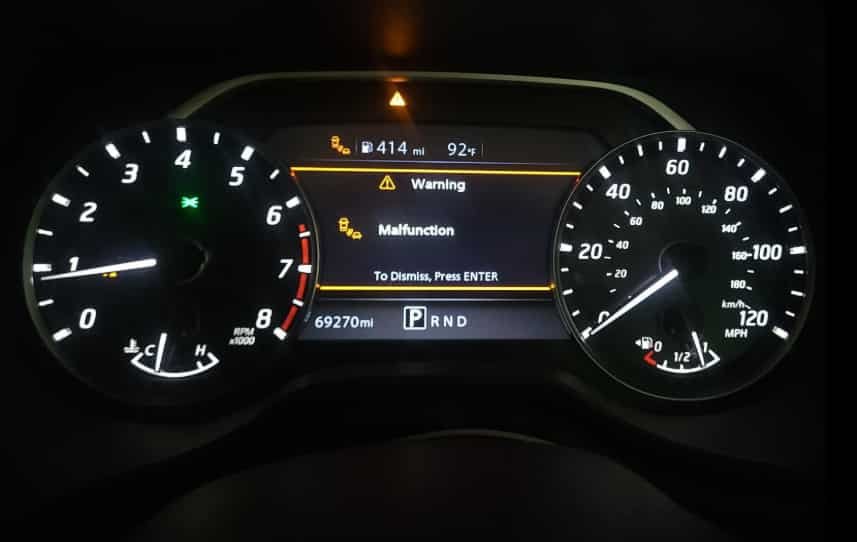
A check engine light is another important warning sign. It can appear for many different reasons, including sensor failures, misfires, or problems in the combustion system. Drivers should not ignore this warning because it often indicates early engine trouble. Engine noise is also a key symptom. Some owners report ticking, knocking, or unusual sounds coming from the engine bay. While some noise is normal in V8 engines, a sudden increase in volume or frequency can indicate lubrication problems or internal wear.
Oil related symptoms are also common. Drivers may notice higher oil consumption or a burning oil smell. Low oil levels can lead to increased friction inside the engine and higher risk of damage. In some cases, exhaust smoke may also appear, especially blue or dark smoke, which often signals oil burning or fuel imbalance. Engine overheating is another serious symptom. The temperature gauge may rise quickly or stay at a high level during driving. This usually indicates cooling system issues such as coolant leaks or a failing thermostat.
When these symptoms appear together, they often suggest that the engine needs immediate inspection. Early diagnosis helps prevent costly repairs and extends engine life.
Causes of Engine Problems
The engine problems in the 2018 Nissan Titan usually develop from a combination of wear, maintenance habits, and driving conditions. One of the most common causes is poor maintenance. When oil changes are delayed or low quality oil is used, engine lubrication decreases. This leads to faster wear of internal components such as timing chains, piston rings, and valve parts. Over time, this increases the risk of misfires, noise, and reduced performance.
High mileage is another important factor. As the engine accumulates miles, natural wear affects moving parts. Components like spark plugs, ignition coils, and fuel injectors lose efficiency. This can lead to rough idle, power loss, and inconsistent combustion. Older engines also become more sensitive to small maintenance issues.
Cooling system neglect is another major cause. When coolant levels drop or components like the water pump or thermostat fail, the engine can overheat. High temperatures put stress on metal parts and reduce engine lifespan. Repeated overheating can cause serious internal damage if not addressed early.
Carbon buildup also contributes to engine problems in this model. Direct injection engines tend to accumulate carbon on intake valves over time. This reduces airflow and affects combustion efficiency. Drivers may notice rough acceleration or reduced fuel economy when this happens.
Faulty sensors can also create engine issues. Modern engines rely on sensors to control fuel mixture and ignition timing. When these sensors fail, the engine may run rich or lean, which leads to misfires and poor performance. The check engine light usually appears in these situations.
In some cases, manufacturing tolerances and design limitations may also contribute to long term wear patterns. While the engine is generally reliable, it still depends heavily on proper maintenance and regular inspection to stay in good condition.
How to Diagnose Engine Problems
Diagnosing engine problems in the 2018 Nissan Titan requires a step by step approach. Most issues start with simple symptoms, but proper diagnosis helps avoid unnecessary repairs. The first step is to scan the vehicle using an OBD2 scanner. This tool reads diagnostic trouble codes stored in the engine control unit. Each code points to a specific issue such as misfires, sensor failure, or fuel system imbalance. This step helps narrow down the problem quickly.
The next step is a visual inspection. Drivers or mechanics should check for oil leaks, coolant leaks, or damaged hoses. Loose connectors and worn wiring can also cause engine performance issues. A clean inspection often reveals early warning signs before major failure occurs.
A compression test is another important diagnostic method. This test measures the pressure inside each cylinder. Low compression in one or more cylinders usually indicates internal wear such as piston ring damage or valve issues. This test helps confirm serious engine problems.
A leak down test can provide even more detail. It identifies where air is escaping inside the engine. This helps locate problems in valves, piston rings, or head gaskets. It is often used when misfires or power loss cannot be explained by basic scanning.
Oil pressure testing is also useful. Low oil pressure can point to worn engine components or oil pump issues. It can also explain ticking or knocking noises. Cooling system pressure tests help detect hidden coolant leaks that may lead to overheating.
When these tests are combined, they give a clear picture of engine health. Accurate diagnosis reduces repair costs and ensures the right parts are replaced instead of guessing the problem.
Average Repair Costs
Repair costs for the 2018 Nissan Titan engine problems can vary depending on the severity of the issue and the parts that need replacement. Minor issues like spark plugs or ignition coils are usually affordable, while internal engine repairs can become expensive. Labor costs also vary based on location and workshop type.
Most cylinder misfire repairs cost between 150 and 600 dollars when they involve spark plugs or ignition coils. If fuel injectors need replacement, the cost can increase to 400 to 900 dollars. Timing chain repairs are more serious and often range from 1,200 to 2,500 dollars depending on labor time and parts condition. These repairs require engine disassembly, which increases cost significantly.
Oil consumption issues are more complex. Simple fixes like PCV valve replacement may cost under 200 dollars. However, if piston rings or valve seals need repair, costs can exceed 2,000 to 4,000 dollars. Cooling system repairs such as water pump or thermostat replacement usually fall between 300 and 1,000 dollars depending on damage level.
Engine knocking problems can be difficult to diagnose and fix. Minor causes like low oil or injector noise are inexpensive to resolve. However, internal engine damage can lead to full engine rebuilds costing 3,000 to 6,000 dollars or more. In extreme cases, engine replacement may exceed 7,000 dollars.
Below is a simplified cost overview for common issues:
| Problem | Typical Repair | Estimated Cost | Severity |
|---|---|---|---|
| Cylinder misfire | Spark plugs or coils | 150 to 600 USD | Low to Medium |
| Fuel injector issue | Injector replacement | 400 to 900 USD | Medium |
| Timing chain wear | Chain replacement | 1,200 to 2,500 USD | High |
| Oil consumption | Seals or rings repair | 2,000 to 4,000 USD | High |
| Cooling system failure | Pump or thermostat | 300 to 1,000 USD | Medium |
| Engine knocking | Internal repair or rebuild | 3,000 to 6,000 USD | High |
Understanding these costs helps owners decide whether to repair or replace the vehicle. Early diagnosis usually reduces total expenses and prevents major engine damage.
Are There Any Engine Recalls or Technical Service Bulletins
The 2018 Nissan Titan does not have a widely known major engine recall that affects all vehicles. However, some technical service bulletins exist for related engine performance concerns. These bulletins are not recalls. They are manufacturer guidelines that help technicians diagnose and repair known issues.
Some service bulletins focus on engine performance complaints such as rough idle, hesitation, or check engine light warnings. These issues often relate to sensors, ignition components, or software calibration. In some cases, updates to the engine control module can improve drivability and reduce false error codes.
Other bulletins may address fuel system behavior or emissions related performance. These conditions can affect engine smoothness and fuel efficiency. Nissan dealerships use these bulletins to guide repairs under warranty or standard service conditions.
It is important to understand the difference between recalls and technical service bulletins. A recall means the manufacturer must repair a safety related defect at no cost to the owner. A technical service bulletin does not require mandatory repair. It only provides recommended diagnostic steps for known conditions.
Owners who experience engine issues should always check their VIN with a Nissan dealer. This ensures they receive any applicable updates or warranty coverage. Regular software updates and proper maintenance can also reduce the likelihood of recurring engine problems.
Overall, while there is no major engine recall affecting the 2018 Nissan Titan, service bulletins show that Nissan has documented several performance related concerns. These documents help technicians improve diagnosis accuracy and repair efficiency.
How to Prevent Engine Problems
Preventing engine problems in the 2018 Nissan Titan depends mainly on consistent maintenance and proper driving habits. Most engine issues develop slowly over time, so regular care plays a key role in extending engine life.
One of the most important steps is regular oil changes. Fresh engine oil keeps internal parts lubricated and reduces friction. Dirty or old oil increases wear on components like the timing chain, piston rings, and valve system. Most owners should follow the recommended oil change interval and use high quality oil that matches Nissan specifications.
Cooling system maintenance is also essential. Drivers should check coolant levels regularly and inspect for leaks. A healthy cooling system prevents overheating and protects the engine from thermal damage. Replacing the thermostat or water pump at the right time helps avoid sudden failures.
Spark plug replacement is another important factor. Worn spark plugs reduce combustion efficiency and can lead to misfires. Replacing them on schedule helps maintain smooth engine performance and better fuel economy.
Fuel system cleaning can also improve long term reliability. Clean fuel injectors ensure proper fuel delivery to each cylinder. This helps reduce rough idle and improves acceleration response.
Routine inspections help detect early signs of problems. Checking for oil leaks, unusual noises, or warning lights allows owners to fix issues before they become serious. Early detection often reduces repair costs significantly.
Driving habits also affect engine health. Avoiding excessive нагрузки on a cold engine and allowing proper warm up time helps reduce wear. Smooth acceleration and consistent maintenance habits contribute to longer engine life.
Overall, preventive maintenance is the most effective way to avoid major engine problems in the 2018 Nissan Titan.
Is the 2018 Nissan Titan Worth Buying
The 2018 Nissan Titan can still be a good choice in the used truck market if it has been properly maintained. The engine delivers strong V8 power and performs well for towing and daily driving. Many owners appreciate its simple design and solid road performance compared to some competitors in the same segment.
However, potential buyers should understand the possible engine related issues before making a decision. Problems such as misfires, oil consumption, and timing chain wear may appear on higher mileage vehicles. These issues are not guaranteed but become more likely when maintenance history is unclear or inconsistent. A well maintained engine can still perform reliably for many years.
Before buying a used 2018 Nissan Titan, a full inspection is important. Buyers should check for engine noise, oil leaks, and warning lights. A diagnostic scan can reveal hidden error codes that are not visible during a test drive. Service records also provide valuable insight into how well the previous owner maintained the vehicle.
Compared to competitors like the Ford F 150 or Ram 1500, the Titan offers strong engine performance but fewer advanced technology features. It focuses more on durability and straightforward mechanics rather than modern efficiency systems. This makes it appealing for drivers who prioritize power and reliability over fuel economy and tech features.
Overall, the 2018 Nissan Titan is worth buying if the engine is in good condition and maintenance records are available. It becomes a risky purchase when signs of poor maintenance or unresolved engine issues are present. Careful inspection is the key factor that determines long term value.
Frequently Asked Questions
The 2018 Nissan Titan is generally considered a strong full size truck, but many buyers still have questions about its engine performance and long term reliability. Below are the most common questions from owners and used car buyers.
Is the 2018 Nissan Titan engine reliable
The 2018 Nissan Titan engine is reliable when it receives proper maintenance. Regular oil changes and timely repairs help prevent most major issues. Problems usually appear in high mileage vehicles or when maintenance is neglected.
What is the most common engine problem
The most common engine problem is cylinder misfire. It often happens due to worn spark plugs, ignition coil failure, or fuel system issues. Drivers may notice rough idle or reduced power when this occurs.
Does the 2018 Nissan Titan have timing chain problems
Some vehicles may develop timing chain wear over time, especially at high mileage. This usually results from poor oil maintenance. Regular oil changes help reduce the risk of timing chain issues.
How long does the 5.6L V8 engine last
With proper maintenance, the 5.6L V8 engine can last well over 200,000 miles. Engine lifespan depends heavily on oil quality, driving habits, and cooling system condition.
What is the average engine repair cost
Engine repair costs vary widely. Minor issues may cost under 600 dollars. Major repairs such as timing chain replacement or internal engine damage can exceed 2,000 to 6,000 dollars or more.
Conclusion
The 2018 Nissan Titan offers strong engine performance and solid durability when maintained correctly. Most engine problems develop gradually and often link to maintenance habits rather than sudden failure. Common issues include misfires, oil consumption, timing chain wear, and cooling system problems.
Understanding symptoms early helps reduce repair costs and prevent serious damage. Regular maintenance remains the most important factor in engine longevity. Buyers should always inspect service history and engine condition before purchasing a used model.
Overall, the 2018 Nissan Titan can still be a reliable full size truck if the engine is in good condition and properly cared for. Careful inspection and consistent maintenance are the key to long term ownership success.