The 2017 Nissan Murano uses a 3.5L V6 engine. This engine delivers smooth power and stable performance for daily driving. Many owners like its comfort and reliability in normal use.
Some drivers still report engine problems over time. These issues often start small. They can grow into costly repairs if you ignore early signs. That is why early detection matters.
You may notice warning lights, strange noises, or changes in engine performance. These symptoms often lead owners to search for engine problem explanations. In most cases, the engine does not fail suddenly. It usually shows clear warning signs first.
This guide explains the most common 2017 Nissan Murano engine problems. You will learn about symptoms, causes, repair costs, and proven fixes. You will also learn how to diagnose issues early and prevent serious engine damage.
The goal is simple. Help you understand your Murano engine better. Help you decide when to repair it. Help you avoid expensive breakdowns. This information also helps if you plan to buy a used 2017 Murano.
What Engine Does the 2017 Nissan Murano Have?
The 2017 Nissan Murano uses a 3.5L V6 engine known as the VQ35DE. Nissan designed this engine to deliver smooth acceleration, stable power output, and comfortable daily driving performance. It produces around 260 horsepower, which gives the SUV enough strength for both city driving and highway travel. The engine works with a continuously variable transmission that helps improve fuel efficiency and keeps driving smooth without harsh gear shifts.
This engine uses a timing chain instead of a timing belt, which reduces long term maintenance needs and improves durability when the vehicle receives regular oil changes. Many Nissan models share this engine family, which has built a reputation for solid performance and long service life under proper maintenance conditions.
The VQ35DE engine is generally reliable, but it is not completely free from issues. Most problems appear after high mileage or poor maintenance habits. Owners sometimes report oil leaks, sensor failures, or reduced performance over time. In some cases, the engine may also develop rough idle or increased oil consumption as it ages.
Overall, the engine performs well when properly maintained, and many owners report smooth operation even after years of use. However, maintenance history plays a major role in its long term reliability. A well cared for engine can last a long time, while a neglected one can develop costly problems earlier than expected. Understanding how this engine works helps buyers and owners evaluate risk, plan maintenance, and make better repair decisions.
Most Common 2017 Nissan Murano Engine Problems
The 2017 Nissan Murano can develop several engine problems as mileage increases. Most issues start slowly and show early warning signs before becoming serious. Understanding these problems helps you avoid high repair costs and engine damage.
One common issue is excessive oil consumption. Some owners notice that the engine loses oil faster than normal. This often happens due to internal wear or reduced oil control efficiency. When oil levels drop too low, the engine may lose proper lubrication and suffer long term damage.
Oil leaks are another frequent problem. Leaks often come from valve cover gaskets or oil seals. You may see oil spots under the vehicle or smell burning oil while driving. Even small leaks can lead to low oil levels if you ignore them.
Timing chain wear is less common but still possible. The timing chain controls engine timing and should last a long time. Poor oil maintenance can cause it to wear faster. When this happens, you may hear rattling noises or notice poor engine performance.
Some drivers also report rough idle and engine misfires. These issues often come from worn spark plugs or faulty ignition coils. Misfires can reduce power and increase fuel use.
Engine knocking or ticking noise may also occur. This can indicate low oil pressure or internal wear. If you ignore these sounds, the damage can become more serious over time.
Overall, most 2017 Nissan Murano engine problems start small. Early detection and regular maintenance help reduce repair costs and keep the engine running smoothly.
Symptoms You Should Never Ignore
The 2017 Nissan Murano engine often shows clear warning signs before serious problems occur. Paying attention to these symptoms helps you prevent expensive repairs and engine damage.
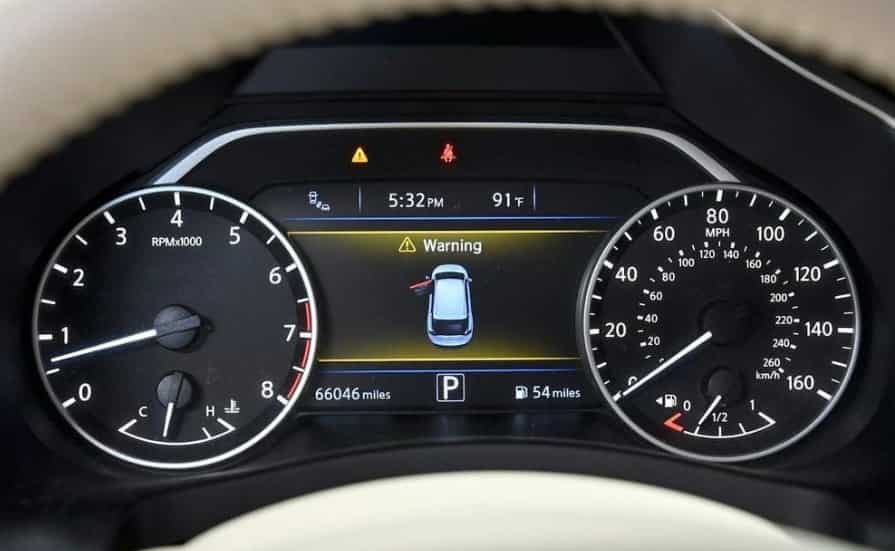
One of the most important signs is the check engine light. This warning can indicate sensor issues, ignition problems, or fuel system errors. You should not ignore it because small faults can lead to larger engine failures over time.
Unusual engine noise is another key symptom. You may hear knocking, ticking, or rattling sounds. These noises often point to low oil pressure, worn internal parts, or timing related issues. If the noise becomes louder over time, the engine may need immediate inspection.
Excessive oil consumption is also a common warning sign. If you need to refill engine oil more often than usual, the engine may have internal wear or sealing problems. Low oil levels reduce lubrication and increase engine damage risk.
Rough idle is another symptom you should watch for. The engine may shake or feel unstable when the car is stopped. This usually happens due to ignition problems, dirty fuel injectors, or air intake issues. It can also reduce driving comfort and fuel efficiency.
You may also notice loss of power during acceleration. The vehicle may feel slow or unresponsive when you press the gas pedal. This often points to air fuel mixture problems or sensor failures.
Smoke from the exhaust is another warning sign. Blue smoke often indicates oil burning, while black smoke suggests fuel system imbalance. White smoke can signal coolant issues.
Hard starting or engine stalling also shows that the engine is not working properly. These symptoms often appear when multiple small issues combine over time.
Overall, these symptoms act as early warnings. Detecting them early helps you fix problems before they become expensive or lead to engine failure.
What Causes These Engine Problems?
The 2017 Nissan Murano engine problems usually come from a few clear root causes. Most issues develop slowly and relate to maintenance habits, mileage, and driving conditions. Understanding these causes helps you prevent future engine damage.
Poor maintenance is one of the main causes. When drivers skip oil changes or extend service intervals too long, engine oil breaks down. Dirty oil reduces lubrication and increases wear on internal parts. Over time, this can lead to oil consumption, knocking sounds, and reduced engine performance.
High mileage also plays a major role. As the engine ages, internal components naturally wear down. Seals lose strength, spark plugs degrade, and sensors become less accurate. These changes often lead to rough idle, misfires, or power loss.
Cooling system problems can also trigger engine issues. A failing radiator, thermostat, or water pump can cause overheating. When the engine runs too hot, it increases stress on internal components and shortens engine life.
Carbon buildup is another common cause. It forms inside the engine when fuel does not burn completely. This buildup affects airflow and fuel injection efficiency. As a result, the engine may lose power or run unevenly.
Low quality fuel can also contribute to engine problems. Poor fuel quality affects combustion and increases deposits inside the engine. Over time, this leads to reduced efficiency and performance issues.
Sensor failures are another factor. Modern engines rely on sensors to control air, fuel, and timing. When these sensors fail, the engine control unit receives incorrect data. This leads to poor performance, higher fuel consumption, and warning lights.
Overall, most engine problems in the 2017 Nissan Murano come from a combination of wear and maintenance habits. Regular servicing and proper care significantly reduce these risks and keep the engine running smoothly.
Repair Costs for Common Engine Problems
The repair costs for 2017 Nissan Murano engine problems depend on the type of issue and how early you detect it. Small problems usually cost less, while delayed repairs often lead to much higher expenses.
Oil leaks are among the most common issues. Repairing a valve cover gasket or oil seal usually costs a moderate amount. If you fix the leak early, the cost stays low. If you ignore it, low oil levels can cause serious engine damage and increase total repair expenses.
Excessive oil consumption can be more complicated. In mild cases, frequent oil top ups help manage the issue. In severe cases, internal engine wear may require expensive repairs or even engine rebuilding. The longer you delay, the higher the risk of major damage.
Timing chain replacement is one of the most expensive engine repairs. The job requires major labor because the engine must be partially disassembled. When you hear rattling noise or notice timing issues, you should inspect it early to avoid full engine failure.
Ignition coil and spark plug replacement costs are much lower. These parts are normal wear items and help fix misfires, rough idle, and performance loss. Regular replacement keeps the engine running smoothly.
Fuel injector service also varies in cost. Cleaning injectors is affordable, while full replacement increases the price. This repair improves fuel delivery and restores engine performance.
Cooling system repairs depend on the failed component. Thermostat and water pump replacements cost less than radiator repairs. However, ignoring overheating can lead to severe engine damage.
Overall, early diagnosis and maintenance help reduce repair costs significantly and prevent major engine failure.
How to Diagnose Engine Problems
Diagnosing 2017 Nissan Murano engine problems starts with identifying early warning signs. Most engine issues show clear symptoms before they become serious. You need to observe these signs carefully and act quickly.
The first step is to check the dashboard warning lights. The check engine light often signals problems with sensors, fuel system, or ignition components. You should scan the vehicle with an OBD2 scanner to identify error codes. These codes help you understand the exact source of the problem.
Next, you should inspect the engine oil level and condition. Low oil or dirty oil often points to leaks or excessive oil consumption. Fresh oil should look clean and smooth, while old oil appears dark and thick.
You should also check coolant levels. Low coolant can lead to overheating, which can damage engine components. If you notice frequent coolant loss, you may have a leak in the cooling system.
Listening to engine noise is another important step. Knocking, ticking, or rattling sounds often indicate internal wear, low oil pressure, or timing issues. These sounds usually become more noticeable during startup or acceleration.
You should also observe engine behavior during idle and acceleration. Rough idle or hesitation often points to ignition or fuel delivery problems. Loss of power may indicate sensor failure or air intake issues.
In some cases, a smoke test can help identify vacuum leaks. A compression test can also reveal internal engine health and detect worn components.
Overall, early diagnosis helps you prevent serious damage. When you detect problems early, you reduce repair costs and extend engine life significantly.
How to Prevent Future Engine Problems
Preventing 2017 Nissan Murano engine problems depends mostly on regular maintenance and early action. Most engine failures do not happen suddenly. They build up over time when drivers ignore small issues.
The most important step is regular oil changes. Clean engine oil keeps internal parts lubricated and reduces wear. When oil becomes dirty or breaks down, it increases friction and can lead to engine damage. Using high quality synthetic oil also helps improve engine protection.
You should also follow the manufacturer maintenance schedule. Replacing spark plugs on time helps maintain smooth ignition and prevents misfires. Ignoring this step often leads to rough idle and poor performance.
Monitoring coolant levels is also important. The cooling system keeps the engine temperature stable. If the coolant level drops, the engine can overheat and suffer internal damage. You should fix any coolant leaks as soon as possible.
It is also important to respond quickly to warning lights. The check engine light often appears before serious problems develop. Early diagnosis helps you avoid expensive repairs and prevents small issues from becoming major failures.
Cleaning fuel injectors and the throttle body can also improve engine performance. Dirt and carbon buildup reduce airflow and fuel efficiency over time. Regular cleaning helps the engine run smoothly.
You should also listen for unusual engine sounds. Knocking, ticking, or rattling noises often indicate early mechanical issues. Addressing these sounds early helps prevent long term damage.
Overall, consistent maintenance and early detection play the biggest role in engine health. A well maintained 2017 Nissan Murano engine can last many years without major problems.
Is the 2017 Nissan Murano Reliable?
The 2017 Nissan Murano has a generally solid reputation for reliability when owners maintain it properly. The 3.5L V6 engine performs well in daily driving and delivers smooth power with consistent operation. Many owners report a comfortable and dependable driving experience over long periods of use.
The engine itself is considered durable, especially when it receives regular oil changes and proper maintenance. The timing chain design also helps reduce long term maintenance compared to timing belt systems. This improves overall engine longevity under normal conditions.
However, reliability depends heavily on maintenance history. Well maintained vehicles often run smoothly even at high mileage. Poor maintenance can lead to engine issues such as oil consumption, leaks, or performance decline. These problems usually develop gradually rather than appearing suddenly.
Most complaints about reliability come from wear related issues rather than major design failures. Sensors, ignition components, and minor oil system problems are the most commonly reported concerns. These issues are usually repairable and do not always indicate complete engine failure.
The CVT transmission is often discussed alongside engine reliability, but the engine itself remains one of the stronger components of the vehicle. When both systems receive proper care, the Murano can deliver long term dependable performance.
Overall, the 2017 Nissan Murano offers good reliability for its class. It performs best when owners follow maintenance schedules and address small issues early. For used car buyers, maintenance records play a key role in determining real world reliability and long term ownership satisfaction.
Should You Buy a Used 2017 Nissan Murano?
Buying a used 2017 Nissan Murano can be a good decision if the vehicle has a strong maintenance history. The 3.5L V6 engine performs well when owners service it on time and fix small issues early. Many well maintained units still deliver smooth driving and reliable performance even after high mileage.
Before buying, you should inspect the engine condition carefully. You need to check for oil leaks, unusual engine noise, and signs of excessive oil consumption. These symptoms often indicate long term wear or poor maintenance. A proper diagnostic scan can also help you detect hidden engine issues before purchase.
Service records play a very important role in decision making. A Murano with regular oil changes and scheduled maintenance usually has fewer engine problems. On the other hand, missing records increase the risk of future repairs and higher ownership costs.
You should also test drive the vehicle. Pay attention to acceleration, idle stability, and engine response. Any hesitation, rough idle, or power loss may signal underlying engine or fuel system issues.
In general, the 2017 Nissan Murano offers good value in the used SUV market. It combines comfort, performance, and reasonable reliability. However, engine condition and maintenance history determine whether it becomes a smart purchase or a costly one.
If you choose carefully and inspect thoroughly, you can avoid most common engine problems and enjoy long term ownership with fewer unexpected repairs.
Conclusion
The 2017 Nissan Murano engine delivers smooth performance and good comfort for daily driving. It uses a 3.5L V6 engine that performs well when owners maintain it properly. Most engine problems do not come from design failure. They usually develop from wear, mileage, or poor maintenance habits.
Common issues include oil consumption, oil leaks, rough idle, misfires, and engine noise. These problems often start with small symptoms. If you ignore them, they can grow into more expensive repairs. Early detection plays a key role in preventing serious engine damage.
Regular maintenance helps reduce most risks. Oil changes, spark plug replacement, and cooling system checks keep the engine stable. Quick response to warning lights also helps avoid major failures. When you act early, you reduce repair costs and extend engine life.
The Murano engine can last a long time when owners take care of it properly. Many high mileage vehicles still run smoothly because they follow a consistent maintenance routine. However, neglected vehicles often face higher repair costs and reduced reliability.
If you plan to buy a used 2017 Nissan Murano, you should always check service history and inspect engine condition carefully. A well maintained vehicle offers good value and dependable performance. A poorly maintained one can become expensive to repair.
Overall, the 2017 Nissan Murano remains a comfortable and capable SUV. Its engine performs well when treated correctly, and most problems are manageable with early attention and proper maintenance.