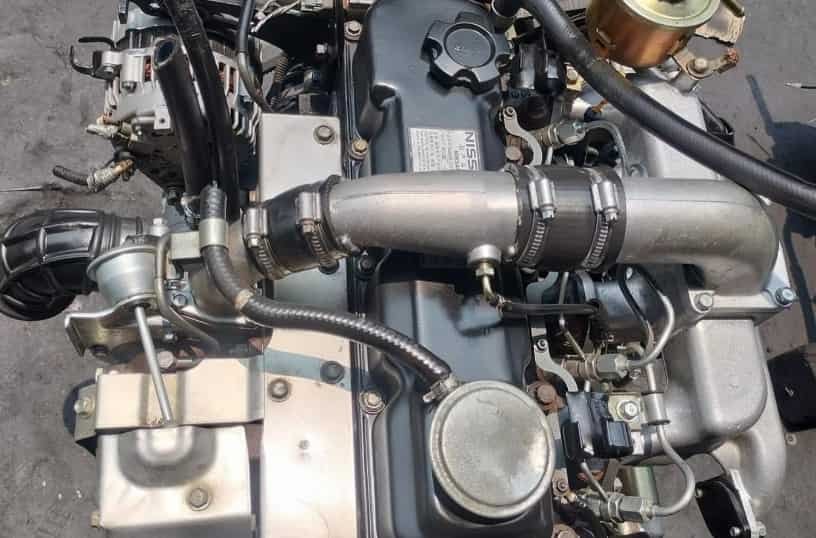
The Nissan QD32 engine is a well known diesel power unit that has been widely used in commercial vehicles and light trucks such as the Nissan Caravan, Nissan Atlas, and Nissan Terrano. It earned a strong reputation for durability, simple mechanical design, and long service life under heavy load conditions. Many owners still rely on this engine today because it can deliver consistent performance even after high mileage when properly maintained.
However, like any diesel engine, the QD32 is not completely free from issues. Over time, wear and tear, poor maintenance habits, fuel quality problems, and aging components can lead to a range of performance issues. These problems may start small, such as slight starting difficulty or increased fuel consumption, but they can gradually develop into more serious mechanical failures if ignored.
Understanding Nissan QD32 engine problems is essential for anyone who owns or plans to buy a vehicle equipped with this engine. Early detection of symptoms such as smoke from the exhaust, overheating, reduced power, or unusual engine noise can help prevent costly repairs and extend engine lifespan.
In this guide, we will break down the most common Nissan QD32 engine problems, explain their root causes, describe clear symptoms, and provide practical fixes and maintenance strategies. This will help you maintain engine reliability and avoid unnecessary breakdowns.
Overview of Nissan QD32 Diesel Engine
The Nissan QD32 is a four cylinder diesel engine. Nissan designed it for durability and strong torque output. It focuses on mechanical simplicity instead of electronic systems. This makes the engine easier to repair than modern common rail diesel engines.
Nissan installed the QD32 engine in many utility vehicles. These include the Nissan Caravan, Nissan Atlas, and Nissan Terrano. Most versions use a naturally aspirated setup. Some variants also use a turbocharger to increase power.
The engine uses a cast iron block and cylinder head. This design improves strength and heat resistance. It also helps the engine handle heavy workloads for long periods.
The QD32 delivers strong low end torque. It performs well under load, towing, and off road driving. It does not focus on high speed performance. Instead, it prioritizes stable pulling power.
Many operators still trust this engine today. It remains popular in commercial transport and rural applications.
However, most QD32 engines now have high mileage. Wear and tear naturally increases over time. Key components such as injectors, gaskets, seals, and cooling parts slowly degrade.
Poor maintenance also increases failure risk. Low quality diesel fuel can damage internal components faster. Overheating and oil degradation also reduce engine lifespan.
Most Nissan QD32 engine problems come from age and maintenance conditions. The engine design remains solid. The issues usually appear because of long term usage rather than design flaws.
Common Nissan QD32 Engine Problems
The Nissan QD32 engine develops several common problems as it gets older. Most issues come from normal wear, poor maintenance, or fuel system contamination. The engine design itself remains strong, but many supporting components gradually degrade over time. This creates performance issues that affect drivability, fuel efficiency, and reliability.
Fuel system problems are among the most frequent issues in the QD32 engine. Diesel fuel can leave deposits inside the system after long use. These deposits reduce fuel flow and affect combustion quality. A clogged fuel filter also restricts fuel delivery and causes weak engine response. In some cases, air enters the fuel line and creates unstable engine operation. Low quality or contaminated diesel fuel makes these problems worse and speeds up internal wear.
Injector problems also play a major role in engine performance loss. The QD32 uses mechanical injectors that wear out with mileage. When injectors become dirty or worn, they fail to spray fuel properly. This leads to poor combustion, rough idling, higher fuel consumption, and black smoke from the exhaust. In severe cases, the engine loses power and struggles under load.
Hard starting is another common issue, especially in cold weather. A weak battery reduces cranking speed and makes ignition difficult. Faulty glow plugs also prevent proper fuel ignition during startup. Air trapped in the fuel system or low engine compression can make the problem even worse, particularly in high mileage engines.
Overheating problems often develop when the cooling system becomes inefficient. A clogged radiator reduces coolant circulation and increases engine temperature. A failing thermostat or worn water pump also disrupts cooling performance. If overheating continues for a long time, it can damage the head gasket and lead to serious engine failure.
Nissan QD32 Hard Starting Problems
Hard starting is one of the most common issues in the Nissan QD32 engine, especially in older or high mileage vehicles. This problem usually appears when the engine takes too long to crank or fails to start smoothly. In most cases, the issue comes from a combination of electrical, fuel, and compression related factors rather than a single fault.
A weak battery is one of the first things that affects starting performance. The QD32 engine needs strong cranking power to start the diesel combustion process. When the battery loses capacity, the starter motor turns slowly and the engine struggles to reach ignition speed. A worn starter motor can also create similar symptoms and reduce overall starting efficiency.
Glow plug failure is another major cause of hard starting, especially in cold conditions. The QD32 relies on glow plugs to heat the combustion chamber before ignition. When glow plugs become weak or fail completely, diesel fuel does not burn efficiently during startup. This leads to long cranking time, rough initial combustion, and sometimes complete starting failure in low temperatures.
Fuel system issues also play a critical role in hard starting problems. Air entering the fuel line reduces fuel pressure and interrupts steady delivery to the injectors. A clogged fuel filter can also limit fuel supply and delay ignition. In some cases, a worn fuel injection pump reduces pressure and makes it harder for the engine to start consistently.
Low compression is a more serious cause and usually appears in high mileage engines. Worn piston rings or cylinder wear reduces compression pressure inside the combustion chamber. When compression drops too low, the engine struggles to ignite diesel fuel even if other systems are working correctly. This condition often leads to long term starting difficulty and reduced overall engine performance.
Nissan QD32 Overheating Problems
Overheating is a serious issue in the Nissan QD32 engine and often signals problems in the cooling system. When the engine temperature rises above normal levels, performance drops quickly and internal damage can occur if the condition continues. In most cases, overheating develops gradually due to neglected maintenance or worn cooling components.
A clogged radiator is one of the most common causes of overheating. Over time, rust, dirt, and coolant deposits reduce the radiator’s ability to transfer heat. This limits coolant circulation and causes the engine temperature to rise, especially under heavy load or long driving periods. A restricted radiator also forces the engine to work harder, which increases thermal stress.
A faulty thermostat can also trigger overheating problems. The thermostat controls coolant flow between the engine and radiator. When it sticks in a closed position, coolant cannot circulate properly. This leads to rapid temperature buildup inside the engine block. Drivers often notice sudden overheating even during normal driving conditions.
Water pump wear is another important factor. The water pump keeps coolant moving through the engine. When the impeller wears out or the pump starts leaking, coolant flow becomes weak. This reduces the cooling system’s efficiency and causes unstable engine temperature. In high mileage QD32 engines, water pump failure is very common.
Head gasket damage is one of the most severe results of prolonged overheating. When the engine runs too hot for too long, the gasket between the cylinder head and engine block can fail. This allows coolant and combustion gases to mix. It leads to white smoke, coolant loss, and severe engine performance issues. If not repaired quickly, it can cause complete engine failure.
Smoke Issues in Nissan QD32 Engine
Smoke from the exhaust is one of the clearest indicators of engine problems in the Nissan QD32. Different smoke colors point to different root causes, and each type helps identify what is happening inside the engine. Understanding these signals allows faster diagnosis and prevents further damage.
Black smoke usually indicates incomplete combustion. This happens when the engine receives too much fuel or not enough air. Dirty or faulty injectors often cause this imbalance. A clogged air filter can also restrict airflow and increase fuel richness. When combustion becomes inefficient, the engine loses power and fuel consumption increases.
White smoke often points to coolant entering the combustion chamber. This usually happens when the head gasket is damaged or the cylinder head develops cracks. In some cases, white smoke appears during cold starts, but continuous white smoke indicates a serious internal leak. The engine may also experience rough running and coolant loss at the same time.
Blue smoke indicates oil burning inside the combustion chamber. This problem often develops when piston rings become worn or when valve seals lose their sealing ability. As oil leaks into the cylinders, it burns together with fuel and creates blue tinted exhaust smoke. This condition also increases oil consumption and reduces engine efficiency over time.
In many QD32 engines, smoke issues appear gradually rather than suddenly. Early signs often include slight color changes under load or during acceleration. If ignored, these symptoms can develop into more serious mechanical failures. Proper diagnosis helps separate minor fuel system issues from major internal engine damage.
Fuel System and Injector Problems in Nissan QD32 Engine
The fuel system in the Nissan QD32 engine plays a critical role in combustion quality and overall engine performance. When this system develops issues, the engine quickly shows symptoms such as poor acceleration, rough idling, smoke, and increased fuel consumption. Most fuel related problems come from contamination, wear, or poor maintenance over time.
Fuel filter blockage is one of the most common issues. Diesel fuel often contains small impurities that accumulate inside the filter. As the filter becomes clogged, fuel flow decreases and the engine receives an inconsistent fuel supply. This leads to weak performance, hesitation during acceleration, and unstable engine operation under load.
Injectors are another key component that often causes problems in the QD32 engine. Mechanical injectors wear out after long mileage and lose their ability to spray fuel evenly. When injection becomes uneven, combustion efficiency drops. This creates symptoms such as rough idling, engine vibration, and black smoke from the exhaust. In severe cases, the engine loses power and struggles to maintain speed on inclines.
The injection pump also affects fuel delivery pressure and timing. When the pump becomes worn, it cannot maintain consistent pressure. This results in delayed injection timing and incomplete combustion. The engine may start normally but perform poorly during driving conditions, especially under heavy load.
Low quality diesel fuel accelerates all these issues. Contaminated fuel introduces water and dirt into the system, which damages injectors and internal pump components. Over time, this reduces engine reliability and increases maintenance costs. Regular fuel system cleaning and proper fuel quality management play an important role in preventing these problems and maintaining stable engine performance.
Oil Leaks and Lubrication Problems in Nissan QD32 Engine
Oil leaks are a common issue in the Nissan QD32 engine, especially in vehicles with high mileage. As the engine ages, rubber seals and gaskets lose flexibility and start to harden. This natural wear process leads to oil seepage from multiple points in the engine. Although small leaks may not seem serious at first, they can gradually reduce oil levels and increase engine wear.
The valve cover gasket is one of the most frequent leak points. When it becomes brittle, oil begins to escape from the top of the engine and spread around the cylinder head area. Drivers often notice oil stains or a burning oil smell when the leak reaches hot engine parts. This condition can also affect engine cleanliness and increase the risk of dirt buildup.
Crankshaft seals and oil pan gaskets also fail over time. When these seals wear out, oil leaks from the lower part of the engine. This type of leak is harder to detect but can lead to significant oil loss if ignored. Low oil levels reduce lubrication efficiency and increase friction between engine components.
Lubrication problems become more serious when oil pressure drops. A worn oil pump or clogged oil passages can reduce oil circulation inside the engine. When lubrication is insufficient, metal components experience higher friction and heat. This accelerates internal wear and can lead to bearing damage or engine knocking.
Poor maintenance practices also contribute to lubrication issues. Using low quality oil or delaying oil changes increases sludge buildup inside the engine. This restricts oil flow and reduces overall engine protection. Regular oil changes and proper oil grade selection are essential to maintain long term reliability and prevent serious mechanical damage.
Power Loss and Performance Decline in Nissan QD32 Engine
Power loss is a common complaint in older Nissan QD32 engines. The engine may still start and run, but it no longer delivers strong acceleration or pulling power. This issue usually develops gradually as multiple systems begin to wear at the same time. In most cases, it is not caused by a single failure but by a combination of airflow restriction, fuel delivery problems, and internal engine wear.
A restricted air intake system is one of the first causes of performance decline. When the air filter becomes clogged, the engine cannot receive enough clean air for combustion. This creates an imbalance in the air fuel ratio and reduces engine efficiency. Drivers often notice slower acceleration and reduced response, especially under load.
Turbocharger wear can also contribute to power loss in turbo equipped QD32 variants. When the turbo loses efficiency, it cannot generate proper boost pressure. This leads to weak mid range power and poor overall performance. In some cases, oil contamination inside the turbo system worsens the situation and increases smoke output.
Exhaust system blockage is another important factor. A clogged exhaust restricts gas flow and increases back pressure inside the engine. This forces the engine to work harder and reduces power output. Over time, it also increases engine temperature and fuel consumption.
Internal engine wear is the most serious cause of performance decline. Worn piston rings and cylinder walls reduce compression pressure. When compression drops, combustion becomes weak and inefficient. The engine then struggles to produce normal power levels even when all external systems are functioning correctly. This condition is common in high mileage QD32 engines and usually requires major repair work to restore performance.
Engine Noise and Knocking Issues in Nissan QD32 Engine
Unusual engine noise is a clear warning sign in the Nissan QD32 engine. When the engine begins to produce knocking, tapping, or rattling sounds, it usually indicates internal wear or incorrect combustion timing. These noises often develop gradually and become more noticeable under load or during acceleration.
Diesel knock is one of the most common sound related issues. It occurs when fuel injection timing is not optimal or when injectors deliver fuel unevenly. This leads to uneven combustion inside the cylinder. The result is a sharp knocking sound, especially during cold starts or when the engine is under stress. Poor fuel quality can also make this condition worse.
Valve clearance issues also create noticeable noise. When valve lash becomes too large, metal components start to tap against each other during engine operation. This produces a rhythmic ticking sound from the top of the engine. If the clearance is too tight, it can affect valve sealing and reduce engine efficiency over time.
Bearing wear is a more serious source of engine noise. When crankshaft or connecting rod bearings wear out, they create deeper knocking sounds that increase with engine load. This type of noise often indicates significant internal damage and requires immediate attention to prevent engine failure.
Timing chain or gear wear can also generate rattling noises. As components age, they lose precision and create vibration inside the timing system. This affects engine smoothness and can lead to incorrect valve timing if not repaired.
Engine noise should never be ignored in the QD32 engine. Early diagnosis helps identify whether the issue comes from fuel, valve adjustment, or internal mechanical wear. Quick action can prevent more severe and costly engine damage.
Diagnosis Methods for Nissan QD32 Engine Problems
Diagnosing Nissan QD32 engine problems requires a structured approach. Most issues show similar symptoms, so proper testing helps identify the real root cause. A clear diagnosis reduces repair time and avoids unnecessary part replacement.
A visual inspection is the first step in any diagnosis process. Technicians check for oil leaks, coolant leaks, loose hoses, and damaged wiring. They also inspect the air filter, fuel lines, and radiator condition. Simple visual checks often reveal early signs of mechanical or maintenance related issues.
A compression test is one of the most important diagnostic tools for the QD32 engine. This test measures cylinder pressure and helps identify internal wear. Low compression usually indicates worn piston rings, cylinder damage, or valve sealing problems. Uneven compression across cylinders also shows internal imbalance that affects engine performance.
A fuel system pressure test helps evaluate injector and injection pump performance. Low or unstable fuel pressure often points to pump wear or fuel line restrictions. This test also helps detect air leaks inside the fuel system, which can cause hard starting and unstable engine operation.
Cooling system testing is also essential when overheating issues are present. Technicians check thermostat function, radiator flow, and water pump efficiency. Poor coolant circulation usually confirms mechanical failure inside the cooling system.
In some cases, electronic diagnostics may also be used, depending on the vehicle setup. While the QD32 is mostly mechanical, certain variants still support basic diagnostic tools. Combined testing ensures accurate identification of the problem and prevents misdiagnosis.
Repair Solutions for Common Nissan QD32 Engine Problems
Repairing Nissan QD32 engine problems requires matching the solution to the exact root cause. Most issues come from wear, so fixing one system often improves overall engine performance. A correct repair approach restores reliability and helps prevent repeated failures.
Fuel system cleaning is one of the most effective repair actions. Mechanics often clean or replace clogged fuel filters to restore proper fuel flow. In cases of injector blockage, ultrasonic cleaning or full injector replacement helps improve combustion quality. This reduces smoke, improves fuel efficiency, and restores smooth engine operation.
If the injection pump shows wear, technicians may adjust timing or replace internal components. A faulty pump affects fuel pressure and leads to poor engine performance. Proper calibration helps stabilize injection timing and improves starting behavior under different conditions.
Cooling system repairs are essential when overheating occurs. A clogged radiator needs flushing or replacement to restore coolant circulation. A failing thermostat must be replaced to ensure proper temperature control. In cases of water pump failure, replacing the pump is necessary to restore full cooling efficiency and prevent engine damage.
Oil leak repairs usually involve replacing worn gaskets and seals. Valve cover gaskets, crankshaft seals, and oil pan gaskets are common repair points. Fixing leaks early helps maintain correct oil levels and protects engine components from excessive wear.
For power loss issues, technicians often replace air filters, inspect turbochargers, and check exhaust flow. Restoring proper airflow and compression significantly improves engine performance. In severe cases of internal wear, an engine overhaul may be required to fully restore power and reliability.
Preventive Maintenance for Nissan QD32 Engine
Preventive maintenance plays a key role in extending the lifespan of the Nissan QD32 engine. Most major engine problems develop slowly over time, so regular servicing helps detect issues early and avoid expensive repairs. A consistent maintenance routine keeps the engine stable, efficient, and reliable under heavy use.
Regular oil changes are one of the most important maintenance tasks. Engine oil lubricates internal components and reduces friction. When oil becomes dirty or breaks down, it loses its protective ability. Changing oil at proper intervals helps prevent sludge buildup and reduces wear on pistons, bearings, and valve components. Using the correct oil grade also improves engine performance and protection.
Fuel filter replacement is equally important for diesel engine health. Over time, the fuel filter collects dirt and contaminants from diesel fuel. A clogged filter restricts fuel flow and affects combustion quality. Replacing it on schedule ensures stable fuel delivery and reduces stress on injectors and the injection pump.
Cooling system maintenance helps prevent overheating problems. Regular coolant replacement keeps the system clean and improves heat transfer. Inspecting hoses, checking radiator condition, and ensuring proper thermostat function also help maintain stable engine temperature. A well maintained cooling system protects the engine from severe thermal damage.
Air filter maintenance improves combustion efficiency. A clean air filter ensures proper airflow into the engine. This supports better fuel combustion and reduces smoke output. Drivers who operate in dusty environments should replace air filters more frequently.
Consistent maintenance habits significantly reduce Nissan QD32 engine problems and help the engine maintain strong performance even at high mileage.
Cost of Repairing Nissan QD32 Engine Problems
The cost of repairing Nissan QD32 engine problems depends on the type of failure, engine condition, and local labor rates. Most issues start as minor maintenance problems, but costs increase significantly when drivers ignore early warning signs. Understanding repair cost levels helps owners make better maintenance decisions.
Minor repairs usually include oil changes, filter replacements, and basic tune ups. These services are relatively affordable and help prevent larger issues. Replacing air filters, fuel filters, or engine oil on time keeps the engine stable and reduces long term wear. These small maintenance tasks offer the best cost efficiency for QD32 owners.
Mid level repairs involve components like injectors, thermostats, water pumps, and gaskets. Injector cleaning or replacement can increase costs depending on condition and quality of parts used. Cooling system repairs also fall into this category, especially when the radiator or water pump needs replacement. These repairs are more expensive but still manageable compared to major engine failure.
Major repairs include engine overhaul or internal rebuild work. This happens when compression loss, severe overheating, or bearing failure occurs. An engine rebuild involves replacing piston rings, bearings, seals, and sometimes cylinder head components. This type of repair is the most expensive and often requires skilled labor and longer downtime.
Ignoring early symptoms usually leads to higher repair costs. For example, a small oil leak can turn into engine damage if oil levels drop too low. Similarly, untreated overheating can damage the head gasket and increase repair complexity. Regular maintenance always costs less than emergency repairs in the long run.
Is the Nissan QD32 Engine Still Reliable Today
The Nissan QD32 engine is still considered reliable today, especially when compared to many modern diesel engines with complex electronic systems. Its simple mechanical design gives it an advantage in durability and ease of repair. Many engines continue to operate well even after very high mileage when owners maintain them properly.
The main strength of the QD32 engine is its robust construction. Nissan built it with a cast iron block and a strong internal structure that handles heavy load conditions well. It performs consistently in commercial vehicles, rural transport, and off road applications where reliability matters more than performance speed.
However, the engine is now an aging platform. Most QD32 units in use today have already exceeded long service life. This means that wear related problems appear more frequently. Components such as injectors, seals, cooling systems, and fuel pumps gradually lose efficiency over time.
Despite these issues, the engine still offers good value for users who prioritize low maintenance complexity. It does not rely heavily on advanced electronics, which makes troubleshooting easier and cheaper compared to newer diesel engines.
The QD32 engine remains a practical choice for users who maintain it regularly. With proper servicing, it can still deliver stable performance and long operational life. However, neglected engines quickly develop multiple problems such as smoke, overheating, and power loss.
In summary, the Nissan QD32 engine is still reliable, but its condition depends heavily on maintenance history and usage intensity.
Frequently Asked Questions
Is the Nissan QD32 engine reliable?
Yes, the QD32 engine is reliable when properly maintained. It is known for durability and long service life under heavy use conditions.
What is the lifespan of a QD32 engine?
A well maintained QD32 engine can exceed 400,000 to 500,000 kilometers. Lifespan depends on maintenance quality and driving conditions.
Why does my QD32 engine produce smoke?
Smoke usually comes from injector issues, oil burning, or coolant leaks. Black, white, and blue smoke each indicate different problems.
Can QD32 engine problems be prevented?
Yes, regular oil changes, fuel filter replacement, and cooling system maintenance can prevent most common issues.
Is it expensive to repair a QD32 engine?
Minor repairs are affordable, but major engine overhauls can be costly depending on damage level.
Conclusion
The Nissan QD32 engine remains a durable and practical diesel engine even today. It continues to serve in many Nissan vehicles such as the Caravan, Atlas, and Terrano, especially in markets where reliability and easy maintenance are more important than modern electronic features. Its strong mechanical design and simple structure allow it to perform consistently under heavy load conditions.
Most Nissan QD32 engine problems do not come from design flaws. Instead, they usually develop due to age, high mileage, and lack of proper maintenance. Components such as injectors, gaskets, cooling system parts, and fuel delivery elements naturally wear out over time. When these issues are ignored, they can lead to symptoms like smoke, overheating, hard starting, and power loss.
The good news is that most of these problems can be prevented or controlled. Regular oil changes, clean fuel usage, proper cooling system maintenance, and timely replacement of filters significantly improve engine health. Early diagnosis also helps reduce repair costs and prevents small issues from turning into major failures.
In conclusion, the Nissan QD32 engine is still a reliable choice for diesel users, but only when it is properly maintained. With correct care and attention, it can continue delivering stable performance and long service life even after many years of operation.