The 2024 Nissan Rogue has quickly become one of the most talked about compact SUVs thanks to its fuel efficient 1.5 liter VC Turbo engine and modern driving technology. On paper, this engine promises an ideal balance between performance and economy, offering smooth power delivery while keeping fuel consumption low for everyday driving.
However, many owners and potential buyers are now paying closer attention to how this engine performs in real world conditions. As with many small turbocharged engines, long term reliability depends heavily on driving habits, maintenance routines, and operating environments. This has led to growing interest in understanding the most common Nissan Rogue 2024 Engine Problems and whether they are serious or manageable over time.
In this guide, we will break down the most frequently reported engine issues, the symptoms you should watch for, and the real causes behind them. You will also learn how much repairs may cost, how to diagnose early warning signs, and what steps you can take to prevent long term damage. The goal is to give you a clear and practical understanding of the engine so you can make confident ownership or buying decisions based on facts rather than assumptions.
Overview of the 2024 Nissan Rogue Engine
The 2024 Nissan Rogue comes with a 1.5 liter VC Turbo three cylinder engine. Nissan designed this engine to improve fuel efficiency while still delivering solid everyday performance. The system uses Variable Compression Turbo technology, which actively changes the engine’s compression ratio based on driving conditions.
When you drive at steady speeds, the engine prioritizes fuel economy. When you need more power, it shifts toward higher performance output. A turbocharger supports this system by increasing air intake pressure. This helps the small engine produce power similar to larger displacement engines.
This design allows the 2024 Rogue to achieve strong fuel economy ratings. It also maintains smooth acceleration for city driving and highway use. Many drivers appreciate this balance between efficiency and usability.
However, the VC Turbo system adds complexity compared to traditional engines. The engine constantly adjusts compression and relies heavily on electronic control systems. This makes it more sensitive to fuel quality, maintenance habits, and driving conditions.
In real world use, the engine performs well during normal commuting. Drivers often notice smooth operation at low and medium speeds. However, performance can feel different during rapid acceleration or uphill driving. In these situations, the turbo system works harder to deliver power.
These characteristics explain why discussions around Nissan Rogue 2024 Engine Problems have increased. The engine is not inherently unreliable, but it requires proper maintenance and correct usage. Understanding how this system works helps drivers set realistic expectations and avoid misinterpreting normal behavior as engine failure.
Common Nissan Rogue 2024 Engine Problems
One of the most frequently reported issues in the 2024 Nissan Rogue is excessive oil consumption. Some drivers notice that the engine oil level drops faster than expected between scheduled oil changes. This often happens because turbocharged engines operate under higher heat and pressure. Driving habits such as frequent short trips or heavy stop and go traffic can also increase oil usage. If drivers ignore low oil levels, internal engine components may experience higher wear over time.
Turbocharger performance issues also appear in some cases. Drivers may feel delayed acceleration or reduced power during highway merging or uphill driving. This usually happens when the turbo system struggles to deliver instant boost under sudden load. In many situations, the engine is not failing, but it is adjusting airflow and pressure to match demand, which can feel like hesitation.
Engine knocking is another concern reported by some owners. This sound often occurs under heavy acceleration or when fuel quality is inconsistent. Low octane fuel or delayed combustion timing can trigger this condition. If knocking becomes frequent, it may indicate a need for inspection of the ignition system or fuel delivery system.
Rough idle and vibration can also occur, especially when the engine is cold or when the air fuel mixture is not balanced. Faulty sensors or minor fuel injection inconsistencies often contribute to this behavior. Drivers usually notice this issue when the vehicle is stopped at a traffic light or idling in park mode.
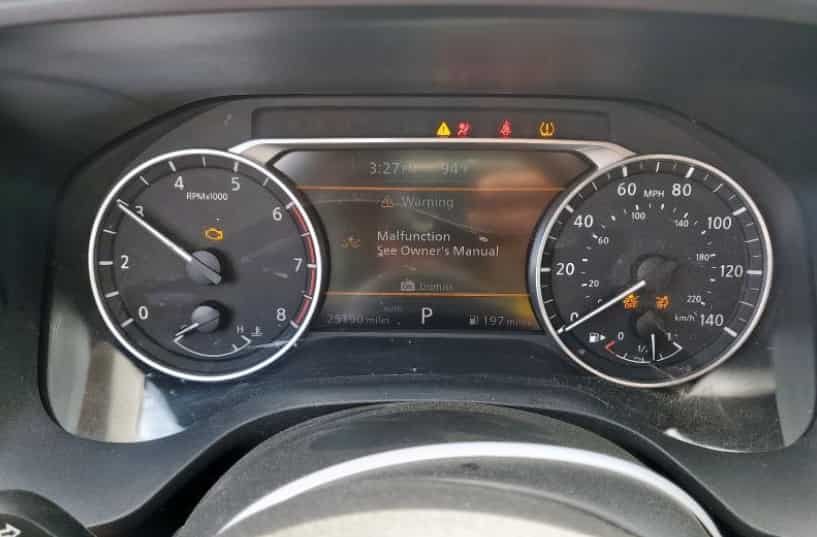
The check engine light is another common trigger that brings owners to service centers. In many cases, diagnostic scans show sensor related issues such as oxygen sensor errors or misfire codes. While these issues are not always severe, they should be checked early to prevent further complications.
Some drivers also report occasional engine overheating under heavy load or hot weather conditions. This can happen when the cooling system works at maximum capacity for long periods. If coolant levels are low or the thermostat does not function properly, temperatures may rise faster than normal.
Fuel injector problems may develop over time. When injectors become partially clogged, fuel delivery becomes uneven. This can reduce engine performance and increase fuel consumption. Poor fuel quality and long maintenance intervals often contribute to this issue.
Finally, the variable compression system itself adds mechanical complexity. While it improves efficiency, it also introduces more moving parts that require precise calibration. Over time, this complexity can increase sensitivity to maintenance quality and driving conditions.
Key Symptoms Drivers Should Watch For
Drivers should pay close attention to reduced acceleration response in the 2024 Nissan Rogue. This symptom often appears when the vehicle feels slower than usual during highway merging or overtaking. In many cases, the engine still works, but the turbo system takes longer to deliver power under sudden demand. This change in response can signal early efficiency or airflow imbalance issues.
Unusual engine noises are another important warning sign. Drivers may hear knocking, ticking, or light rattling sounds during acceleration or cold starts. These noises often relate to combustion timing, fuel quality, or lubrication conditions inside the engine. When these sounds become frequent, they may indicate that the engine needs inspection.
Increased fuel consumption can also signal an underlying problem. If the vehicle starts using more fuel than usual under the same driving conditions, the engine may not be operating efficiently. This can happen due to sensor inaccuracies, fuel injector issues, or combustion inefficiency.
Warning lights on the dashboard are also critical indicators. The check engine light or service alerts often appear when the Engine Control Module detects abnormal readings. These alerts may relate to oxygen sensors, misfire detection, or emission system performance. Even if the vehicle still drives normally, these warnings should not be ignored.
Smoke or unusual odors from the exhaust represent more serious symptoms. Blue or gray smoke may indicate oil burning inside the engine. A strong fuel smell may suggest incomplete combustion. These signs usually require immediate diagnostic attention to prevent further engine damage.
Overall, these symptoms do not always mean engine failure. However, they help drivers identify early warning signs before small issues develop into expensive repairs. Recognizing these patterns early is important for maintaining long term engine health.
Root Causes of Nissan Rogue 2024 Engine Problems
Most Nissan Rogue 2024 engine problems come from a combination of design complexity and real world driving conditions. The 1.5 liter VC Turbo engine operates under high pressure because it is small in size but expected to deliver strong performance. This creates natural stress on internal components, especially during fast acceleration or heavy load driving.
The variable compression system adds another layer of mechanical complexity. It constantly adjusts internal geometry to balance power and efficiency. While this improves fuel economy, it also requires precise coordination between mechanical parts and electronic control systems. Even small deviations in calibration or wear can affect smooth engine operation over time.
Oil quality and maintenance habits play a major role in engine health. Turbocharged engines generate higher heat, which increases the demand for clean and stable engine oil. When oil changes are delayed or low quality oil is used, friction increases inside the engine. This can lead to faster wear and reduced long term reliability.
Sensor dependency is another important factor. The engine relies heavily on data from multiple sensors to control fuel injection, air intake, and ignition timing. If even one sensor provides inaccurate readings, the system may adjust performance in ways that drivers feel as hesitation or rough operation.
Driving conditions also influence engine behavior. Frequent short trips do not allow the engine to reach optimal operating temperature. Stop and go traffic and aggressive acceleration increase turbo workload and heat buildup. Over time, these conditions can contribute to earlier wear compared to consistent highway driving.
In most cases, these issues do not point to immediate engine failure. Instead, they reflect how sensitive modern turbocharged systems are to maintenance and usage patterns. Understanding these root causes helps drivers prevent unnecessary repairs and maintain stable engine performance.
Engine Diagnosis Process
Diagnosing Nissan Rogue 2024 engine problems starts with identifying clear symptoms and confirming them with proper tools. The most common first step is using an OBD2 scanner. This device connects to the vehicle’s Engine Control Module and reads stored error codes. These codes help identify issues related to sensors, ignition, fuel delivery, or emissions systems.
After scanning, a visual inspection provides additional information. Mechanics check for oil leaks, loose connections, worn hoses, or visible damage around the turbo system and intake components. This step helps detect physical issues that electronic diagnostics cannot always reveal.
Oil and fluid condition also play an important role in diagnosis. Technicians often check oil level, oil quality, and contamination signs. Dirty or degraded oil can indicate delayed maintenance or internal engine stress. Coolant condition is also inspected to ensure the engine is not at risk of overheating.
A road test is used to evaluate real driving behavior. During this test, technicians observe how the engine responds under different conditions such as idle, acceleration, and highway speeds. They also monitor turbo response and engine smoothness under load.
In some cases, advanced diagnostics may be required. This can include live sensor data analysis to track fuel injection timing, air intake pressure, and ignition performance in real time. This data helps identify inconsistencies that may not trigger a warning light but still affect engine performance.
By combining electronic scanning, physical inspection, fluid analysis, and road testing, technicians can accurately identify the root cause of most engine issues. This structured process helps avoid unnecessary repairs and ensures that the correct problem is addressed from the beginning.
Repair Costs and Ownership Expenses
Repair costs for Nissan Rogue 2024 engine problems vary widely depending on the severity of the issue. Minor repairs are usually the most common and the least expensive. These include sensor replacements, software updates, or simple recalibration of engine components. In most cases, these repairs are completed quickly and do not require extensive labor.
Turbocharger related repairs are significantly more expensive. The turbo system is a critical part of the 1.5 liter VC Turbo engine, and replacing or repairing it requires specialized labor and parts. When turbo issues occur, the cost increases because the system is tightly integrated with other engine components.
Fuel system repairs, such as cleaning or replacing fuel injectors, fall into a moderate cost range. Clogged injectors can reduce performance and increase fuel consumption, so addressing this issue early can help avoid more serious damage. Maintenance quality and fuel type often influence how frequently these repairs are needed.
More serious engine problems, such as internal component damage or full engine failure, are rare but costly. In these cases, the repair may involve partial engine rebuild or complete engine replacement. These situations usually happen only when early warning signs are ignored for an extended period.
Overall ownership expenses depend heavily on maintenance habits. Drivers who follow regular service schedules and use high quality fluids typically experience fewer unexpected repair costs. On the other hand, delayed maintenance or aggressive driving conditions can significantly increase long term expenses.
Understanding these potential costs helps owners and buyers make more informed decisions about long term ownership. It also highlights the importance of preventive maintenance in reducing the risk of expensive engine repairs.
Reliability Analysis and Owner Feedback
Owners describe the 2024 Nissan Rogue engine in mixed terms because real world performance depends heavily on driving style and maintenance habits. Many drivers report smooth operation during daily commuting. They value its fuel efficiency, quiet engine sound, and stable performance in normal traffic conditions.
Some owners also report concerns when they use the vehicle under heavier conditions. These concerns usually appear when drivers push the engine with frequent acceleration, long uphill driving, or inconsistent maintenance routines. In these situations, drivers may notice reduced responsiveness or small performance fluctuations.
Compared to older Rogue models, the 2024 version improves fuel efficiency and power delivery. Nissan added more advanced technology to achieve this result. This improvement also increases system complexity, which requires more attention to maintenance quality and fuel standards.
Owner feedback shows that many reported issues come from interpretation rather than actual engine failure. Some drivers notice turbo lag or adaptive power changes and assume the engine has a problem. In reality, the system adjusts performance to balance efficiency and power demand.
Reliability strongly depends on how owners maintain and use the vehicle. Drivers who follow regular service schedules and use proper oil and fuel quality report fewer issues. Drivers who delay maintenance or drive aggressively experience more performance inconsistencies over time.
This engine performs best when owners understand its design. It rewards proper care and stable driving habits. It also reacts quickly to poor maintenance, which can create the impression of reliability issues even when no mechanical failure exists.
Warranty and Recall Information
The 2024 Nissan Rogue comes with a standard factory warranty that covers the engine and powertrain for a specific time period and mileage limit. This warranty protects owners from manufacturing defects and certain mechanical failures during early ownership. Drivers can use this coverage by visiting authorized Nissan dealerships, where technicians inspect the vehicle and confirm whether repairs fall under warranty terms.
Nissan also uses technical service bulletins to address known issues that do not always require a formal recall. These bulletins often include software updates, recalibration procedures, or inspection guidelines that improve engine performance and reduce minor irregularities. Dealerships apply these updates during scheduled maintenance visits, which helps keep the engine operating within factory specifications.
In some cases, regulatory agencies or Nissan may issue recalls if they detect safety related defects or compliance problems. These recalls may involve engine components, emissions systems, or electronic control modules. When a recall is announced, owners receive notifications and can check their vehicle status using the Vehicle Identification Number through official Nissan channels or dealership support.
Owners should regularly monitor recall and warranty updates to ensure their vehicle remains in compliance and receives necessary improvements. Early action helps prevent small issues from developing into more serious engine problems. It also ensures that the vehicle benefits from the latest factory fixes and performance enhancements.
Overall, warranty and recall programs play an important role in protecting owners and maintaining long term engine reliability. They provide a safety net that reduces repair costs and supports proper vehicle performance throughout the ownership period.
Prevention and Maintenance Strategy
Preventing Nissan Rogue 2024 engine problems depends mainly on consistent maintenance and correct driving habits. Regular oil changes play the most important role because the 1.5 liter VC Turbo engine operates under high heat and pressure. Clean oil reduces friction inside the engine and protects turbo components from early wear. Drivers should follow the manufacturer’s recommended service intervals and avoid extending oil change periods.
Proper warm up behavior also helps protect the engine. Drivers should allow the engine to reach stable operating temperature before applying strong acceleration. This practice reduces stress on the turbo system and improves long term durability. After long highway or high load driving, it also helps to let the engine idle briefly before shutting it off, which supports turbo cooling.
Fuel quality directly affects engine performance and combustion stability. Using the recommended fuel grade helps reduce knocking and keeps combustion consistent. Poor quality fuel can lead to carbon buildup inside fuel injectors and reduce engine efficiency over time. This also increases the chance of rough idle and performance fluctuations.
Cooling system care is another key factor in prevention. Drivers should regularly check coolant levels and ensure the system maintains proper temperature control. A stable cooling system prevents overheating, especially during hot weather or heavy traffic conditions.
Finally, smooth driving habits significantly reduce engine stress. Gradual acceleration and steady speed driving help the turbo system operate more efficiently. Frequent hard acceleration or aggressive driving increases wear and can shorten engine lifespan. When owners combine proper maintenance with careful driving, they reduce most common engine risks and improve long term reliability.
Should You Be Concerned About Buying the 2024 Nissan Rogue
The 2024 Nissan Rogue offers strong fuel efficiency, modern technology, and a comfortable driving experience. The 1.5 liter VC Turbo engine delivers smooth performance in most daily driving situations. Many buyers choose this model because it reduces fuel costs while still providing enough power for city and highway use.
New buyers can generally feel confident if they understand how the engine works. The vehicle performs well when drivers follow proper maintenance schedules and use the recommended fuel and oil. In normal conditions, the engine provides stable operation and efficient fuel consumption.
Used car buyers need to pay closer attention to maintenance history. A well maintained 2024 Rogue will likely deliver reliable performance over time. However, a poorly maintained vehicle may show early signs of engine stress such as rough idle, reduced acceleration, or higher oil consumption. A full inspection before purchase helps reduce risk and avoid unexpected repair costs.
It is also important to understand that most Nissan Rogue 2024 engine problems do not appear as sudden failures. Instead, they develop gradually when maintenance is ignored or when the vehicle is driven under harsh conditions. This makes ownership more about prevention than reaction.
Overall, the 2024 Rogue is not considered a high risk vehicle when properly maintained. It suits drivers who follow regular service routines and drive in a balanced way. Buyers who understand its turbocharged design can make a more informed decision and avoid misinterpreting normal engine behavior as a defect.
Frequently Asked Questions
The 2024 Nissan Rogue engine performs well in most daily driving conditions when owners follow proper maintenance. Its reliability depends strongly on oil quality, driving habits, and service consistency.
Many drivers ask about the most common engine issues. The most reported concerns include oil consumption, turbo lag, rough idle, and occasional sensor related warning lights. These issues often appear under specific conditions rather than as constant failures.
Another common question involves engine lifespan. The VC Turbo engine can last for many years when owners maintain it correctly. Regular oil changes, proper fuel use, and careful driving behavior help extend engine life and reduce long term wear.
Repair costs vary based on the issue. Small problems such as sensor replacements or software updates usually remain affordable. More complex repairs involving the turbo system or internal engine components can become expensive, especially if drivers delay maintenance.
Some owners also ask whether the engine is reliable for long term use. The answer depends on maintenance quality. The engine performs efficiently and smoothly when properly cared for, but it reacts quickly to poor maintenance habits or aggressive driving patterns.
Conclusion
The 2024 Nissan Rogue engine combines modern VC Turbo technology with a strong focus on fuel efficiency and everyday usability. It delivers smooth performance in most driving conditions and helps drivers reduce fuel costs without sacrificing comfort. For many users, this makes the Rogue an attractive choice in the compact SUV segment.
However, this engine also depends heavily on proper maintenance and driving behavior. Most Nissan Rogue 2024 engine problems do not come from sudden mechanical failure. They usually develop gradually when oil changes are delayed, fuel quality is poor, or the vehicle is driven under constant stress such as heavy traffic or frequent hard acceleration. Because of this, the engine responds strongly to how well it is maintained.
Drivers who follow regular service schedules, use the correct fuel and oil, and adopt smooth driving habits usually experience stable and reliable performance. On the other hand, neglecting maintenance can lead to symptoms such as rough idle, reduced power, or increased oil consumption over time.
Overall, the 2024 Nissan Rogue is not an unreliable vehicle, but it is a maintenance sensitive one. Understanding how the engine works and what it needs helps owners avoid unnecessary problems and long term repair costs. With the right care, this engine can provide a balanced combination of efficiency, comfort, and long term usability.