When a driver feels the steering wheel shake while braking, it often causes immediate concern. This issue is known as Nissan Brake Shake. It usually appears when the car slows down at medium or high speeds. Instead of a smooth stop, the driver feels vibration through the steering wheel or brake pedal. In some cases, the entire car body may shake slightly.
Many drivers find this feeling unusual and unsafe. It often reduces confidence, especially on highways or during sudden braking. The issue does not come from one single failure. It usually comes from several mechanical problems working together in the braking system or suspension system.
Most cases of Nissan Brake Shake come from uneven brake rotors, worn brake pads, wheel imbalance, or suspension wear. These parts must work together in a balanced way. When one part fails to perform correctly, vibration spreads through the vehicle. The driver then feels it as shaking during braking.
This issue matters because it affects both safety and comfort. If the driver ignores early symptoms, the problem can become worse over time. It may lead to longer braking distance and higher repair costs.
This article explains Nissan Brake Shake in detail. It covers the main causes, common symptoms, and practical repair solutions. You will also learn how to diagnose the issue and prevent it in the future.
What Is Nissan Brake Shake?
Nissan Brake Shake is a vibration problem that happens when a Nissan vehicle slows down. The driver feels shaking through the steering wheel, brake pedal, or vehicle body. This issue becomes more noticeable at medium or high speeds, especially during steady or hard braking.
This condition does not come from normal braking behavior. It signals that one or more components in the braking system or suspension system are not working evenly. When braking force is not distributed in a smooth way, the car produces vibration instead of stable deceleration.
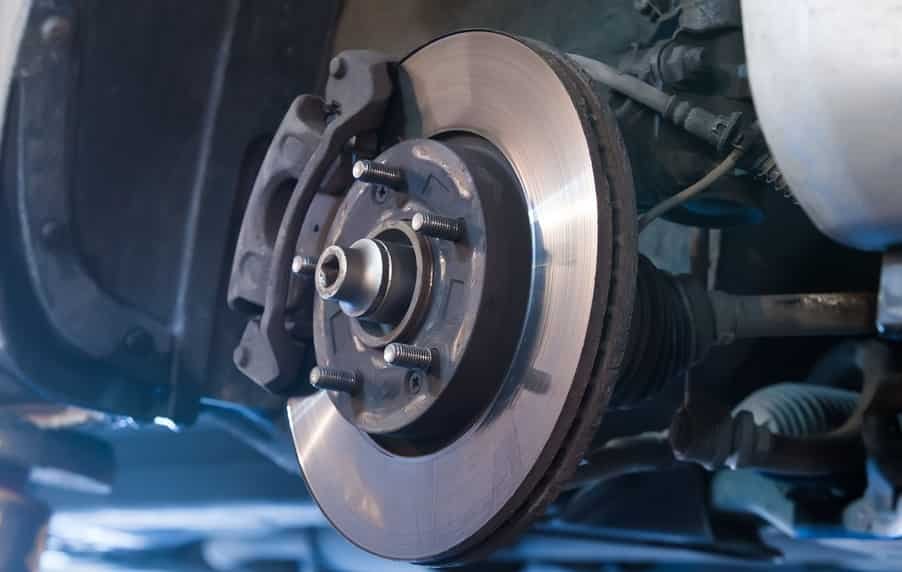
In most cases, Nissan Brake Shake connects to brake rotors. A rotor can develop uneven surfaces due to heat buildup or long-term wear. When brake pads press against an uneven rotor, the contact becomes inconsistent. This creates a pulsating force that travels through the braking system and reaches the steering wheel.
Other components also contribute to the issue. Brake pads can wear unevenly and reduce friction balance. Wheel imbalance can increase vibration during deceleration. Suspension parts such as bushings or control arms can amplify the shaking effect when they lose stability.
Nissan Brake Shake often appears gradually. At first, the driver may notice a slight vibration only during stronger braking. Over time, the vibration becomes more obvious and easier to feel even at lower speeds.
Understanding this issue helps drivers identify early warning signs before the condition becomes serious. It also helps separate normal road feedback from actual mechanical problems that require repair.
Main Causes of Nissan Brake Shake
Nissan Brake Shake usually develops from several mechanical issues inside the braking system or suspension system. These issues build up gradually as components wear down or lose balance over time. When the braking force is no longer distributed evenly, the vehicle starts to produce vibration during deceleration instead of a smooth and stable stop. Understanding the main causes helps drivers identify the problem early and avoid unnecessary repairs or safety risks.
One of the most common causes is warped brake rotors. Brake rotors are exposed to high heat every time the driver applies the brakes. Repeated heating and cooling cycles can cause the rotor surface to become uneven. When brake pads press against this uneven surface, the contact becomes inconsistent. This creates vibration that travels through the steering wheel and brake pedal, especially at medium to high speeds.
Uneven or worn brake pads also contribute to Nissan Brake Shake. When brake pads wear unevenly, they cannot apply uniform pressure across the rotor surface. Some areas create stronger friction than others, which leads to a pulsing or shaking sensation during braking. This issue often becomes more noticeable when the driver brakes harder or drives downhill.
Wheel imbalance and tire issues can also increase vibration. If a wheel has uneven weight distribution, it produces small vibrations during rotation. These vibrations become stronger when braking because the braking force amplifies existing instability. In addition, worn tires, incorrect tire pressure, or flat spots can make the shaking more severe.
Suspension wear is another important factor. Components such as control arms, bushings, and ball joints help absorb road impact and stabilize the vehicle. When these parts wear out, they lose their ability to reduce vibration. As a result, even small braking forces can create noticeable shaking inside the cabin. In some cases, a sticking brake caliper can also cause uneven braking pressure, which leads to additional vibration and reduced driving stability.
Symptoms of Nissan Brake Shake
Nissan Brake Shake shows clear and noticeable symptoms that drivers can often feel during everyday driving. The most common sign is a vibration in the steering wheel when the driver applies the brakes. This vibration usually becomes stronger at medium or high speeds, especially when slowing down on highways or approaching traffic lights. The steering wheel may feel unstable, as if it is gently shaking left and right even though the road is straight.
Another frequent symptom is brake pedal pulsation. When pressing the brake pedal, the driver may feel a rhythmic pushing or pulsing feedback. This happens because the braking force is not applied evenly across the brake rotors. As a result, the pedal does not feel smooth and consistent. In more advanced cases, the vibration can also be felt through the floor or seat, indicating that the issue affects the entire vehicle system, not just the front wheels.
Drivers may also notice that the car takes longer to stop than usual. This happens when braking efficiency drops due to uneven contact between brake pads and rotors. In some situations, the vehicle may slightly shake or wobble forward during deceleration, which creates an uncomfortable and unsafe driving experience.
Noise is another important symptom. Affected vehicles may produce squealing, grinding, or low rumbling sounds during braking. These noises often appear when brake components wear unevenly or when metal parts make irregular contact. In addition, some drivers report that the car feels less stable when braking on slopes or uneven roads.
Recognizing these symptoms early is important because Nissan Brake Shake rarely disappears on its own. It usually becomes more severe over time if the underlying mechanical issues are not repaired. Early detection helps reduce repair costs and improves overall driving safety.
How to Diagnose Nissan Brake Shake
Diagnosing Nissan Brake Shake requires a clear and structured approach. This diagnostic process helps identify whether the vibration comes from the braking system, tires, or suspension components. A correct diagnosis prevents unnecessary part replacements and ensures mechanics fix the real problem at its source.
Start by testing the vehicle at different speeds. Drive the car on a safe, straight road and apply the brakes at around 40 km/h, 60 km/h, and 80 km/h. Pay attention to when the vibration starts and how strong it becomes. If the shaking increases with speed, brake rotors or wheel imbalance often cause the problem. If the vibration appears even at low speeds, inspect the suspension as well.
Next, observe where you feel the vibration. If the steering wheel shakes, the front brake rotors or front wheels usually cause the issue. If you feel the vibration through the seat or floor, the rear brakes or suspension components may be causing the problem. This observation helps narrow down the affected area.
Inspect the brake rotors carefully. Look for uneven wear, discoloration, scoring, or grooves on the rotor surface. Warped rotors often develop uneven surfaces that create vibration during braking.
Check the wheel balance and inspect the tires for proper pressure, uneven tread wear, and flat spots. An imbalanced wheel can produce vibration that becomes more noticeable while braking.
Finally, inspect suspension components such as control arms, bushings, and ball joints. Worn suspension parts allow excessive wheel movement, which can amplify brake vibration. A mechanic can perform a physical inspection to detect looseness or instability if needed.
How to Fix Nissan Brake Shake
Fixing Nissan Brake Shake depends on the underlying cause of the vibration. Some minor issues can be addressed with basic maintenance, while more serious brake or suspension problems require professional repair. Identifying the root cause before replacing parts can save both time and money.
If the brake rotors have light surface deposits or uneven pad material, start by cleaning the braking system and performing several controlled braking cycles. This process may help restore even contact between the brake pads and rotors. However, if the rotors are warped, deeply scored, or worn below the manufacturer’s minimum thickness, replace them instead of attempting temporary repairs.
Brake pads should also be inspected carefully. Replace worn or unevenly worn pads with high-quality components that match Nissan’s specifications. When installing new brake pads, many technicians recommend replacing or resurfacing the brake rotors at the same time. This ensures proper contact between the new pads and the rotor surface and helps prevent future vibration.
Wheel and tire maintenance is another important step. Balance all four wheels, check tire pressure, and inspect the tires for uneven wear or damage. Rotate the tires if necessary and perform a wheel alignment when the vehicle pulls to one side or the tires show irregular wear patterns.
If the vibration continues after servicing the brakes, inspect the suspension and steering system. Replace worn control arm bushings, ball joints, tie rod ends, or wheel bearings that allow excessive movement. These components directly affect braking stability and can make brake shake more noticeable.
For vehicles equipped with anti-lock braking systems (ABS), scan the system for diagnostic trouble codes if the ABS warning light is on. Although ABS does not usually cause brake shake by itself, faulty sensors or related components can affect braking performance and should be repaired promptly.
After completing any repair, perform a road test under safe driving conditions. Apply the brakes at different speeds to confirm that the vibration has disappeared and that the braking system operates smoothly. If the problem remains, have the vehicle inspected by a qualified Nissan technician to identify less common causes.
Regular maintenance is the best way to prevent Nissan Brake Shake from returning. Inspect the braking system during routine service, replace brake components before they become excessively worn, and avoid aggressive braking whenever possible. Proper maintenance not only extends the life of the braking system but also improves driving safety and overall vehicle performance.
How to Prevent Nissan Brake Shake
Preventing Nissan Brake Shake is much easier and less expensive than repairing it after the problem develops. Regular maintenance, proper driving habits, and timely replacement of worn components can significantly reduce the risk of brake vibration.
One of the most effective preventive measures is to inspect the braking system during routine maintenance. Check the brake pads, brake rotors, and brake fluid according to Nissan’s recommended service intervals. Replacing worn brake pads before they become excessively thin helps protect the rotors from uneven wear and overheating.
Drivers should also avoid aggressive braking whenever possible. Repeated hard braking, especially at high speeds or while driving downhill, generates excessive heat that can cause brake rotors to develop uneven thickness or surface distortion. Maintaining a safe following distance allows for smoother and more controlled braking, reducing stress on the entire braking system.
Keeping the wheels properly balanced and aligned is another important step. Unbalanced wheels and poor wheel alignment increase vibration throughout the suspension system and may accelerate brake component wear. Tire pressure should also be checked regularly because underinflated or overinflated tires can affect braking performance and vehicle stability.
Using high-quality replacement parts also plays a key role in preventing future brake problems. Choose brake pads and rotors that meet Nissan’s specifications instead of low-quality aftermarket components. Premium parts generally provide more consistent braking performance, better heat resistance, and longer service life.
Regular suspension inspections help prevent brake shake as well. Components such as control arm bushings, ball joints, tie rod ends, and wheel bearings naturally wear over time. Replacing these parts before excessive play develops helps keep the wheels stable during braking and reduces unnecessary vibration.
Finally, pay attention to early warning signs. If you notice slight steering wheel vibration, brake pedal pulsation, unusual noises, or reduced braking performance, inspect the vehicle as soon as possible. Addressing minor issues early often prevents more expensive repairs and helps maintain safe, reliable braking.
With consistent maintenance and careful driving habits, most Nissan owners can significantly reduce the likelihood of experiencing Brake Shake and extend the lifespan of their vehicle’s braking system.
Frequently Asked Questions (FAQ) About Nissan Brake Shake
What causes Nissan Brake Shake?
The most common causes of Nissan Brake Shake include warped brake rotors, uneven brake pad wear, wheel imbalance, worn suspension components, and damaged wheel bearings. Excessive heat from repeated hard braking can also cause the brake rotors to develop uneven thickness, leading to vibration during braking.
Is Nissan Brake Shake dangerous?
Yes. While mild brake vibration may not cause an immediate safety risk, it often indicates an underlying mechanical problem that can worsen over time. Ignoring Brake Shake may reduce braking performance, increase stopping distance, and accelerate wear on other brake and suspension components.
Can worn brake pads cause Brake Shake?
Yes. Unevenly worn or low-quality brake pads can create inconsistent contact with the brake rotors, resulting in vibration and brake pedal pulsation. Replacing worn brake pads early helps prevent additional damage to the rotors.
Do I need to replace the brake rotors if my Nissan shakes when braking?
Not always. If the brake rotors only have minor surface deposits, cleaning or resurfacing may solve the problem. However, rotors that are warped, deeply scored, cracked, or below the manufacturer’s minimum thickness should be replaced to restore safe braking performance.
Can unbalanced wheels cause Brake Shake?
Yes. Wheel imbalance can create vibration that becomes more noticeable while braking, especially at higher speeds. Although unbalanced wheels are not always the primary cause of Brake Shake, balancing the wheels is an important part of diagnosing the issue.
Which Nissan models commonly experience Brake Shake?
Brake Shake can occur on many Nissan models, including the Nissan Altima, Nissan Rogue, Nissan Sentra, Nissan Pathfinder, and Nissan Murano. The issue is not limited to one specific model and usually depends on driving habits, maintenance history, and brake component condition.
How much does it cost to fix Nissan Brake Shake?
The repair cost depends on the underlying cause. Replacing brake pads is usually the least expensive repair, while replacing brake rotors, suspension components, or wheel bearings increases the total cost. A professional inspection is the best way to determine the exact repair required.
Can I continue driving if my Nissan has Brake Shake?
It is possible to drive with mild brake vibration for a short period, but it is not recommended. Continuing to drive without diagnosing the problem may worsen brake damage and reduce vehicle safety. If the vibration becomes severe or braking performance decreases, have the vehicle inspected immediately.
How can I prevent Nissan Brake Shake?
Regular brake inspections, timely replacement of worn brake pads, proper wheel balancing, routine wheel alignment, and avoiding repeated hard braking can all help prevent Brake Shake. Following Nissan’s recommended maintenance schedule also reduces the risk of brake-related problems.
Will Brake Shake go away on its own?
No. Brake Shake rarely disappears without repair. In most cases, the vibration gradually becomes worse as brake or suspension components continue to wear. Early diagnosis and repair help prevent more extensive damage and improve overall driving safety.
Conclusion
Nissan Brake Shake is a common braking issue that often begins with a slight vibration but can develop into a more serious safety concern if left untreated. Whether the problem is caused by warped brake rotors, worn brake pads, unbalanced wheels, or damaged suspension components, identifying the root cause is essential for an effective repair.
Understanding the symptoms, performing a proper diagnosis, and addressing the issue early can help restore smooth braking performance while preventing unnecessary wear on other vehicle components. In many cases, routine maintenance and responsible driving habits are enough to reduce the risk of Brake Shake and extend the lifespan of the braking system.
If your Nissan vibrates when braking, do not ignore the warning signs. Inspect the brake system, check the wheels and suspension, and replace worn components as needed. When the source of the problem is unclear, consult a qualified technician to ensure the vehicle is repaired correctly and safely.
By following the maintenance tips and repair recommendations outlined in this guide, you can improve braking performance, enhance driving comfort, and keep your Nissan operating safely for years to come.