
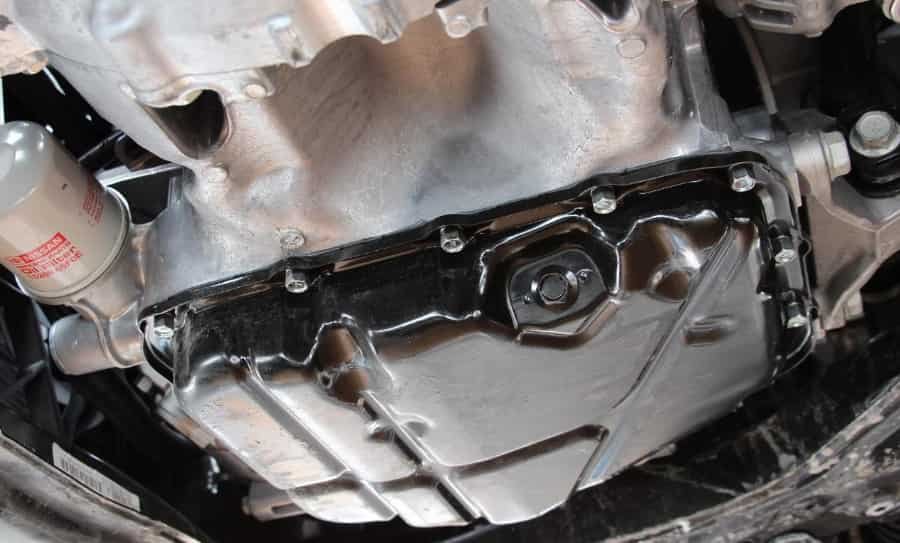
Finding the Nissan Altima oil filter location is one of the first steps to completing a successful oil change. Although replacing engine oil is considered routine maintenance, many owners struggle to locate the oil filter because its position varies depending on the model year and engine type. Whether you drive an older Altima with the reliable QR25DE engine, a V6 model equipped with the VQ35DE, or a newer generation featuring the advanced VC Turbo engine, knowing exactly where the oil filter is located can save time, reduce frustration, and help prevent costly mistakes.
This complete guide explains the Nissan Altima oil filter location for every major generation. You will learn where to find the filter, how to access it safely, and what to expect before beginning an oil change. The article also covers engine specific differences, recommended tools, oil filter replacement tips, and common problems that drivers encounter during routine maintenance.
Regular oil and filter replacement is essential for keeping your engine clean and properly lubricated. A clean oil filter removes contaminants from the engine oil before they circulate through critical components. Replacing the filter at the recommended service interval helps improve engine performance, supports fuel efficiency, and extends the life of your Nissan Altima.
Whether you are performing your first DIY oil change or looking for accurate information before servicing your vehicle, this guide provides everything you need to locate the oil filter quickly and complete the job with confidence.
Where Is the Oil Filter Located on a Nissan Altima?
The Nissan Altima oil filter location changes with the model year and engine type. Most Altima models place the oil filter on the lower side of the engine near the oil pan. You can usually access it from underneath the vehicle instead of through the engine bay. This location allows the engine to circulate oil efficiently and makes routine maintenance easier.
Many Nissan Altima models include an engine splash shield beneath the engine. This cover protects important components from dirt, water, and road debris. Before removing the oil filter, check whether the shield blocks your access. If it does, remove the fasteners and lower the cover carefully. Once you remove the shield, the oil filter becomes easy to identify.
The engine also determines the exact oil filter location. The 2.5 liter engine places the filter in a different position than the 3.5 liter V6. Newer VC Turbo engines use a more compact layout, so the surrounding components leave less working space. Even so, you can still reach the filter with standard hand tools.
Look for a small cylindrical filter attached to the engine block or the oil filter mounting base. Do not confuse it with the oil drain plug. The drain plug sits on the oil pan and releases old engine oil, while the oil filter removes harmful contaminants from the lubrication system.
Before replacing the filter, confirm that the new part matches your Nissan Altima model and engine. Using the correct oil filter helps maintain proper oil pressure, prevents leaks, and supports long term engine performance. Once you locate the filter, the rest of the oil change becomes much simpler.
Nissan Altima Oil Filter Location by Model Year
Finding the correct Nissan Altima oil filter location becomes much easier when you know your vehicle’s model year. Nissan has updated the Altima several times, and each generation features a different engine layout. Although the oil filter serves the same purpose, its exact position and accessibility can vary from one model to another.
2002 to 2006 Nissan Altima
Most 2002 to 2006 models use either the 2.5 liter QR25DE engine or the 3.5 liter V6 engine. In both cases, the oil filter sits near the bottom of the engine. You can access it from underneath the vehicle after raising it safely. Some models provide a clear path to the filter, while others offer limited space around nearby components. A compact oil filter wrench can make removal much easier.
2007 to 2012 Nissan Altima
Nissan kept the oil filter in a similar location during this generation. The filter remains mounted on the lower front section of the engine. Many vehicles include a plastic splash shield that covers the underside of the engine. Removing this cover gives you direct access to the oil filter and the oil drain plug. Cleaning the surrounding area before removing the filter helps prevent dirt from entering the engine.
2013 to 2018 Nissan Altima
This generation continues to place the oil filter underneath the engine. However, the engine compartment features a more compact design, especially around the filter housing. Drivers should inspect the splash shield before starting the oil change because some models require partial removal of the cover. Once the shield is out of the way, replacing the filter becomes a straightforward task.
2019 to 2025 Nissan Altima
The 2019 to 2025 Nissan Altima features a redesigned platform with updated engine options, including the 2.5 liter engine and the advanced VC Turbo engine. Despite these changes, the oil filter remains underneath the engine on most models. Nissan places it close to the oil pan to support efficient oil circulation and simplify regular maintenance.
Most vehicles in this generation include a full engine splash shield. You should inspect the cover before starting an oil change because it often blocks direct access to the oil filter. Remove the retaining clips or bolts carefully and set the shield aside. This step gives you enough room to work safely and prevents damage to the cover.
The 2.5 liter engine offers slightly better access to the oil filter than the VC Turbo engine. The turbocharged model uses a tighter engine layout with additional cooling and intake components. Although these parts reduce the available space, they do not prevent normal oil filter replacement. A standard oil filter wrench usually provides enough grip to loosen the filter without difficulty.
Before installing a new oil filter, compare it with the old one to confirm the size, thread pattern, and gasket design match perfectly. Apply a thin layer of clean engine oil to the rubber gasket before installation. This simple step helps create a proper seal and makes future removal much easier.
No matter which Nissan Altima model you own, identifying the correct oil filter location before beginning maintenance saves time and reduces the chance of mistakes. Once you understand where the filter sits on your specific model year, you can complete an oil change more efficiently and help keep the engine running smoothly for many miles.
Oil Filter Location by Engine Type
The Nissan Altima oil filter location depends on the engine installed in your vehicle. Nissan has introduced several engine options over the years, including the QR25DE, PR25DD, VQ35DE, and the advanced VC Turbo engine. Although each engine features a different layout, Nissan places the oil filter in a location that allows routine maintenance without removing major engine components. Knowing your engine type helps you find the oil filter more quickly and choose the correct replacement filter for your vehicle.
Most four cylinder Nissan Altima models position the oil filter near the lower front section of the engine block. Drivers can usually reach the filter from underneath the vehicle after lifting it safely. Many newer models include an engine splash shield that covers the underside of the engine. Removing this cover provides a clear view of both the oil filter and the oil drain plug, making the oil change much easier.
Models equipped with the 3.5 liter V6 engine follow a similar design, but the larger engine leaves less space around the filter. Nearby exhaust components may limit access, so allowing the engine to cool before beginning maintenance is always a smart decision. The newer VC Turbo engine also uses a compact engine bay with additional cooling and turbocharging parts. Even so, the oil filter remains accessible with basic hand tools and a quality oil filter wrench.
Before replacing the filter, always verify that the new oil filter matches your specific engine. Using the correct part helps maintain proper oil pressure, prevents leaks, and supports long term engine performance. Once you understand your engine layout, locating the Nissan Altima oil filter becomes a simple part of every scheduled oil change.
How to Locate the Oil Filter Before Changing the Oil
Before changing the engine oil, take a few minutes to locate the oil filter and prepare your work area. This simple step helps you complete the job more efficiently and reduces the risk of mistakes. Park your Nissan Altima on a level surface, engage the parking brake, and allow the engine to cool completely. Working on a cool engine improves safety and makes it easier to handle nearby components.
Raise the front of the vehicle with a floor jack and support it securely with jack stands. Never rely on the jack alone while working underneath the car. Once the vehicle is stable, inspect the underside of the engine. Many Nissan Altima models include an engine splash shield that protects the engine from road debris. Remove the retaining clips or bolts if the cover blocks access to the oil filter.
After removing the splash shield, locate the oil pan and the oil drain plug. The oil filter usually sits close to these components and appears as a small cylindrical metal canister attached to the engine block. Make sure you identify the filter correctly before loosening any parts. Confusing the oil filter with another engine component can delay the maintenance process.
Take a moment to inspect the area around the filter for signs of oil leaks, damaged seals, or excessive dirt. Wipe away any debris with a clean cloth before removing the old filter. A clean work area helps protect the engine from contamination during installation. Once you confirm the oil filter location and gather the necessary tools, you are ready to begin the oil change with confidence and complete the replacement safely.
How to Replace the Nissan Altima Oil Filter
Replacing the oil filter on a Nissan Altima is a straightforward task when you follow the correct steps. Begin by placing a drain pan beneath the engine to catch the old oil. Remove the oil drain plug and allow the engine oil to drain completely. Once the flow slows to a light drip, reinstall the drain plug and tighten it according to the manufacturer’s specification.
Next, use an oil filter wrench to loosen the old oil filter. Turn the filter counterclockwise until you can remove it by hand. Keep the filter upright as you remove it because it may still contain a small amount of oil. Before installing the new filter, inspect the mounting surface and remove the old rubber gasket if it remains attached. Leaving the old gasket in place can cause oil leaks after the engine starts.
Apply a thin layer of fresh engine oil to the rubber gasket on the new oil filter. This step creates a better seal and makes future removal much easier. Thread the new filter onto the mounting base by hand until the gasket contacts the surface. Tighten the filter according to the instructions printed on the filter or the service manual. Avoid using excessive force because overtightening can damage the gasket and make the next oil change more difficult.
Refill the engine with the recommended oil type and capacity for your Nissan Altima. Start the engine and let it idle for a few minutes while checking around the oil filter and drain plug for leaks. Turn the engine off, wait several minutes, and check the oil level with the dipstick. Add more oil if necessary until the level reaches the recommended mark. Completing these final checks helps ensure the engine remains properly lubricated and ready for daily driving.
Recommended Oil Filters for Nissan Altima
Choosing the right oil filter is just as important as using the correct engine oil. A high quality oil filter captures dirt, metal particles, and other contaminants before they circulate through the engine. Using the correct filter also helps maintain stable oil pressure and protects internal engine components during every drive.
Many Nissan Altima owners prefer an OEM Nissan oil filter because it is designed specifically for the engine. An original filter provides reliable filtration, fits correctly, and meets the manufacturer’s performance standards. It is often the best option for drivers who want consistent results and maximum compatibility.
Several aftermarket brands also deliver excellent performance. Mobil 1 oil filters offer strong filtration efficiency and long service life, making them a popular choice for vehicles that use full synthetic oil. Bosch oil filters feature durable construction and high quality filter media that help trap small contaminants. FRAM produces affordable filters that work well for routine maintenance, while WIX filters have earned a solid reputation for durability and dependable performance under demanding driving conditions. Purolator is another trusted brand that balances filtration efficiency with competitive pricing.
Before purchasing a replacement filter, confirm that it matches your Nissan Altima model year and engine. Filters may look similar, but differences in thread size, gasket diameter, and overall dimensions can affect installation and engine performance. Checking the owner’s manual or a reliable parts catalog helps eliminate guesswork.
Replacing the oil filter at every scheduled oil change helps keep engine oil clean and supports long term reliability. Pairing a quality oil filter with the recommended engine oil allows your Nissan Altima to deliver better performance, improved fuel efficiency, and dependable protection throughout the service interval.
Nissan Altima Oil Capacity and Recommended Oil Type
Using the correct engine oil and filling the proper oil capacity play an important role in keeping your Nissan Altima running efficiently. Every engine requires the right amount of oil to lubricate moving parts, reduce friction, and control operating temperature. Adding too much or too little oil can affect engine performance and increase wear over time.
Most Nissan Altima models equipped with a 2.5 liter engine require approximately 5 quarts of engine oil when replacing both the oil and the oil filter. Models powered by the 3.5 liter V6 engine typically require about 5.1 quarts. Some newer engines may have slightly different capacities, so always confirm the specification in your owner’s manual before refilling the engine.
Nissan recommends full synthetic engine oil for most modern Altima models because it provides excellent protection under high and low temperatures. In many cases, SAE 0W20 is the preferred viscosity for newer vehicles, while some older engines may use SAE 5W30 depending on the model year and operating conditions. Using the recommended viscosity helps maintain proper oil pressure and supports smooth engine operation throughout the service interval.
After adding fresh engine oil, start the engine and let it idle for a few minutes. Turn the engine off and wait several minutes before checking the oil level with the dipstick. Add more oil if needed until the level reaches the recommended mark. Rechecking the oil level after a short test drive is also a good practice because it confirms that the new oil filter seals correctly and that no leaks are present.
Following the correct oil capacity and oil type recommendations helps extend engine life, improve fuel efficiency, and keep your Nissan Altima performing at its best throughout every maintenance interval.
Common Problems When Replacing the Oil Filter
Replacing the oil filter is usually a simple maintenance task, but several common mistakes can lead to engine problems or oil leaks. Understanding these issues before you begin helps you complete the job correctly and avoid unnecessary repairs.
One of the most common problems is installing the new filter without removing the old rubber gasket. If the old gasket remains on the mounting surface, the new filter cannot create a proper seal. This mistake often causes oil to leak as soon as the engine starts. Always inspect the mounting surface carefully before installing the replacement filter.
Many drivers also tighten the oil filter too much. Excessive force can damage the rubber gasket and make the filter extremely difficult to remove during the next oil change. Tighten the filter by hand according to the manufacturer’s recommendation. This method creates a secure seal without placing unnecessary stress on the filter housing.
Using the wrong oil filter can create additional problems. A filter with the wrong thread size or gasket diameter may not seal correctly, even if it appears to fit. Always verify that the replacement filter matches your Nissan Altima model year and engine before installation.
Another issue involves failing to clean the area around the oil filter before removal. Dirt and debris can enter the engine if they fall onto the mounting surface during installation. Wiping the area with a clean cloth helps keep contaminants out of the lubrication system.
After completing the oil change, start the engine and inspect the oil filter and drain plug for leaks. Check the oil level again after a short drive to confirm everything remains secure. Taking a few extra minutes to perform these final inspections helps protect the engine and ensures your Nissan Altima continues to operate safely and efficiently.
Frequently Asked Questions
Where is the oil filter located on a Nissan Altima?
The oil filter is usually mounted on the lower side of the engine near the oil pan. Most Nissan Altima models require access from underneath the vehicle. Some newer models also include an engine splash shield that must be removed before reaching the filter.
Can I access the oil filter from the top of the engine?
In most cases, you cannot. Nissan places the oil filter beneath the engine, so lifting the vehicle provides the safest and easiest access. Always support the vehicle with jack stands before working underneath it.
Do I need to replace the oil filter every time I change the oil?
Yes. Replacing the oil filter with every oil change helps remove contaminants from the engine oil and keeps the lubrication system operating efficiently. A new filter also helps extend engine life and improve overall performance.
Which oil filter fits my Nissan Altima?
The correct oil filter depends on the model year and engine type. Always check your owner’s manual or use a trusted parts catalog to confirm compatibility before purchasing a replacement filter.
What type of engine oil should I use?
Most modern Nissan Altima models use full synthetic engine oil with an SAE 0W20 viscosity. Some older models may require SAE 5W30. Always follow the oil specification recommended for your vehicle.
How can I tell if the oil filter is leaking?
Look for fresh oil around the filter housing or on the ground beneath the engine. You may also notice a burning oil smell or a drop in the engine oil level. If you find a leak, stop driving and inspect the oil filter and gasket immediately.
Conclusion
Understanding the Nissan Altima oil filter location makes routine maintenance easier and helps protect your engine from unnecessary wear. Although the filter location varies by model year and engine type, most Nissan Altima models place the oil filter underneath the engine near the oil pan. Knowing where to find it before starting an oil change saves time and reduces the risk of costly mistakes.
This guide has explained how the oil filter location changes across different generations, how engine design affects accessibility, and what steps you should follow to replace the filter safely. It has also covered recommended oil filters, engine oil capacity, the correct oil viscosity, and common issues that drivers may encounter during maintenance. Together, these topics provide a complete reference for both first time owners and experienced DIY mechanics.
Regular oil changes and timely oil filter replacement play an important role in maintaining engine performance, improving fuel efficiency, and extending the life of your Nissan Altima. Always use the correct replacement filter and follow the recommended service interval for your specific model. Taking a few extra minutes to complete each step carefully can prevent future problems and keep your vehicle operating smoothly. With the right knowledge and proper maintenance, you can confidently service your Nissan Altima and enjoy reliable performance for many years to come.