
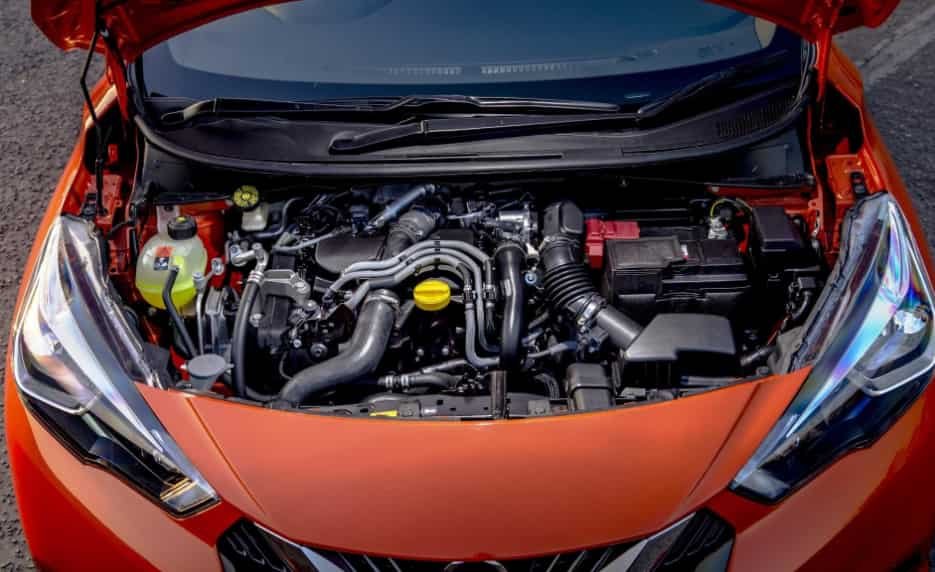
Few things are more frustrating than starting your Nissan Micra on a cold morning only to discover that the heater is blowing cold air instead of warming the cabin. A heater that fails to produce heat not only makes every journey uncomfortable but can also reduce visibility when the windshield refuses to clear condensation or frost. While many drivers assume the heating system itself has failed, the real problem often starts somewhere else inside the engine cooling system or the vehicle’s climate control components.
If your Nissan Micra heater is not working, the fault could be something simple such as a low coolant level or a blown fuse. In other cases, the issue may involve a faulty thermostat, a blocked heater matrix, a worn blower motor, or even an airlock that prevents hot coolant from circulating through the heater core. Understanding how these components work together is the first step toward finding the correct solution without replacing unnecessary parts.
This comprehensive guide explains every common cause of a Nissan Micra heater problem in clear and practical language. You will learn how to recognize the warning signs, perform several easy checks at home, understand when professional repairs are necessary, and estimate the cost of each repair. Whether your heater blows cold air, produces weak airflow, works only while driving, or stops working completely, this guide will help you identify the problem and choose the most effective fix with confidence.
Why Is Your Nissan Micra Heater Not Working?
Your Nissan Micra heater depends on several systems working together. As the engine warms up, hot coolant flows through the heater matrix. Next, the blower motor pushes air across the hot surface before sending warm air into the cabin. As a result, even one faulty component can reduce the heater’s performance or stop it from working altogether.
In most cases, a heating problem starts in the engine cooling system, the HVAC system, or the electrical circuit that controls the heater fan. Therefore, identifying the correct source of the fault is much more important than replacing parts at random. A systematic inspection not only saves time but also reduces unnecessary repair costs.
Fortunately, many heater problems have clear warning signs. For example, your heater may blow cold air even after the engine reaches normal operating temperature. In other situations, the airflow may become weak, the fan may stop completely, or the heater may work only while the vehicle is moving. Because each symptom points to a different fault, understanding these differences helps you narrow down the diagnosis much faster.
The following table summarizes the most common causes of a Nissan Micra heater problem.
| Common Cause | Typical Symptoms | DIY Friendly |
|---|---|---|
| Low coolant level | Heater blows cold air, engine may overheat | Yes |
| Air trapped in the cooling system | Heat comes and goes, inconsistent cabin temperature | Yes |
| Faulty thermostat | Slow engine warm up, weak cabin heat | Yes |
| Blocked heater matrix | Little heat, coolant smell, foggy windows | Sometimes |
| Blower motor failure | No airflow from the vents | Limited |
| Blower motor resistor fault | Fan works on only one speed | Yes |
| Blown fuse or faulty relay | Heater fan stops working | Yes |
| Faulty heater controls | Temperature cannot be adjusted | Limited |
| Blend door actuator failure | Airflow remains strong, but the air stays cold | No |
| Clogged cabin air filter | Weak airflow despite normal heater temperature | Yes |
Before replacing any components, start with the simplest inspections. First, check the coolant level while the engine is completely cold. Next, allow the engine to warm up and confirm that the temperature gauge reaches its normal position. After that, test every blower speed and switch between different temperature settings. Finally, inspect the fuse box if the heater fan does not respond.
These basic checks often reveal the problem within a few minutes. For instance, low coolant usually prevents hot coolant from reaching the heater matrix. Likewise, a faulty thermostat can stop the engine from reaching its normal operating temperature. On the other hand, a failed blower motor may prevent any air from leaving the vents even though the cooling system operates correctly.
Although some faults require professional repairs, many common heater problems have simple solutions. Replacing a thermostat, topping up coolant, changing a cabin air filter, or installing a new blower motor resistor often restores normal heating without major expense. Consequently, performing a careful diagnosis before buying replacement parts gives you the best chance of fixing the problem quickly while avoiding unnecessary costs.
Main Symptoms of a Nissan Micra Heater Problem
A Nissan Micra heater rarely stops working without showing warning signs first. In many cases, the symptoms appear gradually before the heating system fails completely. Therefore, identifying these early signs can save both time and money. Although different faults may produce similar results, the way the heater behaves often reveals where the problem begins. For this reason, paying attention to changes in heating performance is the first step toward an accurate diagnosis.
One of the most common symptoms is cold air coming from the vents after the engine reaches its normal operating temperature. In other cases, the heater may produce only weak airflow or lose heat whenever the vehicle remains stationary. Some drivers also notice that the fan works only at certain speeds or stops working completely. Because each symptom relates to a different component, these details help narrow down the list of possible causes before any repairs begin.
Additional warning signs often point to problems beyond the heater itself. For example, the windows may fog up more frequently, or a sweet coolant smell may appear inside the cabin. Meanwhile, the engine may take longer than usual to warm up, which often indicates a faulty thermostat. If the engine overheats while the heater continues to blow cold air, the cooling system should become the primary focus because low coolant, trapped air, or restricted coolant flow may prevent heat from reaching the heater matrix.
Instead of replacing parts immediately, compare every symptom with the way your Nissan Micra behaves during normal driving. Then check the coolant level, monitor the temperature gauge, and test every blower speed. Finally, inspect the heating controls and airflow from each vent. Following this logical process helps identify the real cause more quickly while reducing unnecessary repair costs.
Low Coolant Level
A low coolant level is one of the most common reasons a Nissan Micra heater stops producing warm air. The heating system depends on hot coolant flowing through the heater matrix before the blower motor pushes warm air into the cabin. Therefore, when the coolant level drops below the required level, the heater matrix cannot receive enough hot coolant to generate consistent heat.
Several issues can cause coolant loss over time. For example, a leaking radiator, damaged hose, worn water pump, or faulty expansion tank cap may allow coolant to escape gradually. In addition, small leaks often develop without leaving obvious puddles under the vehicle. As a result, many drivers do not notice the problem until the heater begins blowing cold air or the engine temperature starts changing unexpectedly.
Fortunately, checking the coolant level takes only a few minutes. First, allow the engine to cool completely before opening the coolant reservoir. Next, confirm that the coolant sits between the minimum and maximum marks. If the level is low, add the manufacturer recommended coolant and inspect the cooling system for visible leaks. However, avoid topping up the coolant repeatedly without finding the source of the leak because the problem will eventually return.
Ignoring a low coolant level can lead to more than poor cabin heating. As coolant continues to escape, the engine may overheat and suffer serious internal damage. Consequently, treating low coolant as an early warning sign helps protect both the heating system and the engine while preventing expensive repairs in the future.
Air Trapped in the Cooling System
Air trapped inside the cooling system can prevent your Nissan Micra heater from producing consistent warm air. After a coolant change or cooling system repair, small pockets of air may remain inside the engine or heater hoses. Consequently, hot coolant cannot circulate smoothly through the heater matrix, which reduces the amount of heat entering the cabin.
You may notice that the heater blows warm air for a short time before turning cold again. In some cases, the cabin temperature changes while driving because engine speed temporarily improves coolant circulation. Meanwhile, the temperature gauge may fluctuate instead of remaining steady. These symptoms often indicate that trapped air, rather than a failed heater component, is interrupting normal coolant flow.
Start by checking whether the cooling system has been serviced recently. If so, bleeding the system may solve the problem without replacing any parts. Follow the bleeding procedure recommended for your Nissan Micra, then refill the coolant to the correct level if necessary. Afterward, run the engine until it reaches normal operating temperature and confirm that the heater delivers steady warm air. If the problem continues after bleeding the system correctly, inspect the thermostat, water pump, and heater matrix because another cooling system fault may be restricting coolant circulation.
Faulty Thermostat
A faulty thermostat is another common reason a Nissan Micra heater fails to produce enough warm air. The thermostat controls coolant flow between the engine and the radiator, allowing the engine to reach its normal operating temperature as quickly as possible. Once the engine becomes warm, the thermostat opens and lets coolant circulate through the cooling system. If this component fails, the heater cannot receive coolant at the correct temperature, which reduces heating performance inside the cabin.
Most thermostat problems occur when the valve becomes stuck in either the open or closed position. A thermostat that remains open allows coolant to circulate too early, preventing the engine from warming up properly. As a result, the heater blows only lukewarm or cold air, especially during cold weather. On the other hand, a thermostat that remains closed restricts coolant flow and may cause the engine to overheat. Although both faults affect the heating system, an overheating engine requires immediate attention to prevent serious mechanical damage.
Fortunately, you can identify many thermostat problems without special tools. Start the engine from cold and monitor the temperature gauge during normal driving. If the gauge takes much longer than usual to reach its normal position, the thermostat may be stuck open. However, if the temperature rises quickly into the red zone, stop driving immediately because the thermostat may be stuck closed. Replacing a faulty thermostat usually restores normal engine temperature, improves heater performance, and helps maintain better fuel efficiency. After installing a new thermostat, always bleed the cooling system to remove trapped air and confirm that the heater delivers consistent warm air.
Blocked Heater Matrix
A blocked heater matrix can significantly reduce the performance of your Nissan Micra’s heating system. The heater matrix acts like a small radiator that transfers heat from the engine coolant into the cabin. As hot coolant flows through its narrow passages, the blower motor pushes air across the heated surface before directing warm air through the vents. However, rust, scale, and old coolant deposits can gradually restrict coolant flow. Consequently, the heater matrix cannot transfer enough heat, leaving the cabin cold even when the engine reaches its normal operating temperature.
Several symptoms can help you identify a partially or completely blocked heater matrix. The heater may produce only lukewarm air, or it may blow warm air for a short period before becoming cold again. In some cases, one heater hose feels hot while the other remains noticeably cooler, indicating that coolant cannot circulate properly through the heater matrix. You may also notice that the windshield takes longer to clear because the heating system no longer delivers sufficient warm air. Although these symptoms often resemble other cooling system faults, restricted coolant flow remains one of the most common causes.
Begin your inspection by checking the temperature of both heater hoses after the engine reaches normal operating temperature. If one hose stays much cooler than the other, the heater matrix may require cleaning. A professional coolant flush can remove minor deposits and restore normal coolant circulation in many cases. However, severe internal blockage may require a complete heater matrix replacement. Replacing the heater matrix usually involves removing parts of the dashboard, so the repair requires more time and labor than most other heating system repairs. Regular coolant changes using the correct coolant specification remain the best way to prevent internal corrosion and extend the life of the heater matrix.
Blower Motor Failure
The blower motor plays a vital role in your Nissan Micra’s heating system because it pushes air through the heater matrix and into the cabin. Even if the engine reaches its normal operating temperature and the heater matrix becomes hot, you will not feel any warm air if the blower motor fails. Therefore, a faulty blower motor can make it appear as though the heater has stopped working when the real problem lies in the ventilation system.
Several warning signs usually appear before the blower motor stops working completely. You may notice weak airflow from the vents, unusual squealing or grinding noises, or a fan that works only intermittently. In some cases, the blower motor operates normally for a few minutes before shutting off without warning. These symptoms often develop as the motor bearings wear out or as electrical connections become loose. Dirt and debris can also collect inside the blower housing, forcing the motor to work harder and reducing its overall lifespan.
Start the diagnosis by switching through every fan speed while listening carefully for unusual sounds. If no air comes from the vents, inspect the fuse and relay before replacing the motor itself. Next, check the electrical connector for signs of corrosion or loose wiring. If power reaches the blower motor but the fan still does not operate, replacing the motor is usually the most effective solution. Installing a new blower motor restores proper airflow, improves cabin comfort, and allows the heater to deliver warm air efficiently throughout the vehicle.
Blower Motor Resistor Failure
A faulty blower motor resistor can prevent your Nissan Micra heater from operating at the correct fan speeds. Although the blower motor generates airflow, the resistor controls how fast the fan spins. When this component begins to fail, the heater may still produce warm air, but the airflow becomes inconsistent because the fan cannot respond correctly to different speed settings. As a result, the cabin may take much longer to warm up, especially during cold weather.
One of the most common signs of a failing blower motor resistor is a fan that works only on the highest speed. In other cases, one or more fan settings may stop working completely, while the remaining speeds continue to operate normally. Some drivers also experience intermittent airflow because the damaged resistor loses electrical contact as it heats up. Since these symptoms often develop gradually, many owners mistake the problem for a failing blower motor instead of a faulty resistor.
Fortunately, diagnosing the blower motor resistor is usually straightforward. Begin by testing every fan speed with the engine running and the heater switched on. If one or more settings fail while the highest speed continues to work, the resistor is the most likely cause. Next, inspect the resistor and its electrical connector for signs of overheating, corrosion, or damaged wiring. Replacing the blower motor resistor is typically inexpensive and requires less time than replacing the blower motor itself. Once the new resistor is installed, the fan should operate smoothly at every speed, allowing the heating system to distribute warm air evenly throughout the cabin.
Blown Fuse or Faulty Relay
A blown fuse or faulty relay can stop the heater fan from working even though the rest of the heating system remains in good condition. Every electrical component in your Nissan Micra relies on a protected power supply, and the heater circuit is no exception. If the fuse blows or the relay fails, electricity cannot reach the blower motor. Consequently, no air flows through the heater matrix, and the cabin receives little or no warm air.
This type of fault often appears without warning. The heater fan may stop working completely, or it may operate only occasionally before shutting off again. In some cases, the fan starts working after hitting a bump in the road because a loose relay temporarily reconnects the circuit. However, repeated interruptions usually indicate an electrical problem that requires further inspection. Although a blown fuse is often the simplest explanation, replacing it without identifying the underlying cause may only provide a temporary solution.
Begin by locating the fuse box and checking the heater or blower motor fuse listed in your owner’s manual. Replace any damaged fuse with one that has the correct amperage rating. Next, inspect the relay for signs of overheating, corrosion, or loose terminals. If both components appear to work correctly, continue checking the wiring and electrical connectors for damage. Completing these simple inspections before replacing expensive parts can save time, reduce repair costs, and help restore your Nissan Micra heater to normal operation more quickly.
Faulty Heater Control Panel
A faulty heater control panel can prevent your Nissan Micra from delivering the temperature you select, even when the cooling system and blower motor operate normally. The control panel sends commands to the heating system, allowing you to adjust the temperature, fan speed, and airflow direction. When one or more controls fail, the heater may remain stuck on cold air, refuse to change fan speeds, or direct air to the wrong vents. Consequently, the cabin may never reach a comfortable temperature despite the engine operating correctly.
Several issues can cause the heater control panel to malfunction. Worn control knobs, damaged electrical switches, loose wiring, or failed electronic circuits may interrupt communication with the heating system. In vehicles with manual climate controls, a stretched or disconnected control cable can also prevent the temperature flap from moving as intended. As a result, the heater may continue blowing cold air even though hot coolant is circulating through the heater matrix. Because these faults often develop gradually, drivers may notice inconsistent heater performance before the controls stop responding completely.
Start by turning each control through its full range while the engine is running. Check whether the temperature changes, the fan speed responds correctly, and the airflow moves between the dashboard, footwell, and windshield vents. If one function fails while the others continue working, inspect the corresponding switch, cable, or electrical connector. However, if none of the controls respond, the entire control panel may require further testing or replacement. Identifying the exact fault before replacing components helps avoid unnecessary costs and restores normal heater operation more efficiently.
Blend Door Actuator Problems
A faulty blend door actuator can prevent warm air from reaching the cabin even when every major heating component works correctly. Inside the dashboard, the blend door controls how much air passes through the heater matrix before entering the air vents. The actuator moves this door whenever you adjust the temperature setting. If the actuator fails or the blend door becomes stuck, the system may continue sending cold air into the cabin despite the heater matrix remaining hot.
Drivers often notice this problem when the heater blows cold air while the engine temperature stays normal and the blower motor operates at every speed. In some cases, the temperature changes very little after turning the control knob from cold to hot. You may also hear repetitive clicking sounds behind the dashboard because the actuator gears can wear out over time. Although these symptoms resemble a faulty heater matrix or thermostat, they usually indicate that the air distribution system cannot redirect airflow correctly.
Begin by changing the temperature from the coldest setting to the hottest setting while the engine is running. Listen carefully for movement behind the dashboard and check whether the air temperature changes at the vents. If the airflow remains strong but the temperature never increases, inspect the blend door actuator and its electrical connections. Replacing a damaged actuator usually restores proper temperature control. However, accessing this component may require removing parts of the dashboard, so the repair often takes longer than replacing simpler heating system components.
Clogged Cabin Air Filter
A clogged cabin air filter can reduce heater performance even when the rest of the heating system operates normally. The cabin air filter removes dust, pollen, leaves, and other airborne particles before air enters the passenger compartment. Over time, these contaminants build up and restrict airflow through the ventilation system. As a result, the heater may still produce hot air, but only a small amount reaches the cabin, making it difficult to maintain a comfortable temperature.
This problem usually develops gradually, so many drivers do not notice the reduced airflow until colder weather arrives. You may find that the fan sounds louder than usual while very little air comes from the vents. In addition, the windshield may take longer to clear because the restricted airflow cannot remove moisture efficiently. Although these symptoms can resemble a failing blower motor, a dirty cabin air filter is much easier and less expensive to fix. For this reason, it should always be one of the first components you inspect.
Begin by checking the maintenance history of your Nissan Micra. If the cabin air filter has not been replaced within the recommended service interval, remove it and inspect its condition. A filter covered with dirt, leaves, or debris should be replaced immediately. After installing a new filter, test the heater again and compare the airflow at each fan speed. In many cases, replacing the cabin air filter restores proper airflow, improves heater efficiency, and enhances overall cabin air quality without requiring any additional repairs.
How to Diagnose a Nissan Micra Heater That Is Not Working
Diagnosing a Nissan Micra heater problem does not always require advanced tools or extensive mechanical experience. In many cases, a careful inspection can identify the source of the fault before you replace any parts. Therefore, following a logical step by step process helps eliminate simple problems first while reducing unnecessary repair costs. Start with the easiest checks and move toward more detailed inspections only if the heater still fails to produce warm air.
First, make sure the engine reaches its normal operating temperature. If the temperature gauge stays unusually low, the thermostat may be stuck open and preventing the engine from warming up properly. Next, check the coolant level while the engine is completely cold. Low coolant often prevents enough hot coolant from reaching the heater matrix. After that, switch the heater through every fan speed and confirm that air flows from the vents. If airflow is weak or completely absent, inspect the cabin air filter, blower motor, blower motor resistor, fuse, and relay before considering more complex repairs.
Continue the inspection by feeling both heater hoses after the engine has warmed up. If both hoses feel hot, coolant is flowing through the heater matrix as expected. However, if one hose is noticeably cooler than the other, restricted coolant flow or a blocked heater matrix may be the cause. You should also change the temperature setting from cold to hot and listen for movement behind the dashboard. If the airflow remains strong but the air temperature never changes, the blend door actuator or heater controls may not be operating correctly. By completing these checks in the correct order, you can identify the most likely fault quickly and decide whether a simple DIY repair or professional diagnosis is the best next step.
DIY Fixes You Can Try Before Visiting a Mechanic
Many Nissan Micra heater problems have simple solutions. In many cases, you can fix the issue at home without expensive tools. Therefore, start with the easiest checks before replacing any parts. Always allow the engine to cool completely before opening the cooling system. Hot coolant can cause serious burns and increase the risk of injury.
First, check the coolant level in the expansion tank. Add the correct coolant if the level is below the recommended mark. Next, inspect the radiator, hoses, water pump, and expansion tank for visible leaks. If you recently replaced the coolant, bleed the cooling system to remove trapped air. Afterward, test the heater again to see if warm air returns. You should also inspect the cabin air filter because a clogged filter can restrict airflow into the cabin.
If the problem continues, check the heater fuse and relay. Then test every blower speed to confirm that the fan operates correctly. Replace a faulty blower motor resistor if one or more fan settings fail. In addition, consider flushing the heater matrix if you suspect a partial blockage. However, avoid repeated chemical flushes because they may damage older components. If these repairs do not restore heat, seek professional diagnosis. A mechanic can inspect the thermostat, blend door actuator, heater matrix, and other components that require specialist equipment.
Nissan Micra Heater Repair Costs
The cost of repairing a Nissan Micra heater depends on the failed component and the amount of labor required. Some repairs take less than an hour and require inexpensive parts. Others involve removing dashboard components, which increases the total repair cost. Therefore, identifying the exact fault before replacing any parts can help you avoid unnecessary expenses.
Simple repairs are usually the most affordable. For example, topping up the coolant, replacing a cabin air filter, or installing a new blower motor resistor often costs much less than major heating system repairs. Likewise, replacing a thermostat is relatively straightforward and usually restores both engine temperature and cabin heat. These repairs often solve the problem without requiring extensive labor.
More complex repairs usually cost more because they require additional time. A blocked heater matrix may need a professional flush before replacement becomes necessary. However, replacing the heater matrix often involves removing parts of the dashboard. This process increases labor costs significantly. Likewise, replacing a blend door actuator may also require partial dashboard removal, depending on the Nissan Micra model.
The table below provides a general estimate of common repair costs. Actual prices may vary depending on your location, labor rates, and the parts you choose.
| Repair | Estimated Cost |
|---|---|
| Coolant top up | $20 to $50 |
| Cooling system bleed | $50 to $100 |
| Thermostat replacement | $150 to $300 |
| Cabin air filter replacement | $30 to $80 |
| Blower motor resistor replacement | $80 to $180 |
| Blower motor replacement | $200 to $450 |
| Heater matrix flush | $100 to $250 |
| Heater matrix replacement | $600 to $1,200 |
| Blend door actuator replacement | $250 to $700 |
Investing in an early diagnosis often reduces repair costs. Small problems such as low coolant or a faulty thermostat are much cheaper to fix than a damaged heater matrix or an overheated engine. Regular maintenance also helps prevent unexpected failures and extends the life of the heating system.
How to Prevent Nissan Micra Heater Problems
Regular maintenance is the best way to prevent heater problems in your Nissan Micra. Most heating system failures develop over time rather than appearing suddenly. Therefore, routine inspections can help you detect small issues before they become expensive repairs. A few simple maintenance tasks can also improve heater performance and extend the life of the cooling system.
Check the coolant level at regular intervals and use only the coolant recommended by Nissan. In addition, replace the coolant according to the service schedule because old coolant loses its protective properties. As coolant ages, it can create corrosion and deposits inside the cooling system. These deposits may restrict coolant flow and reduce the efficiency of the heater matrix.
Replace the cabin air filter as part of your regular vehicle maintenance. A clean filter allows better airflow and helps the heater warm the cabin more quickly. You should also pay attention to the engine temperature gauge during every drive. If the engine takes too long to warm up or begins to overheat, inspect the cooling system as soon as possible. Early action often prevents more serious damage.
Finally, run the heater for a few minutes every week, even during warm weather. This simple habit keeps coolant circulating through the heater matrix and helps prevent internal deposits from building up. At the same time, inspect the cooling system for leaks, damaged hoses, or unusual coolant loss. Regular maintenance takes very little time, yet it can reduce repair costs and keep your Nissan Micra heater working efficiently throughout the year.
Frequently Asked Questions
Why is my Nissan Micra heater blowing cold air?
A Nissan Micra heater usually blows cold air because the cooling system cannot deliver enough hot coolant to the heater matrix. Low coolant, a faulty thermostat, trapped air, or a blocked heater matrix are the most common causes. Start by checking the coolant level and engine temperature before inspecting other components.
Can low coolant stop the heater from working?
Yes. Low coolant reduces the flow of hot coolant through the heater matrix. As a result, the heater cannot produce enough warm air for the cabin. If the coolant level continues to drop, inspect the cooling system for leaks as soon as possible.
Why does my heater only work while driving?
This symptom often indicates poor coolant circulation. Trapped air, a weak water pump, or a partially blocked heater matrix can reduce coolant flow at idle. However, higher engine speed may temporarily improve circulation and restore cabin heat.
How do I know if the heater matrix is blocked?
A blocked heater matrix often causes weak cabin heat even when the engine reaches normal operating temperature. In many cases, one heater hose feels much hotter than the other. You may also notice poor windshield defrosting or inconsistent heater performance.
Can I drive my Nissan Micra if the heater is not working?
You can usually drive the vehicle if the heater is the only problem and the engine temperature remains normal. However, avoid driving if the engine overheats, loses coolant, or displays a temperature warning light. These symptoms may indicate a serious cooling system fault.
How much does it cost to fix a Nissan Micra heater?
Repair costs vary depending on the failed component. Simple repairs, such as replacing a cabin air filter or thermostat, are usually affordable. However, replacing a heater matrix or blend door actuator costs much more because these repairs require additional labor.
Can I fix a Nissan Micra heater myself?
Yes, you can repair some heater problems at home. Checking the coolant level, replacing the cabin air filter, changing a fuse, or installing a blower motor resistor are common DIY repairs. However, dashboard repairs and heater matrix replacement usually require professional tools and experience.
Conclusion
A Nissan Micra heater not working does not always mean you need an expensive repair. In many cases, the problem starts with a simple issue such as low coolant, trapped air, a faulty thermostat, or a clogged cabin air filter. Therefore, taking a few minutes to inspect the cooling system and heater components can help you identify the real cause before replacing any parts. A systematic approach also reduces repair costs and prevents unnecessary work.
If the basic checks do not solve the problem, continue by inspecting the blower motor, blower motor resistor, heater matrix, blend door actuator, and heater controls. Each component plays an important role in delivering warm air to the cabin. As a result, diagnosing the system step by step gives you the best chance of finding the fault quickly and accurately. In addition, regular maintenance helps prevent many common heater problems before they affect your daily driving.
Whether you plan to perform a DIY repair or visit a professional mechanic, understanding how the heating system works makes every repair decision much easier. Keep the cooling system in good condition, replace worn components when necessary, and follow the recommended maintenance schedule. By doing so, you can keep your Nissan Micra heater working efficiently and enjoy reliable cabin comfort throughout the year.