
If your Nissan Leaf heater not working leaves your cabin cold, you are not alone. Many Nissan Leaf owners experience heating problems during winter. Some issues have simple solutions, while others require professional repairs.
A working heater does much more than keep you comfortable. It clears fog from the windshield and improves visibility in cold weather. It also makes every trip safer and more enjoyable.
Several components work together to produce warm air. Depending on the model year, your Leaf uses either a PTC heater or a heat pump. The climate control system, temperature sensors, 12 volt battery, electrical fuses, and control modules also affect heating performance. If one component fails, the entire system may stop producing heat.
Fortunately, you can identify many heater problems without advanced tools. Start by checking the climate control settings, the battery condition, and the heater fuse. These simple inspections often reveal the source of the problem before you spend money on repairs.
This guide explains the most common reasons a Nissan Leaf heater not working issue occurs. You will learn how to recognize the symptoms, diagnose the fault, choose the right repair, and prevent future heating failures. By the end of this guide, you will know exactly what to check before visiting an EV repair shop.
Why Is My Nissan Leaf Heater Not Working?
A Nissan Leaf heater not working can result from several different problems. In many cases, the issue starts with incorrect climate control settings, a weak 12 volt battery, or a blown fuse. However, some vehicles develop more complex faults involving the PTC heater, heat pump, HVAC control module, or temperature sensors.
The exact cause often depends on the model year and heating system installed in your vehicle. Earlier Nissan Leaf models mainly rely on a PTC heater, while many higher trim levels include a heat pump for better energy efficiency. Because these systems operate differently, the troubleshooting process also varies.
Fortunately, you can identify many heater problems with a few basic checks. Verify the temperature setting, disable Eco Mode, inspect the 12 volt battery, and check the heater fuse before assuming a major component has failed. These simple steps often save both time and repair costs.
If the heater still blows cold air after these checks, the vehicle may require a diagnostic scan. Fault codes can reveal problems with the heating elements, sensors, or climate control system. An accurate diagnosis helps prevent unnecessary parts replacement and speeds up the repair process.
Understanding the possible causes is the first step toward fixing the problem. The following sections explain the most common symptoms and show how each one points to a specific fault.
Common Causes at a Glance
| Possible Cause | Difficulty | Can You Fix It Yourself? |
|---|---|---|
| Incorrect climate control settings | Easy | Yes |
| Eco Mode limiting heat output | Easy | Yes |
| Weak 12 volt battery | Easy | Yes |
| Blown heater fuse | Easy to Moderate | Yes |
| Faulty temperature sensor | Moderate | Sometimes |
| PTC heater failure | Difficult | No |
| Heat pump malfunction | Difficult | No |
| HVAC control module fault | Difficult | No |
| Refrigerant or compressor issue | Difficult | No |
| Software or diagnostic fault | Moderate to Difficult | Usually No |
Common Symptoms of a Nissan Leaf Heater Problem
A Nissan Leaf heater not working can present several warning signs, and each symptom may point to a different underlying problem. The most common issue is cold air blowing from the vents even when the temperature is set to the highest level. In this situation, the blower motor usually works as expected, but the heating system fails to generate warm air. Some drivers also notice that the heater works normally for a short time before the cabin suddenly becomes cold again. Intermittent heating often suggests an electrical fault, an unstable temperature sensor, or a weakening 12 volt battery that cannot supply consistent power to the climate control system.
Another common symptom is poor airflow from the vents. While a clogged cabin air filter can reduce airflow, a faulty blower motor, damaged relay, or blown fuse may stop air from circulating altogether. In other cases, the heater appears to consume energy, but the cabin never warms up. This condition frequently indicates a failed PTC heater or a heat pump problem, depending on the Nissan Leaf model. Drivers may also experience slow windshield defogging, which reduces visibility and creates a potential safety risk during cold or rainy weather.
Less obvious symptoms include unusual noises, burning odors, or warning messages related to the HVAC system. These signs often indicate mechanical wear or electrical faults that require further inspection. Identifying these symptoms early makes troubleshooting much easier because each one narrows the list of possible causes. Once you understand how your Nissan Leaf behaves, you can perform the right checks and avoid replacing parts that are still functioning properly.
Main Symptoms of a Nissan Micra Heater Problem
A Nissan Micra heater rarely stops working without showing warning signs first. In many cases, the symptoms appear gradually before the heating system fails completely. Therefore, identifying these early signs can save both time and money. Although different faults may produce similar results, the way the heater behaves often reveals where the problem begins. For this reason, paying attention to changes in heating performance is the first step toward an accurate diagnosis.
One of the most common symptoms is cold air coming from the vents after the engine reaches its normal operating temperature. In other cases, the heater may produce only weak airflow or lose heat whenever the vehicle remains stationary. Some drivers also notice that the fan works only at certain speeds or stops working completely. Because each symptom relates to a different component, these details help narrow down the list of possible causes before any repairs begin.
Additional warning signs often point to problems beyond the heater itself. For example, the windows may fog up more frequently, or a sweet coolant smell may appear inside the cabin. Meanwhile, the engine may take longer than usual to warm up, which often indicates a faulty thermostat. If the engine overheats while the heater continues to blow cold air, the cooling system should become the primary focus because low coolant, trapped air, or restricted coolant flow may prevent heat from reaching the heater matrix.
Instead of replacing parts immediately, compare every symptom with the way your Nissan Micra behaves during normal driving. Then check the coolant level, monitor the temperature gauge, and test every blower speed. Finally, inspect the heating controls and airflow from each vent. Following this logical process helps identify the real cause more quickly while reducing unnecessary repair costs.
Incorrect Climate Control Settings
Before assuming a mechanical failure, always check the climate control settings. Many heating complaints result from incorrect system configuration rather than a damaged component. A small adjustment in the settings can prevent the cabin from warming up, even though every part of the heating system functions normally.
Start by confirming that the temperature is set high enough to produce warm air. If the temperature remains close to the outside air, the heater may appear to stop working even though it responds correctly. Next, verify that the airflow is directed toward the cabin instead of the windshield or footwell if your goal is to heat the passenger compartment quickly. Air distribution settings can significantly affect how warm the interior feels.
Eco Mode is another factor worth checking. This driving mode helps extend battery range by reducing energy consumption, including the power supplied to the heating system. As a result, the cabin may warm up much more slowly during cold weather. Switching to Normal Mode for a few minutes allows the heater to operate at full capacity and often improves heating performance immediately.
Preheating settings can also influence cabin temperature. If the timer or remote climate control feature is configured incorrectly, the heater may not activate when expected. Reviewing these settings ensures the system operates according to your schedule rather than remaining inactive.
Checking the climate control system takes only a few minutes and requires no special tools. Because it is the easiest step in the diagnostic process, it should always come before inspecting electrical components or replacing expensive parts. Eliminating simple configuration errors first saves time, reduces unnecessary repair costs, and provides a solid starting point for diagnosing more complex heating problems if the issue remains unresolved.
Weak or Failing 12 Volt Battery
Many Nissan Leaf owners assume the high voltage battery powers every electrical system in the vehicle. In reality, the 12 volt battery supplies electricity to the climate control system, electronic control units, sensors, and many other low voltage components. When this battery becomes weak, the heater may stop working correctly even though the main traction battery remains fully charged.
A failing 12 volt battery often causes inconsistent heater performance. The cabin may warm up normally during one trip but blow cold air on the next. In some cases, the climate control system responds slowly, restarts unexpectedly, or fails to operate after the vehicle has been parked overnight. These symptoms usually appear before the battery fails completely, making early diagnosis especially important.
Cold weather places additional stress on the 12 volt battery because lower temperatures reduce its ability to deliver stable voltage. At the same time, the heating system requires more electrical power to operate efficiently. This combination can expose a battery that already has reduced capacity, leading to intermittent HVAC problems and other electrical issues throughout the vehicle.
Testing the battery is a simple but valuable step during diagnosis. A healthy battery should maintain stable voltage both before and after the vehicle starts. If the voltage drops below the recommended level, replacing the battery may restore normal heater operation without further repairs. Battery terminals should also remain clean and securely connected because corrosion or loose connections can interrupt power to the climate control system.
Since the 12 volt battery supports many electronic functions, replacing a worn battery often resolves more than just heating problems. It can also improve overall system reliability and reduce the risk of unexpected electrical faults during everyday driving. Starting with this basic inspection helps eliminate one of the most common causes of a Nissan Leaf heater not working before moving on to more expensive components.
Blown Heater Fuse or Electrical Problems
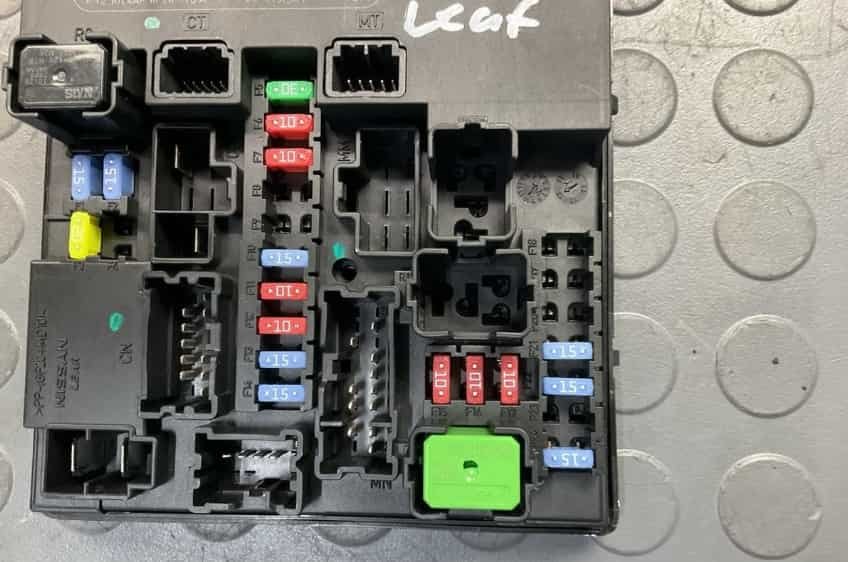
A blown fuse or electrical fault can interrupt power to the heating system and prevent it from operating normally. Although this problem is less expensive to repair than a failed heater unit, it can produce many of the same symptoms. The cabin may receive only cold air, the blower may stop working, or the climate control system may not respond at all.
Every electrical circuit in the Nissan Leaf relies on fuses to protect sensitive components from excessive current. If the heater circuit experiences an overload or short circuit, the fuse will disconnect the power supply to prevent further damage. While replacing a blown fuse is simple, it is important to understand why the fuse failed in the first place. Installing a new fuse without identifying the underlying cause may only result in the same problem returning.
Loose connectors, damaged wiring, and faulty relays can also interrupt the flow of electricity to the HVAC system. These issues often develop gradually because of vibration, moisture, or normal wear over time. As the electrical connection becomes unstable, the heater may work intermittently before eventually stopping altogether. This pattern often leads drivers to believe the heating unit has failed when the real problem lies elsewhere.
A careful visual inspection can reveal many electrical problems before advanced diagnostics become necessary. Look for damaged wiring, signs of corrosion, loose connectors, or burned fuse terminals around the fuse box and HVAC components. If everything appears normal, using a multimeter can help confirm whether power reaches the heater circuit as expected.
Electrical faults should never be ignored because they can affect more than the heating system. A damaged wire or failing relay may also interfere with other vehicle electronics and increase the risk of additional failures. Checking the fuse and electrical connections early in the diagnostic process is a practical way to eliminate one of the most common causes of a Nissan Leaf heater not working while avoiding unnecessary replacement of expensive HVAC components.
Failed PTC Heater
A failed PTC heater is one of the most common reasons for a Nissan Leaf heater not working, especially on models that rely on this electric heating system instead of a heat pump. Unlike conventional vehicles that use heat from the engine, the Nissan Leaf generates cabin heat through an electric Positive Temperature Coefficient heater. This component converts electrical energy into heat and delivers warm air through the HVAC system whenever the driver increases the cabin temperature.
Over time, the PTC heater can wear out because of age, repeated heating cycles, or internal electrical failure. When this happens, the blower motor usually continues to operate, but only cold air comes from the vents. Some drivers also notice that the energy consumption display indicates the heater is using power even though the cabin temperature never increases. This combination of symptoms often points directly to a faulty heating element.
A damaged PTC heater may not fail completely at first. The cabin might warm slowly during mild weather but struggle to produce enough heat on colder days. In other cases, the heater works intermittently before stopping altogether. These changing symptoms can make the problem difficult to identify without proper testing.
Diagnosing a faulty PTC heater usually requires a compatible diagnostic scanner and electrical testing equipment. The HVAC control module may store fault codes related to heater performance or communication errors, helping technicians confirm whether the heating element has failed. Measuring voltage and resistance at the heater assembly can provide additional evidence before replacement.
Because the PTC heater operates as part of the vehicle’s high voltage electrical system, repairs should only be performed by technicians trained to work on electric vehicles. Attempting to remove or repair high voltage components without the proper knowledge can create serious safety risks. Once the faulty heater is replaced and the system is recalibrated, the Nissan Leaf should restore normal cabin heating and deliver consistent performance during cold weather.
Heat Pump Malfunction
Many Nissan Leaf models use a heat pump instead of relying entirely on a PTC heater. This system improves energy efficiency by transferring heat from the outside air into the cabin rather than creating heat directly from electricity. As a result, the vehicle consumes less battery power while maintaining a comfortable interior temperature. However, when the heat pump develops a fault, the heating system may lose efficiency or stop producing warm air altogether.
A failing heat pump often produces symptoms that resemble a faulty PTC heater. The blower motor continues to move air through the vents, but the cabin remains cold even after several minutes of driving. In some cases, the heater works normally during mild weather but struggles when outside temperatures drop. Drivers may also notice longer warm up times, unusual noises from the front of the vehicle, or reduced heating performance despite normal climate control settings.
Several components can contribute to heat pump failure. Low refrigerant levels reduce the system’s ability to transfer heat, while a worn compressor may no longer circulate refrigerant efficiently. Faulty pressure sensors, expansion valves, or electronic control modules can also prevent the heat pump from operating correctly. Because these components work together as a complete system, replacing a single part without proper diagnosis may not solve the problem.
Professional diagnosis is usually the best approach for heat pump issues. Technicians can measure refrigerant pressure, inspect compressor operation, and scan the HVAC control module for diagnostic trouble codes. These tests help identify the exact cause before repairs begin, reducing unnecessary labor and replacement costs.
Although heat pump repairs are often more complex than replacing a fuse or battery, early diagnosis can prevent additional damage and restore normal heating performance more quickly. If your Nissan Leaf continues to blow cold air after basic troubleshooting, the heat pump should become one of the primary components to inspect.
Faulty Temperature Sensor or HVAC Control Module
The heating system depends on accurate temperature information to maintain a comfortable cabin. If a temperature sensor sends incorrect data, the climate control system may believe the cabin is already warm enough, even when the interior remains cold. As a result, the heater reduces its output or stops producing heat before reaching the selected temperature.
The Nissan Leaf uses several sensors to monitor both cabin and outside temperatures. These sensors continuously communicate with the HVAC control module, allowing the system to adjust heating performance based on real time conditions. When one of these sensors becomes dirty, damaged, or electrically unstable, the climate control system can no longer regulate cabin temperature correctly.
Drivers often notice inconsistent heating when a sensor begins to fail. The heater may work normally during one trip and perform poorly on the next. Cabin temperature may fluctuate without any changes to the climate control settings, or warm air may suddenly turn cold after only a few minutes of operation. These symptoms frequently appear without obvious warning signs, making the problem difficult to identify through a visual inspection alone.
The HVAC control module can also create similar issues. This electronic unit processes information from multiple sensors and controls the operation of the heating system. If the module experiences a software error, communication failure, or internal hardware fault, it may send incorrect commands to the heater. Even when every mechanical component functions correctly, the system may still fail to produce consistent cabin heat.
A professional diagnostic scan is usually the fastest way to confirm sensor or control module problems. Stored fault codes, live sensor readings, and system data allow technicians to compare actual temperatures with the values reported to the control module. This approach reduces guesswork and prevents unnecessary replacement of expensive components.
Although temperature sensors and the HVAC control module receive less attention than the PTC heater or heat pump, they play a critical role in overall heating performance. Verifying their operation should always be part of a complete diagnosis when a Nissan Leaf heater not working issue cannot be explained by more common causes.
Step by Step Troubleshooting Guide
Finding the exact cause of a Nissan Leaf heater not working does not always require expensive diagnostic equipment. In many cases, a logical inspection process can identify the problem before you replace any parts. Starting with the simplest checks also reduces unnecessary repair costs and prevents misdiagnosis.
Begin by verifying the climate control settings. Set the cabin temperature to the highest level and make sure the system is operating in heating mode rather than ventilation. If Eco Mode is enabled, switch to Normal Mode and allow the heater several minutes to reach its full output. This simple adjustment often improves heating performance during cold weather.
Next, inspect the 12 volt battery. A weak battery can interrupt communication between electronic control units and reduce heater performance. If the battery shows signs of low voltage or repeated starting issues, test it before investigating more expensive components.
The next step is to examine the heater fuse and related electrical connections. Replace a blown fuse only after confirming there is no damaged wiring or short circuit within the system. If the replacement fuse fails again, further electrical testing is necessary before continuing.
If the basic checks reveal no problems, connect a compatible OBD scanner capable of reading Nissan Leaf HVAC fault codes. Stored diagnostic codes provide valuable information about the PTC heater, heat pump, sensors, and climate control module. Reviewing these codes helps narrow the list of possible faults and reduces unnecessary parts replacement.
Finally, evaluate the heater’s overall performance. Pay attention to how quickly the cabin warms up, whether the airflow remains consistent, and whether the windshield defogs normally. These observations provide important clues that support an accurate diagnosis. If the heater still fails to produce warm air after completing each step, professional inspection is the safest and most effective solution. A qualified EV technician can perform advanced electrical testing and confirm whether the problem involves the heating unit, control module, or another high voltage component.
Can You Reset a Nissan Leaf Heater?
Yes, you can perform a few basic reset procedures before assuming the heating system requires major repairs. Although a reset will not fix a failed PTC heater or a damaged heat pump, it can resolve temporary software glitches or communication errors within the climate control system.
The simplest method is to restart the climate control system. Turn the vehicle off completely, wait for a few minutes, and then restart it. After the system finishes its startup sequence, set the cabin temperature to the highest level and check whether warm air returns. This process allows the HVAC control module to initialize again and may restore normal operation if the issue resulted from a temporary electronic fault.
Another option is to reset the vehicle by disconnecting the 12 volt battery. After turning the vehicle off, disconnect the negative battery terminal for several minutes before reconnecting it securely. This procedure forces several electronic control units to restart and can clear minor communication problems that affect climate control performance. Once the battery is connected again, check whether the heater responds normally.
If the heater still blows cold air, use a compatible diagnostic scanner to check for stored HVAC fault codes. Some faults remain active until they are cleared with diagnostic equipment, while others return immediately because the underlying component has failed. Reading these codes provides a much clearer picture of the problem than repeatedly resetting the system.
It is important to understand the limits of a reset. A software restart cannot repair a damaged PTC heater, replace a failed temperature sensor, or restore a faulty heat pump. If the same symptoms return after the reset, the heating system likely has a mechanical or electrical fault that requires further diagnosis. Treat a reset as an early troubleshooting step rather than a complete repair, and continue with a full inspection if the heater still fails to produce warm air.
Nissan Leaf Heater Repair Cost
The cost to repair a Nissan Leaf heater not working depends on the failed component, the vehicle model, and local labor rates. Some problems require only a simple adjustment or a new fuse, while others involve replacing major HVAC components. Identifying the exact cause before ordering parts is the best way to avoid unnecessary expenses.
The least expensive repairs usually involve the climate control settings, the 12 volt battery, or a blown fuse. These issues are relatively easy to diagnose and often require little labor. Replacing a worn battery or damaged fuse may restore normal heating without additional repairs.
More expensive repairs involve the heating system itself. A failed PTC heater or a damaged heat pump typically requires specialized equipment and technicians trained to work on high voltage electric vehicles. Labor costs are usually higher because technicians must follow strict safety procedures before servicing these components. If the HVAC control module or temperature sensors have also failed, the total repair cost can increase further.
A professional diagnosis may seem like an additional expense, but it often reduces the overall repair bill. Accurate testing prevents unnecessary parts replacement and helps technicians identify the root cause more quickly. Replacing components based on guesswork can become far more expensive than paying for a proper inspection.
The table below provides a general comparison of common heater problems and their typical repair difficulty.
| Problem | Typical Solution | Repair Difficulty |
|---|---|---|
| Incorrect climate control settings | Adjust system settings | Easy |
| Weak 12 volt battery | Replace the battery | Easy |
| Blown heater fuse | Replace the fuse and inspect the circuit | Easy to Moderate |
| Faulty relay or wiring | Repair or replace electrical components | Moderate |
| Failed temperature sensor | Replace the sensor and test the system | Moderate |
| HVAC control module fault | Reprogram or replace the control module | Moderate to Advanced |
| Failed PTC heater | Replace the heater assembly | Advanced |
| Heat pump malfunction | Diagnose and repair the heat pump system | Advanced |
Regardless of the repair cost, delaying the diagnosis can make the problem worse. A heating system that operates intermittently today may stop working completely during colder weather. Addressing the issue early not only improves driving comfort but also helps maintain clear windshield visibility and reduces the risk of additional electrical faults developing over time.
How to Prevent Nissan Leaf Heater Problems
Preventive maintenance is the most effective way to reduce the risk of a Nissan Leaf heater not working. Although some component failures occur naturally as the vehicle ages, regular inspections can identify small issues before they become expensive repairs. A few simple maintenance habits also help the heating system deliver consistent performance throughout the year.
Start by keeping the 12 volt battery in good condition. Check its voltage periodically and replace it when it begins to lose capacity. A healthy battery provides stable power to the climate control system and reduces the likelihood of intermittent electrical faults.
Running the heater occasionally during warmer months is another good practice. Regular operation keeps internal components active and allows you to detect unusual noises or performance changes before winter arrives. Waiting until the first cold day to test the heating system may leave you with an unexpected repair when you need heat the most.
The cabin air filter also deserves regular attention. A clogged filter restricts airflow, making the heater less effective even when every other component works correctly. Replacing the filter at the recommended service interval helps maintain proper air circulation and improves overall HVAC performance.
If your Nissan Leaf supports software updates, install them whenever they become available. Updated software may improve climate control performance, correct communication issues, and resolve known system faults. During routine maintenance, scanning the vehicle for diagnostic trouble codes can also detect hidden problems before warning symptoms appear.
Finally, never ignore weak heating, unusual noises, or inconsistent cabin temperatures. Small changes in performance often provide the earliest indication of a developing fault. Addressing these warning signs promptly can prevent more serious damage, reduce repair costs, and ensure the heating system remains reliable throughout the winter season. A proactive maintenance routine not only improves comfort but also helps preserve the long term reliability of your Nissan Leaf.
Frequently Asked Questions
Why is my Nissan Leaf heater blowing cold air?
The most common causes include incorrect climate control settings, a weak 12 volt battery, a blown heater fuse, a failed PTC heater, or a heat pump malfunction. Faulty temperature sensors and HVAC control module issues can also prevent the system from producing warm air. Starting with basic inspections helps eliminate simple problems before moving on to advanced diagnostics.
Can a weak 12 volt battery stop the heater from working?
Yes. The 12 volt battery supplies power to the climate control electronics and several control modules. If the battery voltage becomes unstable, the heater may work intermittently, blow cold air, or stop responding completely. Testing the battery is one of the first steps when diagnosing heating problems.
Does every Nissan Leaf use a heat pump?
No. The heating system depends on the model year and trim level. Some Nissan Leaf models use a PTC heater, while others include a heat pump to improve energy efficiency. Knowing which system your vehicle uses makes troubleshooting much easier because each system has different failure points.
How do I know if the PTC heater has failed?
A failed PTC heater usually allows the blower motor to operate normally while only cold air comes from the vents. In many cases, the heater continues to consume electrical power even though the cabin never becomes warm. A diagnostic scan can confirm the fault and identify related trouble codes.
Can I drive my Nissan Leaf if the heater is not working?
Yes, the vehicle will usually remain drivable. However, driving without a working heater can reduce visibility because the windshield may not defog properly. Cold weather can also affect driver comfort and concentration during longer journeys. Repairing the heating system as soon as possible is the safest option.
Can I repair the heater myself?
You can safely check the climate control settings, inspect the 12 volt battery, replace a cabin air filter, and examine the heater fuse. Repairs involving the PTC heater, heat pump, or other high voltage components should only be performed by qualified electric vehicle technicians.
How much does it cost to fix a Nissan Leaf heater?
Repair costs vary depending on the failed component. Replacing a fuse or a 12 volt battery is relatively inexpensive, while repairing a PTC heater, heat pump, or HVAC control module can cost significantly more because these repairs require specialized tools and trained technicians. A professional diagnosis helps identify the exact fault and prevents unnecessary parts replacement.
What should I check first when my Nissan Leaf heater stops working?
Begin with the simplest items. Verify the climate control settings, disable Eco Mode, inspect the 12 volt battery, and check the heater fuse. If these components work correctly, scan the vehicle for HVAC fault codes before replacing any major parts. This step by step approach saves time, reduces repair costs, and improves diagnostic accuracy.
Conclusion
A Nissan Leaf heater not working can range from a simple setting issue to a more complex failure involving the PTC heater, heat pump, or HVAC control module. While the symptoms often look similar, the underlying cause can vary significantly depending on the vehicle’s model year and heating system. Taking a structured approach to diagnosis helps you identify the real problem without replacing parts unnecessarily.
Always begin with the basic checks. Verify the climate control settings, inspect the 12 volt battery, and examine the heater fuse before moving on to advanced diagnostics. These simple steps solve many heating issues and can save both time and money. If the problem persists, a diagnostic scan is the most reliable way to identify faults within the HVAC system and determine whether professional repair is required.
Regular maintenance also plays an important role in preventing future heating problems. Keeping the electrical system in good condition, replacing the cabin air filter on schedule, and paying attention to early warning signs can improve heating performance and extend the life of key components.
We hope this guide has helped you better understand the most common causes of a Nissan Leaf heater not working and the best ways to fix them. If you have experienced a similar issue or discovered another solution, feel free to share your experience in the comments. Your insights may help other Nissan Leaf owners diagnose their heating problems more quickly and confidently.