
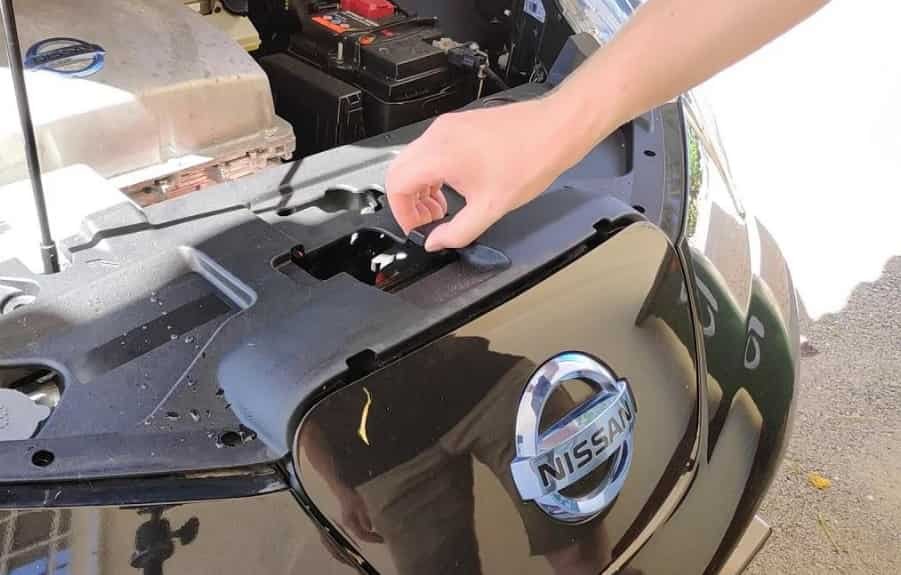
A Nissan Altima hood latch that refuses to work can quickly turn a simple maintenance task into a frustrating experience. Whether you need to check the engine oil, replace the battery, or inspect coolant levels, a hood that will not open or close properly creates unnecessary stress. In some situations, the problem is only a minor inconvenience. In others, it can become a serious safety issue if the hood fails to lock securely before driving.
Several components work together every time you pull the hood release lever. The release cable, latch assembly, striker, return spring, and safety catch must all function correctly to keep the hood operating smoothly. When just one of these parts begins to wear out or becomes damaged, the entire mechanism may stop working as expected. Dirt, corrosion, poor alignment, and a lack of lubrication are among the most common reasons behind hood latch problems on the Nissan Altima.
Fortunately, most hood latch issues are easier to diagnose than many drivers expect. Some problems require nothing more than cleaning and lubrication, while others may involve adjusting the striker or replacing a worn cable or latch assembly. Identifying the root cause early can save both time and money, and it also helps prevent more expensive repairs in the future.
This guide explains everything you need to know about a Nissan Altima hood latch that is not working. You will learn the most common causes, practical troubleshooting methods, step by step repair solutions, replacement costs, and simple maintenance tips that help keep your hood operating safely for years to come.
What Does It Mean When a Nissan Altima Hood Latch Is Not Working?
A Nissan Altima hood latch that is not working can cause several frustrating problems. You may pull the interior release lever and find that the hood does not open. In other cases, the hood opens slightly but stays locked by the safety catch. Some drivers can close the hood, but it refuses to lock securely. Each symptom points to a problem within the hood latch system.
The hood latch keeps the hood closed while allowing quick access to the engine compartment. When you pull the release lever, the release cable moves the primary latch. The hood then lifts slightly. Next, you release the safety catch by hand before opening the hood completely. If the cable stretches, the latch rusts, or the striker becomes misaligned, the system cannot work as designed.
Most hood latch problems develop over time instead of appearing suddenly. The release lever may feel loose. The hood may require extra force before it closes properly. You may also notice that the latch does not engage smoothly. In some situations, the hood rattles or moves slightly while you drive. These warning signs often indicate that the latch no longer holds the hood securely.
Ignoring these symptoms can lead to more expensive repairs and increase safety risks. Fortunately, most hood latch problems are easy to identify with a careful inspection. Once you understand how the system works, you can find the root cause more quickly. You can then choose the right repair and restore safe hood operation before the problem becomes more serious.
Common Causes of a Nissan Altima Hood Latch Not Working
Several factors can prevent a Nissan Altima hood latch from working correctly. Some problems develop because of normal wear, while others result from poor maintenance or accidental damage. Understanding the root cause helps you choose the right repair and avoid replacing parts that still work properly.
One of the most common causes is dirt and corrosion inside the latch mechanism. Dust, road salt, moisture, and old grease gradually build up around the moving parts. As this buildup increases, the latch cannot move freely. You may notice that the hood sticks, opens slowly, or refuses to release after pulling the interior lever.
A damaged hood release cable can also prevent the latch from operating correctly. The cable stretches with age and repeated use. In some cases, it snaps or becomes disconnected from the release handle. When this happens, pulling the lever no longer activates the latch, leaving the hood locked in place.
Poor hood alignment is another common issue. Even a small front end impact can shift the hood or striker out of position. As a result, the latch cannot engage or release smoothly. You may need to press down on the hood several times before it closes, or you may struggle to open it after pulling the release lever.
Lack of lubrication also contributes to hood latch failure. Metal components create friction every time the hood opens and closes. Without regular lubrication, the latch becomes stiff and wears more quickly. Rust may also develop, especially in regions with heavy rain, snow, or high humidity.
A worn hood latch assembly can create similar symptoms. The return spring may lose tension, the locking pawl may wear down, or internal components may become damaged after years of use. When these parts fail, the hood may not lock securely or may refuse to open altogether.
Finally, previous collision repairs can affect the entire hood latch system. Even if the damage appears minor, incorrect alignment during repair may place extra stress on the latch and striker. Over time, this additional pressure reduces performance and increases the risk of another failure.
Identifying the exact cause is the most important step before starting any repair. Once you know which component has failed, you can choose the correct solution and restore safe, reliable hood operation.
How to Diagnose a Nissan Altima Hood Latch Problem
Before replacing any parts, take a few minutes to inspect the hood latch system. A careful inspection can help you identify the real problem and avoid unnecessary repairs. Most hood latch issues have clear warning signs if you know where to look.
Start by pulling the hood release lever inside the cabin. Pay close attention to how the lever feels. If it moves with normal resistance, the release cable is probably still connected. If the lever feels loose or moves too easily, the cable may have stretched, disconnected, or broken.
Next, ask someone to pull the release lever while you stand in front of the vehicle. Watch the hood closely as the lever is pulled. If the hood lifts slightly, the primary latch is working. If nothing moves, inspect the release cable and latch mechanism for damage or excessive wear.
After that, examine the hood latch and striker for dirt, rust, or physical damage. Road debris, dried grease, and corrosion often prevent the latch from moving freely. Clean the area and check whether the moving parts operate smoothly by hand. Any binding or resistance may indicate that the latch needs lubrication or replacement.
You should also inspect the hood alignment. Look for uneven gaps between the hood and the front fenders. A hood that sits too high or too low may prevent the striker from engaging the latch correctly. Minor alignment problems often appear after a small collision or an improper repair.
Finally, test the hood several times after your inspection. Open and close it carefully while listening for unusual noises. A properly working hood should open smoothly, close without excessive force, and lock securely every time. If the problem remains after cleaning and lubrication, replacing the damaged component is usually the safest and most reliable solution.
How to Fix a Nissan Altima Hood Latch That Is Not Working
Once you identify the cause of the problem, you can choose the most effective repair. Many hood latch issues do not require expensive parts or professional equipment. In fact, regular maintenance and a few simple adjustments often restore normal operation.
Begin by cleaning the hood latch and the surrounding area. Remove dirt, dust, leaves, and old grease with a soft brush or a clean cloth. If you find rust on the latch, use a rust remover before cleaning the surface again. A clean latch moves more freely and reduces unnecessary wear on the internal components.
After cleaning, apply a high quality lubricant to every moving part of the latch mechanism. Open and close the hood several times to spread the lubricant evenly. This simple step reduces friction and helps the latch engage more smoothly. It also protects the metal parts from future corrosion.
If the hood still does not operate correctly, inspect the hood striker. A loose or misaligned striker can prevent the latch from locking or releasing as intended. Tighten the mounting bolts if necessary and make small alignment adjustments until the hood closes evenly. Always test the hood after each adjustment to confirm that the latch engages securely.
Next, examine the hood release cable for signs of wear or damage. A stretched cable may reduce the pulling force, while a broken cable prevents the latch from releasing completely. Replace the cable if you notice frayed strands, excessive slack, or visible damage. Installing a new cable often restores smooth and reliable operation.
In some situations, the hood latch assembly has reached the end of its service life. Worn springs, damaged locking components, or severe corrosion can prevent the latch from working properly. Replacing the complete latch assembly is usually the most reliable solution because it eliminates several potential failure points at the same time.
After completing the repair, test the hood several times before driving the vehicle. The hood should open easily, close without excessive force, and lock firmly every time. A final inspection gives you confidence that the repair has solved the problem and that the hood is safe for everyday use.
How to Prevent Future Hood Latch Problems
Preventive maintenance is the best way to keep your Nissan Altima hood latch working smoothly. A few simple habits can reduce wear, prevent corrosion, and extend the life of the entire hood latch system. Regular inspections also help you detect small problems before they become expensive repairs.
Clean the hood latch every few months, especially if you often drive on dusty roads or in areas with heavy rain and snow. Dirt, sand, and road salt can collect around the moving parts and reduce their performance over time. Removing this buildup keeps the latch operating smoothly and lowers the risk of corrosion.
Lubricating the latch is equally important. Apply a quality silicone lubricant or white lithium grease to the latch, striker, and pivot points at regular service intervals. Open and close the hood several times after applying the lubricant to distribute it evenly. Proper lubrication reduces friction and protects the metal components from moisture and rust.
You should also inspect the hood alignment during routine maintenance. Uneven panel gaps or difficulty closing the hood may indicate that the striker has shifted out of position. Correcting a minor alignment issue early can prevent unnecessary stress on the latch and release cable.
Avoid slamming the hood when closing it. Excessive force places extra pressure on the latch assembly and may damage the locking mechanism over time. Instead, lower the hood gently and allow it to latch with a firm but controlled motion. This simple habit helps preserve both the latch and the hood striker.
Finally, inspect the hood release lever and cable whenever you perform basic engine maintenance. If the lever feels loose or the cable shows signs of wear, address the issue before it fails completely. Replacing a worn cable is far less expensive than dealing with a hood that refuses to open when you need access to the engine.
Regular cleaning, proper lubrication, and routine inspections require very little time. However, these simple maintenance practices can prevent unexpected hood latch failures and help ensure that your Nissan Altima remains safe and reliable for years to come.
Conclusion
A Nissan Altima hood latch not working can range from a minor inconvenience to a serious safety concern. In many cases, the problem starts with dirt buildup, corrosion, poor lubrication, a worn release cable, or a misaligned striker. Identifying these issues early makes the repair process much easier and helps prevent additional damage to the hood latch system.
Fortunately, most hood latch problems have straightforward solutions. Cleaning the latch, applying fresh lubricant, adjusting the striker, or replacing a worn cable can often restore normal operation without extensive repairs. If the latch assembly is severely damaged or heavily corroded, replacing the entire unit is usually the safest and most reliable option.
Regular maintenance plays an important role in preventing future problems. Keeping the latch clean, lubricating moving parts, and checking the hood alignment during routine service can extend the life of the entire mechanism. These simple maintenance habits improve reliability and reduce the risk of unexpected hood latch failure.
If your Nissan Altima hood latch is not working, do not ignore the warning signs. A hood that does not open or close properly can make routine maintenance difficult and may create a safety hazard while driving. By diagnosing the problem early and choosing the correct repair, you can restore smooth hood operation and keep your Nissan Altima safe, secure, and ready for the road.