
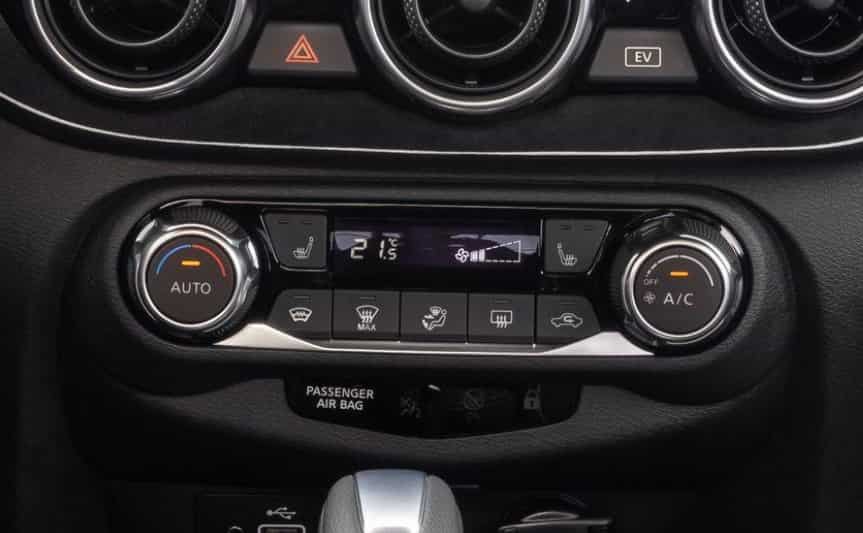
A Nissan Juke heater not working can quickly turn every drive into an uncomfortable experience, especially during cold mornings or freezing winter days. Besides keeping the cabin warm, the heating system also plays an important role in clearing fogged windows and improving visibility. When the heater stops producing warm air, it is often a sign that something within the cooling or climate control system is not functioning as it should.
Many owners notice the problem when the heater suddenly blows cold air, produces weak airflow, or fails to respond even after the engine reaches normal operating temperature. In some cases, the heat only works while driving, while others experience no airflow from the vents at all. These symptoms may seem similar, but they often point to different mechanical or electrical faults.
The good news is that many heating problems have straightforward causes. A low coolant level, a faulty thermostat, a clogged heater core, or a worn blower motor are among the most common reasons why a Nissan Juke heater stops working. Electrical issues such as a blown fuse, a defective blower motor resistor, or a malfunctioning climate control panel can also prevent the system from delivering warm air into the cabin.
This guide explains everything you need to know about a Nissan Juke heater not working. You will learn how the heating system operates, how to recognize the warning signs, and how to diagnose the most common faults step by step. You will also discover practical solutions, estimated repair costs, and maintenance tips that can help prevent the same issue from happening again. Whether you plan to fix the problem yourself or take your vehicle to a professional mechanic, this guide will help you understand the issue with confidence and make informed repair decisions.
How the Nissan Juke Heating System Works
Understanding the heating system helps you identify why a Nissan Juke heater is not working. Every component has a specific job. If one part fails, the entire system can lose heating performance.
The process starts with the engine coolant. The coolant absorbs heat as the engine runs. Once the engine reaches its normal temperature, the thermostat opens. Hot coolant then flows through the cooling system. It also enters the heater core behind the dashboard.
The heater core works like a small radiator. Hot coolant moves through its narrow tubes. At the same time, the blower motor pushes air across the hot surface. The air absorbs heat before entering the cabin. This process keeps passengers warm and clears condensation from the windshield.
The blower motor controls airflow through the vents. It should provide steady airflow at every fan speed. A faulty blower motor can reduce airflow or stop it completely. As a result, the cabin may stay cold even when the engine is fully warmed up.
The blend door controls the air direction. It decides whether air passes through the heater core or the air conditioning system. A failed blend door actuator can keep the door in the wrong position. The vents may continue blowing cold air despite a hot engine.
Other components also affect heating performance. The climate control panel manages system settings. The cabin air filter supports proper airflow. The cooling system keeps hot coolant moving. A problem with any of these parts can reduce cabin heat.
Every component depends on the others. For this reason, you should inspect the complete system instead of replacing parts without testing them first. A systematic diagnosis saves time, lowers repair costs, and helps identify the correct fault more accurately.
Quick Symptoms of a Nissan Juke Heater Not Working
A faulty heating system usually shows several warning signs before it stops working completely. Recognizing these symptoms early can help you identify the problem and avoid more expensive repairs.
One of the most common symptoms is cold air coming from the vents. The engine may reach its normal operating temperature, but the cabin never becomes warm. This often points to low coolant, a faulty thermostat, or a clogged heater core.
Some drivers notice weak airflow instead of cold air. The heater may produce some warmth, but very little air reaches the cabin. A dirty cabin air filter, a failing blower motor, or a faulty blower motor resistor can all reduce airflow.
Another common symptom is a heater that only works while driving. The air becomes warm at higher speeds but turns cold when the vehicle is idling. This usually indicates poor coolant circulation, trapped air in the cooling system, or a worn water pump.
A complete loss of airflow is another clear warning sign. If no air comes from the vents at any fan speed, the blower motor, fuse, relay, or electrical wiring may have failed.
You should also watch the engine temperature gauge. If the engine overheats or takes too long to warm up, the cooling system may be causing the heating problem. Coolant leaks, a stuck thermostat, or other cooling system faults often affect both engine temperature and cabin heat.
Some symptoms require immediate attention. A sweet smell inside the cabin may indicate a leaking heater core. Foggy windows with an oily film can point to the same issue. Ignoring these signs may lead to coolant loss, engine damage, and expensive repairs. Identifying the symptoms early makes diagnosing a Nissan Juke heater not working much faster and more accurate.
Low Coolant Level
A low coolant level is one of the most common reasons a Nissan Juke heater stops working. The heating system depends on hot coolant to produce warm air. If the coolant level drops, the heater core cannot receive enough hot coolant. As a result, the vents begin blowing cold or only slightly warm air.
Coolant levels usually fall because of a leak. The leak may come from a radiator hose, the radiator, the water pump, or the heater core. In some cases, coolant gradually disappears because the cooling system has not been serviced for a long time.
Several warning signs can help you identify this problem. The heater may blow cold air even after the engine reaches normal temperature. The temperature gauge may rise higher than usual. You may also notice coolant under the vehicle or a low coolant warning light on the dashboard.
Start by checking the coolant reservoir when the engine is completely cool. The coolant should sit between the minimum and maximum marks. If the level is low, inspect the engine bay for signs of leaks. Look around the hoses, radiator, and water pump. A pressure test may be needed if no visible leak is present.
Adding coolant may restore heat for a short time. However, it will not solve the underlying problem if the system is leaking. The leak must be repaired before the coolant level drops again.
Repair costs vary depending on the source of the leak. Topping up coolant is inexpensive. Replacing a damaged hose is also affordable. However, repairing a leaking radiator or water pump usually costs more because of additional parts and labor.
Checking the coolant level is a simple task for most owners. Finding the source of a hidden leak may require professional equipment and experience.
Faulty Thermostat
A faulty thermostat can prevent the heating system from producing warm air. The thermostat controls when coolant flows through the engine and heater core. If it becomes stuck open, the engine may never reach its normal operating temperature. As a result, the coolant stays too cool to heat the cabin.
This problem often develops gradually. Many drivers first notice that the heater takes much longer to produce warm air. In cold weather, the cabin may never become comfortable. The engine temperature gauge may also stay below its normal position during the entire trip.
A thermostat that sticks closed creates a different problem. Coolant cannot circulate properly, so the engine overheats quickly. The heater may stop working because the cooling system cannot maintain normal flow. This condition requires immediate attention because continued driving can cause severe engine damage.
You can perform a simple inspection before replacing any parts. Start the engine from cold and monitor the temperature gauge. If the gauge remains low after fifteen to twenty minutes of driving, the thermostat may be stuck open. If the engine overheats within a few minutes, the thermostat may be stuck closed. You should also compare the temperature of the upper radiator hose after the engine warms up. An unusual temperature difference may indicate restricted coolant flow.
Replacing a faulty thermostat usually restores normal heater performance if no other cooling system problems exist. The repair is relatively straightforward on most Nissan Juke models. However, the cooling system should be refilled correctly and bled afterward to remove trapped air.
The cost of replacing a thermostat is usually moderate. The exact price depends on labor rates and the engine version. In most cases, replacing the thermostat is much less expensive than repairing damage caused by engine overheating.
A thermostat replacement is suitable for experienced DIY owners with the proper tools. Drivers without mechanical experience should consider having the repair completed by a qualified technician.
Clogged Heater Core
A clogged heater core can stop warm air from reaching the cabin. The heater core relies on a steady flow of hot coolant. Over time, rust, scale, and debris can build up inside its narrow passages. This blockage reduces coolant flow and limits the amount of heat available.
The problem usually develops slowly. At first, the heater may produce less heat than normal. The air may feel warm while driving but cool down at idle. As the blockage becomes worse, the vents may blow cold air even though the engine reaches its normal operating temperature.
Several signs can help confirm a clogged heater core. One heater hose may feel much hotter than the other. This difference suggests that coolant cannot move freely through the core. Weak cabin heat, slow windshield defrosting, and inconsistent air temperature are also common symptoms.
Begin the inspection with the engine fully warmed up. Carefully check the temperature of both heater hoses. They should feel similarly warm. If one hose is much cooler, restricted coolant flow is likely. You should also inspect the coolant for rust or contamination. Dirty coolant often contributes to heater core blockage.
A heater core flush may solve the problem if the blockage is minor. Flushing removes sediment and restores coolant circulation. If the heater core remains blocked or begins leaking, replacement is usually the only permanent solution.
Repair costs vary with the severity of the problem. A heater core flush is relatively affordable. Replacing the heater core is much more expensive because the dashboard often needs to be removed. Labor accounts for most of the total cost.
Regular coolant changes help prevent heater core blockages. Fresh coolant protects the cooling system from corrosion and keeps coolant flowing through the heater core. Following the recommended service schedule can reduce the risk of future heating problems and improve the overall reliability of your Nissan Juke.
Air Trapped in the Cooling System
Air trapped inside the cooling system can prevent the heater from working properly. The heating system needs a continuous flow of hot coolant. Air pockets interrupt that flow and reduce the amount of heat reaching the heater core. Even a small amount of trapped air can affect heating performance.
This problem often appears after a coolant change or a cooling system repair. If the system is not bled correctly, air remains inside the coolant passages. The trapped air blocks circulation and creates uneven coolant flow.
Drivers usually notice inconsistent heating. The vents may blow warm air for a few minutes and then suddenly turn cold. Cabin temperature may also change while driving. In some cases, the engine temperature gauge moves up and down instead of staying steady.
You can perform a basic inspection before replacing any parts. Check the coolant level when the engine is completely cool. If the level is low, refill it with the correct coolant mixture. Start the engine and let it reach normal operating temperature. Watch for air bubbles inside the coolant reservoir if the system design allows it. Frequent bubbles may indicate trapped air or another cooling system problem.
Bleeding the cooling system is the most effective solution. This process removes trapped air and restores proper coolant circulation. Some Nissan Juke models include a simple bleeding procedure, while others may require special equipment. Following the correct procedure is important because trapped air can return if the system is not filled properly.
Repair costs are usually low when trapped air is the only issue. The service mainly involves refilling and bleeding the cooling system. However, if air continues to appear, the vehicle should be inspected for coolant leaks or damaged components.
Regular cooling system maintenance helps prevent air pockets. Always use the recommended coolant and follow the correct filling procedure after any repair. Proper coolant circulation keeps the heater working efficiently and protects the engine from unnecessary stress.
Bad Blower Motor
A bad blower motor can prevent warm air from reaching the cabin. Unlike cooling system problems, this issue does not affect coolant temperature. Instead, it stops air from moving through the heater core and into the vents.
The blower motor pushes air through the HVAC system. It works at different fan speeds and supplies steady airflow inside the vehicle. When the motor begins to fail, airflow often becomes weak or inconsistent. In severe cases, no air comes from the vents, even when the heater is set to the highest temperature.
Several warning signs can help identify a failing blower motor. The fan may only work on certain speed settings. You may hear unusual noises behind the dashboard. Squeaking, grinding, or rattling sounds often indicate worn bearings or internal damage. Some blower motors also stop working after running for several minutes because they overheat.
Start the diagnosis by switching through every fan speed. If airflow does not change or disappears completely, the blower motor or its electrical circuit may be faulty. Listen carefully for motor noise while changing the settings. A silent motor usually points to a power supply problem or a failed motor. A noisy motor often indicates mechanical wear.
You should also inspect the electrical connector and wiring for signs of damage. Loose connections or corrosion can interrupt power and produce symptoms similar to a failed blower motor. Testing the motor with a multimeter can confirm whether it receives the correct voltage.
Replacing a blower motor usually restores normal airflow immediately. The repair is straightforward on many Nissan Juke models because the motor is accessible behind the glove box. Labor costs are generally lower than repairs involving the dashboard.
Routine maintenance can help extend blower motor life. Replacing the cabin air filter at the recommended interval reduces strain on the motor and improves airflow throughout the HVAC system.
Blown Heater Fuse or Faulty Relay
A blown heater fuse or a faulty relay can stop the heating system without warning. These components protect the electrical circuit and supply power to the blower motor. If either one fails, the heater may stop working even though the cooling system operates normally.
A blown fuse usually happens because of an electrical overload or a short circuit. A relay can also wear out over time. When the relay fails, it may no longer deliver power to the blower motor. As a result, little or no air comes from the vents.
The symptoms are often easy to recognize. The heater may stop working suddenly after operating normally. The fan may remain completely silent at every speed. Other electrical accessories usually continue to work because the problem affects only the heater circuit.
Begin by locating the fuse box listed in the owner’s manual. Remove the heater fuse and inspect the metal strip inside. A broken or burned strip normally indicates a blown fuse. Replace it with a new fuse that has the same amperage rating. Never install a fuse with a higher rating because it can damage the electrical system.
If the new fuse blows immediately, another electrical fault is likely present. Damaged wiring or a failing blower motor can overload the circuit. In this situation, further testing is necessary before replacing additional parts.
The heater relay should also be inspected if the fuse appears normal. A defective relay may click weakly or fail to activate at all. Swapping it with another identical relay from the fuse box can help confirm the diagnosis if the vehicle uses matching relays.
Replacing a fuse is one of the simplest and least expensive repairs. A relay is also affordable and easy to replace in most cases. However, repeated fuse failures should never be ignored because they usually indicate a deeper electrical problem that requires professional diagnosis.
Bad Blower Motor Resistor or Control Module
A bad blower motor resistor or control module can limit airflow inside the cabin. These components control the speed of the blower motor. When they fail, the fan may only operate at one speed or stop responding completely.
The blower motor resistor is commonly used in manual climate control systems. Automatic climate control systems often use an electronic control module instead. Although the designs differ, both components regulate the amount of power sent to the blower motor.
The most common symptom is a fan that only works on the highest setting. Some vehicles lose one or two fan speeds before the blower stops working altogether. In other cases, the fan may switch speeds without any input from the driver. These problems usually become more noticeable over time.
Begin the diagnosis by testing every fan speed on the climate control panel. Watch for missing speed settings or inconsistent airflow. If the blower motor works normally on the highest setting but fails on lower speeds, the resistor is a likely cause. If the vehicle has automatic climate control, the control module should also be inspected.
A visual inspection may reveal signs of overheating. Burn marks, melted connectors, or damaged wiring often indicate excessive heat or poor electrical contact. Corrosion around the connector can also interrupt the electrical circuit and reduce blower performance.
Replacing the blower motor resistor is usually a simple repair. On many Nissan Juke models, the resistor is mounted near the blower motor and can be reached without removing the dashboard. Replacing a control module may require additional testing because other electrical faults can produce similar symptoms.
Repair costs are generally reasonable. The resistor is an inexpensive part, while an electronic control module costs more. Accurate diagnosis is important because replacing the wrong component will not restore normal airflow.
Stuck Blend Door or Faulty Blend Door Actuator
A stuck blend door or a faulty blend door actuator can prevent warm air from entering the cabin. The heating system may still produce heat, but the air never passes through the heater core. Instead, cold air continues to flow from the vents.
The blend door controls the direction of airflow inside the HVAC system. It moves between the heater core and the air conditioning evaporator. The blend door actuator operates this door using a small electric motor. If the actuator fails or the door becomes stuck, the selected temperature will not match the air coming from the vents.
The most common symptom is cold air even when the heater is set to the highest temperature. The blower motor usually works normally, and airflow remains strong. Some drivers also hear clicking or tapping sounds behind the dashboard. These noises often appear when the actuator tries to move a damaged blend door.
Start by changing the temperature from cold to hot while the engine is running. Listen for movement behind the dashboard. If no sound is present, the actuator may not be operating. If you hear repeated clicking, the actuator gears may be worn or broken.
You should also compare the temperature of the heater hoses. If both hoses are hot but the vents still blow cold air, the heater core is probably working correctly. This result increases the likelihood of a blend door or actuator problem.
Replacing the blend door actuator usually restores normal temperature control. Access to the actuator depends on the Nissan Juke model and engine configuration. Some vehicles allow easy access, while others require partial dashboard removal.
Repair costs vary according to labor time. The actuator itself is usually affordable. Labor can become the largest expense if the dashboard must be removed. Diagnosing the problem correctly before replacing parts can save both time and money.
Blocked Cabin Air Filter
A blocked cabin air filter can reduce airflow throughout the heating system. It does not change the coolant temperature, but it limits the amount of air entering the cabin. Even if the heater core is producing plenty of heat, the vents may deliver only a weak stream of warm air.
The cabin air filter traps dust, pollen, leaves, and other airborne particles. Over time, these materials build up and restrict airflow. The blower motor must work harder to push air through the clogged filter. This extra strain can also shorten the life of the blower motor.
The first sign is usually weak airflow from the vents. The fan may sound normal, but very little air reaches the cabin. Defrost performance may also become slower because less air reaches the windshield. In severe cases, unpleasant odors may appear when the heater is turned on.
Inspect the cabin air filter according to the maintenance schedule in the owner’s manual. Remove the filter and check it for dirt, leaves, or heavy dust buildup. If the filter looks dark or clogged, replace it with a new one. Most Nissan Juke models allow quick access to the filter behind the glove box.
Replacing the cabin air filter is one of the easiest maintenance tasks. The part is inexpensive, and the job usually takes only a few minutes. Regular replacement improves airflow, reduces strain on the blower motor, and helps maintain consistent heating performance throughout the year.
Faulty Climate Control Panel or Wiring Issue
A faulty climate control panel or damaged wiring can prevent the heating system from operating correctly. The control panel sends commands to the HVAC components. If those signals are interrupted, the heater may not respond as expected.
Electrical problems can appear in several ways. The temperature controls may stop responding. The fan speed may change unexpectedly. Some buttons may stop working, while the display continues to operate normally. In other cases, the entire control panel may become unresponsive.
Start by checking whether all climate control functions operate correctly. Test the temperature settings, fan speeds, air distribution modes, and air conditioning controls. If several functions fail at the same time, the problem may involve the control panel or its wiring.
A visual inspection can reveal loose connectors, damaged wires, or corrosion around electrical terminals. However, many wiring faults remain hidden inside the dashboard. Professional diagnostic equipment is often required to identify communication problems or failed electronic modules.
Repair costs depend on the exact cause. A loose connector or damaged wire may require only a simple repair. Replacing the climate control panel or an electronic module is more expensive because the new component may need programming after installation.
Electrical faults are often difficult to diagnose without specialized tools. For this reason, professional testing is recommended when basic inspections do not reveal the source of the problem. An accurate diagnosis helps avoid unnecessary parts replacement and restores normal heater operation more efficiently.
Easy Fixes You Can Try First
Before replacing expensive parts, take a few minutes to perform some basic inspections. Many heating problems have simple causes that you can identify without advanced tools. These checks may help restore normal heater performance or narrow down the source of the fault before you visit a repair shop.
Start by checking the coolant level when the engine is completely cool. The coolant should remain between the minimum and maximum marks on the reservoir. A low coolant level reduces the flow of hot coolant through the heater core, which often causes the vents to blow cold air. If the level is low, refill the system with the correct coolant and inspect the engine bay for visible leaks around the radiator, hoses, and water pump.
Next, test every fan speed and confirm that airflow changes smoothly. Weak or inconsistent airflow may indicate a failing blower motor, a damaged blower motor resistor, or a blocked cabin air filter. If the airflow feels restricted, inspect the cabin air filter and replace it if it is dirty or clogged. A clean filter improves airflow and reduces unnecessary strain on the HVAC system.
You should also switch the temperature from cold to hot while the engine is running. Listen for unusual clicking sounds behind the dashboard because they may indicate a faulty blend door actuator. Finally, monitor the engine temperature gauge during a short drive. A gauge that stays too low or rises above normal may point to a thermostat or cooling system problem. If the heater still fails after these checks, a professional inspection is the best way to identify the exact cause and prevent more expensive repairs.
When You Should Stop Driving and Call a Mechanic
Some heater problems are minor and can be fixed with basic maintenance. However, certain warning signs require immediate attention because they may indicate a serious cooling system failure. Continuing to drive under these conditions can increase repair costs and lead to severe engine damage.
One of the most important warning signs is engine overheating. If the temperature gauge rises above the normal range, stop driving as soon as it is safe to do so. An overheating engine may result from low coolant, a failed thermostat, or poor coolant circulation. Ignoring the problem can damage the head gasket, warp engine components, and shorten the life of the engine.
Coolant leaks also require immediate inspection. Look for puddles under the vehicle or signs of coolant around the radiator, hoses, or water pump. A sweet smell inside the cabin or damp carpet near the front seats may indicate a leaking heater core. These symptoms often become worse if the leak is not repaired quickly.
You should also seek professional help if the heater continues blowing cold air after you have checked the coolant level, cabin air filter, fuse, and blower motor. Modern HVAC systems contain electrical components that require specialized diagnostic equipment. Replacing parts without proper testing can increase repair costs and fail to solve the problem.
Unusual noises behind the dashboard should never be ignored. Repeated clicking, grinding, or rattling sounds may indicate a failing blend door actuator or another damaged HVAC component. A qualified technician can identify the exact fault, perform the necessary repairs, and confirm that the heating system is operating safely before you return the vehicle to daily use.
Nissan Juke Heater Repair Cost
The cost of fixing a Nissan Juke heater depends on the failed component and the amount of labor required. Simple repairs are usually inexpensive, while jobs that involve removing the dashboard or repairing the cooling system can cost much more. An accurate diagnosis is the best way to avoid replacing parts that are still working properly.
| Repair | Estimated Cost |
|---|---|
| Coolant top up | $20 to $60 |
| Thermostat replacement | $150 to $350 |
| Heater core flush | $100 to $250 |
| Heater core replacement | $700 to $1,400 |
| Blower motor replacement | $250 to $500 |
| Blower motor resistor replacement | $100 to $250 |
| Heater fuse replacement | $10 to $40 |
| Relay replacement | $20 to $80 |
| Blend door actuator replacement | $250 to $700 |
| Climate control panel repair | $300 to $900 |
Low cost repairs usually involve replacing a fuse, adding coolant, or installing a new cabin air filter. These jobs require little labor and can often be completed in less than an hour. Replacing a thermostat or blower motor costs more because additional parts must be removed during the repair.
The heater core is usually the most expensive component to replace. On many Nissan Juke models, the dashboard must be partially or completely removed to reach the heater core. Labor accounts for most of the total repair cost.
Prices also vary by location, labor rates, and model year. Genuine Nissan parts often cost more than aftermarket alternatives, but they may provide better fit and long term reliability. Requesting a complete inspection before approving repairs helps identify the real cause of the problem and prevents unnecessary expenses.
How to Prevent Nissan Juke Heater Problems
Preventive maintenance is the best way to keep your Nissan Juke heating system working efficiently. Regular inspections help detect small problems before they become expensive repairs. They also improve cabin comfort and reduce the risk of unexpected heater failure during cold weather.
Start by checking the coolant level at regular intervals. The coolant should always remain within the recommended range. Low coolant reduces heat output and may also cause engine overheating. If the level drops repeatedly, inspect the cooling system for leaks instead of simply adding more coolant.
Replacing the coolant according to the manufacturer’s service schedule is equally important. Fresh coolant protects the heater core, radiator, and water pump from corrosion. It also improves coolant circulation and helps maintain stable engine temperature throughout the year.
The cabin air filter should also be replaced at the recommended interval. A clean filter allows proper airflow through the HVAC system and reduces the workload on the blower motor. Better airflow improves both heating performance and windshield defrosting.
Pay attention to changes in heater performance. Slow warm up, weak airflow, unusual noises, or inconsistent cabin temperature often appear before a major failure. Addressing these symptoms early can prevent additional damage and lower repair costs.
You should also inspect hoses, clamps, and electrical connectors during routine maintenance. Cracked hoses, loose connections, and corroded terminals can all affect heater performance. Replacing worn components before they fail improves the reliability of the entire heating system.
Routine maintenance requires far less time and money than major repairs. Following a regular service schedule helps extend the life of the heating system, improves driving comfort, and reduces the chance of experiencing a Nissan Juke heater not working when you need it most.
Frequently Asked Questions
Why is my Nissan Juke heater blowing cold air?
The most common causes include low coolant, a faulty thermostat, a clogged heater core, trapped air in the cooling system, or a failed blend door actuator. A proper inspection can identify the exact cause before any parts are replaced.
Why does my Nissan Juke heater only work while driving?
This problem usually indicates poor coolant circulation. Low coolant, trapped air, a worn water pump, or a partially blocked heater core are common causes. The heater may lose warmth when the engine returns to idle.
Can low coolant stop the heater from working?
Yes. The heater depends on hot coolant flowing through the heater core. If the coolant level drops too low, there is not enough heat available to warm the cabin. Low coolant can also increase the risk of engine overheating.
Is it safe to drive if the heater is not working?
It depends on the cause. If the engine temperature remains normal and there are no coolant leaks, the vehicle may still be safe to drive for a short time. However, if the engine overheats or coolant is leaking, you should stop driving immediately and arrange for repairs.
How much does it cost to repair a Nissan Juke heater?
Repair costs vary with the failed component. Simple repairs such as replacing a fuse or adding coolant are inexpensive. Heater core replacement is usually the most expensive repair because it requires extensive labor. A professional diagnosis helps determine the actual cost.
Can I fix a Nissan Juke heater myself?
Some repairs are suitable for DIY maintenance. Checking coolant, replacing the cabin air filter, or installing a new fuse are common examples. More complex repairs involving the heater core, blend door actuator, or electrical system should be handled by an experienced technician.
How often should I replace the cabin air filter?
Most manufacturers recommend replacing the cabin air filter every 12,000 to 15,000 miles or once a year. Vehicles driven in dusty environments may require more frequent replacement to maintain proper airflow.
How can I prevent future heater problems?
Regular maintenance is the best prevention. Check the coolant level, replace the coolant on schedule, install a clean cabin air filter, inspect the cooling system for leaks, and address small heating problems before they become major repairs.
Conclusion
A Nissan Juke heater not working is usually the result of a problem within the cooling system, HVAC system, or electrical components. While the symptoms may appear similar, the underlying cause can vary from a simple low coolant level to a faulty blend door actuator or a clogged heater core. Understanding how each component works makes it much easier to identify the source of the problem and choose the correct repair.
This guide has covered the most common causes, practical troubleshooting steps, estimated repair costs, and maintenance tips to help you restore reliable heating performance. Many issues can be identified through basic inspections, including checking the coolant level, testing fan speeds, inspecting the cabin air filter, and monitoring engine temperature. These simple checks can save both time and money by preventing unnecessary parts replacement.
Routine maintenance remains the best way to avoid future heating problems. Keeping the cooling system in good condition, replacing worn components on time, and responding quickly to early warning signs will improve reliability and extend the life of your Nissan Juke heating system.
If your Nissan Juke heater is still not working after completing these checks, a professional diagnosis is the safest solution. Identifying the exact fault early can prevent further damage, reduce repair costs, and ensure your vehicle stays comfortable and reliable in every season.