
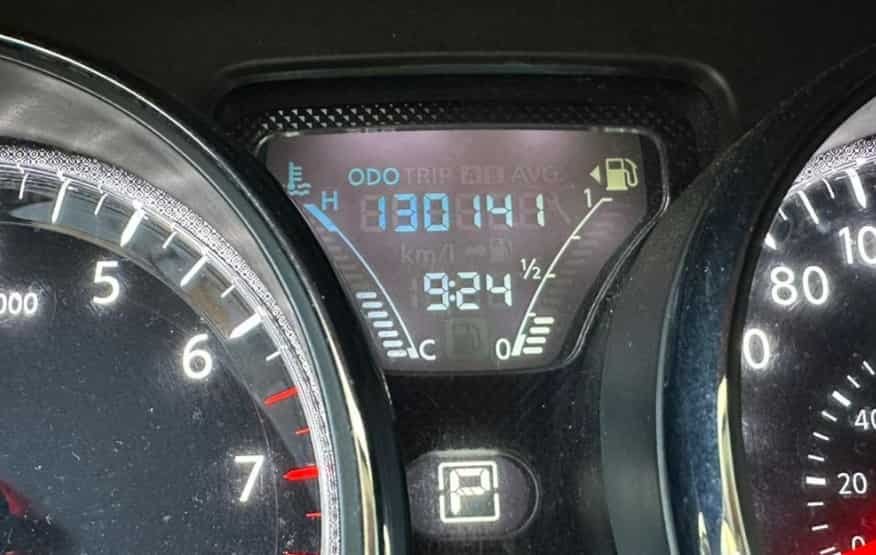
A Nissan Versa gas gauge that stops working can create unnecessary stress every time you drive. You can no longer trust the fuel reading, making it difficult to know when to refuel. The gauge may stay on empty after you fill the tank. It may remain on full for hours or move up and down without warning. These symptoms often indicate a problem that requires attention.
The good news is that many fuel gauge problems have simple causes. A worn fuel sending unit, a faulty fuel level sensor, damaged wiring, a blown fuse, or a defective instrument cluster can all prevent the gauge from displaying the correct fuel level. Some repairs are quick and inexpensive. Others require a more detailed inspection before replacing any components.
This guide explains why a Nissan Versa gas gauge stops working and how you can fix the problem. You will learn how the fuel gauge system operates, how to recognize the most common symptoms, and how to diagnose each possible cause. You will also discover practical repair solutions and estimated repair costs. With the right information, you can identify the issue faster, avoid unnecessary repairs, and restore accurate fuel level readings with confidence.
How the Nissan Versa Gas Gauge Works
Understanding how the fuel gauge works makes it much easier to identify the source of the problem. Although the system looks simple from the dashboard, several components work together to provide an accurate fuel level reading.
The process begins inside the fuel tank. A float rests on the surface of the gasoline and moves up or down as the fuel level changes. The float connects to a fuel level sensor, which many people also call the fuel sending unit. As the float moves, the sensor changes its electrical resistance and sends a signal to the vehicle’s electronic system.
The instrument cluster receives this signal and converts it into the fuel level shown on the dashboard. When every component works correctly, the gas gauge responds smoothly as the fuel level rises or falls. The gauge should also update within a short time after you refuel.
A failure in any part of this system can produce inaccurate readings. For example, a worn fuel sending unit may send the wrong signal even when the fuel tank is full. Damaged wiring can interrupt communication between the sensor and the dashboard. A blown fuse may stop the circuit from working, while a faulty instrument cluster can display incorrect information even if the sensor works normally.
Because several parts share the same job, replacing components without proper testing can waste both time and money. A careful diagnosis helps identify the real cause before any repairs begin. This approach reduces unnecessary part replacements and improves the chances of fixing the problem on the first attempt.
Common Symptoms of a Nissan Versa Gas Gauge Not Working
A Nissan Versa gas gauge usually shows several warning signs before it stops working completely. Recognizing these symptoms early can help you diagnose the problem faster and avoid running out of fuel unexpectedly. One of the most common issues is a gas gauge that stays on empty even after you fill the tank. The low fuel warning light may also remain illuminated, making it appear that the vehicle is almost out of gasoline. In many cases, this symptom points to a faulty fuel sending unit, a worn fuel level sensor, or a damaged electrical connection.
Another common symptom is a gas gauge that stays on full long after the vehicle has consumed a significant amount of fuel. The needle may refuse to move or respond very slowly regardless of how many miles you drive. Some drivers also notice that the fuel gauge moves up and down without any clear reason. The reading may change while driving on smooth roads or fluctuate every time the vehicle starts. Although a small amount of movement is normal because fuel shifts inside the tank, sudden or extreme changes usually indicate a mechanical or electrical fault.
Some Nissan Versa owners experience delayed fuel readings after refueling. The gauge may continue to display the previous fuel level for several minutes or never update at all. Others find that the gauge works normally for a few days before failing again without warning. This intermittent behavior often makes diagnosis more difficult because the problem appears and disappears randomly. Regardless of which symptom you notice, an inaccurate fuel gauge should never be ignored. A proper inspection can identify the underlying cause and prevent unnecessary repairs while restoring reliable fuel level readings.
Common Causes of Nissan Versa Gas Gauge Problems
Several components work together to display an accurate fuel level in a Nissan Versa. When one of these components fails, the gas gauge may show incorrect information or stop working completely. Understanding the most common causes helps you identify the problem more efficiently and prevents unnecessary part replacements.
The fuel sending unit is the most common cause of a faulty gas gauge. This component sits inside the fuel tank and works with a float that rises and falls as the fuel level changes. As the float moves, the sending unit changes electrical resistance and sends a signal to the instrument cluster. Over time, the internal contacts can wear out, become dirty, or lose accuracy. When this happens, the dashboard may display an empty tank even after refueling, remain stuck on full, or produce unstable readings. Because the fuel sending unit operates every time the vehicle is driven, normal wear eventually affects its performance, especially on high mileage vehicles.
A failing fuel level sensor can create similar symptoms because it measures the amount of fuel inside the tank. Dirt, corrosion, moisture, or age may reduce the sensor’s accuracy and cause incorrect signals. Drivers often notice delayed gauge movement, inaccurate fuel readings, or a low fuel warning light that remains on despite having enough gasoline. In many Nissan Versa models, the fuel level sensor works as part of the fuel pump assembly. As a result, technicians may recommend replacing multiple components at the same time if they show signs of wear.
Electrical problems also play a major role in fuel gauge failures. The wiring harness carries signals between the fuel tank and the instrument cluster. If a wire becomes damaged, loose, or corroded, the signal may weaken or disappear completely. Moisture, road salt, vibration, and heat can gradually damage electrical connectors over time. Even a small amount of corrosion can interrupt communication between components and cause the gas gauge to display random or inconsistent readings. Checking the wiring often costs far less than replacing expensive parts, making it one of the first diagnostic steps.
A blown fuse can also prevent the gas gauge from operating correctly. Although fuse failures are less common than sensor problems, they are easy to inspect and inexpensive to repair. If the circuit loses electrical power, the gauge may stop responding altogether or display incorrect information. Replacing a damaged fuse only solves the problem when the fuse is the actual cause. If a replacement fuse blows again shortly afterward, the vehicle may have a short circuit or another electrical fault that requires further diagnosis.
The instrument cluster is another possible source of the problem. The fuel gauge displayed on the dashboard depends on the cluster to interpret signals from the fuel level sensor. If the internal electronics fail, the gauge may freeze, fluctuate, or display incorrect fuel levels even though the sensor and wiring work properly. Drivers sometimes replace the fuel sending unit without success because the real fault exists inside the dashboard itself. Professional testing can determine whether the instrument cluster receives the correct signal before replacing expensive components.
Problems within the fuel pump assembly may also affect fuel gauge accuracy. In many Nissan Versa models, the fuel sending unit and fuel level sensor attach directly to the fuel pump module. Damage to this assembly can interfere with the movement of the float or interrupt communication between the sensor and the dashboard. Replacing the complete fuel pump assembly may become the most practical solution when several components show signs of wear at the same time. Although this repair costs more than replacing a single sensor, it often improves long term reliability and reduces the chance of future fuel system problems.
While each of these issues can cause similar symptoms, they do not require the same repair. Replacing parts without proper testing often increases repair costs and fails to solve the original problem. A systematic diagnosis that checks the fuel sending unit, fuel level sensor, wiring, fuse, instrument cluster, and fuel pump assembly in the correct order provides the most accurate results. This approach saves time, reduces unnecessary expenses, and restores dependable fuel gauge operation with greater confidence.
How to Diagnose a Nissan Versa Gas Gauge That Is Not Working
A proper diagnosis can save both time and money when your Nissan Versa gas gauge stops working. Many owners replace expensive parts too early without confirming the real source of the problem. A systematic inspection helps eliminate simple issues first and reduces the risk of unnecessary repairs.
Start by observing how the gas gauge behaves. Notice whether it stays on empty, remains on full, changes randomly, or fails to update after refueling. Each symptom provides valuable clues about the underlying fault. A gauge that always reads empty often points to a faulty fuel sending unit or an electrical problem. A gauge that stays on full may indicate a stuck float or a defective instrument cluster. Random fluctuations usually suggest damaged wiring or poor electrical connections.
Next, compare the fuel gauge reading with the amount of fuel you recently added. If you filled the tank but the gauge still shows a low fuel level, the sensor may not detect the change. You should also calculate how many miles you have driven since your last fill up. This simple comparison helps determine whether the dashboard reading matches the vehicle’s actual fuel consumption.
The next step is to inspect the fuse that controls the instrument cluster or fuel gauge circuit. A blown fuse can interrupt power and prevent the gauge from working correctly. If the fuse appears damaged, replace it with one that matches the original amperage. If the replacement fuse fails again, the electrical system likely contains a short circuit that requires further testing.
After checking the fuse, inspect the wiring and electrical connectors around the fuel tank whenever possible. Look for loose connectors, broken wires, corrosion, or signs of moisture. Even a small amount of corrosion can interfere with the electrical signal between the fuel level sensor and the dashboard. Cleaning or securing a connector may solve the problem without replacing any components.
An OBD scanner can also provide useful information during diagnosis. Although a faulty gas gauge does not always trigger a diagnostic trouble code, some electrical or fuel system faults may store codes that help identify the affected circuit. Reviewing these codes can reduce guesswork and narrow the list of possible causes before additional testing begins.
If the basic inspections do not reveal the problem, the fuel sending unit and fuel level sensor should be tested directly. A technician can measure the sensor’s electrical resistance while moving the float through its full range of motion. Smooth resistance changes usually indicate normal operation, while sudden jumps or open circuits suggest internal wear. If the sensor passes the test, the instrument cluster should become the next area of inspection because it may fail to display a correct reading even when the incoming signal is accurate.
A careful diagnosis always produces better results than replacing parts based on assumptions. Checking each component in the correct order helps identify the real cause of the problem, lowers repair costs, and increases the likelihood of restoring accurate fuel gauge operation on the first repair attempt.
Easy Fixes and Repair Costs
The best repair depends entirely on what causes the gas gauge to stop working. Some problems require only a few minutes to fix, while others involve replacing components inside the fuel tank. Identifying the correct cause before buying replacement parts can save a significant amount of money.
If the problem comes from a blown fuse, replacing the fuse is usually the fastest and least expensive solution. However, you should never ignore a fuse that fails repeatedly. A recurring fuse failure often indicates a wiring problem or an electrical short that requires additional testing. Simply installing another fuse without finding the underlying fault may only provide a temporary solution.
Loose electrical connectors or corroded wiring can also prevent the fuel gauge from receiving an accurate signal. Cleaning the terminals, repairing damaged wires, or securing loose connectors often restores normal operation. These repairs usually cost much less than replacing major fuel system components and should always be completed before replacing the fuel pump or instrument cluster.
A faulty fuel sending unit is one of the most common reasons for an inaccurate fuel gauge. If testing confirms that the sending unit has failed, replacing it usually restores accurate fuel level readings. Some Nissan Versa models allow technicians to replace only the sending unit, while others require replacement of the entire fuel pump assembly because the components are integrated into one module.
A worn fuel level sensor also requires replacement once it begins sending incorrect signals. Since the sensor is commonly installed inside the fuel tank, labor costs can account for a large portion of the total repair bill. Many repair shops recommend replacing the fuel pump assembly at the same time if the vehicle has high mileage. This approach reduces the likelihood of another fuel tank repair in the near future.
When the instrument cluster causes the problem, the repair process becomes more complex. In some cases, a technician can repair the internal circuit board or replace individual electronic components. If the damage is severe, replacing the entire instrument cluster may be the only practical solution. The replacement unit may also require programming so it can communicate correctly with the vehicle’s electronic control systems.
Repair costs vary depending on the model year, labor rates, and the specific component that fails. Replacing a fuse or repairing minor wiring damage typically represents the lowest cost repair. Replacing a fuel sending unit or fuel level sensor usually falls into the moderate price range because technicians must access the fuel tank. Installing a complete fuel pump assembly increases both parts and labor costs. Instrument cluster repairs can also become expensive if the unit requires replacement and programming.
Although it may seem tempting to replace the fuel pump assembly immediately, this approach often leads to unnecessary expenses when the real problem lies elsewhere. A professional diagnosis remains the most cost effective solution because it identifies the failed component before any repairs begin. Investing in accurate testing often costs far less than replacing parts that still function properly.
Can You Drive With a Broken Nissan Versa Gas Gauge?
You can still drive a Nissan Versa with a faulty gas gauge, but doing so increases the risk of running out of fuel without warning. Since the dashboard no longer displays an accurate fuel level, you cannot determine how much gasoline remains in the tank. This situation becomes even more dangerous during long trips or when driving in remote areas where fuel stations are difficult to find.
If you must continue driving before completing the repair, keep track of your mileage after every fill up. Reset the trip odometer each time you refuel and compare the distance traveled with your vehicle’s average fuel economy. This method provides a rough estimate of the remaining fuel, but it should only serve as a temporary solution. A properly functioning gas gauge remains the safest and most reliable way to monitor fuel consumption.
Ignoring a faulty gas gauge for an extended period can also hide other fuel system or electrical problems. Scheduling a diagnosis as soon as possible helps prevent additional repairs and restores confidence every time you drive.
How to Prevent Future Fuel Gauge Problems
Although some fuel gauge failures occur because of normal wear, regular maintenance can reduce the risk of unexpected problems. Avoid driving with an almost empty fuel tank whenever possible because low fuel levels increase heat inside the fuel pump assembly and may shorten the lifespan of several components. Refueling before the tank becomes nearly empty also helps protect the fuel system during everyday driving.
Inspect the vehicle’s electrical system during routine maintenance and repair damaged wiring before it causes larger problems. Clean battery terminals and electrical connectors whenever corrosion appears because poor connections can interrupt signals between the fuel level sensor and the instrument cluster. If you notice unusual fuel gauge behavior, diagnose the issue early instead of waiting for the gauge to stop working completely. Small problems are often easier and less expensive to repair than major component failures.
Frequently Asked Questions
Why is my Nissan Versa gas gauge stuck on empty?
A gas gauge that remains on empty usually indicates a faulty fuel sending unit, a worn fuel level sensor, damaged wiring, or an electrical fault that prevents the correct signal from reaching the instrument cluster.
Why does my gas gauge stay on full after I drive?
A stuck float, a defective fuel level sensor, or an instrument cluster problem can prevent the gauge from responding as the fuel level decreases.
Can a bad fuel level sensor cause inaccurate fuel readings?
Yes. The fuel level sensor measures the amount of gasoline inside the tank. When it wears out or becomes damaged, it can send incorrect information to the dashboard and cause inaccurate fuel readings.
Does a bad fuel pump always cause the gas gauge to stop working?
No. The fuel pump and the fuel level sensor are separate components, although they are often installed in the same assembly. The fuel pump may continue operating normally even if the fuel gauge fails.
Can I reset the Nissan Versa gas gauge?
A simple reset rarely fixes a mechanical or electrical failure. Turning the ignition off or disconnecting the battery may temporarily refresh the system, but the underlying problem usually remains if a component has failed.
How much does it cost to repair a Nissan Versa gas gauge?
Repair costs depend on the failed component. Replacing a fuse or repairing damaged wiring usually costs much less than replacing a fuel sending unit, a fuel pump assembly, or an instrument cluster. A professional diagnosis provides the most accurate repair estimate.
Is it safe to ignore a faulty gas gauge?
Ignoring the problem increases the chance of running out of fuel and may allow hidden electrical issues to become more serious. Repairing the fault early helps avoid unexpected breakdowns and additional repair costs.
Conclusion
A Nissan Versa gas gauge not working is more than a minor inconvenience because it affects both safety and driving confidence. While the symptoms often appear similar, the underlying cause may involve the fuel sending unit, the fuel level sensor, damaged wiring, a blown fuse, the instrument cluster, or the fuel pump assembly. Understanding how these components work together makes it easier to identify the real source of the problem and avoid replacing parts that still function correctly.
The most effective approach is to begin with a careful diagnosis instead of guessing. Inspect the fuse, wiring, and electrical connections before moving on to more complex components inside the fuel tank. If the basic checks do not solve the problem, professional testing can confirm whether the fuel sending unit, the fuel level sensor, or the instrument cluster requires replacement. Following this step by step process reduces repair costs, prevents unnecessary part replacements, and restores accurate fuel level readings. Once the problem has been repaired, your Nissan Versa will provide dependable fuel information again, allowing you to drive with greater confidence and avoid unexpected fuel related problems in the future.