
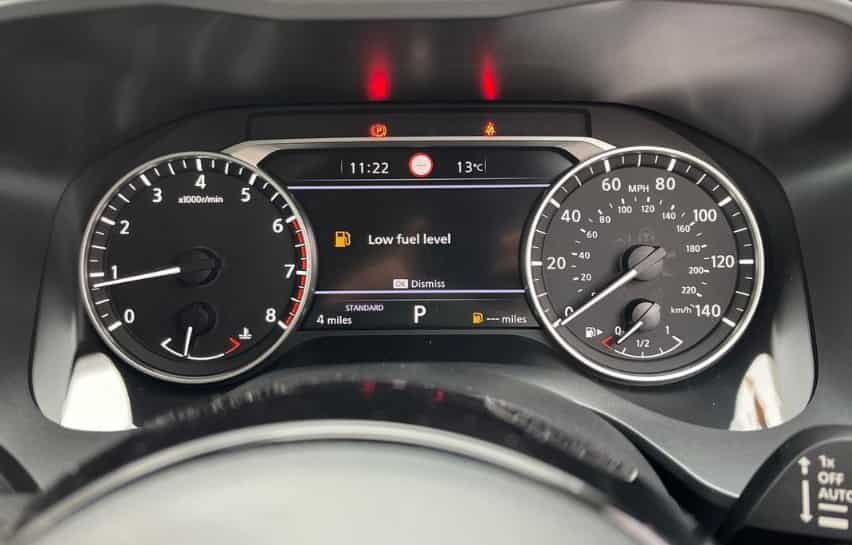
A reliable fuel gauge helps you plan every trip with confidence. When the Nissan Qashqai fuel gauge not working issue appears, you can no longer trust the fuel level shown on the dashboard. The gauge may stay on empty after refueling, remain full for too long, or display readings that change without warning. These problems make it difficult to estimate your remaining driving range and increase the risk of running out of fuel.
Several faults can trigger this problem. A worn fuel sending unit often causes inaccurate readings. A damaged fuel level sensor can also prevent the gauge from showing the correct fuel level. In some cases, a blown fuse, loose wiring, or a faulty instrument cluster interrupts communication between the fuel tank and the dashboard. Software issues may also affect the system, although they occur less often than mechanical or electrical faults.
This guide explains the Nissan Qashqai fuel gauge not working problem in clear and practical terms. You will learn how the fuel gauge system works, how to recognize the most common symptoms, and how to identify the root cause. You will also discover effective repair methods, estimated repair costs, and simple maintenance tips that help prevent future fuel gauge problems. By following these steps, you can diagnose the issue with confidence and choose the most suitable solution.
How Does the Nissan Qashqai Fuel Gauge Work?
The fuel gauge system in the Nissan Qashqai relies on several components that work together to measure the fuel level and display accurate information on the dashboard. Every time the fuel level changes, the system collects new data and updates the gauge in real time. When one component fails, the entire system can produce incorrect readings or stop responding completely. Understanding how each part works makes it easier to diagnose the problem and avoid unnecessary repairs.
The process begins inside the fuel tank, where the fuel sending unit measures the amount of fuel available. A float rises and falls with the fuel level, while a connected sensor converts that movement into an electrical signal. The signal then travels through the wiring harness to the vehicle’s electronic control system. If the float sticks, the sensor wears out, or the wiring becomes damaged, the fuel gauge may remain on empty, stay full after refueling, or display unstable readings during normal driving.
After receiving the signal, the Engine Control Unit processes the information and sends it to the instrument cluster. The dashboard then displays the current fuel level for the driver. Although the system usually works reliably, electrical faults, corroded connectors, software issues, or a damaged instrument cluster can interrupt communication between these components. Even a small wiring problem can produce symptoms that resemble a failed fuel level sensor. For this reason, checking the complete system instead of replacing parts at random is the most effective way to identify the real cause of a Nissan Qashqai fuel gauge not working issue and restore accurate fuel level readings.
Symptoms of a Faulty Nissan Qashqai Fuel Gauge
Recognizing the early signs of a faulty fuel gauge can help you avoid unexpected breakdowns and expensive repairs. The Nissan Qashqai fuel gauge not working problem does not always appear in the same way. Some drivers notice incorrect readings immediately after refueling, while others experience inconsistent fuel level changes during everyday driving. Paying attention to these warning signs can help you identify the fault before it becomes more serious.
One of the most common symptoms is a fuel gauge that stays on empty even after filling the tank. This issue often points to a faulty fuel sending unit, a damaged fuel level sensor, or a wiring problem. The opposite situation can also occur. The gauge may remain on full for an unusually long time and then suddenly drop without warning. In both cases, the displayed fuel level no longer reflects the actual amount of fuel inside the tank, making it difficult to judge the remaining driving distance.
Some vehicles develop a fuel gauge that moves up and down while driving, even when fuel consumption remains steady. Drivers may also notice that the low fuel warning light turns on too early, stays illuminated after refueling, or never appears when the tank is almost empty. In addition, the distance to empty display may calculate unrealistic driving ranges because it relies on incorrect fuel level data. If you notice one or more of these symptoms, inspect the entire fuel gauge system as soon as possible. Early diagnosis helps prevent unnecessary part replacements and reduces the risk of running out of fuel during your journey.
Common Causes of a Nissan Qashqai Fuel Gauge Not Working
Several mechanical and electrical faults can cause the Nissan Qashqai fuel gauge to stop working correctly. Although the symptoms may look similar, the underlying cause often differs from one vehicle to another. Identifying the exact fault is essential because replacing the wrong component increases repair costs without solving the problem. A careful inspection of the complete fuel gauge system usually leads to a faster and more accurate diagnosis.
The most common cause is a worn fuel sending unit. This component operates every time the fuel level changes, so normal wear eventually affects its accuracy. A damaged fuel level sensor can create similar symptoms by sending incorrect signals to the dashboard. In some cases, the float inside the fuel tank sticks because of dirt, corrosion, or physical damage. When this happens, the fuel gauge may remain on empty, stay full after refueling, or display fuel levels that change unexpectedly.
Electrical faults also play a major role. Loose wiring, damaged cables, or corroded connectors can interrupt communication between the fuel tank and the instrument cluster. A blown fuse may cut power to the fuel gauge system, while a faulty instrument cluster can display incorrect readings even when the fuel sensor works normally. Although these problems occur less frequently, they should never be ignored during diagnosis.
Software and communication issues can also affect fuel gauge performance. The Engine Control Unit relies on accurate data from the fuel level sensor to calculate the fuel level displayed on the dashboard. An outdated software version, temporary control module error, or communication fault between electronic systems may prevent the correct information from reaching the instrument cluster. Checking each possible cause in a logical order helps identify the real problem and avoids unnecessary repairs.
Step by Step Diagnosis for a Nissan Qashqai Fuel Gauge Not Working
A systematic diagnosis helps you find the real cause of the problem without replacing parts unnecessarily. Many fuel gauge faults share the same symptoms, so it is important to inspect the system in a logical order. Starting with simple checks can save both time and money before moving on to more advanced testing.
Begin by turning on the ignition and observing the dashboard. Check whether other gauges or warning lights behave normally. If several instruments stop working at the same time, the problem may involve the instrument cluster or an electrical supply issue rather than the fuel gauge itself. Next, inspect the fuse box and verify that the fuel gauge fuse has not blown. Replacing a damaged fuse is quick and inexpensive, but if the new fuse fails again, you should look for a wiring fault before installing another one.
The next step is to connect an OBD II scanner and check for stored fault codes. Although not every fuel gauge problem triggers a diagnostic code, the scan may reveal communication errors or sensor related faults that point you in the right direction. After scanning the system, inspect the wiring harness and electrical connectors for loose terminals, corrosion, or damaged insulation. Even a minor wiring problem can interrupt the signal from the fuel tank and cause inaccurate fuel level readings.
If the electrical system appears normal, inspect the fuel sending unit and fuel level sensor inside the fuel tank. Check that the float moves freely and does not stick during operation. Measure the sensor resistance according to the manufacturer’s specifications to confirm that it responds correctly throughout its full range of movement. If every component passes inspection but the gauge still displays incorrect readings, the instrument cluster or the Engine Control Unit may require professional testing, software updates, or recalibration to restore normal operation.
How to Fix a Nissan Qashqai Fuel Gauge Not Working
The correct repair depends on the root cause of the problem. Replacing parts without proper testing often leads to unnecessary expenses and does not restore accurate fuel level readings. After completing the diagnostic process, you can choose the most effective repair based on the condition of each component.
If the fuel sending unit or fuel level sensor has failed, replacing the faulty part is usually the best solution. Many Nissan Qashqai models integrate these components into the fuel pump assembly, so you may need to replace the complete unit instead of a single sensor. Always use quality replacement parts that match your vehicle specifications to ensure accurate fuel level measurements and long term reliability.
When the inspection reveals damaged wiring or corroded connectors, repair or replace the affected section before installing new components. Clean electrical terminals with a suitable contact cleaner and make sure every connector fits securely. If a blown fuse caused the problem, install a new fuse with the correct amperage. However, if the replacement fuse fails again, inspect the electrical circuit carefully because another fault is likely present.
Some fuel gauge problems result from software or communication errors rather than mechanical failures. In these situations, resetting the Engine Control Unit or updating the control module software may restore normal operation. Certain models also require fuel gauge calibration after replacing the fuel level sensor or fuel pump assembly. If the gauge still displays incorrect readings after completing these repairs, the instrument cluster may have an internal fault that requires professional testing or replacement. Performing repairs in the correct order improves repair accuracy, reduces unnecessary costs, and helps restore reliable fuel level information for everyday driving.
Can You Drive with a Broken Fuel Gauge?
You can continue driving with a faulty fuel gauge, but doing so is not a good long term solution. Without accurate fuel level information, it becomes difficult to estimate how much fuel remains in the tank. This increases the chance of running out of fuel, especially during long trips or when driving in unfamiliar areas. Even experienced drivers can misjudge the remaining driving range when the dashboard displays incorrect information.
The level of risk depends on the type of fault. A gauge that always stays on full may give a false sense of security, while a gauge that remains on empty forces you to guess when the tank needs refilling. A fluctuating gauge creates even more confusion because the displayed fuel level changes constantly during normal driving. In each situation, the vehicle may still operate normally, but the driver loses an important source of information needed for safe and efficient travel.
If you cannot repair the problem immediately, keep track of the distance driven after every refueling. Reset the trip meter each time you fill the tank and monitor your average fuel consumption. This method provides a temporary estimate of the remaining fuel, although it cannot replace a properly functioning fuel gauge. You should also avoid allowing the fuel tank to become nearly empty because this can place additional strain on the fuel pump over time.
Repairing the fuel gauge as soon as possible is the safest and most reliable solution. A properly functioning fuel gauge helps you plan refueling stops, reduces the risk of unexpected breakdowns, and gives you greater confidence during everyday driving. Addressing the problem early also prevents minor electrical or sensor faults from developing into more expensive repairs in the future.
Nissan Qashqai Fuel Gauge Repair Costs
Repair costs for a Nissan Qashqai fuel gauge can vary significantly because the final price depends on the failed component, labor charges, and the complexity of the repair. A simple electrical issue usually costs very little to fix, while replacing parts inside the fuel tank requires more time and specialized labor. Understanding these differences helps you estimate the repair budget and avoid paying for unnecessary parts.
Before approving any repair, ask the technician to complete a full diagnostic inspection. Many fuel gauge problems produce similar symptoms, but they do not always have the same cause. For example, a faulty fuel level sensor, a damaged fuel sending unit, and a loose wiring connection can all cause inaccurate fuel readings. Replacing the wrong component increases the repair cost and leaves the original problem unresolved. A proper diagnosis almost always costs less than replacing multiple parts through trial and error.
The table below provides a general estimate of common repair costs. Actual prices may vary depending on your location, the vehicle model year, labor rates, and whether you choose genuine or aftermarket replacement parts.
| Repair | Estimated Cost |
|---|---|
| Fuse replacement | $10 to $40 |
| Wiring repair | $50 to $200 |
| Fuel level sensor replacement | $150 to $400 |
| Fuel sending unit replacement | $200 to $500 |
| Fuel pump assembly replacement | $300 to $800 |
| Instrument cluster replacement | $500 to $1,200 |
| Engine Control Unit software update | $100 to $300 |
Although genuine Nissan parts usually cost more, they often provide better compatibility and longer service life. High quality aftermarket components can also be a good option when purchased from a reputable manufacturer. If your vehicle has high mileage, replacing the complete fuel pump assembly instead of only the fuel level sensor may reduce future labor costs because both components are located in the same area. Investing in the correct repair the first time improves reliability, prevents repeated workshop visits, and restores accurate fuel level readings for everyday driving.
How to Prevent Future Fuel Gauge Problems
Preventing fuel gauge problems is often easier and less expensive than repairing them. Although some components naturally wear out over time, regular maintenance can significantly reduce the risk of inaccurate fuel level readings. Keeping the fuel system and electrical connections in good condition also improves the reliability of the entire vehicle.
One of the best ways to protect the fuel gauge system is to avoid driving with an almost empty fuel tank on a regular basis. Low fuel levels force the fuel pump to work harder and increase the chance of sediment collecting around the fuel sending unit and fuel level sensor. Over time, dirt and debris can interfere with the float movement and reduce the accuracy of fuel level readings. Refilling the tank before it becomes nearly empty helps minimize unnecessary wear.
Routine inspections also play an important role. Check the wiring harness and electrical connectors for signs of corrosion, loose connections, or damaged insulation whenever the fuel system is serviced. Moisture and corrosion can interrupt electrical signals and create fuel gauge problems that appear without warning. If your vehicle develops electrical faults or dashboard warning lights, diagnose the issue as soon as possible instead of waiting for additional symptoms to appear.
Following the recommended maintenance schedule is another effective way to prevent future problems. Quality fuel, genuine replacement parts, and professional servicing all contribute to a more reliable fuel system. If the fuel pump assembly or fuel level sensor requires replacement, choose components that meet the manufacturer’s specifications to ensure accurate operation. Regular maintenance not only extends the life of the fuel gauge system but also improves overall vehicle reliability, helping you avoid unexpected repairs and enjoy greater confidence every time you drive your Nissan Qashqai.
Frequently Asked Questions
Why is my Nissan Qashqai fuel gauge stuck on empty?
A fuel gauge that remains on empty usually indicates a faulty fuel sending unit, a worn fuel level sensor, damaged wiring, or a blown fuse. In some cases, an instrument cluster fault or an electrical communication problem may also prevent the dashboard from displaying the correct fuel level. A complete diagnostic inspection is the best way to identify the exact cause.
Why does my fuel gauge stay full after I fill the tank?
A fuel gauge that stays on full often points to a stuck float, a damaged fuel level sensor, or an electrical fault that prevents the signal from changing as the fuel level drops. Ignoring this problem can increase the risk of running out of fuel because the displayed reading does not reflect the actual amount of fuel in the tank.
Can a blown fuse stop the fuel gauge from working?
Yes. A blown fuse can interrupt the electrical supply to the fuel gauge system and prevent the dashboard from receiving accurate fuel level information. If the replacement fuse fails again, inspect the wiring and related electrical components because another fault is likely causing the fuse to blow.
How much does it cost to repair a Nissan Qashqai fuel gauge?
Repair costs vary depending on the failed component and local labor rates. Minor electrical repairs may cost less than fifty dollars, while replacing the fuel pump assembly or instrument cluster can cost several hundred dollars. A professional diagnosis helps avoid unnecessary expenses by identifying the correct repair from the beginning.
Can I replace the fuel level sensor myself?
Replacing the fuel level sensor is possible if you have mechanical experience and the proper tools. However, the job often requires access to the fuel tank or fuel pump assembly. If you are unfamiliar with fuel system repairs, professional installation is the safer option because it reduces the risk of fuel leaks and electrical damage.
Will disconnecting the battery reset the fuel gauge?
Disconnecting the battery may reset some temporary electronic faults, but it rarely fixes a faulty fuel gauge permanently. If the problem results from a damaged sensor, worn fuel sending unit, or wiring issue, the incorrect fuel readings will usually return after the vehicle starts operating again.
Conclusion
A Nissan Qashqai fuel gauge that stops working should never be ignored because accurate fuel level information is essential for safe and reliable driving. Although the problem may seem minor at first, incorrect fuel readings can lead to unnecessary stress, unexpected breakdowns, and avoidable repair costs. Understanding how the fuel gauge system works and recognizing the early warning signs makes it much easier to identify the source of the fault.
In most cases, the problem originates from a worn fuel sending unit, a faulty fuel level sensor, damaged wiring, or an electrical communication issue. Following a logical diagnostic process allows you to identify the real cause before replacing any components. This approach not only saves money but also reduces the risk of installing unnecessary parts that fail to solve the problem.
Whether you choose to perform the inspection yourself or visit a qualified technician, addressing the issue as early as possible is always the best decision. A properly functioning fuel gauge provides accurate fuel level information, improves driving confidence, and helps prevent unexpected interruptions during every journey. With regular maintenance and timely repairs, you can keep your Nissan Qashqai fuel system operating reliably for many years while avoiding the common problems that lead to inaccurate fuel gauge readings.