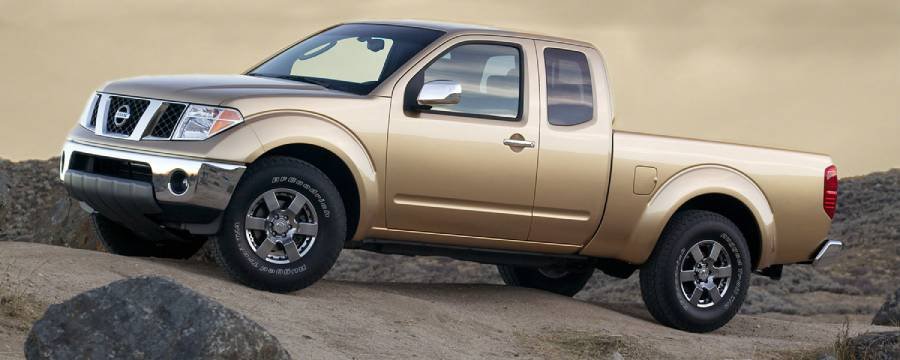
Nissan Frontier engine problems vary significantly by model year, engine, and generation, so not every Frontier carries the same level of engine-related risk. Earlier second-generation trucks deserve particular attention because certain 2005–2006 Frontiers were included in an engine-control-module recall, while other issues reported across older Frontiers involve engine noise, rough running, misfires, stalling, and warning lights. NHTSA records confirm that the 2005–2006 Frontier was included in recall 10V-517 for an engine-control-module-related defect, making model year an important factor when diagnosing or buying a used Frontier.
Newer Frontiers also need to be evaluated separately from older trucks. The 2020 model year introduced the 3.8-liter V6 and nine-speed automatic transmission, and the redesigned Frontier followed for 2022. For example, a 2022 recall covered certain 2020–2022 Frontiers equipped with nine-speed transmissions, but that defect concerned the transmission parking mechanism rather than an internal engine failure. This distinction matters because engine, transmission, sensor, and cooling-system complaints are often grouped together even though they have different causes and repair requirements.
This guide breaks down Nissan Frontier engine problems by model year and generation, then explains the associated symptoms, causes, severity, repair implications, recalls, and reliability considerations. The goal is to distinguish documented recurring issues from isolated complaints so owners and used-truck buyers can identify which problems deserve the most attention.
What Are the Most Common Nissan Frontier Engine Problems?
The most common documented Nissan Frontier engine problems include timing-chain noise on certain 2005–2010 V6 models, engine performance problems or stalling associated with the ECM relay on certain 2005–2006 trucks, and drivability symptoms such as rough running, misfires, warning lights, and loss of power that require diagnosis to identify the underlying component. The specific risk depends heavily on the model year and engine, so a problem documented for an early second-generation Frontier should not automatically be applied to later trucks.
| Engine problem or symptom | Affected years/engine | Typical signs | Severity |
|---|---|---|---|
| Secondary timing-chain wear/noise | 2005–2010 Frontier with VQ40 engine | High-frequency buzzing or whining that rises with engine RPM | Moderate to severe |
| ECM relay defect | Certain 2005–2006 Frontier models | Engine performance problems, possible stalling at low engine speeds | Severe |
| Engine misfire or rough running | Varies by model year and cause | Rough idle, hesitation, vibration, check engine light | Moderate to severe |
| Check engine light | Varies by diagnostic fault | Illuminated or flashing warning light | Minor to severe |
| Engine stalling | Depends on underlying fault | Engine shuts off or cannot maintain operation | Severe |
| Loss of engine power | Depends on underlying fault | Poor acceleration, hesitation, reduced performance | Moderate to severe |
One of the clearest documented problems affects the 2005–2010 Nissan Frontier equipped with the VQ40 engine. Nissan service bulletin NTB09-128a addresses a high-frequency buzzing or whining noise from the secondary timing-chain system. According to Nissan, the noise increases in frequency as engine RPM rises. The prescribed repair involves replacing both secondary timing chains and both secondary timing-chain tensioner shoes, followed by an engine oil and filter change.
This timing-chain condition is more specific than a generic report of “engine noise.” Nissan’s diagnostic guidance states that a noise that does not increase with engine speed may have another cause. Therefore, a whining Frontier should not automatically be diagnosed as having a timing-chain problem based on sound alone. The vehicle’s engine, model year, noise characteristics, and further mechanical diagnosis all matter.
A separate documented problem concerns certain 2005–2006 Nissan Frontiers and the engine control module relay. Nissan recall campaign PC068, corresponding to NHTSA recall 10V-517, states that oxidation on electrical contacts inside the ECM relay can cause engine performance problems and potentially allow the engine to stall at low speeds. Nissan instructed dealers to replace the affected ECM relay at no charge on eligible vehicles.
The ECM relay defect is important because stalling has a different mechanism and repair path from mechanical timing-chain wear. A Frontier that stalls does not necessarily have internal engine damage. Electrical power interruption, sensor faults, fuel or ignition problems, and other control-system faults can produce similar drivability symptoms. Diagnostic trouble codes and a mechanical inspection are therefore more useful than identifying a problem from a symptom alone.
Misfires, rough idle, check engine lights, hesitation, and reduced power should also be treated as symptoms rather than single Nissan Frontier engine defects. A misfire, for example, indicates that combustion is not occurring correctly in one or more cylinders, but the underlying cause must still be identified. Ignition, fuel-delivery, electrical, sensor, or mechanical faults can produce similar behavior. This distinction prevents an illuminated check engine light or rough idle from being incorrectly classified as evidence of engine failure.
The severity also varies substantially. Timing-chain noise requires diagnosis and can lead to a significant repair if Nissan’s documented timing-chain condition is confirmed. An ECM relay capable of causing stalling represents a more immediate safety concern. A steady check engine light may indicate a less urgent fault, while a flashing warning light, repeated stalling, severe knocking, overheating, or a major loss of power warrants prompt attention. The next step is therefore to identify which Nissan Frontier model years and engines are associated with the strongest documented patterns.
Which Nissan Frontier Model Years Have the Most Engine Problems?
The 2005–2010 Nissan Frontier model years deserve particular attention for documented engine-related issues because Nissan issued both a timing-chain service bulletin covering 2005–2010 VQ40-powered Frontiers and an ECM relay safety recall covering certain 2005–2006 Frontiers. This does not mean every truck from these years develops engine trouble; it means these model-year ranges have specific manufacturer documentation that owners and used-truck buyers can verify.
| Model years | Engine/component | Documented issue | Evidence type |
|---|---|---|---|
| 2005–2010 | VQ40 engine | Secondary timing-chain buzzing/whining | Nissan service bulletin NTB09-128a |
| 2005–2006 | ECM relay | Engine performance problems and possible low-speed stalling | Nissan recall PC068 / NHTSA 10V-517 |
| Later second-generation years | Varies | Individual engine and drivability faults require model-specific diagnosis | Complaint/diagnostic context varies |
| 2020 and newer | 3.8L V6 and associated systems | Must be evaluated separately from earlier VQ40-era problems | Different powertrain generation |
The 2005–2010 VQ40-powered Frontier has one of the strongest model-year-specific engine problem patterns because Nissan published a dedicated technical bulletin for the secondary timing-chain system. NTB09-128a applies specifically to 2005–2010 Frontier models with the VQ40 engine and instructs technicians to replace the secondary timing chains and tensioner shoes when the described condition is confirmed. The bulletin provides stronger evidence of a recognized repair condition than isolated owner reports alone.
Within this range, certain 2005–2006 Frontiers have an additional documented concern involving the ECM relay. Nissan’s recall states that oxidation of the relay’s electrical contacts may interrupt proper engine operation and create the possibility of stalling at low engine speeds. The campaign covered 2005–2006 Frontier D40 models along with several other Nissan vehicles. Owners of trucks in this range should check the individual VIN rather than assume that every 2005 or 2006 Frontier was included.
Model-year comparisons become less reliable when complaint counts are used without context. A model year with more complaints is not automatically less reliable because sales volume, vehicle age, accumulated mileage, maintenance history, and reporting behavior affect the number of complaints recorded. Manufacturer service bulletins and recalls establish that a condition was formally documented, while an individual owner complaint establishes only that the reported vehicle experienced the described event.
For this reason, 2005–2010 is better described as a model-year range requiring additional attention rather than declaring every year in that period unreliable. The strongest evidence concerns specific components and engines: the secondary timing-chain condition applies to VQ40-powered 2005–2010 Frontiers, while the ECM relay recall applies to certain 2005–2006 vehicles. These distinctions become particularly important when inspecting a used Frontier because the correct engine, VIN, service history, and previous repairs can change the risk substantially.
Owners and buyers can use the NHTSA recall lookup to check a specific Frontier by its 17-character VIN. A VIN search identifies unrepaired recalls associated with that individual vehicle rather than relying solely on model-year generalizations.
What Engine Problems Affect the 2005–2019 Nissan Frontier?
The most clearly documented engine-related problems affecting the 2005–2019 Nissan Frontier are concentrated in the earlier years of this generation, particularly the secondary timing-chain condition on 2005–2010 VQ40-powered trucks and the ECM relay defect affecting certain 2005–2006 vehicles. Other symptoms such as misfires, rough idle, check engine lights, hesitation, and stalling can occur across the generation, but these symptoms require diagnosis because they can originate from multiple ignition, fuel, electrical, emissions, or mechanical faults.
The 2005–2019 Frontier remained on the D40 platform for an unusually long production period, so a problem documented on a 2005 truck should not automatically be attributed to a 2015 or 2019 model. Age, engine configuration, mileage, maintenance history, previous repairs, and the specific diagnostic trouble codes all change the likely cause. Manufacturer documentation is particularly useful here because it identifies defined conditions and affected model ranges rather than treating every owner-reported symptom as the same defect.
What Causes Timing Chain Problems in the Nissan Frontier?
The documented timing-chain problem in 2005–2010 Nissan Frontiers with the VQ40 engine involves wear between the secondary timing chains and their tensioner shoes, producing a distinctive high-frequency buzzing or whining noise that increases with engine speed. Nissan addressed this condition in service bulletin NTB09-128a, which applies to 2005–2010 Frontier models equipped with the VQ40 engine.
The timing system synchronizes crankshaft and camshaft movement so the engine’s valves operate at the correct point in the combustion cycle. Nissan’s repair procedure for the documented condition does not call for replacing only one noisy component. The bulletin instructs technicians to replace both secondary timing chains and both secondary timing-chain tensioner shoes, followed by an engine oil and filter change. This repair scope shows why confirming the condition before replacing parts is important.
Noise characteristics provide an important diagnostic clue. Nissan specifies a high-frequency buzzing or whining sound that rises in frequency as engine RPM increases. A noise that remains unchanged as engine speed rises may originate elsewhere. Belt-driven accessories, pulleys, bearings, exhaust components, or other moving parts can create noises that owners may describe as ticking, whining, or rattling, so engine noise alone does not confirm timing-chain wear.
A used 2005–2010 Frontier with a VQ40 engine therefore deserves a cold-start and operating-temperature noise inspection. Buyers should also look for documentation showing whether the secondary timing chains and tensioner shoes have already been replaced. A completed repair can materially change the assessment of an older truck compared with another Frontier of the same year that has an unexplained RPM-related whining noise.
Engine stalling is another important issue in the early part of this generation, but it should not be confused with timing-chain wear. Certain 2005–2006 Frontiers were included in Nissan’s ECM relay recall because oxidation could develop on electrical contacts inside the relay. The resulting electrical interruption could cause engine performance problems and potentially allow the engine to stall at low speeds. This is an electrical control problem rather than evidence that the engine’s internal mechanical components have failed.
This distinction matters during diagnosis. Stalling describes what the vehicle does; it does not identify why the engine stopped running. A Frontier may stall because of an electrical power interruption, sensor signal problem, fuel-delivery fault, ignition fault, or another engine-management issue. Replacing mechanical engine parts based only on a stalling symptom can therefore miss the actual cause.
Rough idle and misfires require the same symptom-first approach. An engine misfire occurs when combustion fails to occur correctly in one or more cylinders. The driver may notice shaking at idle, hesitation during acceleration, reduced power, or an illuminated check engine light. The engine control module may also store an OBD-II diagnostic trouble code that identifies a misfiring cylinder or provides another clue to the affected system.
Several systems can produce the same misfire symptom. A worn spark plug or defective ignition component can prevent proper ignition, while a fuel-delivery problem can alter the air-fuel mixture entering the cylinder. Electrical and sensor faults can interfere with engine management, and mechanical problems can also reduce combustion quality. The diagnostic trouble code therefore provides a starting point rather than proof that a specific component must be replaced.
A check engine light should also be treated as a warning signal rather than a Nissan Frontier engine problem by itself. The malfunction indicator light comes on when the vehicle’s diagnostic system detects a fault that meets its reporting criteria. The underlying issue can involve combustion, emissions controls, sensors, ignition, fuel delivery, or another monitored system.
The behavior of the warning light helps determine urgency. A steady check engine light requires diagnosis, but the vehicle may continue to operate normally depending on the stored fault. A flashing check engine light is more urgent because it can accompany a severe misfire capable of damaging emissions components. Owners should reduce unnecessary driving and have the vehicle diagnosed promptly when the warning light flashes or when it appears together with severe shaking, loss of power, overheating, or abnormal engine noise.
Loss of power and hesitation are similarly broad symptoms. A Frontier that accelerates poorly does not automatically have a failing engine. Reduced performance can result from incorrect combustion, fuel or ignition faults, sensor inputs, airflow restrictions, exhaust restrictions, or other powertrain conditions. The correct diagnostic path combines the driver’s symptoms with OBD-II codes, live engine data, inspection findings, and model-specific service information.
Overheating deserves greater urgency because continued operation at excessive temperature can turn a cooling-system fault into major engine damage. Low coolant, a coolant leak, restricted coolant circulation, fan-related problems, or other cooling-system faults can prevent the engine from controlling operating temperature. If the temperature gauge moves into the hot range or an overheating warning appears, continuing to drive can increase the risk of cylinder-head, gasket, and other internal damage.
The key distinction across the 2005–2019 Frontier generation is therefore documented defect versus diagnostic symptom. Nissan documentation establishes a defined secondary timing-chain condition for the 2005–2010 VQ40 Frontier. Manufacturer recall documentation also establishes an ECM relay defect for certain early vehicles. By contrast, misfires, check engine lights, hesitation, loss of power, and stalling describe operating conditions whose causes must be established on the individual truck.
This approach is especially important for later 2011–2019 Frontiers. The existence of a well-documented timing-chain condition on 2005–2010 VQ40 trucks does not justify extending the same model-year claim through 2019. Later trucks can develop engine faults as they accumulate age and mileage, but each problem should be connected to its own diagnostic evidence rather than being attributed automatically to the early-generation timing-chain condition.
For a used 2005–2019 Nissan Frontier, the most useful inspection sequence is to identify the exact model year and engine first, check the VIN for incomplete recalls, review maintenance and repair records, listen for abnormal engine noise, inspect for leaks and overheating evidence, and scan the vehicle for stored diagnostic trouble codes. This process separates a truck with a known and previously corrected issue from one showing active symptoms that still require diagnosis.
What Engine Problems Affect the 2020 and Newer Nissan Frontier?
The 2020 and newer Nissan Frontier should be evaluated separately from earlier models because Nissan replaced the previous 4.0-liter VQ40 V6 with a 3.8-liter direct-injection V6 and paired it with a nine-speed automatic transmission. The 3.8-liter V6 first appeared in the 2020 Frontier before carrying over into the redesigned 2022 model. As a result, the timing-chain condition Nissan documented for 2005–2010 VQ40-powered Frontiers should not be automatically applied to these newer trucks.
The 3.8-liter V6, designated VQ38DD, produces 310 horsepower and uses gasoline direct injection. The change in engine and associated powertrain systems means that an owner experiencing a check engine light, rough running, hesitation, stalling, or loss of power on a 2020 or newer Frontier needs diagnosis specific to the newer powertrain. Similar symptoms across two generations do not establish that they share the same underlying defect.
This distinction is especially important when researching owner complaints online. A symptom is not evidence of a common engine defect unless a consistent cause can also be established. For example, a check engine light can be triggered by faults involving combustion, sensors, fuel delivery, emissions equipment, or other monitored systems. Rough running can likewise result from several different conditions. Grouping every report under “3.8L V6 engine failure” would therefore exaggerate what the available evidence demonstrates.
Owners should also distinguish engine problems from transmission problems on 2020 and newer Frontiers. Nissan and NHTSA documented a recall involving certain 2020–2022 Frontier vehicles equipped with the nine-speed automatic transmission. The affected transmission could allow the parking pawl to fail to engage properly when the driver shifted into Park, creating a rollaway risk. This was a powertrain safety issue, but it was not an internal engine defect. Treating the recall as evidence that the 3.8-liter V6 itself was defective would incorrectly connect two separate vehicle systems.
For diagnostic purposes, five warning signs deserve prompt attention on a newer Frontier: a flashing check engine light, repeated misfires or severe rough running, unexplained loss of power, repeated stalling, and overheating. These symptoms matter because they can indicate a condition that affects drivability or risks additional component damage. Their presence still does not identify the failed component; an OBD-II scan and mechanical diagnosis are needed to establish the cause.
A check engine light provides one of the most useful starting points because the engine control system can store diagnostic trouble codes associated with the detected fault. The code narrows the diagnostic path, but it should not automatically be interpreted as an instruction to replace the component named in the code description. A code associated with a cylinder misfire, for example, identifies abnormal combustion in that cylinder but does not by itself determine whether the cause is ignition, fuel delivery, wiring, compression, or another mechanical condition.
Abnormal engine noise should be handled in the same way. A ticking, knocking, rattling, or whining sound needs to be identified by its location, operating condition, engine temperature, and relationship to RPM. The timing-chain bulletin covering the earlier 2005–2010 VQ40 engine specifies a particular high-frequency noise pattern, so that bulletin should not be used as a diagnosis for a VQ38DD-powered Frontier simply because the newer engine makes a vaguely similar sound.
Overheating requires more immediate action. A 2020 or newer Frontier should not continue to be driven normally when the engine is actively overheating. Excessive temperature can damage components even when the original fault begins outside the engine itself. Cooling-system diagnosis should determine whether the problem involves coolant loss, circulation, airflow, temperature monitoring, or another component before internal engine damage is assumed.
The available evidence therefore supports a more cautious assessment of the newer 3.8-liter V6 than the older 2005–2010 timing-chain issue. There is clear manufacturer documentation tying the older VQ40 engine to a defined secondary timing-chain condition. The same evidence should not be extrapolated to the VQ38DD merely because both engines are installed in Nissan Frontiers.
For owners and used-truck buyers, the practical approach is to evaluate a 2020 or newer Frontier by VIN, diagnostic codes, maintenance history, active symptoms, recall status, and documented repairs. This provides more useful information than assuming that a complaint affecting one vehicle represents a widespread engine defect across the entire 2020-and-newer model range.
What Are the Symptoms of Nissan Frontier Engine Problems?
The main symptoms of Nissan Frontier engine problems include abnormal engine noise, rough idle or misfires, a check engine light, stalling, loss of power, and overheating. These warning signs do not identify a failed component by themselves. Their diagnostic value comes from combining the symptom with the model year, engine, operating conditions, OBD-II trouble codes, and inspection results.
| Symptom | Possible cause | Severity | Recommended action |
|---|---|---|---|
| Buzzing or whining that increases with RPM | Secondary timing-chain condition on affected 2005–2010 VQ40 engines | Moderate to severe | Have the timing system inspected |
| Rough idle or misfire | Ignition, fuel, electrical, sensor, or mechanical fault | Moderate to severe | Scan for trouble codes and diagnose the affected cylinder/system |
| Check engine light | Fault detected by the engine-management system | Minor to severe | Retrieve diagnostic trouble codes |
| Engine stalling | Electrical, fuel, ignition, sensor, or other control fault | Severe | Diagnose promptly, especially if stalling occurs while driving |
| Loss of power | Combustion, fuel, airflow, exhaust, sensor, or mechanical fault | Moderate to severe | Limit unnecessary driving and diagnose the cause |
| Overheating | Cooling-system fault or another condition affecting temperature control | Severe | Stop driving when safe and investigate the cause |
Abnormal engine noise is particularly useful when it matches a manufacturer-documented pattern. Nissan’s NTB09-128a describes a high-frequency buzzing or whining from the secondary timing-chain area on 2005–2010 Frontier models equipped with the VQ40 engine. The frequency increases as engine speed rises. This relationship with RPM helps distinguish the documented timing-chain condition from unrelated noises elsewhere in the engine compartment.
A rough idle or misfire indicates that the engine is not producing smooth, consistent combustion. The driver may feel vibration at idle, hesitation during acceleration, or reduced performance. A diagnostic trouble code can identify a cylinder or system associated with the fault, but further testing is required to determine whether the underlying problem involves ignition, fuel delivery, wiring, a sensor, or a mechanical condition.
A check engine light is a diagnostic warning, not a diagnosis. A steady light means the engine-management system has detected a fault that needs investigation. A flashing check engine light deserves greater urgency because it can accompany a severe misfire. Continuing to drive with a severe misfire can create additional problems, including damage to emissions components.
Stalling is one of the more serious symptoms because the engine stops producing power. Certain 2005–2006 Frontiers provide a documented example: Nissan’s ECM relay recall states that oxidation of electrical contacts within the relay could cause engine performance problems and allow the engine to stall at low speeds. This example also demonstrates why stalling should not automatically be interpreted as internal engine failure; the underlying defect in the recalled vehicles was electrical.
Overheating requires immediate attention because continued operation at excessive temperature can cause damage beyond the original fault. An overheating Frontier should be stopped safely rather than driven until performance deteriorates further. Diagnosis should then identify whether coolant loss, restricted circulation, airflow, or another cooling-system condition is preventing normal temperature control.
The relationship between multiple symptoms can also improve diagnosis. A check engine light combined with rough running suggests a different diagnostic path from a Frontier that has normal engine operation but produces an RPM-dependent whining noise. Likewise, overheating accompanied by coolant loss provides different evidence from an engine that stalls without an abnormal temperature reading. Symptoms are therefore most useful when interpreted together rather than individually.
What Causes Nissan Frontier Engine Problems?
Nissan Frontier engine problems can result from five main groups of causes: timing-system wear, ignition or fuel-delivery faults, electrical or sensor faults, cooling-system problems, and mechanical or maintenance-related deterioration. The importance of each cause varies by model year and engine, and only specific conditions should be described as established Nissan Frontier problems when manufacturer or other reliable evidence connects them to the vehicle.
Timing-system wear is a documented cause on certain older Frontiers. Nissan service bulletin NTB09-128a identifies a secondary timing-chain condition on 2005–2010 Frontier models equipped with the VQ40 engine. Nissan’s specified repair includes replacing both secondary timing chains and both secondary timing-chain tensioner shoes. The documented RPM-dependent buzzing or whining is therefore connected to a specific timing-system mechanism rather than to generic engine aging.
Ignition and fuel-delivery faults can cause misfires, rough running, hesitation, and reduced engine performance. Combustion requires the correct amount of air and fuel plus an ignition event at the appropriate time. A fault that disrupts this process can cause one or more cylinders to misfire. Because several components participate in combustion, a misfire code should be used to guide testing instead of automatically triggering replacement of the first component associated with the code.
Electrical and sensor faults can disrupt engine operation even when the engine’s internal mechanical components remain intact. The ECM relay recall affecting certain 2005–2006 Frontiers is a clear example. Nissan documented that oxidation on electrical contacts inside the relay could interfere with engine operation and potentially cause low-speed stalling. Replacing the affected relay addressed the electrical source of the problem rather than requiring an internal engine repair.
Sensor-related faults require similar diagnostic discipline. Modern engine management depends on electronic inputs to control functions such as fuel delivery and ignition. An incorrect or missing signal can affect drivability, illuminate the check engine light, or contribute to stalling. The relevant diagnostic trouble codes, wiring condition, electrical tests, and sensor data should be evaluated before identifying the failed component.
Cooling-system problems can become engine problems when excessive temperature is allowed to continue. The cooling system must transfer heat away from the engine and maintain an appropriate operating temperature. Coolant loss, inadequate circulation, or another cooling fault can cause overheating. Continued overheating increases the possibility that an initially external cooling problem will result in expensive internal engine damage.
Mechanical deterioration and maintenance history become increasingly important as a Frontier accumulates age and mileage. Engine oil provides lubrication to moving components, while scheduled maintenance replaces fluids and wear items before their condition affects engine operation. Missed maintenance does not prove that a particular failure will occur, but poor service history makes it harder to separate a model-specific defect from deterioration caused by long-term vehicle use.
These five cause groups should not be assigned equally to every Nissan Frontier. The strongest model-specific evidence in the earlier trucks concerns defined issues such as the VQ40 secondary timing-chain condition and the ECM relay defect. Other causes should be established through diagnosis on the individual vehicle. This distinction prevents common symptoms such as a check engine light, misfire, or stalling from being presented as evidence that all Nissan Frontier engines share the same defect.
How Serious Are Nissan Frontier Engine Problems?
Nissan Frontier engine problems range from moderate repair concerns to severe faults that require immediate attention. Severity depends on the underlying cause rather than the symptom alone. A timing-chain noise that matches Nissan’s documented condition requires mechanical repair, while repeated stalling or overheating creates a more immediate safety or engine-damage risk. A check engine light can fall anywhere on this spectrum because the warning light identifies that a fault exists without identifying its severity.
| Problem or symptom | Severity | Can You Keep Driving? | Potential Consequence |
|---|---|---|---|
| Documented timing-chain noise | Moderate to severe | Diagnosis should not be delayed | Progressive timing-system wear and larger repair |
| Steady check engine light | Minor to severe | Depends on the underlying fault | Drivability, emissions, or engine-related problems |
| Flashing check engine light or severe misfire | Severe | Avoid unnecessary driving | Additional component damage |
| Rough idle or hesitation | Moderate | Short-term operation may be possible depending on cause | Poor performance and progression of the underlying fault |
| Repeated engine stalling | Severe | Driving is not recommended until diagnosed | Loss of engine power while driving |
| Significant loss of power | Moderate to severe | Depends on severity | Reduced drivability and possible safety risk |
| Engine overheating | Severe | Stop driving when safe | Major engine damage if overheating continues |
The secondary timing-chain condition documented for 2005–2010 VQ40-powered Frontiers should be addressed rather than ignored. Nissan’s repair procedure calls for replacement of both secondary timing chains and both secondary timing-chain tensioner shoes when the specified condition is confirmed. Because the repair involves the timing system rather than an external accessory, an RPM-dependent buzzing or whining noise matching Nissan’s diagnostic description deserves inspection before continued wear creates a more complicated repair.
Repeated stalling presents a different type of risk. An engine that shuts off can remove propulsion when the driver needs it, so the cause should be diagnosed promptly. Certain 2005–2006 Frontiers illustrate this risk through Nissan’s ECM relay recall: oxidation of electrical contacts within the relay could cause engine performance problems and potentially allow the engine to stall at low speeds. The severity came from the possibility of unexpected stalling, even though the underlying problem was an electrical component rather than internal engine damage.
Overheating is one of the conditions that should stop normal driving. The original problem may begin in the cooling system, but continued excessive temperature can damage the engine itself. Driving an overheating Frontier until it loses power or stops running increases the possibility that a repair involving a cooling-system component will develop into a substantially more expensive internal engine repair.
Misfires require severity to be judged from their intensity and associated symptoms. A mild intermittent misfire and a severe continuous misfire do not represent the same situation. A flashing check engine light, strong engine vibration, substantial power loss, or worsening drivability indicates greater urgency than a stored fault with otherwise normal engine operation.
The same principle applies to a steady check engine light. The warning light alone cannot determine whether a Frontier has a minor emissions-related fault or a serious engine problem. Retrieving the stored diagnostic trouble codes is the first step. Those codes can then be combined with symptoms, live data, visual inspection, and component testing to establish the actual cause.
Owners should therefore judge severity using four factors: the underlying fault, the change in vehicle behavior, the potential for additional damage, and the safety consequences of continued driving. Stalling, overheating, severe misfires, and substantial loss of power belong at the urgent end of this scale. Less disruptive symptoms still require diagnosis, but they do not automatically mean the engine is close to complete failure.
How Much Does It Cost to Fix Nissan Frontier Engine Problems?
The cost to fix a Nissan Frontier engine problem depends on the failed component, model year, engine, labor time, parts required, and whether the fault has caused secondary damage. There is no meaningful single price for “Nissan Frontier engine repair” because replacing an electrical or ignition component and repairing a timing system require substantially different amounts of labor and parts.
A useful repair-cost hierarchy is:
| Repair category | Relative cost | Why the cost varies |
|---|---|---|
| Diagnostic testing | Low | Scan time and additional mechanical/electrical testing |
| Ignition or sensor repair | Low to moderate | Component price, accessibility, and diagnostic labor |
| Fuel-delivery repair | Moderate | Failed component and labor requirements |
| Cooling-system repair | Moderate | Source of overheating and whether the engine was damaged |
| Timing-chain repair | High | Extensive disassembly, parts, and labor |
| Internal engine repair | High to very high | Extent of mechanical damage |
| Engine replacement | Very high | Engine assembly, labor, fluids, and related parts |
Diagnosis is the first cost that should be considered because replacing parts without establishing the cause can increase the total repair bill. A misfire illustrates the problem. The symptom could originate from ignition, fuel delivery, wiring, a sensor, or a mechanical condition. Replacing several components sequentially without testing them can cost more than performing an appropriate diagnosis first.
Timing-chain work belongs toward the expensive end of the repair spectrum because the documented 2005–2010 VQ40 condition requires more than replacing a simple external component. Nissan’s service procedure specifies replacement of both secondary timing chains and both secondary timing-chain tensioner shoes, followed by an engine oil and filter change. The amount of disassembly and labor involved makes the repair fundamentally different from replacing a relay or readily accessible sensor.
The ECM relay recall on certain 2005–2006 Frontiers demonstrates the opposite situation. Nissan instructed dealers to replace the affected ECM relay under the recall campaign. An eligible vehicle with an open recall should therefore have recall status checked before an owner pays independently for a repair associated with the recalled component.
Cooling-system repair costs depend heavily on how quickly overheating is addressed. Repairing the original cooling fault is generally a different repair category from correcting engine damage caused by continued overheating. If excessive temperature damages internal engine components, the scope can expand from a cooling-system repair to cylinder-head, gasket, or other major mechanical work.
Engine replacement represents the upper end of potential repair expense, but it should not be presented as the expected outcome of common Frontier symptoms. A check engine light, misfire, stalling event, or abnormal noise does not establish that the engine needs replacement. Replacement becomes relevant when testing confirms severe internal damage or when the cost and practicality of rebuilding the existing engine make another engine assembly the preferred repair.
Exact dollar amounts also need geographic and vehicle-specific context. Labor rates vary by repair facility and location, while parts pricing changes according to model year, engine, new versus remanufactured components, and OEM versus aftermarket parts. For that reason, a broad nationwide estimate without a consistent pricing source can create false precision.
For an owner comparing repair options, the useful sequence is diagnosis → confirmed failed component → required parts and labor → possibility of secondary damage → recall or warranty eligibility → written repair estimate. This sequence produces a more reliable cost expectation than selecting an online average based only on a symptom such as “Frontier engine noise” or “Frontier check engine light.”
Are Nissan Frontier Engine Problems Covered by Recalls or Technical Service Bulletins?
Some Nissan Frontier engine-related problems are documented by recalls or Technical Service Bulletins (TSBs), but a recall and a TSB do not provide the same coverage. Certain 2005–2006 Frontiers were included in an ECM relay safety recall, while Nissan issued a TSB for the secondary timing-chain noise affecting 2005–2010 Frontiers equipped with the VQ40 engine. Owners should identify which type of document applies before assuming a repair will be performed at no charge.
A safety recall addresses a defect that the manufacturer or NHTSA has determined requires corrective action. For an eligible vehicle, the manufacturer provides the recall remedy without charging the owner. Recall eligibility is tied to the individual vehicle, which is why checking the VIN is more reliable than assuming that every Frontier produced during a listed model year is affected.
Certain 2005–2006 Nissan Frontiers were included in recall 10V-517 because of an engine control module relay defect. Nissan documented that silicon vapor could form silicon oxide on the relay’s electrical contacts, potentially causing engine performance problems and allowing the engine to stall at low speeds. The corrective action involved replacing the affected ECM relay.
This recall is relevant to an owner experiencing stalling because it establishes a specific defect and remedy for eligible vehicles. However, it does not establish that every stalling 2005–2006 Frontier has a defective ECM relay. A VIN check determines whether the truck falls within the recall population, while diagnosis determines whether an active symptom has the same cause.
The secondary timing-chain condition affecting 2005–2010 VQ40-powered Frontiers was addressed through a Nissan Technical Service Bulletin rather than the ECM-relay safety recall. Nissan bulletin NTB09-128a describes a high-frequency buzzing or whining from the secondary timing-chain area that increases with engine speed. The bulletin instructs technicians to confirm the noise and, when the specified condition is present, replace both secondary timing chains and both secondary timing-chain tensioner shoes.
A TSB primarily provides technicians with manufacturer service information for diagnosing or repairing a known condition. A TSB does not automatically mean that every affected repair is free. Payment depends on factors such as warranty coverage, applicable campaigns, vehicle eligibility, and the circumstances of the repair. This distinction is important because automotive websites sometimes describe the existence of a TSB as though it were equivalent to a safety recall.
Warranty coverage is a third, separate issue. A repair described in a TSB may be covered when the vehicle meets applicable warranty conditions, while the same repair on an older vehicle outside warranty may become the owner’s responsibility. Conversely, an open safety recall is not treated simply as an ordinary out-of-warranty repair.
Owners should therefore check engine-related coverage in three steps. First, enter the Frontier’s 17-character VIN into the NHTSA recall lookup or contact a Nissan dealer to identify open safety recalls. Second, provide the dealer or repair facility with the specific symptoms and diagnostic information rather than assuming that a recall explains the problem. Third, ask whether a relevant Nissan bulletin, warranty provision, or other service campaign applies to the confirmed repair.
This process is particularly useful when buying an older Frontier. Service records showing completion of an applicable recall or a documented timing-chain repair provide more information than model year alone. A 2008 Frontier with records showing that its timing-chain condition was properly repaired presents a different maintenance history from another 2008 truck producing an unexplained RPM-dependent whining noise.
Is the Nissan Frontier Engine Reliable?
Nissan Frontier engine reliability depends more on the specific generation, engine, model year, maintenance history, and completed repairs than on a single reliability judgment covering every Frontier. The available manufacturer documentation identifies specific problems in certain older models, but it does not support the conclusion that all Nissan Frontier engines are unreliable.
The 2005–2010 VQ40-powered Frontier deserves additional scrutiny because Nissan issued a dedicated service bulletin for the secondary timing-chain condition. This represents a defined engine-related repair concern with a specified model range, symptom, diagnostic procedure, and repair. Certain 2005–2006 trucks add another concern because of the ECM relay recall and its potential to cause low-speed stalling.
Neither issue should be extended automatically across the entire 2005–2019 generation. A documented problem affecting 2005–2010 trucks does not establish the same failure pattern in a 2015 or 2019 Frontier. Later vehicles share parts of the broader D40 generation but differ in age, production period, accumulated mileage, service history, and exposure to specific documented conditions.
The 2020 and newer Frontier also requires a separate reliability assessment because Nissan introduced the 3.8-liter VQ38DD V6 and nine-speed automatic transmission. Problems associated specifically with the older VQ40 timing-chain bulletin cannot be transferred to the newer engine without evidence connecting the VQ38DD to the same condition.
Mileage alone is also an incomplete measure of engine reliability. Two Frontiers with the same odometer reading can have substantially different mechanical conditions if one received regular oil changes, cooling-system maintenance, prompt diagnosis of warning lights, and required repairs while the other experienced neglected maintenance or repeated overheating.
Maintenance records therefore have substantial value when evaluating a used Frontier. A documented service history can show whether known problems have already been corrected and whether the engine received routine maintenance throughout its life. Records for timing-system work, cooling-system repairs, ignition maintenance, oil services, diagnostic work, and recall completion provide more useful evidence than an owner’s statement that the truck has “never had a problem.”
Current engine behavior provides another part of the reliability assessment. A Frontier that starts normally, maintains stable temperature, idles smoothly, accelerates without hesitation, produces no unexplained engine noise, and has no active warning lights presents fewer immediate diagnostic concerns than a similar truck with repeated misfires, overheating history, stalling, or abnormal timing-area noise. A pre-purchase inspection can determine whether those symptoms indicate a minor repair or a larger mechanical problem.
Used-truck buyers should consequently treat reliability as a vehicle-specific assessment within a model-year context. Earlier 2005–2010 VQ40 Frontiers warrant attention to timing-chain repair history, while certain 2005–2006 trucks should also be checked for ECM-relay recall completion. Later second-generation and 2020-and-newer trucks should be evaluated according to their own engine, diagnostic condition, maintenance records, and applicable manufacturer information.
The evidence supports a more precise conclusion than labeling the Nissan Frontier engine simply “reliable” or “unreliable.” Specific older model years have documented engine-related concerns, but the condition of an individual Frontier depends on whether those issues apply to that vehicle, whether they were repaired correctly, and how the truck has been maintained since.
Read more: Best Years for Nissan Frontier: Most Reliable Models
Which Nissan Frontier Years Should Used-Truck Buyers Check Carefully?
Used-truck buyers should pay particular attention to 2005–2010 Nissan Frontiers with the VQ40 engine because Nissan documented a secondary timing-chain condition for this model-year range, while certain 2005–2006 Frontiers also require verification of the ECM relay recall. These years should receive additional inspection rather than being automatically rejected, because repair history and the condition of the individual truck can materially change the buying decision.
For a 2005–2010 VQ40-powered Frontier, one of the first checks should be the timing system. Nissan’s NTB09-128a identifies a high-frequency buzzing or whining noise from the secondary timing-chain area that increases in frequency with engine RPM. A truck producing this specific noise deserves further diagnosis, while service records showing previous replacement of both secondary timing chains and tensioner shoes can establish that the documented repair was already performed.
Buyers considering a 2005 or 2006 Frontier should also check the VIN for the ECM relay recall. The recall covered certain vehicles rather than every Frontier produced during those model years. Nissan documented that oxidation on electrical contacts within the relay could cause engine performance problems and potentially allow the engine to stall at low speeds. Confirming recall completion is therefore more useful than simply categorizing every 2005–2006 Frontier as problematic.
Later 2011–2019 Frontiers should not automatically inherit the timing-chain claim attached to the earlier 2005–2010 range. Buyers should instead focus on the condition of the individual vehicle: abnormal engine noises, stored diagnostic trouble codes, warning lights, rough running, fluid leaks, overheating evidence, maintenance history, and previous repairs. A high-mileage truck with complete service documentation can present a different risk profile from a lower-mileage vehicle with an unknown maintenance history.
The 2020 and newer Frontier requires another separate assessment because these trucks use the 3.8-liter VQ38DD V6 rather than the earlier 4.0-liter VQ40 engine. Buyers should not use the older VQ40 timing-chain bulletin as evidence that the newer engine has the same problem. Instead, the inspection should focus on active symptoms, diagnostic codes, maintenance records, applicable recalls, and evidence specific to the newer powertrain.
Service history is particularly valuable when comparing two trucks from the same model year. Records can establish whether the engine received regular oil services, whether previous warning lights were properly diagnosed, whether cooling-system problems were corrected, and whether major engine-related repairs have already been performed. Missing records do not prove neglect, but they remove evidence that could otherwise support the condition of the vehicle.
A pre-purchase engine inspection should include six main checks: cold-start behavior, abnormal engine noise, idle quality, diagnostic trouble codes, cooling-system condition, and maintenance history. Starting the engine from cold can reveal noises or drivability symptoms that may be less noticeable after the engine reaches operating temperature. The engine should then be observed through idle and normal acceleration for misfires, hesitation, unusual vibration, or loss of power.
An OBD-II scan adds information that a visual inspection cannot provide. Stored, pending, or active trouble codes can identify systems that need further diagnosis even when the dashboard warning light is not currently illuminated. Buyers should be cautious when readiness monitors have recently been reset, because this can occur after codes are cleared and may leave insufficient drive-cycle data to determine whether a fault will return.
Cooling-system condition also matters because evidence of repeated overheating can change the risk of buying an otherwise normal-running Frontier. Coolant leaks, abnormal temperature behavior, contaminated fluids, or documented overheating events deserve further investigation. The goal is to determine whether the vehicle only needs a defined external repair or has evidence of more extensive engine damage.
For this reason, “years to check carefully” is more accurate than “years to avoid.” The strongest manufacturer documentation points buyers toward specific issues in specific model ranges. It does not establish that every vehicle from those years will experience the problem or that a properly repaired truck is necessarily a poor purchase.
How Can You Reduce the Risk of Nissan Frontier Engine Problems?
Nissan Frontier owners can reduce the risk of preventable engine damage through six actions: follow the correct maintenance schedule, maintain proper engine oil condition, respond promptly to warning lights, investigate abnormal engine noise, address overheating immediately, and complete applicable recalls. These actions cannot eliminate every component failure, but they can prevent smaller faults from progressing into more expensive engine damage.
Following the maintenance schedule establishes the baseline. Engine oil, filters, spark plugs, fluids, and other service items have specified inspection or replacement requirements that vary according to model year, engine, mileage, and operating conditions. Owners should use the maintenance schedule applicable to their specific Frontier rather than relying on a generic interval intended for all Nissan trucks.
Engine oil maintenance is particularly important because internal engine components depend on adequate lubrication. Oil condition, oil level, and the correct specification all affect the lubrication system’s ability to protect moving components. An unexplained drop in oil level should be investigated rather than repeatedly corrected without determining why the oil is being lost.
Warning lights should also trigger diagnosis instead of being treated as maintenance reminders. A check engine light means the vehicle has detected a fault that meets its reporting criteria. Reading the stored diagnostic trouble codes provides a starting point for identifying the affected system. A flashing check engine light, severe misfire, substantial power loss, or repeated stalling deserves more urgent attention than a vehicle that continues to operate normally with a steady warning light.
Abnormal engine noises should be investigated according to their characteristics rather than ignored until they become louder. This is particularly relevant to 2005–2010 VQ40-powered Frontiers because Nissan documented a secondary timing-chain condition associated with a high-frequency buzzing or whining that increases with engine RPM. Identifying the sound early allows the owner or technician to determine whether it matches the documented condition or originates from another component.
Overheating requires an immediate response because temperature-related damage can continue while the engine is running. If the temperature rises abnormally, the driver should stop the vehicle safely and investigate the cooling-system problem rather than attempting to complete a journey with an overheating engine. Continued operation can transform a repairable cooling fault into substantially more expensive mechanical damage.
Recall status should be checked periodically, particularly after purchasing a used Frontier with incomplete service records. Recall applicability is based on the individual vehicle, so owners should use the VIN rather than model year alone. An open recall provides a defined manufacturer remedy and should not be ignored simply because the vehicle currently appears to operate normally.
Finally, owners should avoid diagnosing a Nissan Frontier by replacing parts based solely on symptoms. A check engine light, misfire, rough idle, stalling, or loss of power identifies an operating problem but does not identify the failed component. OBD-II codes, electrical testing, mechanical inspection, service information, and the vehicle’s repair history should be combined to establish the cause before major parts are replaced.
Preventive maintenance is therefore most effective when combined with early diagnosis. Routine service reduces maintenance-related deterioration, while prompt investigation of new symptoms limits the amount of time a developing fault can affect other components. For older Frontiers, this approach should be combined with model-specific checks for documented issues rather than a generic maintenance checklist.