Many Nissan Versa owners do not know exactly what type of transmission their vehicle uses until they need maintenance, repairs, or want to sell their car. Understanding whether your Nissan Versa has a CVT transmission is important because CVT systems require specific maintenance procedures, the correct fluid type, and proper care to maintain long term reliability.
So, how do I know if my Nissan Versa has a CVT transmission? The answer depends on several factors, including your vehicle’s model year, trim level, VIN information, owner documentation, and transmission characteristics. While some Nissan Versa models use continuously variable transmissions, others may have different transmission options depending on the year and configuration.
A CVT transmission works differently from a traditional automatic gearbox. Instead of shifting through fixed gears, it uses a variable pulley system to provide smooth acceleration and improve fuel efficiency. This technology is one reason many Nissan Versa models deliver excellent economy for daily driving.
In this guide, you will discover 7 easy ways to check if your Nissan Versa has a CVT transmission. Whether you are a current owner, a used car buyer, or simply want to understand your vehicle better, these methods will help you identify your transmission type with confidence.
What Is a CVT Transmission in a Nissan Versa?
A CVT transmission means Continuously Variable Transmission. It is an automatic gearbox that changes gear ratios without using fixed gears. Instead of shifting between several gears, a CVT uses a belt and pulley system to adjust power delivery smoothly.
Many Nissan Versa models use CVT technology because it improves fuel efficiency and creates a smoother driving experience. A traditional automatic transmission changes gears in noticeable steps. A CVT keeps the engine running at the most efficient speed during acceleration.
The Nissan Versa CVT transmission offers several benefits for daily driving. It helps reduce fuel consumption and provides smooth power delivery in city traffic. These advantages make the Versa a practical choice for drivers who want an affordable and efficient vehicle.
However, CVT systems need proper maintenance to perform well. Nissan Versa owners should use the correct transmission fluid and follow recommended service intervals. The wrong fluid or poor maintenance can affect transmission performance.
Knowing your transmission type helps you make better maintenance decisions. It also helps you understand possible repair costs and avoid using incorrect service procedures. Before changing fluid or buying replacement parts, you should confirm whether your Nissan Versa uses a CVT transmission.
7 Easy Ways to Know If Your Nissan Versa Has a CVT Transmission
Check Your Nissan Versa Model Year and Trim Level
Your Nissan Versa model year and trim level can help you identify the transmission type. Nissan has used different transmission options throughout the Versa lineup. The transmission depends on the production year and vehicle configuration.
First, find your Nissan Versa model year. You can check your registration documents, insurance records, or the label inside the driver’s side door. Next, find your exact trim level because different trims may have different equipment.
Many newer Nissan Versa models with automatic transmissions use CVT technology. However, some older Versa models may offer other transmission choices. This means you cannot confirm the transmission type by looking at the vehicle name alone.
Checking the model year gives you a good starting point. For a more accurate answer, combine this information with a VIN check, owner’s manual review, or factory specification lookup. These methods help you confirm the exact transmission installed in your Nissan Versa.
Look at the Gear Selector Markings
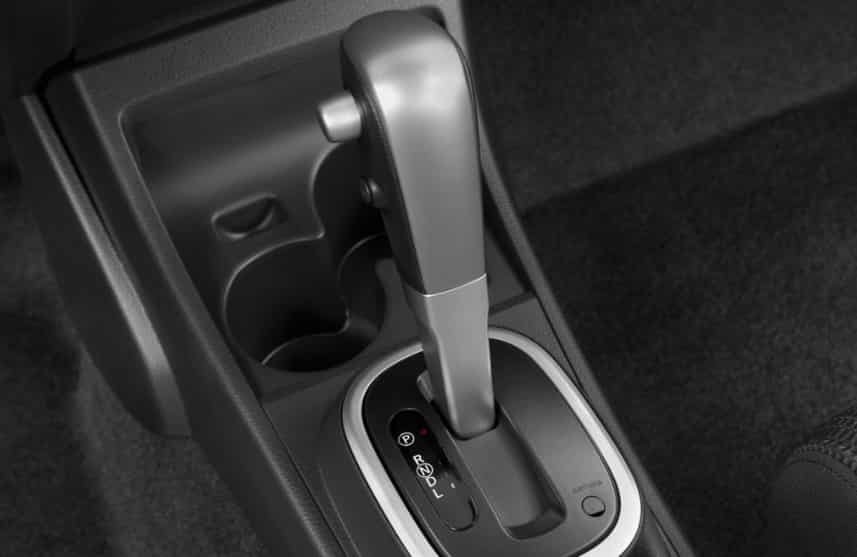
The gear selector can provide useful clues about your Nissan Versa transmission type. Many CVT vehicles have a similar shifter layout to traditional automatic vehicles, but some details can help you identify the system.
Start by checking the letters and symbols around the gear selector. Most Nissan Versa models include standard positions such as Park, Reverse, Neutral, and Drive. Some models may also include additional settings for different driving conditions.
A CVT transmission does not use traditional fixed gears like a regular automatic transmission. Because of this, you may not see common gear selections such as 1, 2, or 3 on the shifter. Instead, the vehicle may use options designed to control engine response and driving feel.
The gear selector alone cannot always confirm whether your Nissan Versa has a CVT transmission. Manufacturers often use similar designs across different transmission types. However, it can help you narrow down the possibilities before using other identification methods.
For a more accurate result, combine the shifter inspection with your vehicle’s model year, VIN information, and factory specifications. These details will give you a clearer picture of your Nissan Versa transmission type.
Check Your Vehicle Identification Number (VIN)
Your Nissan Versa VIN provides another reliable way to identify your transmission type. The VIN contains important information about your vehicle, including factory details and equipment specifications.
You can find the VIN in several locations. The most common places include the dashboard near the windshield, the driver’s side door frame, and your vehicle documents.
After finding your VIN, you can use a trusted Nissan vehicle information service or contact a Nissan dealer. They can check the original factory data and confirm whether your vehicle has a CVT transmission.
A VIN lookup works well because it connects directly to your specific vehicle. Two Nissan Versa models from the same year may have different features depending on the trim level and market.
Checking the VIN is especially useful when buying a used Nissan Versa. Vehicle listings sometimes contain incorrect information about the transmission. A VIN check helps you verify the details before making a purchase decision.
Knowing the exact transmission type also helps you choose the correct maintenance products. It allows you to select the right CVT fluid, service schedule, and repair information for your Nissan Versa.
Read the Owner’s Manual or Factory Build Sheet
Your Nissan Versa owner’s manual can help you identify the transmission type. The manual contains important information about your vehicle’s specifications, maintenance requirements, and recommended service procedures.
Look through the transmission section of the manual. It may mention the type of gearbox installed in your vehicle. You can also check the maintenance section because it often lists the correct transmission fluid and service recommendations.
Another useful source is the factory build sheet. This document shows the original equipment installed when Nissan produced your vehicle. It can provide details about the engine, trim level, and transmission system.
If you purchased a used Nissan Versa, the previous owner may still have these documents. You can also request vehicle information from a Nissan dealer using your VIN.
Checking official documents gives you accurate information without relying on assumptions. It helps you avoid mistakes when you need transmission service, repairs, or replacement parts.
Check Your Transmission Fluid Information
Transmission fluid information can also help you identify whether your Nissan Versa has a CVT transmission. CVT systems use specially designed fluids that differ from traditional automatic transmission fluids.
Nissan CVT transmissions often require specific CVT fluid formulas. Many Nissan models use Nissan CVT Fluid NS-3, but you should always confirm the correct fluid for your exact vehicle.
Never choose transmission fluid based only on appearance or general recommendations. Using the wrong fluid can affect how the transmission operates and may lead to expensive repairs.
You can check the fluid information through your owner’s manual or by asking a Nissan service professional. The transmission label, service records, or previous maintenance receipts may also provide useful details.
Understanding the correct fluid requirement helps you protect your Nissan Versa CVT transmission. Regular maintenance with the proper fluid can improve performance and support long term reliability.
Notice How Your Nissan Versa Drives
The way your Nissan Versa drives can provide clues about the type of transmission it uses. A CVT transmission works differently from a traditional automatic gearbox, so the driving experience may feel different.
A Nissan Versa with a CVT usually provides smooth acceleration. You may notice the engine speed changes continuously instead of feeling clear gear shifts. The vehicle increases speed without the noticeable shift points found in many automatic transmissions.
However, driving behavior alone cannot confirm the transmission type. Many modern vehicles create similar driving experiences through advanced transmission technology. Use driving characteristics as a helpful clue, not as the only identification method.
You should also pay attention to unusual transmission symptoms. A damaged CVT may produce signs such as delayed acceleration, unusual noises, vibration, or hesitation while driving. These symptoms do not always mean the transmission has failed, but they may indicate a need for inspection.
Understanding how your Nissan Versa normally drives helps you recognize changes early. Regular attention can help you identify potential problems before they become major repair expenses.
Ask a Nissan Dealer or Transmission Specialist
A Nissan dealer or qualified transmission specialist can confirm your vehicle’s transmission type quickly. They have access to manufacturer information and professional diagnostic tools that can identify the exact gearbox installed in your Nissan Versa.
A dealer can use your VIN to check factory records. This information can show the original transmission specification for your vehicle. A transmission specialist can also inspect the vehicle and provide expert advice.
Professional confirmation is especially helpful when you plan major maintenance or repairs. It prevents mistakes with replacement parts, transmission fluid selection, and service procedures.
This option may cost more than checking documents yourself. However, it provides the highest level of accuracy. If you still cannot determine whether your Nissan Versa has a CVT transmission, professional verification gives you a clear answer.
Combining professional advice with your own research helps you understand your vehicle better. It also helps you maintain your Nissan Versa with the correct information.
Which Nissan Versa Models Have a CVT Transmission?
The Nissan Versa has used different transmission options throughout its production history. Because of this, not every Versa model has the same transmission system. The easiest way to know your vehicle’s transmission type is to check the model year, trim level, and factory specifications.
Many newer Nissan Versa models with automatic transmissions use CVT technology. Nissan introduced CVT systems in many of its vehicles to improve fuel efficiency and provide smoother acceleration. The Versa became one of the models that commonly used this technology for everyday driving.
Older Nissan Versa models may have different transmission choices. Some versions offered manual transmissions or traditional automatic gearboxes depending on the year and market. This is why checking the exact vehicle details is important before making assumptions.
If you own a used Nissan Versa, do not rely only on online listings or seller descriptions. Some advertisements may contain incorrect information about the transmission. A VIN check or factory specification lookup can provide a more reliable answer.
Knowing your Nissan Versa transmission type helps you make better ownership decisions. It allows you to follow the correct maintenance schedule, choose the right fluid, and understand possible repair needs.
Why Knowing Your Nissan Versa Has a CVT Matters
Identifying your Nissan Versa CVT transmission type is more important than many owners realize. The transmission affects maintenance requirements, repair decisions, and the overall ownership experience.
The first reason is maintenance. CVT systems need specific service procedures and the correct fluid type. Using the wrong products or ignoring recommended maintenance can reduce transmission performance over time.
The second reason is repair planning. CVT repairs can become expensive when problems continue without attention. Recognizing early warning signs and understanding your transmission system can help you make better decisions.
The third reason is buying or selling a used vehicle. A buyer who understands the transmission type can evaluate the vehicle more accurately. A seller can provide better information and build trust with potential buyers.
Your Nissan Versa transmission plays an important role in how your vehicle performs every day. Taking a few minutes to confirm whether you have a CVT transmission can help you protect your investment and avoid unnecessary problems.
Frequently Asked Questions About Nissan Versa CVT Transmission
Does Every Nissan Versa Have a CVT Transmission?
No, not every Nissan Versa has a CVT transmission. Nissan has used different transmission options depending on the model year, trim level, and market. Some older Versa models may use other transmission types, while many newer automatic versions use CVT technology.
The best way to confirm your transmission type is to check your VIN, owner’s manual, or factory vehicle specifications.
How Can I Check My Nissan Versa Transmission Type by VIN?
You can check your Nissan Versa transmission type by using the vehicle identification number. The VIN connects to your vehicle’s factory information, including original equipment details.
You can find the VIN on the dashboard, driver’s side door frame, registration documents, or insurance paperwork. A Nissan dealer or trusted vehicle information service can help you verify the transmission specification.
How Long Does a Nissan Versa CVT Transmission Last?
A Nissan Versa CVT transmission can last many years when you follow proper maintenance practices. Driving habits, service history, and regular fluid changes can affect transmission lifespan.
Avoiding excessive stress on the vehicle and addressing unusual symptoms early can help protect the CVT system. Regular inspections can also help identify potential issues before they become major repairs.
What Fluid Does a Nissan Versa CVT Transmission Use?
A Nissan Versa CVT transmission requires a specific type of CVT fluid. Many Nissan CVT systems use Nissan CVT Fluid NS-3, but the correct fluid depends on the exact model and year.
Always check your owner’s manual or confirm with a Nissan service professional before changing transmission fluid. Using the wrong fluid can affect transmission performance.
What Are the Signs of a Failing Nissan Versa CVT Transmission?
Common signs of CVT problems include unusual noises, delayed acceleration, vibration, hesitation, and reduced driving performance. Some drivers may also notice changes in engine response or warning lights on the dashboard.
These symptoms do not always mean the transmission has failed. However, they indicate that you should inspect the vehicle and identify the cause as soon as possible.
Early diagnosis can help prevent more serious damage and reduce potential repair costs.
Conclusion
Knowing how to identify your Nissan Versa transmission type can help you take better care of your vehicle. If you have been asking, “How do I know if my Nissan Versa has a CVT transmission?” you now have several simple ways to find the answer.
You can check your model year, inspect the gear selector, review your owner’s manual, use your VIN, check transmission fluid information, observe driving behavior, or ask a Nissan professional. Each method provides useful information, but combining multiple checks gives you the most accurate result.
Understanding whether your Nissan Versa uses a CVT transmission helps you choose the correct maintenance products, follow the right service schedule, and prepare for possible repair needs. It also gives you more confidence when buying or selling a used Versa.
A CVT transmission can provide smooth performance and excellent fuel efficiency when you maintain it correctly. Taking a few minutes to confirm your transmission type can protect your investment and help your Nissan Versa deliver reliable performance for years.
Do you know if your Nissan Versa has a CVT transmission? Share your model year and trim level in the comments. Your experience may help other Versa owners identify their transmission type.