Many RV owners want the freedom to explore new places with an electric vehicle. This raises an important question: Can A Nissan Leaf Be Towed Behind An RV safely? The Nissan Leaf attracts many travelers because it offers low running costs, quiet performance, and simple daily operation.
At first, bringing a Nissan Leaf on an RV trip sounds easy. Owners imagine parking their motorhome and using the Leaf for short trips, city visits, and local adventures. However, electric vehicles work differently from traditional gasoline cars. Their electric motors, battery systems, and braking technology create unique towing challenges.
Many RV travelers worry about damaging their vehicle during transportation. They want to avoid expensive repairs, battery problems, and unexpected safety issues. Choosing the wrong towing method can create unnecessary risks for both the Nissan Leaf and the RV.
Understanding the right towing approach helps owners protect their investment. This guide explains whether a Nissan Leaf can travel behind an RV, what risks owners should consider, and which towing methods provide the safest solution. You will also discover alternative options for RV travelers who want the convenience of electric mobility during long journeys.
Can A Nissan Leaf Be Towed Behind An RV?
The short answer is that most Nissan Leaf models are not designed for traditional flat towing behind an RV. Unlike many gasoline vehicles, the Nissan Leaf uses an electric drivetrain that works differently during movement. RV owners cannot treat it like a standard passenger car with a simple tow bar connection.
The Nissan Leaf uses an electric motor connected to the front wheels. When the wheels turn, the drivetrain components also interact with the vehicle’s electrical systems. This design creates concerns when the vehicle moves without active control from the driver. Continuous wheel rotation may affect components that manufacturers did not design for this type of transportation.
Many RV owners use flat towing because it offers convenience. Flat towing means the vehicle follows behind the motorhome with all four wheels touching the road. This method works well for some vehicles because they have transmissions and mechanical systems designed to handle the process.
However, electric vehicles require different considerations. The Nissan Leaf includes a high voltage battery pack, electric motor, and regenerative braking system. These technologies need proper management to maintain performance and reliability.
Before towing a Nissan Leaf behind an RV, owners should check the vehicle manufacturer’s recommendations and understand the towing limitations. Ignoring these guidelines may create risks that include drivetrain problems, increased wear, or costly repairs.
For most Nissan Leaf owners, using a suitable trailer or another approved transportation method provides a safer solution. This approach keeps the vehicle’s wheels and electric systems protected while allowing RV travelers to enjoy the benefits of bringing an EV on their journey.
Can You Flat Tow A Nissan Leaf Behind A Motorhome?
Flat towing is one of the most popular methods among RV owners who want to bring a smaller vehicle on their travels. This method allows a car to follow directly behind a motorhome with all four wheels on the ground. Many travelers choose flat towing because it saves space and makes setup easier at campsites.
However, can you flat tow a Nissan Leaf behind a motorhome? In most cases, the answer is no. The Nissan Leaf does not have a traditional transmission system that supports this type of towing. Its electric drivetrain requires specific operating conditions to work correctly.
A gasoline powered vehicle often uses a transmission that separates the engine from the wheels during towing. This design helps prevent unnecessary movement inside the drivetrain. The Nissan Leaf works differently because its electric motor connects directly with the wheels.
When a Nissan Leaf moves without power from the battery system, the rotating wheels can affect internal electric components. The vehicle also uses regenerative braking technology, which manages energy flow during driving. Flat towing may create situations that the vehicle system does not expect.
Another important factor involves manufacturer guidelines. Vehicle manufacturers test their cars under specific conditions. If a towing method does not appear in the official recommendations, owners should carefully consider the possible risks.
RV travelers often choose flat towing because it provides convenience. However, convenience should not come at the expense of vehicle protection. For Nissan Leaf owners, trailer towing or other approved transportation methods usually offer better protection.
Understanding how flat towing works helps RV owners make smarter decisions. Instead of assuming every vehicle can follow behind a motorhome, travelers should consider the technology inside their car and choose a towing method that matches its design.
Why Towing A Nissan Leaf With All Four Wheels Down Can Be Risky
Many RV owners prefer towing a vehicle with all four wheels on the ground because the setup feels simple and convenient. However, this method can create several concerns when the vehicle uses electric technology. A Nissan Leaf does not operate like a traditional gasoline car, and its systems need special attention during transportation.
One major concern involves the electric motor. The Nissan Leaf uses an electric drivetrain that connects directly to the wheels. When the wheels rotate during towing, the motor and related components may move without normal driving conditions. This movement can create stress on parts that support the vehicle’s electric system.
The battery system creates another important consideration. The Nissan Leaf depends on a high voltage battery pack to store and deliver energy. Although towing does not automatically damage the battery, unexpected electrical activity may create problems if the vehicle does not support this type of movement.
Regenerative braking also plays a role in EV towing safety. This technology allows the Nissan Leaf to recover energy when the vehicle slows down. During normal driving, the system works with the vehicle controls and battery management system. Towing creates a different situation because the car moves without driver input.
Another risk involves unexpected repair costs. Electric vehicle components often require specialized knowledge and equipment. A towing mistake could lead to expensive inspections or repairs. Many owners want to avoid these problems, especially during long RV trips far from home.
Safety should always come before convenience. RV travelers should research their towing options carefully and follow Nissan’s recommendations. Using a method that protects the drivetrain, battery system, and overall vehicle condition helps owners enjoy their journey with greater confidence.
For Nissan Leaf owners, understanding these risks makes it easier to choose the right transportation solution. A safer towing method can protect the vehicle and provide a more enjoyable RV travel experience.
Best Ways To Transport A Nissan Leaf Behind An RV
Since traditional flat towing may create concerns for a Nissan Leaf, many RV owners look for safer transportation methods. The right towing solution can protect the electric drivetrain, reduce stress on vehicle components, and provide peace of mind during long trips.
Choosing the best method depends on several factors. Owners should consider travel distance, RV towing capacity, budget, storage space, and how often they plan to transport the vehicle. Each option offers different benefits and limitations.
Using A Flatbed Trailer
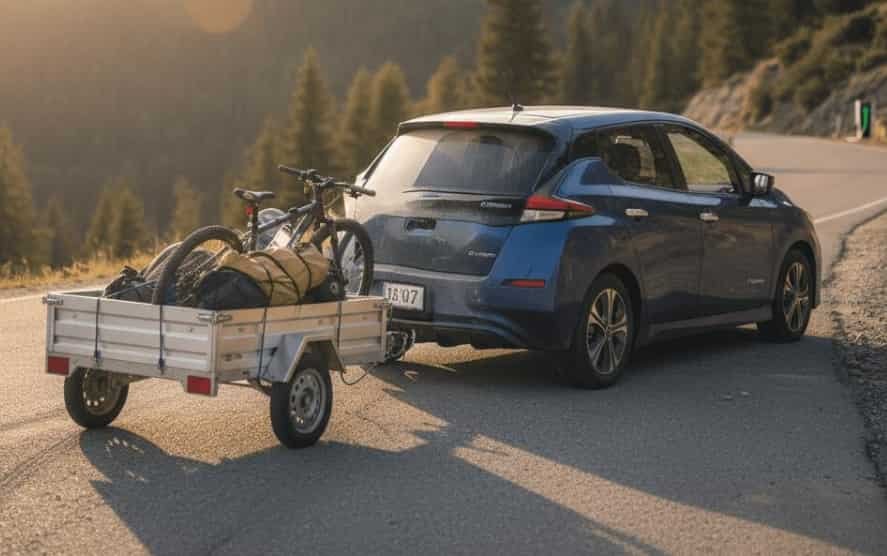
A flatbed trailer is one of the safest ways to transport a Nissan Leaf behind an RV. This method keeps all four wheels of the vehicle off the road. The electric motor, tires, and drivetrain remain inactive during transportation.
A flatbed trailer provides excellent protection because the Nissan Leaf does not need to move under towing conditions. This option works well for long distance travel because it reduces wear on the vehicle.
The main disadvantage involves size and cost. A trailer requires more storage space and adds extra weight behind the RV. Owners also need to consider the additional towing capacity required by their motorhome.
Using A Tow Dolly
A tow dolly offers another option for some RV travelers. This equipment lifts the front wheels while the rear wheels remain on the ground. Many gasoline vehicles use tow dollies because they provide a balance between convenience and cost.
However, Nissan Leaf owners should carefully check compatibility before choosing this method. The vehicle’s front wheel drive system and electric components require proper handling during transportation.
A tow dolly may cost less than a full trailer, but it does not provide the same level of protection. Owners should confirm whether this method matches their specific Nissan Leaf model and towing requirements.
Using A Vehicle Transport Trailer
A vehicle transport trailer provides the highest level of protection for a Nissan Leaf. This method carries the entire vehicle and prevents wheel movement during travel.
Many RV owners choose this option for extended road trips. It reduces concerns about drivetrain movement, battery system activity, and unexpected vehicle stress.
The downside is that transport trailers require more preparation. They add weight, increase fuel consumption, and need additional parking space. However, the extra protection often makes them a valuable choice for owners who want maximum safety.
Selecting the right towing method helps Nissan Leaf owners enjoy RV travel without unnecessary risks. A safe transportation approach protects the vehicle and allows travelers to focus on the adventure ahead.
What RV Owners Should Know Before Towing An Electric Vehicle
Towing an electric vehicle behind an RV requires more planning than towing a traditional car. EV technology offers many benefits, but it also introduces new factors that every RV owner should understand before starting a journey.
The first step involves checking the towing capacity of the RV. Every motorhome has specific weight limits that include the vehicle, passengers, cargo, and towing equipment. Exceeding these limits can affect handling, braking performance, and overall safety.
RV owners should review important ratings such as the Gross Vehicle Weight Rating (GVWR) and hitch capacity. These numbers help determine whether the RV can safely handle a trailer or other transportation equipment for a Nissan Leaf.
Weight distribution also matters. An improperly balanced trailer can create stability problems while driving. Owners should make sure the towing setup follows proper installation guidelines and distributes weight correctly.
Charging planning becomes another important part of EV travel. Unlike gasoline vehicles, electric cars require access to charging stations during longer trips. RV travelers should research charging locations before reaching remote areas.
Battery management also deserves attention. Extreme temperatures, long storage periods, and frequent charging cycles can affect EV performance. Proper planning helps owners maintain battery health during extended adventures.
Safety equipment plays a key role in successful RV towing. Owners should inspect tires, brakes, trailer connections, safety chains, and lighting systems before every trip. These simple checks can prevent many common towing problems.
Legal requirements also vary by location. Different regions may have rules for trailer brakes, towing equipment, and vehicle weight limits. RV owners should understand local regulations before traveling across state or regional borders.
Preparing before the trip creates a safer and more enjoyable experience. When owners understand EV technology and towing requirements, they can make better decisions and avoid unnecessary problems on the road.
Are There Electric Vehicles That Can Be Towed Behind An RV?
The popularity of electric vehicles continues to grow among RV travelers. Many people want the efficiency of an EV while enjoying the freedom of motorhome adventures. However, not every electric vehicle works well with RV towing.
Choosing an EV for RV travel requires more than looking at driving range or charging speed. Owners need to consider towing compatibility, manufacturer recommendations, vehicle weight, and drivetrain design.
The Nissan Leaf remains one of the most recognized electric vehicles because of its affordability and practical design. However, its towing limitations make some RV owners search for other options. A vehicle that works well for daily driving may not always work well behind a motorhome.
RV travelers should look for electric vehicles that offer suitable transportation options. Some owners prefer using a trailer because it allows them to bring almost any EV without placing stress on the vehicle’s drivetrain.
Vehicle weight also plays an important role. A heavier electric vehicle requires a stronger towing setup and a motorhome with enough capacity. Lightweight vehicles create fewer challenges and may provide better handling during travel.
Battery technology is another factor to consider. EV batteries add significant weight, and different vehicles use different cooling systems and battery management technologies. These differences can affect how the vehicle responds during transportation.
Before choosing an electric vehicle for RV travel, owners should research official towing information and understand the limitations of each model. Manufacturer approval, proper equipment, and safe transportation methods matter more than convenience.
The future of RV travel will likely include more electric vehicles designed with flexible transportation options. As EV technology develops, more manufacturers may create solutions that support the needs of RV enthusiasts.
For now, Nissan Leaf owners should focus on safe transportation methods rather than forcing a towing setup that may not match the vehicle’s design. The right approach protects the EV while allowing travelers to enjoy the benefits of electric mobility.
Nissan Leaf RV Towing FAQ
Can A Nissan Leaf Be Towed Behind An RV?
Most Nissan Leaf models are not suitable for traditional flat towing behind an RV. The electric drivetrain, battery system, and vehicle design create different towing requirements compared with gasoline vehicles. RV owners should use approved transportation methods to protect the vehicle.
Can You Flat Tow A Nissan Leaf With All Four Wheels Down?
Flat towing a Nissan Leaf with all four wheels on the ground is generally not recommended. The electric motor and drivetrain may experience unwanted movement when the vehicle rolls without active control from the driver. Owners should review official towing guidance before choosing this method.
Does Towing Damage A Nissan Leaf Battery?
Towing does not always damage the Nissan Leaf battery, but improper towing methods may create risks for the vehicle’s electrical systems. The battery works together with several components, including the electric motor and battery management system. Safe transportation helps reduce possible problems.
Can A Nissan Leaf Be Towed With A Tow Dolly?
A tow dolly may work in certain situations, but owners should confirm compatibility with their specific Nissan Leaf model. The front wheel drive system and electric components require careful handling. A full trailer often provides greater protection because it prevents wheel movement.
What Is The Safest Way To Transport A Nissan Leaf Behind An RV?
A flatbed trailer or vehicle transport trailer usually provides the safest solution. These methods keep the Nissan Leaf completely off the road and prevent the wheels from rotating during transportation.
Why Do Electric Vehicles Need Special Towing Considerations?
Electric vehicles use advanced technology that differs from traditional cars. Their electric motors, high voltage batteries, and regenerative braking systems require specific handling. A towing method that works for gasoline vehicles may not work for an EV.
Can Other Electric Cars Be Towed Behind A Motorhome?
Some electric vehicles may have different transportation options, but RV owners should never assume that every EV can be flat towed. Each model has unique engineering requirements. Always check manufacturer recommendations before towing.
Should Nissan Leaf Owners Use A Trailer For RV Travel?
For many Nissan Leaf owners, a trailer provides the most reliable option for RV travel. It protects important vehicle components and reduces concerns about drivetrain movement. While trailers require more space and preparation, they offer better protection during long journeys.
Conclusion: The Safest Way To Travel With A Nissan Leaf And An RV
So, can A Nissan Leaf be towed behind an RV? The answer depends on the towing method and the level of protection you want for your electric vehicle. Unlike traditional gasoline cars, the Nissan Leaf uses advanced electric technology that requires careful planning before transportation.
Flat towing may seem like the easiest option for RV owners, but it can create concerns because of the vehicle’s electric drivetrain, battery system, and regenerative braking technology. Choosing the wrong method may lead to unnecessary risks and expensive repairs.
For most Nissan Leaf owners, using a suitable trailer provides a safer approach. A flatbed trailer or vehicle transport trailer keeps the wheels stationary and protects important electric components during travel. This option gives RV travelers more confidence on long journeys.
Successful EV travel requires preparation. Owners should check towing capacity, follow manufacturer recommendations, understand equipment requirements, and plan their routes carefully. These steps help create a smoother experience and protect both the RV and the electric vehicle.
As electric vehicles become more common, RV owners will continue searching for better ways to combine motorhome travel with sustainable transportation. Until towing technology becomes more flexible, Nissan Leaf owners should focus on safe and reliable solutions.
Have you ever traveled with an electric vehicle behind an RV? Share your experience and let us know which towing method worked best for your journey.