
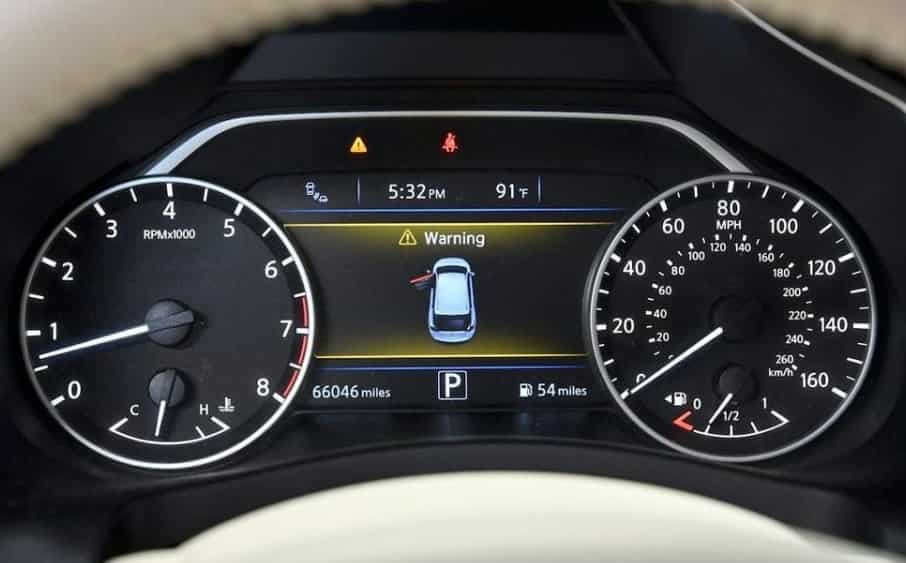
Your Nissan Murano suddenly loses power. The engine responds slowly, and the vehicle refuses to accelerate as expected. This situation often surprises many drivers. In most cases, the vehicle has entered limp mode. The system activates this protective feature after it detects a serious fault. Its main goal is to protect the engine and transmission from further damage.
Many Murano owners experience limp mode without knowing the real cause. Some vehicles enter this mode because of a faulty sensor. Others develop problems with the throttle body or airflow system. In older models, the CVT transmission can also trigger limp mode. Finding the exact cause early can reduce repair costs and prevent more serious mechanical failures.
This guide explains what limp mode means in a Nissan Murano. It also covers the most common symptoms, possible causes, and effective repair methods. You will learn how technicians diagnose the problem and what steps you can take before replacing expensive parts. After reading this guide, you will understand why limp mode occurs and how to restore your Nissan Murano to normal driving conditions with confidence.
What Is Limp Mode in a Nissan Murano?
Limp mode is a built in safety feature that protects your Nissan Murano from serious mechanical damage. The engine control module and transmission control system constantly monitor the vehicle while you drive. When they detect a major fault, they reduce engine power and limit transmission performance. This action helps prevent additional damage until you fix the problem.
A Nissan Murano in limp mode will not perform like it normally does. The engine may respond slowly when you press the accelerator. The transmission may stay in one gear or shift poorly. In some cases, the vehicle cannot reach normal highway speeds. These changes can feel alarming, but they serve an important purpose. They encourage the driver to stop using the vehicle aggressively and inspect the problem as soon as possible.
Several systems can activate limp mode. The most common triggers include transmission problems, engine sensor failures, throttle body issues, airflow sensor faults, and overheating. A low battery voltage or damaged wiring may also cause the control module to restrict vehicle performance.
Many drivers believe limp mode is the actual problem. In reality, it is only a warning response. The vehicle enters this protective state because another component has failed or stopped working correctly. For that reason, resetting the warning without fixing the root cause rarely solves the issue. The system will usually activate limp mode again after it detects the same fault.
Understanding how limp mode works makes the diagnostic process much easier. Instead of replacing random parts, you can focus on identifying the component that triggered the protection system. This approach saves time, reduces repair costs, and helps restore your Nissan Murano to normal driving conditions more quickly.
Common Symptoms of Limp Mode in a Nissan Murano
Limp mode can appear without warning, but your Nissan Murano will usually show several clear symptoms. Recognizing these signs early helps you avoid more expensive repairs and reduces the risk of additional damage.
The most common symptom is a sudden loss of engine power. The vehicle accelerates slowly even when you press the accelerator firmly. It may struggle to climb hills or merge into fast moving traffic. This lack of performance often becomes the first sign that something is wrong.
Another common symptom involves the transmission. The CVT may stop responding smoothly or remain in a limited operating range. Some drivers notice delayed acceleration, while others experience rough or inconsistent performance. These changes make the vehicle feel less responsive than usual.
Many Nissan Murano models also illuminate the Check Engine Light. In some cases, other warning lights may appear at the same time. These alerts indicate that the control module has detected one or more system faults. Reading the stored diagnostic trouble codes can reveal the source of the problem.
Engine speed may also become limited. The vehicle may refuse to rev beyond a certain RPM even when the accelerator is fully pressed. This restriction protects the engine and transmission from operating under unsafe conditions.
Fuel economy often decreases during limp mode. The engine cannot operate efficiently because the control system limits its performance. Drivers may also notice rough idling, hesitation during acceleration, or reduced throttle response.
Some vehicles enter limp mode only once, while others do so repeatedly. If the problem returns after you restart the engine, the underlying fault still exists. Continuing to drive without proper repairs can increase wear and lead to more costly damage.
If you notice several of these symptoms at the same time, inspect the vehicle as soon as possible. A professional diagnosis can identify the exact cause and prevent unnecessary part replacements.
Main Causes of Limp Mode in a Nissan Murano
Several mechanical and electrical problems can trigger limp mode in a Nissan Murano. The vehicle control system monitors important components at all times. When it detects abnormal data, it limits engine power to protect the drivetrain. Understanding these common causes can help you identify the problem more quickly.
CVT Transmission Problems
The continuously variable transmission is one of the most common reasons a Nissan Murano enters limp mode. High transmission temperatures, low fluid pressure, worn internal components, or valve body problems can all affect normal operation. When the transmission control module detects a serious fault, it reduces vehicle performance to prevent additional damage.
Older Murano models often develop CVT related issues after high mileage. Delayed acceleration, unusual noises, and transmission slipping may appear before limp mode activates.
Faulty Mass Air Flow Sensor
The mass air flow sensor measures the amount of air entering the engine. The engine control module uses this information to calculate the correct fuel mixture. A dirty or damaged sensor sends incorrect readings, which can reduce engine performance and trigger limp mode.
Drivers may notice rough idling, poor fuel economy, slow acceleration, or an illuminated Check Engine Light before the problem becomes more severe.
Throttle Body Problems
The electronic throttle body controls the amount of air entering the engine. Carbon deposits or internal electrical faults can prevent the throttle plate from moving smoothly. As a result, the engine may respond slowly or fail to deliver normal power.
A faulty throttle body often causes hesitation during acceleration. In many cases, cleaning the throttle body restores proper operation. More serious damage may require replacement.
Accelerator Pedal Position Sensor Failure
The accelerator pedal position sensor tells the engine control module how much power the driver requests. If the sensor sends incorrect signals, the control module may limit throttle response as a safety measure.
Drivers often experience delayed acceleration or very limited engine power. These symptoms commonly appear without any unusual engine noise.
Engine Overheating
High engine temperature can also activate limp mode. The cooling system protects the engine by reducing power when temperatures exceed safe operating limits.
Low coolant levels, a failing water pump, a damaged radiator, or a faulty thermostat can all contribute to overheating. Ignoring these warning signs may result in severe engine damage.
Low Battery Voltage or Electrical Problems
Modern Nissan vehicles rely on stable electrical power. A weak battery, failing alternator, damaged wiring, or poor electrical connections can interrupt communication between control modules.
Even a minor voltage problem may produce sensor errors that force the vehicle into limp mode. Checking the charging system should always be part of the diagnostic process.
Engine Control Module Faults
Although less common, software errors or internal control module failures can also trigger limp mode. The engine control module processes information from dozens of sensors every second. If it receives conflicting data or detects an internal malfunction, it may reduce engine output to protect critical components.
Professional diagnostic equipment can determine whether the problem comes from the control module itself or from another component that supplies incorrect information.
How to Diagnose Limp Mode in a Nissan Murano
Diagnosing limp mode in a Nissan Murano starts with finding the root cause instead of replacing parts without testing. Many engine and transmission problems produce similar symptoms, so a systematic inspection is the best approach. A careful diagnosis also helps reduce repair costs and prevents unnecessary replacements.
Begin by connecting an OBD II scanner to the vehicle. Read every stored and pending diagnostic trouble code before clearing the system. These codes provide valuable information about the affected component. For example, a transmission code may indicate a CVT problem, while an engine code may point to the mass air flow sensor, throttle body, or accelerator pedal position sensor.
Next, inspect the dashboard for warning lights. The Check Engine Light often appears first, but you should also look for transmission or temperature warnings. These indicators can help narrow the list of possible causes.
After checking the warning lights, inspect the engine oil, coolant, and transmission fluid if your model allows it. Low fluid levels, contaminated fluid, or signs of overheating may explain why the vehicle entered limp mode. You should also examine the air filter, intake hoses, and mass air flow sensor for dirt or damage. A dirty throttle body can restrict airflow and reduce engine performance.
Finally, test the battery and charging system because unstable voltage may affect several electronic control modules. If no obvious fault appears, perform a short road test and scan the vehicle again. Persistent trouble codes or repeated limp mode usually indicate a problem that requires professional diagnostic equipment and further inspection.
How to Fix Limp Mode in a Nissan Murano
Fixing limp mode in a Nissan Murano depends on the problem that triggered the warning. The first step is to identify the fault instead of replacing parts without proper testing. Once you know the cause, you can choose the correct repair and avoid unnecessary expenses.
If the vehicle displays a sensor related trouble code, inspect the affected component first. A dirty mass air flow sensor often responds well to careful cleaning with a sensor safe cleaner. A clogged air filter should also be replaced because restricted airflow can reduce engine performance. If the throttle body contains heavy carbon deposits, clean it thoroughly and complete the required idle relearn procedure when necessary.
Cooling system problems require immediate attention. Check the coolant level, radiator, thermostat, and water pump for leaks or damage. An overheating engine can activate limp mode within minutes, so do not continue driving until you correct the problem.
When the issue involves the CVT transmission, inspect the transmission fluid and look for signs of overheating or internal wear. Burnt fluid, delayed acceleration, or unusual noises may indicate a more serious transmission problem. In these cases, professional diagnosis is the safest option.
Electrical faults can also trigger limp mode. Test the battery, alternator, and wiring connections to ensure the control modules receive stable voltage. After completing the repair, clear the diagnostic trouble codes with an OBD II scanner and perform a road test. If limp mode does not return and no new codes appear, the repair was successful. If the warning comes back, seek professional assistance to prevent further damage.
Can You Drive a Nissan Murano in Limp Mode?
You can drive a Nissan Murano in limp mode for a short distance, but you should only do so when necessary. Limp mode protects the engine and transmission from serious damage. It does not fix the underlying problem. Continuing to drive for long periods can increase repair costs and place additional stress on important components.
If your Murano enters limp mode, reduce your speed and avoid hard acceleration. Drive carefully to a safe location or the nearest repair shop. Watch the dashboard for warning lights and monitor the engine temperature during the trip. If the temperature rises or the vehicle begins to shake, stop driving immediately and turn off the engine.
Some drivers restart the engine and notice that limp mode disappears for a short time. This temporary improvement does not mean the problem has been solved. The control system will usually activate limp mode again after it detects the same fault. Ignoring repeated warnings can lead to transmission failure, engine overheating, or damage to electronic components.
Driving conditions also matter. A short trip on local roads may be possible if the vehicle still responds safely. However, you should avoid highways, steep hills, heavy traffic, and towing because these situations place extra load on the engine and transmission.
The safest approach is to diagnose the problem as soon as possible. A professional inspection can identify the exact cause and prevent more expensive repairs. Taking action early often saves money and helps restore your Nissan Murano to reliable performance before a minor fault becomes a major mechanical issue.
Repair Cost Estimate
The cost to repair limp mode in a Nissan Murano depends on the component that caused the problem. Some repairs require only basic maintenance, while others involve major transmission work. An accurate diagnosis always helps you avoid spending money on unnecessary parts.
Minor repairs are usually the most affordable. Replacing a dirty air filter or cleaning the mass air flow sensor often costs very little. Cleaning the throttle body is also an inexpensive service if carbon buildup is the only issue. These simple repairs can restore normal engine performance when the problem is detected early.
Sensor replacement costs vary by component. A faulty mass air flow sensor, throttle position sensor, or accelerator pedal position sensor generally costs less than major mechanical repairs. Labor charges also depend on your location and the repair shop you choose.
Cooling system repairs may include replacing a thermostat, radiator hose, water pump, or radiator. The total cost depends on the failed part and the amount of labor required. Repairing an overheating problem quickly can prevent severe engine damage and much higher repair bills.
The highest repair costs usually involve the CVT transmission. Replacing worn internal components or installing a rebuilt transmission can become expensive. Drivers who continue using the vehicle after repeated limp mode warnings often face larger repair bills because additional transmission damage may occur.
Request a complete inspection before approving any repair. A qualified technician should confirm the exact cause with diagnostic testing instead of replacing parts based on assumptions. This approach reduces unnecessary expenses and improves the chance of fixing the problem on the first attempt.
How to Prevent Limp Mode in a Nissan Murano
Regular maintenance is the best way to prevent limp mode in a Nissan Murano. Many problems begin as small faults that become more serious when drivers delay repairs. A consistent maintenance routine keeps the engine, transmission, and electrical system working as intended.
Check the engine oil, coolant, and other essential fluids at the recommended service intervals. Replace old or contaminated fluids before they affect vehicle performance. If your Murano has a serviceable CVT, follow the manufacturer’s maintenance schedule and use the correct transmission fluid. Clean fluid helps reduce heat and supports smooth transmission operation.
Inspect the air filter during routine maintenance. Replace it when it becomes dirty or restricted. A clean air filter allows the engine to receive the proper amount of airflow. You should also clean the mass air flow sensor and throttle body when they show signs of dirt or carbon buildup. These simple services can improve throttle response and reduce the risk of sensor related faults.
Pay attention to warning lights and unusual driving behavior. Slow acceleration, rough idling, poor fuel economy, or delayed shifting often appear before limp mode activates. Addressing these symptoms early can prevent more expensive repairs later.
The battery and charging system also deserve regular inspection. A weak battery or failing alternator can create unstable voltage and interfere with the vehicle’s electronic control modules. Keeping the electrical system in good condition helps ensure accurate sensor readings and reliable engine performance.
Routine inspections, timely repairs, and careful driving habits can significantly reduce the chance of limp mode. Preventive maintenance not only improves reliability but also extends the life of your Nissan Murano and helps you avoid unexpected breakdowns.
Conclusion
Understanding what causes limp mode in a Nissan Murano can help you respond quickly and avoid expensive repairs. Although the vehicle limits its performance to protect critical components, limp mode should never be ignored. It is a warning that the engine, transmission, or another important system requires immediate attention.
The best way to solve the problem is to identify the root cause through a complete diagnostic process. Common issues include CVT transmission faults, a dirty mass air flow sensor, throttle body problems, overheating, and electrical failures. Repairing the correct component often restores normal performance and prevents the warning from returning.
Regular maintenance also plays an important role in preventing limp mode. Checking fluid levels, replacing worn parts, and responding to warning lights early can reduce the risk of unexpected breakdowns. A well maintained Nissan Murano delivers better performance, improved reliability, and lower long term repair costs.
If you have been asking, what is limp mode Nissan Murano, the answer is simple. It is a built in protection system that helps prevent serious mechanical damage. By understanding its symptoms, causes, and repair options, you can make informed decisions and keep your Nissan Murano running safely for years to come.