
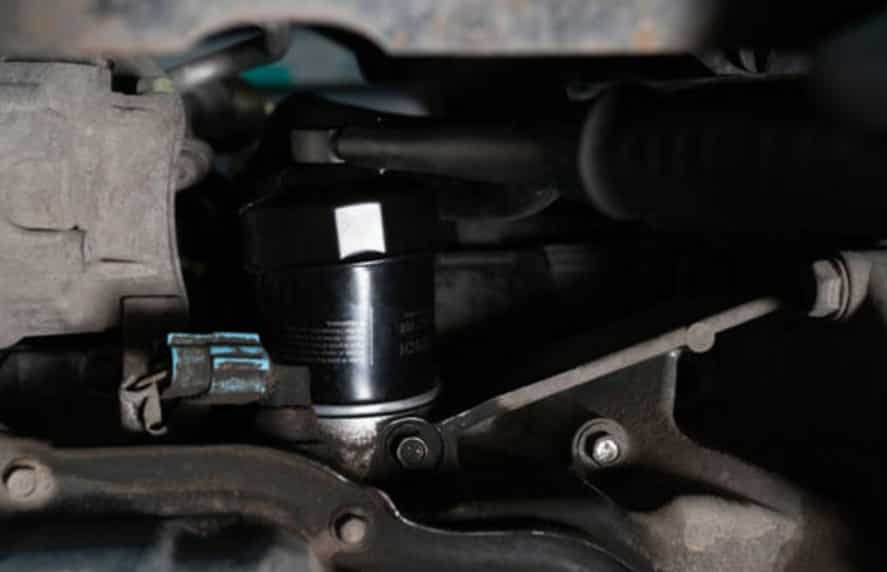
Changing your own engine oil may seem intimidating at first, but it is one of the easiest and most valuable maintenance tasks you can learn. If you own a Nissan Juke, performing regular oil changes helps keep the engine running smoothly, improves fuel efficiency, and reduces long term repair costs. More importantly, replacing old engine oil at the recommended interval protects vital engine components from excessive wear, heat, and harmful deposits that can shorten the life of your vehicle.
This guide explains How To Change Nissan Juke Oil in a simple and practical way that anyone can follow. Whether you drive your Nissan Juke every day, use it for long highway trips, or occasionally take it on challenging roads, clean engine oil is essential for maintaining reliable performance. Fresh oil lubricates moving parts, carries heat away from critical components, and helps prevent sludge from forming inside the engine. As a result, your engine operates more efficiently and remains protected under a wide range of driving conditions.
Throughout this guide, you will learn which tools and supplies you need, how to safely drain the old oil, replace the oil filter, refill the engine with the correct oil, and verify that everything is working properly before getting back on the road. You will also discover common mistakes that many beginners make, along with practical tips to avoid oil leaks, incorrect oil levels, and unnecessary engine damage. By the time you finish reading, you will have the knowledge and confidence to complete a Nissan Juke oil change safely, accurately, and like an experienced DIY mechanic.
Why Changing Your Nissan Juke Oil Is Important
Engine oil is one of the most important fluids in your Nissan Juke. It lubricates moving parts, reduces friction, controls engine temperature, and removes harmful contaminants. Every time you start the engine, fresh oil flows through critical components. It creates a protective layer that helps reduce wear. Without proper lubrication, metal parts rub against each other and wear out much faster.
Engine oil does not last forever. Heat, dirt, moisture, and combustion residue gradually reduce its performance. As the oil ages, it becomes less effective at protecting the engine. It also loses its ability to carry heat and keep internal components clean. If you continue driving with old oil, engine wear increases and performance begins to decline.
Regular oil changes also protect the turbocharger found in many Nissan Juke models. The turbocharger spins at very high speeds and produces extreme heat. It depends on clean engine oil for both lubrication and cooling. Dirty oil can leave carbon deposits inside the turbocharger. Over time, these deposits reduce efficiency and increase the risk of expensive repairs.
Changing your own oil offers another important advantage. It gives you an opportunity to inspect the underside of your vehicle. You can look for oil leaks, damaged hoses, loose bolts, or worn suspension parts. Finding these problems early helps you avoid larger repair bills later.
Following the recommended oil change interval is one of the easiest ways to extend engine life. Fresh oil keeps internal parts clean and properly lubricated. It also helps the engine run more smoothly under different driving conditions. With regular maintenance, your Nissan Juke can deliver reliable performance for many years.
Benefits of Regular Oil Changes
Changing the engine oil on time provides several long term benefits. First, fresh oil reduces friction between moving engine components. Lower friction means less wear and smoother operation. It also helps the engine produce power more efficiently.
Clean oil improves temperature control throughout the engine. As it circulates, it absorbs heat from internal components. It then carries that heat away to prevent excessive temperatures. This process becomes especially important during heavy traffic, long road trips, or hot weather.
Modern engine oil also contains cleaning additives. These additives collect dirt, carbon particles, and combustion residue. Instead of allowing these contaminants to build up inside the engine, the oil keeps them suspended until the next oil change. This helps prevent sludge and keeps oil passages clear.
Another benefit is better fuel economy. Fresh oil allows the engine to operate with less resistance. As a result, the engine uses fuel more efficiently. Although the improvement may seem small, it can add up over thousands of miles.
Most importantly, regular oil changes help extend engine life. Clean oil protects bearings, pistons, camshafts, and other critical components. It reduces unnecessary wear and supports consistent performance throughout the life of the vehicle.
What Happens If You Skip an Oil Change
Skipping an oil change may not cause immediate damage, but problems develop over time. As engine oil ages, it becomes thicker and more contaminated. It can no longer lubricate engine components as effectively. This increases friction and accelerates wear.
Old oil also struggles to remove heat. As engine temperatures rise, internal components experience greater stress. Excessive heat can damage bearings, pistons, and other moving parts. In turbocharged engines, high temperatures place even more pressure on the lubrication system.
Another serious problem is sludge buildup. Dirty oil mixes with moisture, dirt, and combustion residue. Eventually, thick deposits begin to form inside the engine. These deposits restrict oil flow and reduce lubrication. If the blockage becomes severe, the engine may suffer serious internal damage.
Turbocharged Nissan Juke models face additional risks. The turbocharger relies on a constant supply of clean oil. Dirty oil can leave carbon deposits around the bearings. Over time, these deposits reduce performance and shorten the life of the turbocharger.
Fortunately, the engine often shows warning signs before major damage occurs. You may hear unusual engine noise or notice reduced acceleration. Fuel economy may also decrease. In some cases, the oil warning light will appear on the dashboard. If you notice any of these symptoms, change the engine oil as soon as possible. Acting early helps prevent costly repairs and keeps your Nissan Juke running at its best.
Before You Start
Changing the engine oil is a straightforward maintenance task, but proper preparation makes the job safer and easier. Before you begin, gather the correct tools, purchase the recommended supplies, and confirm the oil specifications for your Nissan Juke. Spending a few extra minutes preparing helps prevent mistakes and allows you to complete the oil change without unnecessary interruptions.
Different Nissan Juke model years may require different oil capacities or oil grades. Always check your owner’s manual before purchasing engine oil or an oil filter. Using the correct products protects the engine and helps maintain reliable performance.
Tools You’ll Need
Preparing the right tools before you start saves time and reduces frustration. Most of these tools are common in a home garage, and you can reuse them for future maintenance.
| Tool | Purpose |
|---|---|
| Socket wrench | Removes and installs the drain plug |
| Oil filter wrench | Loosens the old oil filter |
| Drain pan | Collects the used engine oil |
| Funnel | Pours new oil without spills |
| Jack | Raises the front of the vehicle |
| Jack stands | Supports the vehicle safely |
| Torque wrench | Tightens the drain plug correctly |
| Shop towels | Cleans oil spills and dirty surfaces |
| Safety gloves | Protects your hands from hot oil |
| Safety glasses | Shields your eyes from debris and splashes |
Having every tool within reach allows you to work more efficiently. It also reduces the chance of rushing through important steps or forgetting essential safety precautions.
Parts You’ll Need
In addition to the proper tools, you should prepare a few replacement parts before starting the oil change. Using high quality components helps protect the engine and supports longer service life.
You will typically need the following items.
- Engine oil that meets the recommended specification.
- A new oil filter.
- A new drain plug crush washer.
- A replacement drain plug if the original one shows signs of damage.
Replacing the crush washer during every oil change is a simple but important step. A new washer creates a proper seal and helps prevent oil leaks after you reinstall the drain plug.
Recommended Oil Type
Choosing the correct engine oil is just as important as replacing it on time. Nissan recommends using oil that meets the specifications listed in the owner’s manual. The correct viscosity depends on the engine type, model year, and local climate.
Synthetic engine oil is the preferred choice for most Nissan Juke models. It provides better protection during cold starts, performs well under high temperatures, and lasts longer than conventional oil. It also helps reduce sludge formation and improves engine cleanliness over time.
Many Nissan Juke models use 5W30 synthetic oil. However, some newer engines may require 0W20. Always confirm the correct viscosity before adding new oil. Using the wrong oil grade can reduce engine performance and increase long term wear.
Nissan Juke Oil Capacity
The amount of engine oil varies depending on the engine installed in your Nissan Juke. The following table provides a general reference. Always verify the exact specification for your vehicle before refilling the engine.
| Engine | Recommended Oil | Approximate Capacity With Filter |
|---|---|---|
| 1.6L Naturally Aspirated | 5W30 Synthetic | About 4.3 L |
| 1.6L Turbocharged | 5W30 Synthetic | About 4.4 L |
| 1.0L DIG T | 0W20 or 5W30 according to specification | Check owner’s manual |
| 1.5L dCi Diesel | 5W30 Low SAPS | Check owner’s manual |
After filling the engine, wait a few minutes before checking the dipstick. Add oil gradually if necessary. Avoid filling above the maximum mark because too much oil can create excessive pressure inside the engine and affect overall performance.
Safety Precautions Before Changing Oil
Safety should always come first when working on your Nissan Juke. Although changing the engine oil is a simple maintenance task, a few basic precautions can help prevent injuries and avoid damage to your vehicle. Taking the time to prepare your workspace also makes the entire process smoother and more efficient.
Park the vehicle on a flat and stable surface before you begin. A level surface helps the old oil drain completely and keeps the vehicle stable while it is raised. Turn off the engine and engage the parking brake to prevent the vehicle from moving during the procedure.
Allow the engine to cool for several minutes after driving. Warm oil flows more easily than cold oil, but extremely hot oil can cause serious burns. Waiting until the engine is warm instead of hot provides the best balance between safety and efficient drainage.
If you need additional clearance, raise the front of the vehicle with a suitable jack. Always support the vehicle with jack stands before working underneath it. Never rely on the jack alone because it is designed to lift the vehicle, not hold it in place for an extended period.
Wear protective gloves and safety glasses throughout the job. Gloves keep your hands clean and reduce contact with used engine oil, while safety glasses protect your eyes from dirt, debris, and accidental splashes. Keep a few shop towels nearby so you can clean any spilled oil immediately.
Before removing the drain plug, place the drain pan directly underneath the oil pan. Positioning it correctly helps collect the used oil and keeps your work area clean. A larger drain pan also reduces the chance of spills if the oil flows out faster than expected.
Finally, keep children and pets away from the work area. Used engine oil contains contaminants that should not come into contact with skin or be left where someone could accidentally touch or spill it. Once the oil change is complete, transfer the used oil into a sealed container and prepare it for proper recycling.
How To Change Nissan Juke Oil Step by Step
Changing the engine oil is easier than many people expect. If you follow each step carefully, you can complete the job in less than an hour. Work patiently, keep your tools organized, and double check each step before moving on to the next one.
Step 1 Warm Up the Engine
Start the engine and let it idle for about three to five minutes. Warm engine oil flows more easily than cold oil, allowing it to drain faster and carry away more contaminants. Do not let the engine become too hot because hot oil can cause burns.
Turn off the engine and remove the key before continuing. Open the hood and remove the oil filler cap. This allows air to enter the engine and helps the old oil drain more quickly.
Step 2 Raise the Vehicle
Position the jack under the recommended lifting point and slowly raise the front of the vehicle. Once the vehicle reaches a safe working height, place jack stands beneath the proper support points. Lower the vehicle gently onto the stands and confirm that it is stable before working underneath.
If your Nissan Juke provides enough clearance, you may also use vehicle ramps. Many DIY mechanics prefer ramps because they offer excellent stability and require less setup time.
Step 3 Locate the Drain Plug
Slide the drain pan underneath the engine oil pan. Locate the drain plug at the bottom of the oil pan and make sure the pan is directly below it.
Use the correct size socket to loosen the drain plug. Turn it carefully while keeping slight pressure against the plug. This helps prevent it from falling into the drain pan when the final threads are released.
Step 4 Drain the Old Oil
Remove the drain plug by hand and allow the oil to flow into the drain pan. The oil may drain quickly at first, so keep your hands clear of the stream.
Wait at least ten minutes until the oil slows to an occasional drip. Giving the engine enough time to drain removes more contaminated oil and improves the effectiveness of the oil change.
While waiting, inspect the old oil. Thick sludge, metal particles, or a burnt smell may indicate additional engine problems that deserve further inspection.
Step 5 Remove the Old Oil Filter
Move the drain pan beneath the oil filter because a small amount of oil will spill when you remove it. Use an oil filter wrench if the filter is difficult to loosen.
Once the filter is loose, remove it by hand and keep it upright to reduce spills. Check the engine mounting surface to ensure the old rubber gasket is no longer attached. Leaving the old gasket in place can cause a serious oil leak after installing the new filter.
Step 6 Install the New Oil Filter
Before installing the new oil filter, compare it with the old one. Make sure both filters have the same size and thread pattern. Using the wrong filter can cause poor sealing and reduce oil pressure.
Apply a thin layer of fresh engine oil to the rubber gasket on the new filter. This simple step helps the gasket seal properly and makes the filter easier to remove during the next oil change.
Screw the new oil filter onto the mounting surface by hand. Turn it until the gasket makes contact with the engine. Then tighten it according to the manufacturer’s recommendation. In most cases, hand tightening is enough. Avoid using a wrench unless the service manual specifically requires it. Overtightening can damage the gasket and make future removal much more difficult.
Step 7 Replace the Crush Washer
Inspect the drain plug before reinstalling it. If the threads are damaged or worn, replace the plug with a new one.
Install a new crush washer on the drain plug every time you change the engine oil. The washer creates a tight seal between the drain plug and the oil pan. Reusing an old washer increases the chance of a slow oil leak.
Thread the drain plug into the oil pan by hand. This helps prevent cross threading and protects the threads inside the oil pan.
Step 8 Tighten the Drain Plug
Once the drain plug is fully threaded by hand, tighten it with a torque wrench. Always use the torque specification listed in the service manual for your Nissan Juke. Proper torque creates a secure seal without damaging the oil pan.
If you do not have a torque wrench, tighten the plug firmly without using excessive force. Many oil pan threads become damaged because the drain plug is overtightened. Taking a few extra seconds to tighten it correctly can prevent expensive repairs.
Wipe away any oil around the drain plug with a clean shop towel. A clean surface makes it much easier to spot leaks after the engine is running.
Step 9 Add Fresh Engine Oil
Lower the vehicle if it is supported by jack stands or ramps. Remove the oil filler cap if you have not already done so. Insert a clean funnel into the filler opening to prevent spills.
Pour in most of the recommended amount of engine oil. Do not add the full capacity immediately. Leave a small amount in the bottle so you can adjust the final level later.
Replace the oil filler cap and wait for a few minutes. This allows the oil to settle inside the engine before checking the dipstick.
Remove the dipstick, wipe it clean, and insert it again. Pull it out once more to check the oil level. If the level is below the full mark, add a small amount of oil and check again. Repeat the process until the oil reaches the correct level. Avoid filling above the maximum mark because too much oil can reduce engine performance and damage engine seals.
Step 10 Start the Engine
Start the engine and let it idle for about one minute. The oil pressure light should turn off within a few seconds. If the warning light stays on, switch off the engine immediately and inspect your work before driving the vehicle.
While the engine is running, inspect the area around the oil filter and drain plug. Look carefully for any signs of fresh oil. Even a small leak should be repaired before the vehicle returns to the road.
Listen to the engine during idle. It should run smoothly without unusual knocking, ticking, or grinding noises. Any abnormal sound may indicate an incorrect oil level or another mechanical problem that requires attention.
Step 11 Check for Leaks and Verify the Oil Level
Turn off the engine and wait about five minutes. This gives the fresh oil enough time to drain back into the oil pan.
Check the dipstick again and confirm that the oil level is within the recommended range. Add a small amount of oil if necessary. If the level is too high, remove the excess oil before driving the vehicle.
Perform one final inspection around the drain plug and oil filter. Both areas should remain completely dry. If you notice any fresh oil, tighten the affected component or replace the sealing washer if needed.
Once everything looks correct, close the hood and record the date and mileage of the oil change. Keeping accurate maintenance records helps you track future service intervals and supports the long term reliability of your Nissan Juke.
Reset Nissan Juke Oil Service Light
After changing the engine oil, reset the oil service reminder if your Nissan Juke is equipped with a maintenance monitoring system. Resetting the reminder allows the system to track the next service interval correctly. If you skip this step, the reminder may continue to appear even though the oil has been replaced.
The reset procedure may vary depending on the model year and trim level. In many Nissan Juke models, you can complete the process through the instrument cluster menu.
Turn the ignition to the ON position without starting the engine. Use the steering wheel controls or the dashboard buttons to open the Settings menu. Navigate to the Maintenance section and select the oil service option. Choose Reset and confirm your selection. Turn the ignition off and restart the vehicle to verify that the reminder has disappeared.
If your Nissan Juke uses a different display or control system, refer to the owner’s manual for the correct reset procedure. Following the recommended method helps prevent incorrect maintenance notifications.
How Often Should You Change Nissan Juke Oil
Changing the engine oil at the correct interval is just as important as using the right oil. Fresh engine oil protects internal components, maintains stable performance, and helps extend engine life. Waiting too long between oil changes allows contaminants to build up and reduces the oil’s ability to protect the engine.
Most Nissan Juke models require an oil change every 5,000 to 7,500 miles when using full synthetic oil under normal driving conditions. However, the ideal interval depends on how and where you drive.
If you frequently drive in heavy traffic, make short trips, tow a trailer, or travel on dusty roads, the engine works harder and the oil degrades more quickly. Under these severe conditions, replacing the oil every 5,000 miles provides better protection.
Turbocharged engines also place greater demands on engine oil because the turbocharger operates at very high temperatures. Regular oil changes help maintain proper lubrication and reduce the risk of premature turbocharger wear.
Even if you drive only a few miles each month, engine oil continues to age over time. For this reason, many manufacturers recommend changing the oil at least once every twelve months.
Common Mistakes During a Nissan Juke Oil Change
Even a simple maintenance job can lead to problems if you overlook important details. Understanding the most common mistakes helps you complete the oil change safely and avoid unnecessary repairs.
One common mistake is using the wrong oil viscosity. Engine oil that does not meet the manufacturer’s specification may reduce lubrication and affect engine performance. Always verify the recommended oil grade before adding fresh oil.
Another mistake is adding too much or too little oil. Low oil levels reduce lubrication, while excessive oil creates additional pressure inside the engine. Both conditions can increase wear and reduce engine efficiency.
Some drivers forget to replace the crush washer on the drain plug. An old washer may no longer create a proper seal, allowing engine oil to leak after the service is complete.
Installing the oil filter incorrectly is another common problem. A loose filter may leak, while an overtightened filter can damage the gasket and become difficult to remove during the next service.
Forgetting to reinstall the oil filler cap or failing to tighten the drain plug properly can also create serious problems. Before starting the engine, perform one final inspection to confirm that every component is secure.
Finally, never ignore the oil level after the first engine start. Always inspect the dipstick again after the engine has circulated the fresh oil. This final check helps confirm that the oil level is correct and that no leaks are present.
Signs Your Nissan Juke Needs an Oil Change
Your Nissan Juke often provides clear signs when the engine oil is no longer performing as it should. Recognizing these warning signs early can help prevent engine damage and reduce future repair costs.
One of the most common signs is dark or dirty engine oil. Fresh oil has a clean appearance, but it gradually becomes darker as it collects contaminants. While some discoloration is normal, thick and dirty oil usually indicates that it is time for a replacement.
You may also notice increased engine noise. As engine oil loses its lubricating properties, moving components create more friction. This often results in louder ticking or knocking sounds, especially during cold starts.
Reduced fuel economy is another warning sign. Old engine oil increases internal resistance, forcing the engine to work harder. As a result, fuel consumption may gradually increase.
An illuminated oil warning light should never be ignored. This warning may indicate low oil pressure or an insufficient oil level. Stop driving as soon as it is safe and inspect the vehicle before continuing.
Some drivers also notice a burning oil smell inside or outside the vehicle. This smell may indicate that oil has leaked onto hot engine components. Inspect the engine carefully and repair any leaks before they become more serious.
Regularly checking the oil level and following the recommended maintenance schedule remain the best ways to keep your Nissan Juke running efficiently. A few minutes of routine maintenance can help prevent expensive engine repairs and improve long term reliability.
DIY Oil Change vs Professional Service
Both options have their advantages. The best choice depends on your experience, available tools, and personal preference.
Changing the oil yourself costs less and gives you complete control over the maintenance process. It also allows you to inspect important components while working under the vehicle. Many owners enjoy learning more about their Nissan Juke and feel confident performing routine maintenance at home.
A professional service, however, offers convenience and saves time. Experienced technicians can identify worn parts, fluid leaks, or other mechanical issues during the inspection. This option is often a better choice for owners who do not have the necessary tools or a safe place to work.
The table below compares both options.
| Category | DIY Oil Change | Professional Service |
|---|---|---|
| Cost | Lower | Higher |
| Time | About 45 to 60 minutes | Usually 30 to 45 minutes |
| Tools Required | Yes | No |
| Mechanical Experience | Basic knowledge is helpful | Not required |
| Maintenance Inspection | Limited to your own inspection | Performed by trained technicians |
| Convenience | Moderate | Excellent |
If you enjoy maintaining your vehicle and follow the correct procedure, a DIY oil change can save money while helping you understand your Nissan Juke better. If convenience is your priority, a professional service remains an excellent option.
How to Dispose of Used Engine Oil Properly
Used engine oil should never be poured onto the ground, into household drains, or into regular trash bins. Even a small amount of waste oil can contaminate soil and water, causing serious environmental damage.
After completing the oil change, pour the used oil into a clean and sealed container. You can reuse the empty oil bottle or use another container with a secure lid. Store it in a safe location until you can take it to a recycling facility.
Place the old oil filter in a separate container and allow it to drain for several hours. Many recycling centers accept both used engine oil and oil filters. Some auto parts stores also provide free recycling services for automotive fluids.
Recycling used engine oil helps protect the environment and allows valuable resources to be processed and reused. It is a simple step that benefits both your community and future generations.
Frequently Asked Questions
Can I change the oil without replacing the oil filter?
It is possible, but it is not recommended. The oil filter traps dirt and metal particles that circulate through the engine. Installing a new filter with fresh oil provides better protection and helps maintain proper oil flow.
What type of oil should I use for my Nissan Juke?
The correct oil depends on the model year and engine type. Many Nissan Juke models use full synthetic 5W30 engine oil, while some newer models require 0W20. Always check the owner’s manual before purchasing engine oil.
How much engine oil does a Nissan Juke need?
Oil capacity varies by engine. Most gasoline models require approximately four to four and a half liters when replacing the oil filter. Always confirm the exact specification for your vehicle before refilling the engine.
Can I use conventional engine oil instead of synthetic oil?
Synthetic oil provides better protection under both high and low temperatures. It also resists breakdown more effectively than conventional oil. For this reason, synthetic oil is the preferred choice for most Nissan Juke models.
What happens if I add too much engine oil?
Overfilling the engine can create excessive internal pressure and cause the oil to foam. This reduces lubrication and may damage seals, gaskets, or other engine components. Always keep the oil level between the minimum and maximum marks on the dipstick.
How long does a Nissan Juke oil change take?
Most DIY oil changes take between forty five and sixty minutes. The exact time depends on your experience, available tools, and working conditions.
Is it safe for beginners to change engine oil?
Yes. Many first time owners successfully complete an oil change by following a detailed guide and using the correct tools. Work carefully, follow each step in order, and always prioritize safety when working underneath the vehicle.
Conclusion
Learning How To Change Nissan Juke Oil is one of the most valuable maintenance skills any vehicle owner can develop. Regular oil changes help reduce engine wear, improve fuel efficiency, and support reliable performance in every season. They also give you the opportunity to inspect your vehicle and identify small problems before they become expensive repairs.
With the right tools, quality engine oil, and a little patience, most owners can complete this job at home with confidence. Following the correct procedure ensures proper lubrication, protects the turbocharger on equipped models, and helps extend the life of the engine.
Remember to use the recommended engine oil, replace the oil filter during every service, and check the oil level carefully before driving. Recording the mileage after each oil change also makes it easier to follow the next maintenance interval.
Whether you choose to perform the work yourself or visit a professional workshop, routine oil changes remain one of the most effective ways to protect your Nissan Juke. Consistent maintenance not only improves daily driving performance but also helps preserve the long term value of your vehicle. By following the steps in this guide, you can keep your Nissan Juke running smoothly for many years to come.