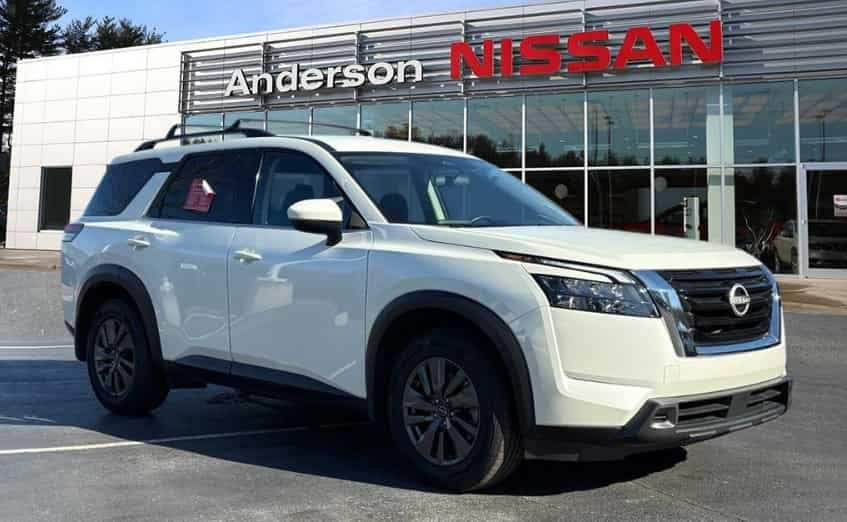
Finding a reliable used SUV can be challenging. Buyers want a vehicle that offers comfort, safety, and low ownership costs. Many shoppers also want enough space for family trips and everyday driving. This is why so many people ask, Is Nissan Pathfinder A Good Used Car?
The answer is not as simple as yes or no. Nissan has produced the Pathfinder for many years, and every generation offers a different ownership experience. Some model years have an excellent reputation for reliability. Others have developed costly mechanical problems that buyers should understand before making a purchase.
A used Nissan Pathfinder remains a popular choice because it combines a spacious cabin with practical features. It offers three rows of seating, respectable towing capacity, and a comfortable ride for daily driving. Used models also cost less than many competing midsize SUVs, making them attractive to buyers who want good value without sacrificing functionality.
Choosing the right model year is the key to a successful purchase. A well maintained Pathfinder can provide many years of dependable service. However, selecting the wrong model may lead to expensive repairs and unexpected maintenance costs.
This guide explains everything you need to know before buying a used Nissan Pathfinder. You will learn about reliability, common problems, the best years to buy, the years to avoid, maintenance costs, and the most important inspection points. By the end of this article, you will know whether a used Nissan Pathfinder is the right SUV for your needs and budget.
Is Nissan Pathfinder A Good Used Car?
Yes, the Nissan Pathfinder can be a good used car if you choose the right model year. It offers a spacious interior, comfortable seating for up to seven or eight passengers, and practical features for daily driving. Many buyers also appreciate its strong towing capability and smooth ride, especially on long trips.
However, not every Pathfinder delivers the same ownership experience. Reliability varies across different generations, and some model years have earned a much better reputation than others. A well maintained Pathfinder with a complete service history is often a smart purchase. In contrast, a poorly maintained vehicle can lead to expensive repairs regardless of its mileage.
One of the biggest factors to consider is the transmission. Earlier models equipped with a conventional automatic transmission generally proved dependable when owners followed the recommended maintenance schedule. Some newer models equipped with a continuously variable transmission developed reliability concerns that increased repair costs for many owners. Understanding which years experienced these issues can help you avoid unnecessary expenses.
Maintenance history also plays an important role. A Pathfinder that received regular oil changes, fluid services, and routine inspections usually performs better than one with missing service records. Buyers should also look for signs of accident damage, rust, suspension wear, and delayed maintenance before making a final decision.
For many families, the Pathfinder offers excellent value in the used SUV market. It provides generous passenger space, useful cargo capacity, and enough towing power for small campers or boats. Used prices also remain competitive, making it an attractive alternative to more expensive midsize SUVs.
Overall, the answer is yes. A used Nissan Pathfinder is worth buying when you choose a reliable model year and inspect the vehicle carefully before purchase. Taking the time to research the vehicle’s history can make the difference between owning a dependable family SUV and facing costly repairs after the sale.
Nissan Pathfinder Reliability Overview
The Nissan Pathfinder has earned a mixed reputation for reliability over the years. Some generations have proven dependable and can easily reach high mileage with proper care. Others have developed recurring mechanical problems that increase repair costs and reduce long term value. For this reason, buyers should always evaluate the vehicle by model year instead of judging the Pathfinder as a whole.
The first and second generations built a strong reputation for durability. These models used a body on frame design that appealed to drivers who needed extra strength for towing and off road driving. Many owners still keep these vehicles on the road because the engines and transmissions can last for hundreds of thousands of miles with regular maintenance.
The third generation continued to offer solid performance, but some model years introduced cooling system problems that damaged the automatic transmission. When coolant mixed with transmission fluid, repairs often became expensive. Buyers should confirm that previous owners repaired this issue before purchasing one of these vehicles.
The fourth generation arrived with a completely different design and replaced the traditional automatic transmission with a continuously variable transmission. The new platform improved fuel economy and created a smoother ride, but it also introduced new reliability concerns. Some owners reported transmission shuddering, delayed acceleration, overheating, or complete transmission failure. Although Nissan made improvements over time, early production years received the highest number of complaints.
The current generation represents a significant improvement in overall reliability. Nissan replaced the continuously variable transmission with a conventional nine speed automatic transmission and introduced a redesigned powertrain. This change improved driving performance and increased buyer confidence. Early owner feedback also suggests fewer major drivetrain complaints compared with the previous generation.
Reliability also depends on how the previous owner cared for the vehicle. Regular oil changes, transmission service, cooling system maintenance, and timely repairs can extend the life of any Pathfinder. A complete maintenance history often provides a better indication of future reliability than mileage alone.
A well maintained Nissan Pathfinder can easily exceed two hundred thousand miles. Reaching that milestone requires consistent maintenance and responsible driving habits. Buyers who focus on reliable model years and inspect the vehicle carefully often enjoy many years of dependable ownership.
Best Nissan Pathfinder Years To Buy Used
Choosing the right model year is one of the most important steps when buying a used Nissan Pathfinder. Some versions have a long record of dependable performance, while others have experienced costly mechanical problems. Focusing on the most reliable years can reduce repair expenses and provide greater peace of mind.
2011 and 2012
Many experts consider the 2011 and 2012 models among the best choices. These vehicles belong to the final years of the third generation, which gave Nissan enough time to improve earlier design issues. They use a proven V6 engine and a conventional automatic transmission that has a better reliability record than the continuously variable transmission found in later models.
These model years also offer a comfortable ride, a spacious cabin, and respectable towing capability. Buyers should still inspect the cooling system and transmission history, but well maintained examples often provide excellent long term value.
2017 Through 2020
The 2017 through 2020 Pathfinder received several improvements over earlier fourth generation models. Nissan refined the continuously variable transmission and updated many mechanical components to improve overall durability. While these vehicles are not completely free of problems, they generally perform better than the early production years.
These models also include modern safety features, updated technology, and improved fuel efficiency. Buyers should review maintenance records carefully and confirm that the transmission operates smoothly during a test drive.
2022 And Newer
The redesigned 2022 Pathfinder stands out as one of the strongest choices in the lineup. Nissan introduced a conventional nine speed automatic transmission and moved away from the continuously variable transmission. This change improved both driving performance and long term reliability.
The updated model also features a more refined interior, advanced driver assistance systems, and better overall ride quality. Families looking for a newer used SUV often find this generation to be a smart investment because it combines modern technology with improved mechanical dependability.
What Makes These Model Years Better
Reliable model years share several important characteristics. They have fewer reported mechanical complaints, stronger transmission performance, and more consistent owner satisfaction. Many also benefit from engineering improvements that address problems found in earlier versions.
Even the best model year requires careful inspection before purchase. Service records, accident history, and regular maintenance often have a greater impact on reliability than the production year alone. A clean vehicle with documented maintenance is usually a better investment than a neglected vehicle with lower mileage.
Nissan Pathfinder Years To Avoid
Not every Nissan Pathfinder offers the same level of reliability. Some model years have received far more owner complaints than others. These vehicles often suffer from recurring mechanical issues that can lead to expensive repairs. Understanding these problem years can help you make a more informed buying decision.
2005
The 2005 Pathfinder introduced the third generation and brought several important design changes. While the SUV offered strong performance and a spacious interior, many owners reported problems with the timing chain. Replacing worn timing chain components can be expensive because the repair requires significant labor.
Some vehicles also developed suspension wear and electrical problems as they aged. Buyers should inspect service records carefully and listen for unusual engine noises during a test drive.
2006
The 2006 model is widely known for radiator failures that allowed coolant to mix with transmission fluid. This problem often caused severe transmission damage and resulted in costly repairs. Many owners faced complete transmission replacement after the cooling system failed.
A vehicle that has already received a permanent repair may still be worth considering. However, buyers should always confirm that the repair was completed by reviewing maintenance records.
2007
The 2007 Pathfinder continued to experience many of the same cooling system and transmission concerns. Although not every vehicle developed these problems, the risk remains higher than in later model years.
A professional inspection can reveal signs of previous transmission damage or incomplete repairs. Skipping this step could lead to unexpected repair bills after purchase.
2013
The 2013 Pathfinder introduced a completely redesigned platform with a continuously variable transmission. The new design improved ride comfort and fuel economy, but early production models received many complaints about transmission performance.
Some owners reported hesitation during acceleration, shuddering at highway speeds, and premature transmission failure. Repair costs can become significant once these problems appear.
2014 And 2015
The 2014 and 2015 models continued to receive complaints related to the continuously variable transmission. Nissan introduced software updates and mechanical improvements, but many owners still experienced reliability concerns.
These vehicles may also develop vibration, delayed throttle response, or overheating during demanding driving conditions. Buyers should complete a thorough road test and verify that the transmission operates smoothly under different speeds.
Should You Completely Avoid These Years
A problem model year does not automatically mean every vehicle is a poor purchase. Some owners completed major repairs early in the vehicle’s life and continued to drive without serious issues. A Pathfinder with complete maintenance records and documented repairs may perform better than a newer vehicle that received poor maintenance.
The safest approach is to combine model year research with a detailed vehicle inspection. Reviewing service history, checking for recalls, and arranging a pre purchase inspection will reduce the risk of buying a vehicle with hidden mechanical problems.
Common Nissan Pathfinder Problems
The Nissan Pathfinder has earned a solid reputation as a practical family SUV, but some model years are more reliable than others. Understanding the most common problems can help you avoid expensive repairs and choose a better used vehicle. Most issues appear after years of regular use, although some are linked to specific production years.
Transmission problems are the most frequently reported concern. Some drivers notice delayed acceleration, rough shifting, vibration, or slipping while driving. These symptoms often become worse over time and may require costly repairs if ignored. A smooth test drive is one of the best ways to identify early warning signs.
Cooling system failures have also affected certain older models. In some vehicles, coolant leaked into the transmission system and caused serious internal damage. Buyers should review maintenance records and confirm that the cooling system has been inspected or repaired when necessary.
Another issue involves timing chain wear on some high mileage V6 engines. A rattling noise during startup or while the engine is idling may indicate worn components. Suspension parts can also wear with age, especially on vehicles that regularly carry heavy loads or tow trailers. Worn shocks, bushings, and ball joints often reduce ride comfort and handling.
Electrical problems are less common but still worth checking. Power windows, door locks, backup cameras, and infotainment systems should all operate correctly during the inspection. Buyers should also examine the underside of the vehicle for rust, particularly if the Pathfinder was driven in areas with harsh winter conditions.
A complete maintenance history and a professional pre purchase inspection remain the best ways to reduce risk. These simple steps can help you avoid unexpected repair costs and purchase a dependable used Nissan Pathfinder.
Nissan Pathfinder Maintenance Cost
Maintenance costs are an important factor when buying any used SUV. The Nissan Pathfinder is generally affordable to maintain, but the total cost depends on the model year, mileage, and previous service history. A well maintained vehicle usually requires fewer major repairs and delivers a more reliable ownership experience.
Routine maintenance includes oil changes, brake service, tire replacement, battery checks, and fluid inspections. Following the recommended service schedule helps prevent premature wear and reduces the chance of expensive mechanical problems. Buyers should also pay close attention to the transmission, cooling system, and suspension because repairs to these components can be costly if maintenance has been neglected.
Older Pathfinder models may require additional repairs as parts wear out over time. High mileage vehicles often need new shocks, bushings, wheel bearings, or brake components. While these repairs are common for many SUVs, they should be included in your ownership budget before making a purchase.
Fuel costs are another consideration. The Pathfinder delivers reasonable fuel economy for a midsize SUV, but it consumes more fuel than many compact crossovers. Drivers who travel long distances each week should include fuel expenses when comparing ownership costs with competing vehicles.
Before buying a used Nissan Pathfinder, ask for complete maintenance records and inspect the vehicle carefully. A documented service history often shows that the previous owner cared for the vehicle properly. Spending money on a professional pre purchase inspection can also save thousands of dollars by identifying hidden problems before the sale. In many cases, paying a little more for a well maintained Pathfinder is a smarter decision than buying a cheaper vehicle with an uncertain history.
Pros Of Buying A Used Nissan Pathfinder
A used Nissan Pathfinder offers several advantages that make it an appealing choice for families and drivers who need a practical midsize SUV. One of its biggest strengths is the spacious interior. Most models provide three rows of seating, giving passengers plenty of room for daily commuting, road trips, and weekend adventures. The flexible seating layout also makes it easy to carry both people and cargo without sacrificing comfort.
Another major benefit is its strong performance. Most Pathfinder models come with a capable V6 engine that delivers smooth acceleration and enough power for highway driving. Many versions also offer impressive towing capacity, making the Pathfinder suitable for pulling small campers, boats, or utility trailers. This combination of everyday comfort and practical capability adds significant value for many buyers.
The Pathfinder also stands out for its competitive pricing in the used vehicle market. Compared with many midsize SUVs in the same class, it often costs less while offering similar features and interior space. Buyers can frequently find higher trim levels with leather seats, advanced safety technology, and premium convenience features at a reasonable price.
Comfort is another reason many owners remain satisfied with the Pathfinder. The suspension provides a smooth ride on city streets and highways, while the cabin stays quiet enough for long family trips. Newer models also include modern infotainment systems, smartphone connectivity, and driver assistance features that improve convenience and safety.
When buyers choose a reliable model year and verify the maintenance history, a used Nissan Pathfinder can deliver excellent value. Its balance of passenger space, towing capability, everyday comfort, and affordable pricing makes it a practical choice for people who want a dependable family SUV without exceeding their budget.
Cons Of Buying A Used Nissan Pathfinder
Although the Nissan Pathfinder offers many advantages, it also has a few drawbacks that buyers should consider before making a purchase. Understanding these limitations can help you set realistic expectations and avoid unexpected ownership costs.
The biggest concern involves reliability differences between model years. Some Pathfinders have an excellent record, while others are known for transmission problems and expensive repairs. Buyers who skip research may end up purchasing a vehicle that requires major work soon after the sale. Choosing the right model year is just as important as checking the vehicle’s condition.
Fuel economy is another area where the Pathfinder may disappoint some drivers. It performs well for a midsize SUV with three rows of seating, but it still consumes more fuel than many smaller crossovers. Drivers with long daily commutes should include fuel costs when comparing the Pathfinder with other used SUVs.
Repair costs can also increase as the vehicle ages. Suspension components, brake parts, wheel bearings, and steering components naturally wear over time. While these repairs are common for older vehicles, they can become expensive if several components need replacement at the same time.
Interior quality also varies across different generations. Older models may show noticeable wear on seats, trim panels, and dashboard materials. Some early infotainment systems also feel outdated when compared with newer competitors. Buyers who value modern technology may prefer later model years with updated features.
Despite these disadvantages, many of these concerns can be reduced by choosing a well maintained vehicle. A complete service history, a careful inspection, and a professional pre purchase evaluation can help you avoid costly surprises. With the right model year and proper maintenance, many owners enjoy years of dependable service from a used Nissan Pathfinder.
What To Check Before Buying A Used Nissan Pathfinder
Buying a used Nissan Pathfinder requires more than a quick test drive. A careful inspection can help you identify hidden problems and avoid unexpected repair costs. Spending extra time before making a purchase is often much cheaper than paying for major repairs later.
Start by reviewing the vehicle’s maintenance history. Regular oil changes, transmission service, coolant replacement, and brake maintenance show that the previous owner cared for the SUV. Missing service records do not always indicate a poor vehicle, but they increase the risk of unknown mechanical issues.
Next, inspect the transmission during a test drive. The Pathfinder should accelerate smoothly without hesitation, vibration, or unusual noises. Pay attention to how the transmission responds at low speeds, during highway driving, and while reversing. Any rough operation deserves further inspection by a qualified mechanic.
The engine should start easily and idle smoothly. Listen for knocking, ticking, or rattling sounds that may indicate internal wear. Check for fluid leaks around the engine, transmission, and cooling system. Clean fluids and a dry engine bay often suggest good maintenance.
Examine the suspension, steering, and brakes before making a final decision. The vehicle should remain stable over uneven roads, and the steering should feel precise. The brakes should stop the Pathfinder smoothly without vibration or pulling to one side.
Do not forget to inspect the interior and electrical equipment. Test the air conditioning, power windows, door locks, touchscreen, backup camera, and all dashboard controls. Small electrical faults may seem minor, but they can become expensive to diagnose and repair.
Finally, arrange a professional pre purchase inspection. An experienced mechanic can identify problems that are difficult to detect during a normal test drive. This final step provides extra confidence and helps ensure that the used Nissan Pathfinder you choose will deliver reliable performance for years to come.
Nissan Pathfinder Vs Toyota Highlander Vs Honda Pilot
Many buyers compare the Nissan Pathfinder with the Toyota Highlander and Honda Pilot before purchasing a used midsize SUV. All three models offer three rows of seating, family friendly interiors, and strong reputations. However, each SUV has different strengths that appeal to different types of drivers.
The Toyota Highlander is often the first choice for buyers who place reliability above everything else. It has a long history of dependable performance and typically holds its value better than most competitors. Maintenance costs also remain predictable, making it an excellent option for buyers who plan to keep their vehicle for many years. The downside is price. Even older Highlander models often cost more than a comparable Pathfinder.
The Honda Pilot is another strong competitor. It offers a spacious cabin, comfortable seating, and refined driving manners. Many owners appreciate its smooth V6 engine and practical interior layout. Like the Highlander, the Pilot usually commands a higher resale value, which means buyers may need a larger budget to purchase a well maintained example.
The Nissan Pathfinder stands out because it offers strong value for the money. Buyers can often find newer model years or higher trim levels for the same budget required to purchase an older Highlander or Pilot. The Pathfinder also provides generous cargo space, comfortable seating, and solid towing capability, making it a practical choice for growing families and outdoor enthusiasts.
The best choice depends on your priorities. Buyers who want the highest level of long term reliability may prefer the Toyota Highlander. Those who value comfort and refinement may lean toward the Honda Pilot. Buyers looking for the best balance between price, space, features, and capability will often find that the Nissan Pathfinder delivers excellent overall value. Choosing a reliable model year and verifying the maintenance history remain the most important factors regardless of which SUV you select.
Final Verdict
So, is Nissan Pathfinder a good used car? The answer is yes, provided that you choose the right model year and inspect the vehicle carefully before making a purchase. The Pathfinder offers a spacious interior, comfortable seating, solid towing capability, and competitive pricing, making it an attractive option for families and anyone who needs a practical midsize SUV.
At the same time, buyers should understand that reliability varies between model years. Some older models are known for transmission and cooling system problems, while newer versions have addressed many of these concerns. Researching the vehicle’s history, reviewing maintenance records, and arranging a professional inspection can significantly reduce the risk of unexpected repairs.
If your budget allows, focus on well maintained models from the most reliable production years. A vehicle with complete service records is often a better investment than one with lower mileage but an unknown maintenance history. Paying slightly more for a properly maintained Pathfinder can save you much more in future repair costs.
Ultimately, the Nissan Pathfinder remains a strong contender in the used midsize SUV market. It combines practicality, comfort, and versatility at a price that is often lower than many of its closest competitors. By choosing wisely and completing a thorough inspection before purchase, you can enjoy a dependable SUV that delivers excellent value for years to come.