
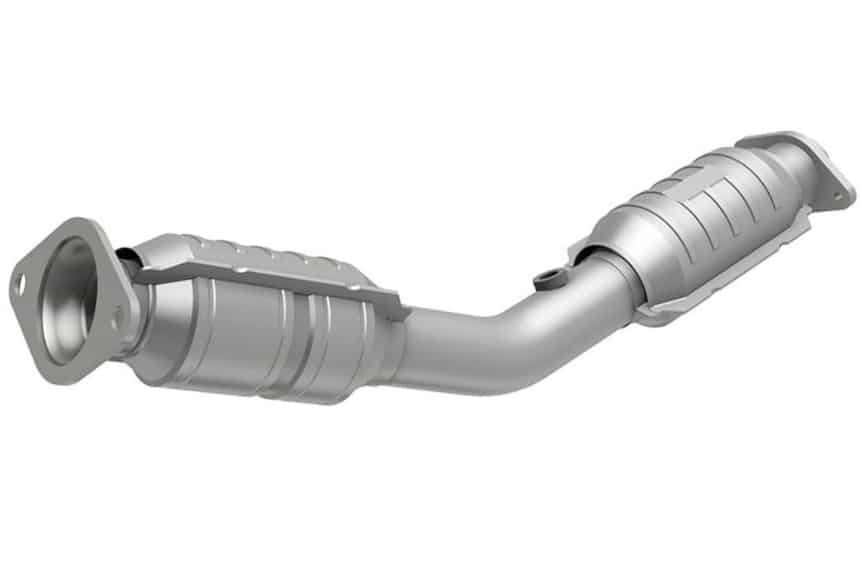
If you own a Nissan Sentra or plan to buy one, you may wonder, does Nissan Sentra have a catalytic converter? The simple answer is yes. Every modern Nissan Sentra is equipped with at least one catalytic converter as part of its exhaust and emissions control system. This essential component helps reduce harmful exhaust gases before they leave the tailpipe, allowing the vehicle to comply with environmental regulations while maintaining reliable engine performance.
Many drivers start asking this question after seeing the Check Engine Light, hearing unusual noises from underneath the car, or learning about catalytic converter theft. Others are preparing for an emissions inspection, replacing a damaged exhaust component, or comparing maintenance costs before purchasing a used Nissan Sentra. Understanding how the catalytic converter works can help you avoid expensive repairs and make better maintenance decisions.
The Nissan Sentra has evolved over multiple generations, and the number, location, and design of its catalytic converters can vary depending on the model year and engine configuration. Some models feature a catalytic converter integrated into the exhaust manifold, while others include an additional converter farther down the exhaust system. Knowing these differences is important when diagnosing problems or ordering replacement parts.
This guide explains everything you need to know about the Nissan Sentra catalytic converter. You will learn where it is located, how many catalytic converters your vehicle may have, what symptoms indicate failure, what causes damage, how much replacement typically costs, and how to protect this valuable component from theft. By the end of this article, you will have a complete understanding of the catalytic converter and its role in keeping your Nissan Sentra running efficiently and meeting emissions standards.
Does Every Nissan Sentra Have a Catalytic Converter?
Yes, every modern Nissan Sentra has a catalytic converter. It is a standard part of the exhaust and emissions system. The converter reduces harmful gases before they leave the tailpipe. It also helps the vehicle meet emissions regulations while maintaining engine performance.
The catalytic converter changes harmful gases into safer emissions. It converts carbon monoxide, hydrocarbons, and nitrogen oxides through a chemical reaction. Precious metals such as platinum, palladium, and rhodium make this process possible. As a result, the Nissan Sentra produces cleaner exhaust and has a smaller environmental impact.
Why Every Modern Vehicle Needs a Catalytic Converter
Gasoline engines create harmful emissions every time they burn fuel. Without a catalytic converter, those pollutants would enter the atmosphere. They would also increase air pollution and damage the environment.
Automakers install catalytic converters to meet strict emissions standards. Nissan includes this component in every modern Sentra for that reason. It helps the vehicle pass emissions inspections and comply with environmental laws. It also supports cleaner transportation without affecting normal driving.
Nissan Sentra Emission System Overview
The catalytic converter works with several other components. These include the oxygen sensors, the engine control module, the fuel injectors, and the exhaust manifold. Together, they control the air and fuel mixture. They also keep exhaust emissions within acceptable limits.
Problems in one component can damage the catalytic converter. For example, an engine misfire may send unburned fuel into the exhaust system. A faulty oxygen sensor can create the same problem. Excess fuel raises the converter’s temperature and reduces its lifespan.
Are There Any Exceptions?
Almost every Nissan Sentra built during the past several decades has at least one catalytic converter. The exact number depends on the model year, engine type, and emissions specification. Some vehicles use one converter, while others use two.
A vehicle only lacks a catalytic converter if someone removes it or modifies the exhaust system illegally. Driving without one can trigger the Check Engine Light. It can also increase emissions, reduce fuel efficiency, and cause the vehicle to fail an emissions inspection. Replacing the missing converter restores proper performance and keeps the vehicle compliant with emissions regulations.
Where Is the Catalytic Converter Located on a Nissan Sentra?
The catalytic converter is part of the Nissan Sentra exhaust system. Its location depends on the model year, engine size, and emissions configuration. Most Nissan Sentra models place the primary catalytic converter close to the engine because it needs to reach operating temperature quickly. Some models also include a second catalytic converter farther down the exhaust system to improve emissions control.
The front catalytic converter is usually attached to the exhaust manifold or positioned just below it. This location allows the converter to heat up soon after the engine starts. Once it reaches the proper temperature, it begins converting harmful gases into less harmful emissions. The front converter also works with the oxygen sensors and the engine control module. Together, these components monitor exhaust gases and maintain the correct air and fuel mixture for better engine performance.
Many Nissan Sentra models also use a rear catalytic converter. It is commonly installed underneath the vehicle along the exhaust pipe. This second converter continues cleaning the exhaust before the gases pass through the muffler and exit the tailpipe. If either catalytic converter fails, the engine may lose efficiency, fuel consumption may increase, and the Check Engine Light can appear.
The catalytic converter layout also changes between model years. Most 2000 to 2006 Nissan Sentra models use a converter near the exhaust manifold, while some versions include a second converter underneath the vehicle. Many models produced between 2007 and 2012 use two catalytic converters as standard equipment to improve emissions performance. Nissan continued this design on many vehicles built from 2013 to 2019.
Current Nissan Sentra models continue to use an advanced emissions system. Depending on the engine and market, they may have one or two catalytic converters. Nissan has also improved engine management technology to increase converter efficiency, reduce exhaust emissions, and extend the service life of the entire exhaust system.
How Many Catalytic Converters Does a Nissan Sentra Have?
The number of catalytic converters on a Nissan Sentra depends on the model year, engine, and emissions requirements. Most modern models have one or two catalytic converters. Nissan selected each configuration to reduce exhaust emissions while maintaining engine efficiency and meeting environmental regulations.
Older Nissan Sentra models often use a single catalytic converter. It is usually mounted near the exhaust manifold, where it can reach operating temperature quickly. This design works well for vehicles with simpler emissions systems and fewer regulatory requirements.
Many Sentra models produced from the mid two thousands onward use two catalytic converters. The front converter performs most of the emissions treatment because it receives hot exhaust gases directly from the engine. The rear converter removes the remaining pollutants before the exhaust exits through the tailpipe. Together, these components improve emissions performance and help the vehicle meet stricter standards.
The engine also influences the catalytic converter layout. A one point eight liter engine may use a different exhaust configuration than a two liter or two point five liter engine. In some markets, Nissan also adjusted the emissions system to comply with local regulations. For this reason, two Nissan Sentra vehicles from the same model year may not always have identical exhaust components.
If you need to replace a catalytic converter, always confirm your vehicle’s specifications before ordering parts. Checking the vehicle identification number, engine code, or owner’s manual helps you identify the correct catalytic converter. This simple step reduces installation problems and ensures the replacement part matches the original emissions system.
What Does the Catalytic Converter Do?
The catalytic converter is one of the most important parts of the Nissan Sentra exhaust system. Its main job is to reduce harmful emissions before they leave the tailpipe. As exhaust gases pass through the converter, a chemical reaction changes dangerous pollutants into less harmful substances. This process helps protect air quality and allows the vehicle to meet emissions standards.
Inside the catalytic converter, a ceramic or metallic honeycomb structure is coated with precious metals such as platinum, palladium, and rhodium. These metals act as catalysts that speed up chemical reactions without being consumed. They convert carbon monoxide into carbon dioxide, change unburned hydrocarbons into water vapor and carbon dioxide, and reduce nitrogen oxides into nitrogen and oxygen.
The catalytic converter does more than reduce pollution. It also supports the overall performance of the emissions system. Oxygen sensors monitor the exhaust before and after the converter, while the engine control module adjusts the air and fuel mixture to maintain efficient combustion. When these components work together, the engine runs more smoothly, fuel burns more efficiently, and exhaust emissions remain within legal limits.
A properly functioning catalytic converter also helps prevent failed emissions inspections. If the converter becomes clogged or damaged, exhaust gases cannot flow freely through the system. The engine may lose power, fuel economy can decrease, and the Check Engine Light may turn on. In many cases, the vehicle will also store a diagnostic trouble code such as P0420, indicating that the catalytic converter is no longer operating efficiently.
Although the catalytic converter is designed to last for many years, it is not a maintenance free component. Engine misfires, oil burning, coolant leaks, and faulty oxygen sensors can shorten its lifespan. Addressing these problems early helps protect the converter and reduces the risk of expensive repairs in the future.
Signs of a Bad Catalytic Converter on a Nissan Sentra
A failing catalytic converter often develops gradually. At first, the symptoms may seem minor and easy to ignore. As the damage becomes more severe, however, the converter can affect engine performance, fuel efficiency, and the overall driving experience. Recognizing the warning signs early can help you avoid costly repairs.
One of the most common symptoms is the Check Engine Light. When the engine control module detects that the catalytic converter is no longer cleaning exhaust gases effectively, it may store a diagnostic trouble code. Code P0420 is one of the most common indicators of reduced catalytic converter efficiency. Although this code does not always mean the converter has failed, it signals that the emissions system needs further inspection.
A noticeable loss of engine power is another common symptom. A clogged catalytic converter restricts exhaust flow, making it harder for the engine to release burned gases. As pressure builds inside the exhaust system, the engine may accelerate slowly, struggle to climb hills, or feel less responsive during normal driving.
Poor fuel economy can also point to a failing catalytic converter. When exhaust gases cannot flow freely, the engine must work harder to produce the same level of performance. This extra effort often increases fuel consumption, especially during city driving or frequent acceleration.
Some drivers notice a strong sulfur smell that resembles rotten eggs. This odor usually appears when the catalytic converter can no longer process sulfur compounds efficiently. While poor quality fuel may occasionally cause a similar smell, a persistent odor often indicates a problem within the emissions system.
Unusual noises may also suggest internal damage. If the ceramic honeycomb inside the catalytic converter cracks or breaks apart, loose pieces can rattle when the vehicle starts, accelerates, or drives over uneven roads. Ignoring this symptom may allow the damage to become worse over time.
A damaged catalytic converter can also cause the vehicle to fail an emissions inspection. Higher levels of harmful gases in the exhaust indicate that the converter is no longer performing as intended. In many regions, this issue must be repaired before the vehicle can pass inspection or renew its registration.
These symptoms do not always confirm a failed catalytic converter. Faulty oxygen sensors, engine misfires, fuel system problems, or exhaust leaks can produce similar warning signs. A complete diagnosis is the best way to identify the root cause before replacing any parts.
What Causes a Catalytic Converter to Fail?
A catalytic converter is built to last for many years, but it depends on a healthy engine to perform properly. In most cases, the converter does not fail on its own. Instead, another mechanical problem damages the internal catalyst over time. Identifying the real cause is essential because replacing the converter without fixing the underlying issue often leads to another failure.
Engine misfires are one of the most common reasons for catalytic converter damage. When the air and fuel mixture does not burn completely, unburned fuel enters the exhaust system. The catalytic converter burns this excess fuel, creating extreme heat that can melt or crack the ceramic honeycomb inside the unit.
Excessive oil consumption is another major cause. Worn piston rings, damaged valve seals, or other internal engine problems allow oil to enter the combustion chamber. As the oil burns, it leaves carbon deposits on the catalyst. These deposits reduce airflow, lower conversion efficiency, and shorten the converter’s lifespan.
Coolant contamination can cause similar damage. A leaking head gasket or cracked cylinder head may allow coolant to enter the engine. Once it reaches the catalytic converter, it coats the catalyst with harmful deposits that reduce its ability to clean exhaust gases.
A rich fuel mixture also increases the risk of failure. Faulty oxygen sensors, dirty fuel injectors, or a malfunctioning mass air flow sensor can send too much fuel into the exhaust system. In addition, physical impacts from road debris or potholes may crack the converter housing or damage the ceramic core. Regular engine maintenance and early repairs remain the most effective ways to extend catalytic converter life and avoid expensive replacement costs.
Can You Drive With a Bad Catalytic Converter?
Yes, you can still drive a Nissan Sentra with a bad catalytic converter in some situations, but it is not a good long term solution. A damaged converter usually becomes less efficient over time, and the symptoms often grow worse if you continue driving without repairs. Taking action early can prevent additional damage and reduce repair costs.
A partially clogged catalytic converter may only trigger the Check Engine Light at first. As the blockage becomes more severe, exhaust gases cannot leave the engine efficiently. The engine must work harder to produce power, which can reduce acceleration and increase fuel consumption. You may also notice rough idling, poor throttle response, or difficulty maintaining highway speeds.
Driving with a severely damaged catalytic converter can create more serious problems. Excessive exhaust back pressure places additional stress on the engine and may increase operating temperatures. In some cases, prolonged driving can damage oxygen sensors or other parts of the exhaust system. Ignoring these warning signs may lead to more expensive repairs than replacing the catalytic converter itself.
There are also legal considerations. Many states and countries require vehicles to meet emissions standards before they can pass an inspection. A failed catalytic converter often causes excessive exhaust emissions, making the vehicle ineligible for registration until the problem is repaired.
If your Nissan Sentra shows signs of catalytic converter failure, schedule a professional inspection as soon as possible. A technician can determine whether the converter has failed or if another component, such as an oxygen sensor or ignition system part, is causing the problem. An accurate diagnosis helps you avoid unnecessary repairs and keeps the emissions system working properly.
How Much Does It Cost to Replace a Nissan Sentra Catalytic Converter?
The cost to replace a Nissan Sentra catalytic converter depends on the model year, engine type, and the replacement part you choose. Labor rates and local emissions regulations can also affect the final price. For this reason, replacement costs may vary significantly from one vehicle to another.
An original equipment catalytic converter usually costs more because it is designed specifically for the Nissan Sentra. These parts offer reliable performance, meet factory emissions standards, and often provide a longer service life. Many owners choose an original replacement to ensure proper fit and long term reliability.
Aftermarket catalytic converters are often more affordable. A quality aftermarket unit can perform well if it meets local emissions requirements and matches the vehicle’s specifications. However, low quality products may not last as long or provide the same level of emissions control. Choosing a trusted manufacturer helps reduce the risk of premature failure.
Labor costs depend on the location of the catalytic converter and the complexity of the installation. A converter mounted near the exhaust manifold usually requires more time to replace than one located farther down the exhaust system. Rusted bolts, damaged exhaust pipes, or additional repairs can also increase the total cost.
Before replacing the catalytic converter, it is important to diagnose the root cause of the problem. Faulty oxygen sensors, engine misfires, coolant leaks, or excessive oil consumption can damage a new converter if they remain unresolved. Repairing these issues first protects your investment and helps the replacement catalytic converter deliver reliable performance for many years.
Is the Nissan Sentra a Target for Catalytic Converter Theft?
Catalytic converter theft has increased in many areas because the component contains valuable precious metals, including platinum, palladium, and rhodium. These materials can be recycled for a high price, making catalytic converters an attractive target for thieves. Although the Nissan Sentra is not stolen as often as some larger vehicles, it can still become a victim, especially when parked in unsecured locations.
The level of risk depends on the model year and where the vehicle is driven or parked. Older Nissan Sentra models may attract thieves because replacement parts are widely available and many vehicles remain on the road. Areas with higher theft rates also increase the likelihood of becoming a target, particularly if the vehicle is left overnight in open parking lots or on quiet streets.
A stolen catalytic converter usually leaves obvious signs. The vehicle becomes much louder immediately after startup because part of the exhaust system is missing. Drivers may also notice reduced performance, a strong exhaust smell, or the Check Engine Light. Since the converter is cut from the exhaust system, repairs often involve replacing damaged pipes in addition to installing a new catalytic converter.
There are several ways to reduce the risk of theft. Parking in a locked garage or a well lit area is one of the most effective solutions. Installing a catalytic converter shield or an anti theft device can also discourage criminals by making removal more difficult. Some owners choose to engrave the vehicle identification number on the converter, making it easier to identify if authorities recover the stolen part.
While no security measure can guarantee complete protection, combining good parking habits with physical theft prevention devices can significantly reduce the risk and help protect your Nissan Sentra from costly repairs.
Frequently Asked Questions
Does every Nissan Sentra have a catalytic converter?
Yes. Every modern Nissan Sentra comes with at least one catalytic converter as part of its emissions control system. Depending on the model year and engine, some vehicles have two catalytic converters for improved emissions performance.
Where is the catalytic converter located on a Nissan Sentra?
Most Nissan Sentra models place the primary catalytic converter near the exhaust manifold. Some models also include a second converter underneath the vehicle along the exhaust pipe. The exact location depends on the engine and model year.
How long does a Nissan Sentra catalytic converter last?
A catalytic converter can often last between 100000 and 150000 miles with proper maintenance. Regular engine service and prompt repairs help extend its lifespan and reduce the risk of premature failure.
What are the symptoms of a bad catalytic converter?
Common symptoms include a Check Engine Light, poor acceleration, reduced fuel economy, a sulfur smell, rattling noises, and failed emissions inspections. A professional inspection can confirm whether the catalytic converter or another component is causing these problems.
Can I drive a Nissan Sentra without a catalytic converter?
Removing the catalytic converter is illegal in many regions and increases harmful exhaust emissions. Driving without one may also trigger warning lights, reduce engine efficiency, and cause the vehicle to fail an emissions inspection.
How much does it cost to replace a Nissan Sentra catalytic converter?
Replacement costs vary based on the model year, engine, labor rates, and the type of replacement part. An original equipment catalytic converter usually costs more than an aftermarket alternative, but it often provides better fit, durability, and emissions performance.
Conclusion
If you have been asking, does Nissan Sentra have a catalytic converter, the answer is yes. Every modern Nissan Sentra includes at least one catalytic converter to reduce harmful emissions and support efficient engine operation. Depending on the model year and engine configuration, your vehicle may use one or two catalytic converters as part of its exhaust system.
Understanding how the catalytic converter works can help you recognize problems before they become expensive repairs. Warning signs such as reduced engine performance, poor fuel economy, unusual exhaust odors, or a Check Engine Light should never be ignored. Early diagnosis often prevents additional damage and extends the life of the emissions system.
Routine maintenance also plays an important role. Keeping the engine in good condition, repairing misfires, replacing faulty oxygen sensors, and fixing oil or coolant leaks can protect the catalytic converter and improve long term reliability. If replacement becomes necessary, always choose a catalytic converter that matches your Nissan Sentra model and complies with local emissions regulations.
Whether you own an older Nissan Sentra or a newer model, knowing the location, function, common problems, and replacement options for the catalytic converter will help you make informed maintenance decisions. With proper care, this essential component can deliver years of reliable performance while keeping your vehicle efficient, environmentally responsible, and ready for the road.