Many drivers need to put a Nissan Pathfinder in Neutral at some point. You may need it before towing the vehicle, entering a car wash, or dealing with a dead battery. Some owners also need this procedure when the transmission will not shift normally. Knowing the correct steps can save time and help prevent costly damage.
If you are asking, how do you put a Nissan Pathfinder in Neutral, the answer depends on your model year. Older models use a traditional gear selector and often include a shift lock release. Newer Pathfinder models use an electronic shifter that works differently. Each system requires its own procedure, especially when the vehicle has no electrical power.
This guide explains every common method in simple steps. You will learn how to shift into Neutral when the engine starts normally. You will also learn what to do if the battery is dead or the vehicle will not start. In addition, you will discover how the shift lock release works and when you should use it. The guide also explains Nissan’s towing recommendations for different Pathfinder models.
After reading this article, you will know the safest way to put your Nissan Pathfinder in Neutral. You will also understand which method matches your vehicle. This knowledge helps you avoid transmission damage and keeps you safe whenever you need to move the vehicle.
How Do You Put a Nissan Pathfinder in Neutral?
The fastest way to put a Nissan Pathfinder in Neutral is to start the engine, press the brake pedal, and move the gear selector to the Neutral position. Once the N indicator appears on the instrument cluster, the vehicle is ready to roll if the parking brake is released.
The process changes when the vehicle has a dead battery or a transmission problem. Older Pathfinder models usually include a shift lock release that lets you move the shifter into Neutral. Newer models with an electronic shifter may require battery power before you can select Neutral. In some cases, you may need a jump start or professional towing assistance.
The table below provides a quick overview of the correct method for each situation.
| Situation | Recommended Method |
|---|---|
| Engine starts normally | Press the brake pedal and shift into Neutral |
| Dead battery on older models | Use the shift lock release |
| Dead battery on newer models | Restore battery power before selecting Neutral |
| Vehicle needs towing | Follow Nissan’s towing recommendations for your model |
| Electronic shifter will not respond | Check the battery or contact roadside assistance |
Choosing the correct method protects the transmission and helps prevent unnecessary damage. If you are unsure which procedure applies to your vehicle, identify your Pathfinder’s model year before attempting to move the shifter.
How to Put a Nissan Pathfinder in Neutral When the Engine Starts Normally
Putting a Nissan Pathfinder in Neutral is simple when the engine starts and the transmission operates correctly. Following the proper sequence helps the transmission engage the correct gear and reduces the risk of accidental vehicle movement.
Step 1: Start the Vehicle
Start the engine as you normally would. Make sure the key fob is inside the vehicle if your Pathfinder uses a push button ignition. Wait until the dashboard finishes its system checks before shifting gears.
Step 2: Press and Hold the Brake Pedal
Keep your foot firmly on the brake pedal throughout the process. The transmission shift lock requires the brake pedal to remain pressed before it allows the gear selector to move.
Step 3: Move the Gear Selector to Neutral
Move the gear selector from Park to Neutral. Do not force the shifter if it feels stuck. If it does not move smoothly, stop and check for a dead battery, a faulty brake light switch, or another mechanical issue.
Step 4: Confirm Neutral Is Engaged
Look at the instrument cluster and confirm that the N indicator is illuminated. This confirms the transmission is in Neutral. If the display still shows Park or another gear, repeat the procedure before attempting to move the vehicle.
Common Mistakes to Avoid
Many drivers release the brake pedal before confirming the transmission is in Neutral. Others attempt to force the shifter when it does not move. These mistakes can damage the shift mechanism or create a safety hazard. Always verify the gear position before releasing the parking brake or moving the vehicle.
How to Put a Nissan Pathfinder in Neutral With a Dead Battery
A dead battery changes the way you put a Nissan Pathfinder in Neutral because the transmission can no longer communicate with the vehicle’s electrical system. Many drivers expect the gear selector to move after pressing the brake pedal, but that usually does not happen when the battery has no power. Instead, the transmission remains locked in Park as part of Nissan’s safety system. The correct solution depends on whether your Pathfinder has a traditional mechanical shifter or a newer electronic shift by wire system.
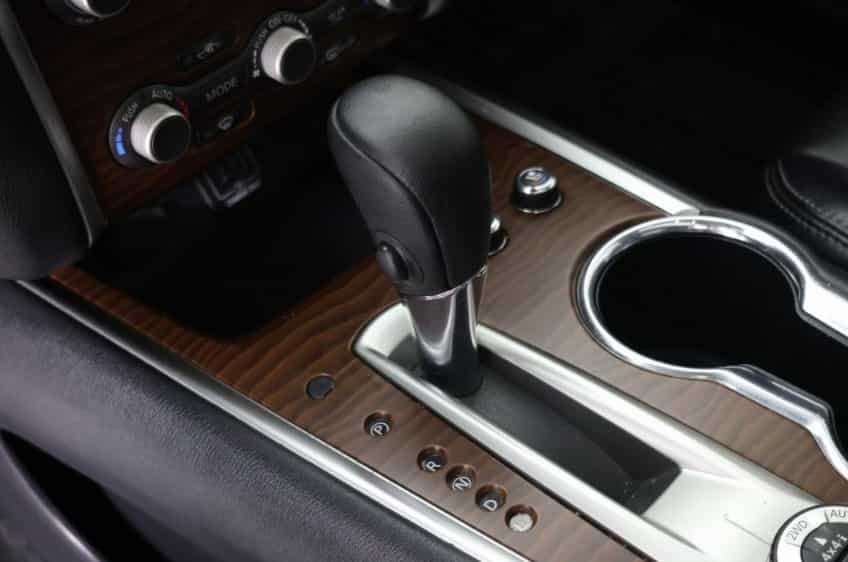
If you own an older Nissan Pathfinder, the vehicle may include a manual shift lock release near the gear selector. This feature allows you to override the shift lock when electrical power is unavailable. Begin by applying the parking brake to keep the vehicle from moving unexpectedly. Next, locate the small plastic cover beside the gear selector and remove it with the vehicle key or a flat screwdriver. Insert the key into the opening, press the release mechanism, and keep your foot on the brake pedal while moving the shifter from Park to Neutral. Once the transmission reaches Neutral, reinstall the cover before moving the vehicle.
The process is different on newer Pathfinder models equipped with an electronic shifter. These vehicles depend on electrical power to operate the transmission controls, so the gear selector cannot usually enter Neutral when the battery is completely dead. In most situations, the safest solution is to restore battery power with a jump starter or another approved power source. After the vehicle powers up, you can shift into Neutral using the normal procedure. If restoring power is not possible, avoid forcing the shifter because doing so may damage the transmission or the electronic shift mechanism.
Before moving the vehicle, always confirm that the instrument cluster displays the N indicator. Never assume the transmission is in Neutral simply because the gear selector has moved. Checking the gear position only takes a few seconds, but it can prevent expensive drivetrain damage and reduce the risk of the vehicle rolling unexpectedly.
How to Put a 2022 and Newer Nissan Pathfinder in Neutral
The 2022 Nissan Pathfinder introduced a new electronic shift by wire system that works differently from the traditional gear selector found in earlier models. Instead of using a direct mechanical connection, the gear selector sends electronic signals to the transmission. This design creates a cleaner interior and smoother shifting, but it also changes the way drivers select Neutral. If you recently upgraded from an older Pathfinder, the procedure may feel unfamiliar at first.
When the vehicle has normal battery power, putting the transmission into Neutral is straightforward. Start the engine and keep your foot firmly on the brake pedal. Move the electronic gear selector toward the Neutral position and hold it briefly until the instrument cluster confirms the transmission has shifted into N. Once the indicator appears, release the selector and verify that the vehicle remains stationary before releasing the parking brake. Taking a moment to confirm the gear position helps prevent accidental movement, especially when preparing for towing or entering an automatic car wash.
The process becomes more complicated if the battery is completely discharged. Unlike older Pathfinder models, the electronic shift by wire system depends on electrical power to communicate with the transmission. Without power, the selector cannot send the command needed to engage Neutral. Many owners believe the shifter has failed when it refuses to move, but the transmission is often working exactly as designed. Restoring battery power with a jump starter is usually the quickest solution. Once the electrical system is active again, the transmission should respond normally.
If the battery cannot be recharged at the roadside, avoid forcing the gear selector into another position. Applying excessive force may damage the electronic shift mechanism or surrounding trim components. In this situation, professional roadside assistance is usually the safest option. A qualified technician can restore power, verify the transmission status, and prepare the vehicle for transport without increasing the risk of mechanical damage.
Although the electronic system operates differently, its purpose remains the same. Nissan designed it to improve safety, prevent unintended gear changes, and protect the transmission. Understanding how the system works makes it much easier to place your Nissan Pathfinder in Neutral when the situation requires it.
Can You Tow a Nissan Pathfinder in Neutral?
Putting a Nissan Pathfinder in Neutral does not always mean the vehicle is safe to tow. This is one of the most common misunderstandings among SUV owners. Many people assume that selecting Neutral disconnects the transmission from the drivetrain, but that is not true for every Pathfinder. The correct towing method depends on the model year, drivetrain, and transmission design. Choosing the wrong method can cause serious damage to the transmission, transfer case, or differential.
If your Pathfinder starts normally and you only need to move it a short distance, such as onto a flatbed or through a conveyor style car wash, shifting into Neutral is usually all you need to do. Keep your foot on the brake pedal, confirm that the instrument cluster displays N, and release the parking brake only when you are ready to move the vehicle. Having another person guide you while the vehicle rolls can make the process safer, especially in tight spaces.
The situation changes when the vehicle must be towed on public roads. Most modern Nissan Pathfinder models are not designed for flat towing with all four wheels on the ground. Even if the transmission is in Neutral, internal components may continue to rotate without proper lubrication. Over time, this movement can generate excessive heat and lead to expensive transmission damage. For this reason, a flatbed tow truck is the safest option in most situations.
Drivers of four wheel drive models should take extra care. The transfer case connects the front and rear axles, which means both sets of wheels can affect the drivetrain during towing. Placing the transmission in Neutral does not completely isolate these components. Using a flatbed keeps all four wheels off the road and reduces the risk of unnecessary wear or mechanical failure during transport.
If your Pathfinder has a dead battery, avoid trying to pull or push the vehicle before confirming that the transmission is actually in Neutral. A locked transmission can place significant stress on the drivetrain and tires. If you cannot restore battery power or verify the gear position, contacting a professional towing service is the safest decision. Spending a little more time before moving the vehicle can prevent repairs that cost far more than the tow itself.
Understanding the difference between putting a Nissan Pathfinder in Neutral and preparing it for towing is essential. Neutral allows the transmission to disengage under normal conditions, but it does not replace the towing procedures recommended for your specific Pathfinder. Following the correct method helps protect the transmission and ensures the vehicle reaches its destination without additional damage.
Can You Tow a Nissan Pathfinder in Neutral?
Many drivers believe that putting a Nissan Pathfinder in Neutral automatically makes it safe to tow. In reality, that is not always the case. While Neutral allows the transmission to disengage under certain conditions, it does not protect every part of the drivetrain during towing. The correct towing method depends on the model year, drivetrain, and transmission system. Using the wrong procedure can lead to expensive mechanical damage.
If your Nissan Pathfinder starts normally and only needs to roll a short distance, such as onto a flatbed tow truck or through an automatic car wash, shifting into Neutral is usually enough. Press the brake pedal, move the gear selector into Neutral, and confirm that the N indicator appears on the instrument cluster. Once you verify the gear position, release the parking brake only when it is safe to move the vehicle.
Long distance towing requires more caution. Most modern Nissan Pathfinder models are not designed to be towed with all four wheels on the ground, even when the transmission is in Neutral. Internal transmission and drivetrain components may continue to rotate without proper lubrication, which can result in excessive wear or permanent damage. For this reason, Nissan generally recommends using a flatbed tow truck whenever possible.
If your Pathfinder has a dead battery, make sure the transmission is actually in Neutral before attempting to move the vehicle. A locked transmission can place unnecessary stress on the drivetrain and tires. When you cannot restore battery power or confirm the gear position, professional towing is the safest option. Following the correct towing procedure protects your Nissan Pathfinder and helps you avoid costly transmission repairs later.
Why Won’t My Nissan Pathfinder Shift Into Neutral?
If your Nissan Pathfinder will not shift into Neutral, do not assume the transmission has failed. In many cases, the problem is caused by a simple issue that prevents the gear selector from moving. Identifying the cause before forcing the shifter can save you time, reduce repair costs, and help prevent additional damage.
One of the most common causes is a dead or weak battery. Modern Pathfinder models rely on electrical power to release the electronic shift lock. When the battery has no power, the transmission may remain locked in Park even if you press the brake pedal. Restoring battery power with a jump starter often solves the problem and allows the transmission to shift normally.
A faulty brake light switch can also prevent the vehicle from shifting into Neutral. The transmission control system must detect that the brake pedal is pressed before it releases the shift lock. If the switch fails, the vehicle may stay in Park even though you are pressing the brake. Checking whether the brake lights illuminate is a quick way to identify this issue.
Mechanical problems may also stop the gear selector from moving. A damaged shift cable, worn shifter components, or an internal transmission fault can interfere with normal operation. If the shifter feels unusually loose, stiff, or completely stuck, avoid applying excessive force. Forcing the gear selector can damage the transmission or the shift mechanism.
If basic troubleshooting does not resolve the issue, inspect the owner’s manual for model specific instructions or contact a qualified technician. Diagnosing the problem early helps protect the transmission and ensures your Nissan Pathfinder can be moved safely without causing further mechanical damage.
Safety Tips Before Moving Your Nissan Pathfinder
Before moving your Nissan Pathfinder in Neutral, take a few moments to make sure the vehicle is secure. Even a small mistake can cause the SUV to roll unexpectedly or place unnecessary stress on the transmission. Following a few basic safety precautions helps protect both the vehicle and everyone nearby.
Begin by applying the parking brake before shifting out of Park. Keep your foot firmly on the brake pedal throughout the process and verify that the instrument cluster displays N before releasing the parking brake. Never rely on the position of the gear selector alone because the transmission may not have fully engaged Neutral.
If you are moving the vehicle on a slope, use extra caution. Gravity can cause the Pathfinder to roll as soon as the parking brake is released. Whenever possible, choose a flat surface and have another person assist by guiding the vehicle. Clear the surrounding area of people, tools, and other obstacles before allowing the SUV to move.
Avoid forcing the gear selector if it will not shift into Neutral. Resistance often indicates an electrical, mechanical, or transmission related problem that requires attention. Applying excessive force can damage the shift mechanism and lead to more expensive repairs. If the battery is dead or the transmission remains locked in Park, restore power first or seek professional assistance.
Finally, follow the towing recommendations for your specific Nissan Pathfinder model. While placing the transmission in Neutral allows the vehicle to roll under certain conditions, it does not mean every Pathfinder can be towed the same way. Using the correct procedure helps protect the transmission, drivetrain, and other critical components while ensuring the vehicle can be moved safely.
Frequently Asked Questions
Can I put a Nissan Pathfinder in Neutral without starting the engine?
Yes, but the answer depends on your Pathfinder’s model year. Older models with a manual shift lock release can often be placed in Neutral without starting the engine. Newer models with an electronic shifter usually require battery power before the transmission will respond. If the battery is completely dead, you may need to restore power or call for professional assistance.
Can I shift into Neutral with a dead battery?
Some older Nissan Pathfinder models allow you to use the shift lock release to move the transmission into Neutral. Most newer models cannot enter Neutral without electrical power because the electronic shift system remains locked. Always check the owner’s manual for the correct procedure before attempting to move the vehicle.
Is it safe to tow a Nissan Pathfinder in Neutral?
Neutral alone does not make every Pathfinder safe to tow. Most modern models should be transported on a flatbed tow truck to protect the transmission and drivetrain. Following the recommended towing procedure reduces the risk of costly mechanical damage.
Why is my Nissan Pathfinder stuck in Park?
A dead battery, a faulty brake light switch, or a malfunctioning shift lock system are the most common reasons a Pathfinder stays in Park. Mechanical problems inside the shifter or transmission can also prevent the gear selector from moving. Inspect these components before assuming the transmission has failed.
Can I put my Nissan Pathfinder in Neutral for a car wash?
Yes, as long as the vehicle is operating normally. Start the engine, press the brake pedal, shift into Neutral, and confirm that the N indicator appears on the instrument cluster. Follow the instructions provided by the car wash before releasing the brake or parking brake.
Conclusion
Knowing how to put a Nissan Pathfinder in Neutral can make a stressful situation much easier to handle. Whether you need to load the vehicle onto a tow truck, enter an automatic car wash, or deal with a dead battery, using the correct procedure helps protect the transmission and keeps the vehicle safe to move. Since Nissan has introduced different transmission systems over the years, it is important to follow the method that matches your specific Pathfinder model.
Older Pathfinder models often include a manual shift lock release that allows the transmission to enter Neutral when electrical power is unavailable. Newer models use an electronic shift system that typically requires battery power before the transmission will respond. Understanding these differences can help you avoid unnecessary damage and reduce the risk of expensive repairs.
If your Nissan Pathfinder refuses to shift into Neutral, do not force the gear selector. Instead, check the battery, confirm the brake pedal is working properly, and inspect the shift lock system before considering a more serious transmission problem. When you are unsure of the correct procedure, consulting your owner’s manual or contacting a qualified technician is always the safest choice.
By following the steps in this guide, you can confidently put your Nissan Pathfinder in Neutral while protecting the transmission, drivetrain, and other important components. A few extra minutes spent using the proper method can save you significant time, money, and frustration in the future.