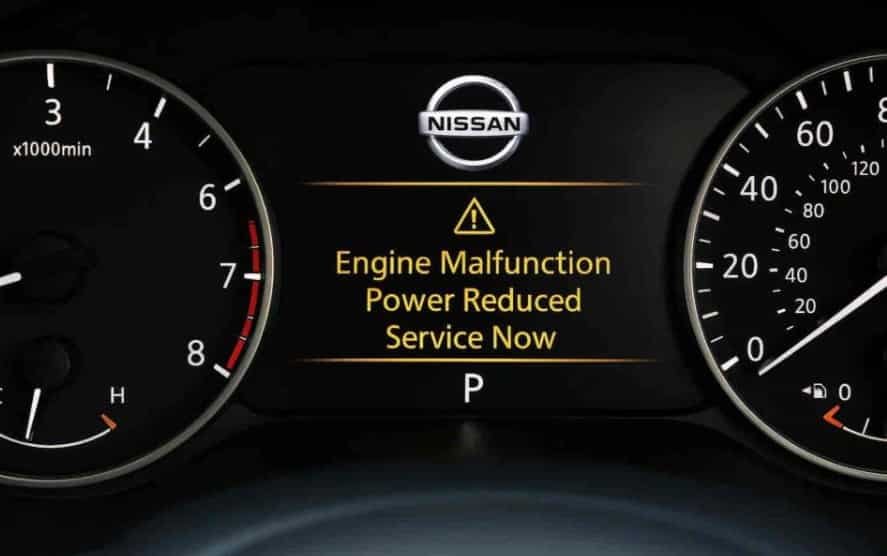
Your Nissan Navara suddenly loses power. The engine struggles to accelerate and refuses to rev normally. At the same time, the check engine light may appear on the dashboard. These signs often indicate that the vehicle has entered limp mode. Although the experience can be frustrating, limp mode helps protect the engine and transmission from serious damage.
Many drivers want a quick reset so they can continue driving. However, resetting the system rarely fixes the real problem. The engine control unit activates limp mode after detecting abnormal data from one or more sensors. If the fault remains, the vehicle will usually enter limp mode again within a short time.
Learning how to get Nissan Navara out of limp mode starts with proper diagnosis. You need to identify the faulty component before replacing parts or clearing fault codes. This approach saves time, reduces repair costs, and prevents unnecessary work. It also helps restore normal engine performance more quickly.
This complete troubleshooting guide explains every step in the process. You will learn the most common causes of limp mode, recognize the warning signs, inspect key engine components, read diagnostic fault codes, and apply the correct repair. Whether the issue involves the turbocharger, DPF, MAF sensor, fuel system, or transmission, this guide will help you solve the problem with confidence.
What Is Limp Mode on a Nissan Navara?
Limp mode is a built in safety feature that protects your Nissan Navara from severe engine or transmission damage. When the engine control unit detects an abnormal reading, it limits engine performance to reduce stress on critical components. This allows you to drive to a safe location or a repair shop instead of risking a major mechanical failure.
The engine control unit constantly monitors sensors throughout the vehicle. It checks airflow, boost pressure, fuel pressure, engine temperature, transmission operation, and many other systems. If one of these values falls outside the acceptable range, the control unit stores a fault code and activates limp mode. In many cases, the check engine light also appears on the dashboard.
When limp mode becomes active, your Nissan Navara no longer performs as normal. The engine may refuse to rev above a certain speed. Acceleration becomes slow, and the turbocharger may stop producing full boost pressure. Automatic models can also lock the transmission into a single gear to prevent additional damage. These changes reduce vehicle performance, but they also help protect expensive engine and transmission components.
Many drivers believe that limp mode is the fault itself. In reality, it is only a warning that another problem exists. Clearing the warning light without fixing the underlying issue will rarely solve the problem. The vehicle will usually enter limp mode again as soon as the engine control unit detects the same fault. For this reason, accurate diagnosis should always come before any repair or reset procedure.
Common Signs Your Nissan Navara Is in Limp Mode
Limp mode does not always appear in the same way. The symptoms often depend on the component that triggered the fault. However, most Nissan Navara models display several common warning signs. Recognizing these symptoms early can help you diagnose the problem before it becomes more serious.
Sudden Loss of Engine Power
A sudden loss of power is the most common symptom of limp mode. The engine responds slowly when you press the accelerator, even if you apply full throttle. The vehicle may struggle to climb hills, overtake other traffic, or carry heavy loads. This reduced performance protects the engine from further damage while the fault remains active.
Engine Will Not Rev Normally
Many drivers notice that the engine refuses to rev beyond a certain RPM. In most cases, the engine speed stays below 2,500 to 3,000 RPM. The exact limit varies by model and engine type. The engine control unit restricts engine speed to reduce stress on damaged or malfunctioning components.
Check Engine or DPF Warning Light
The check engine light often appears when the vehicle enters limp mode. Diesel models may also display a DPF warning light if the diesel particulate filter becomes blocked. These warning lights indicate that the engine control unit has detected a fault and stored one or more diagnostic trouble codes. Reading these codes is the first step toward finding the root cause.
Poor Acceleration
Your Nissan Navara may continue to drive, but acceleration feels weak and inconsistent. The vehicle takes longer to build speed, especially when joining a highway or climbing steep roads. This symptom often occurs when the engine limits fuel delivery or reduces turbocharger boost.
Turbo Boost Disappears
Turbocharged diesel engines rely on boost pressure to produce strong performance. If the engine control unit detects a boost related fault, it may disable or limit turbo operation. As a result, the engine feels sluggish and lacks the pulling power that drivers normally expect from a Nissan Navara.
Automatic Transmission Stays in One Gear
Automatic Nissan Navara models may lock the transmission into a single gear during limp mode. This strategy prevents additional damage if the transmission control system detects an internal fault. You may notice harsh shifting, delayed gear changes, or a complete refusal to shift into higher gears.
Increased Fuel Consumption
Some vehicles consume more fuel while operating in limp mode. The engine cannot maintain its normal efficiency because it limits power and adjusts fuel delivery to protect internal components. Although this symptom may seem minor, it often points to a fault that requires immediate attention.
Not every Nissan Navara displays all of these symptoms at the same time. Some vehicles show only one warning sign, while others develop several symptoms together. The safest approach is to treat every symptom as an indication that the engine management system has detected a problem. A proper diagnostic scan will confirm the exact cause and help you avoid unnecessary repairs.
How to Get Nissan Navara Out of Limp Mode
Getting your Nissan Navara out of limp mode requires more than a simple reset. The engine control unit activates this safety feature for a reason. If you ignore the underlying fault, the vehicle will almost always enter limp mode again. The correct approach is to inspect the vehicle step by step, identify the cause, complete the necessary repair, and then clear the stored fault codes.
Step 1. Stop the Vehicle Safely
If your Nissan Navara suddenly loses power while driving, stay calm and avoid hard acceleration. Move to a safe location as soon as possible. Turn off the engine and wait for five to ten minutes before restarting it.
A simple restart may restore normal performance for a short time. However, this only resets the temporary operating state of the engine control unit. It does not remove the fault that triggered limp mode. If the warning light returns, continue with a full inspection instead of repeatedly restarting the engine.
Step 2. Check the Dashboard Warning Lights
Before opening the bonnet, look at the dashboard for warning lights. These indicators provide valuable clues about the affected system.
A check engine light often points to an engine management fault. A DPF warning light may indicate excessive soot buildup inside the diesel particulate filter. A transmission warning light can suggest an automatic gearbox problem. Temperature and oil pressure warnings require immediate attention because they may signal conditions that can damage the engine within minutes.
Write down every warning light before turning the ignition off. This information will help during the diagnostic process.
Step 3. Scan the Vehicle for Fault Codes
The fastest way to identify the problem is to connect an OBD II scanner. Plug the scanner into the diagnostic port and switch the ignition on without starting the engine. Read both active and stored fault codes before clearing anything.
Each diagnostic trouble code points toward a specific system. For example, airflow codes often relate to the MAF sensor or an intake leak. Boost pressure codes usually indicate a turbocharger, intercooler hose, or boost sensor issue. Fuel pressure codes may reveal problems within the fuel delivery system.
Avoid replacing parts based only on the fault code description. Use the codes as a starting point, then inspect the related components to confirm the actual cause.
Step 4. Inspect the Air Intake System
Air intake problems are one of the most common reasons a Nissan Navara enters limp mode. Begin by checking the air filter for excessive dirt or blockage. Then inspect every intake pipe between the air filter housing and the turbocharger.
Next, examine the intercooler hoses for cracks, loose clamps, or oil residue. Escaping boost pressure often leaves light oil stains around the damaged area. Even a small leak can reduce turbo performance and trigger limp mode.
Also inspect every electrical connector around the intake system. A loose connector can interrupt sensor signals and cause the engine control unit to reduce engine power.
Step 5. Check the MAF Sensor and Boost Pressure Sensor
The MAF sensor measures the amount of air entering the engine. The engine control unit uses this information to calculate the correct fuel delivery. Dirt or contamination on the sensor can produce inaccurate readings and reduce engine performance.
Inspect the sensor connector for corrosion or loose terminals. If the sensor appears dirty, clean it with a cleaner that is specifically designed for MAF sensors. Allow it to dry completely before reinstalling it. Never touch the sensing element because it can become damaged very easily.
The boost pressure sensor also deserves careful inspection. Carbon deposits, moisture, or damaged wiring can cause incorrect pressure readings. When this happens, the engine control unit may reduce turbo boost to protect the engine.
Step 6. Check the DPF and EGR System
A blocked diesel particulate filter is one of the most common reasons a diesel Nissan Navara enters limp mode. The filter collects soot during normal driving and removes it through a regeneration process. Frequent short trips can interrupt regeneration and allow soot to build up over time. Once the soot level becomes too high, the engine control unit limits engine power to protect the exhaust system.
Look for a DPF warning light on the dashboard. You may also notice poor acceleration, increased fuel consumption, or frequent cooling fan operation after short journeys. These symptoms often indicate that the filter cannot complete a successful regeneration.
The EGR valve should also be inspected. This valve recirculates a portion of the exhaust gases to reduce emissions. Carbon deposits can prevent it from opening or closing correctly. A sticking EGR valve reduces airflow, affects combustion, and may trigger limp mode. Clean the valve if carbon buildup is minor. Replace it if testing confirms that it no longer operates correctly.
Step 7. Inspect the Fuel System
The fuel system plays a major role in engine performance. If the engine does not receive the correct fuel pressure, the engine control unit may activate limp mode to prevent damage.
Start by checking the fuel filter. A blocked filter restricts fuel flow and reduces engine performance. If the filter has not been replaced according to the maintenance schedule, install a new one before continuing with further diagnosis.
Next, inspect the fuel lines for leaks or damage. Low fuel pressure can also result from a faulty fuel pressure sensor, a worn high pressure pump, or a failing suction control valve. These faults often cause hard starting, hesitation, poor acceleration, or engine stalling.
Contaminated diesel fuel can create similar symptoms. If you suspect poor fuel quality, drain the system and refill the tank with clean fuel from a trusted supplier.
Step 8. Repair the Fault and Clear the Diagnostic Codes
After identifying the root cause, complete the necessary repair before attempting to reset the system. Replacing damaged parts without confirming the fault can increase repair costs and waste valuable time.
Once the repair is complete, connect the OBD II scanner again and clear all stored diagnostic trouble codes. Start the engine and allow it to idle for several minutes. Check the dashboard to confirm that no warning lights return.
Take the vehicle for a controlled test drive under normal driving conditions. Monitor engine response, turbo performance, and transmission operation. If the repair was successful, the engine should deliver normal power and the vehicle should remain out of limp mode.
Perform one final diagnostic scan after the test drive. Confirm that no active or pending fault codes have returned. This final inspection helps verify that the original problem has been fully resolved rather than temporarily hidden.
Can You Reset Nissan Navara Limp Mode Without a Scanner?
Many drivers look for a quick way to restore engine power without using a diagnostic scanner. While a few methods may temporarily remove limp mode, none of them will solve the underlying problem. If the engine control unit detects the same fault again, it will activate limp mode as soon as the operating conditions match the stored fault.
Restart the Engine
The simplest method is to turn the engine off and wait for several minutes before restarting it. This process may clear a temporary protection state if the fault no longer exists. Some drivers notice that engine power returns after a restart, especially when the problem resulted from a temporary sensor reading.
Do not assume the issue has been fixed. If the check engine light returns or the vehicle loses power again, the fault is still present. A diagnostic scan should be your next step.
Disconnect the Battery
Some owners disconnect the battery in an attempt to reset the engine control unit. This method can erase certain temporary adaptations on some Nissan Navara models. However, it does not repair a failed sensor, a blocked DPF, a boost leak, or any other mechanical problem.
Disconnecting the battery may also reset the clock, radio settings, automatic window functions, and other stored preferences. If you choose this method, reconnect the battery correctly and follow the manufacturer’s procedures to restore any lost settings.
Why Clearing the Fault Does Not Fix the Problem
Clearing a warning light only removes the stored diagnostic information. It does not repair the component that caused the fault. For example, a split intercooler hose will continue to leak boost pressure even after the warning light disappears. A blocked DPF will also continue to restrict exhaust flow until the blockage is removed.
The engine control unit constantly monitors the vehicle while it is running. If it detects the same abnormal condition again, it will store a new fault code and reactivate limp mode. This is why repeated resets rarely provide a permanent solution.
The most reliable way to get a Nissan Navara out of limp mode is to diagnose the root cause, complete the correct repair, and then clear the diagnostic trouble codes. This approach restores normal engine performance and greatly reduces the chance of the problem returning.
Most Common Nissan Navara Limp Mode Causes
Several faults can trigger limp mode in a Nissan Navara. The engine control unit limits engine performance whenever it detects a problem that could damage the engine or transmission. Finding the root cause is essential because resetting the system alone will not solve the issue.
A boost leak is one of the most common causes. A split intercooler hose or a loose clamp allows pressurized air to escape before it reaches the engine. This reduces turbo performance and causes a noticeable loss of power. Drivers often hear a hissing sound during acceleration and may find oil residue around the damaged hose.
A dirty mass air flow sensor can also activate limp mode. When the sensor sends incorrect airflow data, the engine control unit cannot calculate the correct fuel mixture. The engine may idle roughly, accelerate slowly, and consume more fuel than normal.
Diesel models frequently experience DPF related problems. Repeated short trips prevent the diesel particulate filter from completing a regeneration cycle. As soot builds up, exhaust back pressure increases and the engine control unit reduces power to protect the exhaust system.
Carbon deposits inside the EGR valve can restrict airflow and affect combustion. Turbo actuator faults, damaged boost pressure sensors, and fuel rail pressure problems can produce similar symptoms. Automatic models may also enter limp mode because of low transmission fluid, overheating, or internal transmission faults.
Always scan the vehicle for diagnostic trouble codes before replacing any parts. A proper diagnosis helps identify the faulty component, reduces unnecessary repair costs, and restores full engine performance more quickly.
Nissan Navara Limp Mode by Model
The exact cause of limp mode can vary between Nissan Navara models. Each generation uses different engines, sensors, and emission systems. Understanding the common faults for your specific model can help you diagnose the problem more quickly.
Nissan Navara D22
The D22 is a simpler model with fewer electronic systems than newer generations. Limp mode often results from boost leaks, damaged vacuum hoses, faulty airflow sensors, or fuel delivery problems. Older vehicles may also develop wiring issues because of age, corrosion, or worn electrical connectors. Regular inspection of hoses and wiring can prevent many of these faults.
Nissan Navara D40
The D40 commonly experiences limp mode because of turbocharger and emission system faults. Split intercooler hoses, sticking turbo actuators, blocked diesel particulate filters, and worn suction control valves are among the most frequent causes. Drivers may notice poor acceleration, limited engine speed, and a check engine light before the vehicle enters limp mode. A diagnostic scan is the fastest way to identify the affected system.
Nissan Navara NP300
The NP300 uses more advanced engine management technology and stricter emission controls. As a result, the engine control unit monitors a wider range of sensors and reacts quickly when it detects abnormal readings. Common causes include DPF restrictions, faulty boost pressure sensors, EGR valve problems, and electronic turbo actuator failures. Because several systems work together, accurate fault code analysis is essential before replacing any components.
Regardless of the model you own, always diagnose the root cause before clearing fault codes. This approach prevents repeated limp mode activation and helps restore reliable engine performance.
Nissan Navara Fault Codes Commonly Associated With Limp Mode
Diagnostic trouble codes provide the fastest way to identify why a Nissan Navara has entered limp mode. Each code points to a specific system that requires further inspection. A fault code does not always identify the failed part, but it helps narrow the diagnostic process and prevents unnecessary repairs. Always read the stored codes before clearing them, then inspect the related components to confirm the root cause.
| Fault Code Category | Possible Cause | Common Symptoms |
|---|---|---|
| Airflow System | Dirty MAF sensor, intake leak, damaged wiring | Poor acceleration, rough idle, reduced engine power |
| Boost Pressure | Split intercooler hose, faulty turbo actuator, boost sensor failure | Loss of turbo boost, slow acceleration, limp mode |
| EGR System | Carbon buildup, sticking EGR valve, electrical fault | Rough running, hesitation, increased emissions |
| DPF System | Blocked diesel particulate filter, failed regeneration, pressure sensor fault | DPF warning light, reduced power, high fuel consumption |
| Fuel Pressure | Blocked fuel filter, faulty pressure sensor, high pressure pump problem | Hard starting, hesitation, engine stalling |
| Turbocharger | Overboost, underboost, damaged turbocharger | Whistling noise, poor performance, limited engine speed |
| Transmission | Low transmission fluid, faulty solenoid, internal gearbox fault | Delayed shifting, harsh gear changes, transmission stuck in one gear |
Do not replace parts based only on a fault code description. Several different faults can produce the same diagnostic code. Always combine the scan results with a visual inspection and, when necessary, additional testing. This approach improves diagnostic accuracy, reduces repair costs, and helps keep your Nissan Navara out of limp mode for the long term.
Is It Safe to Drive a Nissan Navara in Limp Mode?
Many drivers ask whether they can continue driving after their Nissan Navara enters limp mode. The answer depends on the cause of the problem and the warning signs that appear. Limp mode reduces engine performance to protect important components, but it does not always mean the vehicle is safe to drive for an extended distance.
If the engine runs smoothly and no critical warning lights appear, you may be able to drive a short distance to a workshop or a safe location. Keep your speed low and avoid heavy acceleration, towing, or climbing steep hills. These conditions place extra stress on the engine and transmission, which may worsen the underlying fault. Monitor the dashboard closely and stop immediately if the vehicle begins to overheat or develops unusual noises.
Some situations require you to stop driving at once. Pull over safely if the oil pressure warning light comes on, the engine temperature rises above normal, or thick blue, white, or black smoke comes from the exhaust. You should also stop if you hear knocking sounds, experience severe vibration, or notice a burning smell. Continuing to drive under these conditions can lead to major engine or transmission damage and significantly increase repair costs.
Even if the vehicle appears to drive normally after a restart, do not ignore limp mode. A temporary recovery does not mean the fault has disappeared. Scan the vehicle for diagnostic trouble codes as soon as possible and repair the root cause before using the vehicle for regular driving. Early diagnosis is the best way to prevent more expensive repairs and keep your Nissan Navara operating safely and reliably.
How Much Does It Cost to Fix Nissan Navara Limp Mode?
The cost of fixing limp mode depends on the component that caused the problem. Some faults require only a simple inspection or sensor cleaning, while others involve major repairs. A proper diagnosis is the best way to avoid replacing parts that still work correctly.
A professional diagnostic scan is usually the first expense. It helps identify the affected system and provides a clear starting point for troubleshooting. In many cases, this simple step saves both time and money by preventing unnecessary repairs.
Minor problems are often the least expensive to fix. Replacing a damaged intercooler hose, installing a new air filter, or cleaning a dirty MAF sensor can restore normal engine performance without a large repair bill. Replacing a blocked fuel filter is another common maintenance task that may solve fuel pressure issues.
More serious faults usually cost more because they involve additional labor and expensive components. A blocked DPF may require a forced regeneration, professional cleaning, or complete replacement. Turbocharger repairs can range from replacing a faulty actuator to installing a new turbocharger. Fuel system faults may involve the high pressure pump, injectors, or fuel rail pressure sensor. Automatic transmission repairs can become costly if internal components have failed.
The final repair cost depends on the vehicle model, engine type, replacement parts, and labor rates in your area. For this reason, always confirm the fault before buying new parts. Accurate diagnosis reduces repair costs, shortens repair time, and increases the chance of fixing limp mode on the first attempt.
How to Prevent Limp Mode From Returning
Preventing limp mode is much easier than dealing with unexpected power loss on the road. Regular maintenance and early fault detection help keep your Nissan Navara running smoothly while reducing the risk of expensive repairs. A few simple habits can make a significant difference over the life of the vehicle.
Follow the recommended service schedule and replace engine oil with the correct specification. Clean oil protects the turbocharger, improves engine performance, and supports the proper operation of the variable valve and emission control systems. Replace the air filter and fuel filter at the recommended intervals to maintain proper airflow and fuel pressure.
Inspect the intercooler hoses, vacuum lines, and electrical connectors during routine maintenance. Look for cracks, loose clamps, oil residue, or damaged wiring. Fixing a small boost leak early can prevent a much larger problem later.
If you drive a diesel model, allow the diesel particulate filter to complete its regeneration cycle. Long highway trips at normal operating temperature help burn away accumulated soot. Frequent short trips can interrupt regeneration and increase the risk of a blocked DPF.
Never ignore a warning light, even if the vehicle still drives normally. A small sensor fault can develop into a larger mechanical problem if left untreated. Reading diagnostic trouble codes as soon as a warning appears allows you to repair the fault before the engine control unit activates limp mode.
Finally, avoid clearing fault codes without identifying the root cause. Resetting the system may hide the warning temporarily, but it will not repair the failed component. A proper diagnosis, timely maintenance, and quality replacement parts remain the best way to prevent limp mode from returning and keep your Nissan Navara performing at its best.
Frequently Asked Questions
Can I reset Nissan Navara limp mode without fixing the problem?
You may restore normal engine power for a short time by restarting the engine or clearing the fault codes. However, the engine control unit will activate limp mode again if the original fault remains. A proper diagnosis is the only permanent solution.
What is the most common cause of limp mode on a Nissan Navara?
The most common causes include split intercooler hoses, blocked diesel particulate filters, faulty MAF sensors, turbocharger faults, and fuel pressure problems. The exact cause depends on the model, engine type, and maintenance history.
Can a blocked DPF cause limp mode?
Yes. A blocked diesel particulate filter restricts exhaust flow and increases back pressure. Once the blockage reaches a critical level, the engine control unit reduces engine power to protect the exhaust and engine systems.
Is it safe to drive with limp mode?
You may drive a short distance if the vehicle runs smoothly and no critical warning lights appear. Avoid high speeds, heavy loads, and aggressive acceleration. Stop immediately if the engine overheats, the oil pressure warning light comes on, or the vehicle develops unusual noises.
Will disconnecting the battery clear limp mode?
Disconnecting the battery may reset temporary memory on some Nissan Navara models. However, it does not repair the fault that caused limp mode. If the problem still exists, the warning will usually return after the vehicle completes another drive cycle.
Do I need an OBD II scanner to diagnose limp mode?
An OBD II scanner is the fastest and most accurate way to identify the affected system. Reading the stored fault codes helps narrow the diagnosis and reduces the risk of replacing parts unnecessarily.
Conclusion
Knowing how to get Nissan Navara out of limp mode starts with understanding why the system activated in the first place. Limp mode is not a fault by itself. It is a protective response that helps prevent serious engine or transmission damage when the engine control unit detects abnormal operating conditions.
The most effective repair begins with a complete diagnosis. Inspect the warning lights, scan the vehicle for diagnostic trouble codes, and carefully examine the air intake, turbocharger, fuel system, DPF, EGR valve, and transmission. Repair the confirmed fault before clearing the stored codes. This process restores normal engine performance and greatly reduces the chance of limp mode returning.
Regular maintenance also plays an important role. Replacing filters on time, checking intercooler hoses, allowing the DPF to regenerate, and responding quickly to warning lights can prevent many common problems before they become expensive repairs.
If you are wondering how to get Nissan Navara out of limp mode, avoid relying on temporary resets or guesswork. A systematic inspection and accurate diagnosis will save time, lower repair costs, and keep your Nissan Navara reliable for many years to come.