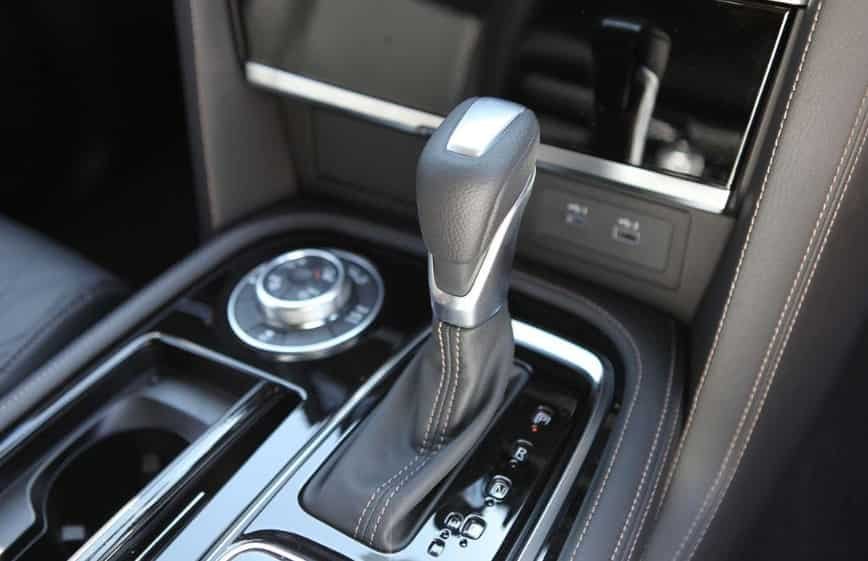
Many people ask one simple question before buying this SUV. Is Nissan Patrol CVT? The answer is no. Nissan equips the Patrol with a conventional automatic transmission instead of a continuously variable transmission. This design gives the SUV the strength and control that drivers expect from a full size vehicle.
Many buyers feel confused because Nissan uses Xtronic CVT technology in several passenger cars and crossover models. That fact leads some people to believe every Nissan automatic vehicle uses the same transmission. However, the Patrol follows a different approach. Nissan developed this SUV for heavy towing, demanding off road trails, and long highway journeys. A conventional automatic transmission handles these tasks more effectively.
Your transmission choice affects more than driving performance. It also influences maintenance costs, long term reliability, fuel efficiency, and overall ownership experience. Many shoppers compare the Patrol with other large SUVs before making a final decision. Therefore, understanding the transmission helps you avoid confusion and choose the right model with confidence.
This guide explains everything you need to know about the Nissan Patrol transmission. You will learn why the Patrol does not use a CVT. You will also discover how its automatic transmission works, how it compares with a CVT, and why Nissan selected this setup for one of its most capable sport utility vehicles.
Is the Nissan Patrol CVT or Automatic?
Many drivers ask the same question before choosing this SUV. Is Nissan Patrol CVT? The answer is no. Nissan uses a conventional automatic transmission instead of a continuously variable transmission. This choice supports the Patrol’s strong performance on highways, rough trails, and challenging terrain.
A conventional automatic transmission works with fixed gear ratios. It shifts through each gear at the right time to match the driving conditions. As a result, drivers enjoy predictable acceleration and better control. This system also handles heavy loads more effectively than a typical CVT.
Nissan built the Patrol for demanding tasks rather than daily city commuting alone. Many owners tow trailers, carry heavy cargo, or explore remote destinations. Therefore, the transmission must deliver consistent power under pressure. A conventional automatic gearbox meets these requirements without sacrificing driving comfort.
Some buyers become confused because Nissan offers Xtronic CVT technology in several other models. Popular vehicles such as the X Trail, Rogue, Sentra, and Altima often use this transmission. However, the Patrol belongs to a different vehicle class. It needs a stronger transmission because its engine produces much higher torque.
The Patrol also targets drivers who expect confident performance in difficult conditions. Deep sand, rocky trails, and steep hills demand precise power delivery. A conventional automatic transmission gives drivers better control in these situations. That advantage makes the Patrol a trusted choice for adventure travel and heavy duty driving.
If you want a large SUV without a CVT, the Nissan Patrol deserves serious consideration. It combines proven transmission technology with impressive capability. Most buyers appreciate this combination because it supports both everyday driving and demanding outdoor adventures.
What Transmission Does the Nissan Patrol Use?
The Nissan Patrol uses a conventional automatic transmission instead of a CVT. However, the exact transmission depends on the model year and the market where Nissan sells the vehicle. Buyers should always check the specifications before purchasing a new or used Patrol. This simple step helps them avoid confusion and choose the right model.
The popular Y62 Nissan Patrol comes with a seven speed automatic transmission in many markets. This gearbox works with the powerful 5.6 liter V8 engine and delivers smooth, confident performance. It changes gears quickly and responds well during highway driving, city traffic, and off road adventures. Many owners also praise its reliability after years of regular use.
The latest Nissan Patrol introduces a nine speed automatic transmission in selected markets. Nissan designed this gearbox to improve both performance and efficiency. The additional gears help the engine stay within its ideal power range more often. As a result, the SUV accelerates more smoothly while maintaining relaxed engine speed on long highway trips.
Both transmissions use a torque converter instead of a belt and pulley system. This design allows the Patrol to manage higher levels of engine torque with greater confidence. Drivers also benefit from stronger acceleration and more predictable gear changes. These qualities become especially valuable when towing heavy trailers or driving across difficult terrain.
Many people associate Nissan with Xtronic CVT technology because several passenger cars and crossover models use that system. However, the Patrol follows a different philosophy. Nissan developed this SUV for demanding conditions that require strength, durability, and precise power delivery. A conventional automatic transmission supports those goals much better than a CVT.
The transmission also plays an important role during off road driving. It helps the vehicle maintain steady traction on loose sand, rocky paths, and steep slopes. Drivers can apply power with greater confidence because the gearbox responds in a predictable way. This level of control gives the Patrol a strong reputation among off road enthusiasts around the world.
If you compare different Patrol generations, you will notice that Nissan has improved the transmission over time. Newer models offer faster gear changes, smoother operation, and better fuel efficiency. Even so, Nissan has remained committed to conventional automatic technology. That decision reflects the Patrol’s focus on durability, towing capability, and dependable performance in demanding environments.
What Is a CVT Transmission?
A continuously variable transmission, or CVT, works differently from a conventional automatic transmission. Instead of using fixed gears, it changes the gear ratio continuously while the vehicle moves. This design helps the engine operate at an efficient speed under many driving conditions.
Most CVT systems use two adjustable pulleys and a strong metal belt or chain. These components change their position to create different gear ratios. As the vehicle speeds up or slows down, the transmission adjusts automatically. Drivers usually notice smooth acceleration because the system does not shift between fixed gears.
Many manufacturers choose CVT technology for compact cars and crossover SUVs. The design can improve fuel economy during daily driving. It also creates a smooth driving experience in city traffic. Therefore, many commuters enjoy the comfort that a CVT provides.
However, a CVT does not feel the same as a conventional automatic transmission. During hard acceleration, the engine may stay at higher engine speeds while the vehicle continues to gain speed. Some drivers appreciate this smooth behavior, while others prefer the familiar feel of traditional gear changes.
Modern CVT technology has improved over the years. Manufacturers have increased durability and refined the driving experience. Some systems even create simulated gear changes to deliver a more familiar feel. Even so, a CVT still operates differently from a conventional automatic transmission.
Understanding these differences helps answer an important question. Is Nissan Patrol CVT? The answer remains no. Nissan chose a conventional automatic transmission because the Patrol serves a different purpose. It must deliver strong performance under heavy loads and difficult driving conditions.
The Patrol often carries large families, heavy equipment, and towing loads. Many owners also drive across sand dunes, rocky trails, and mountain roads. These demanding situations require consistent power delivery and precise vehicle control. A conventional automatic transmission provides those qualities with confidence.
How the Nissan Patrol Automatic Transmission Differs From a CVT
Many drivers compare a conventional automatic transmission with a CVT before buying a large SUV. Although both systems transfer power from the engine to the wheels, they operate in different ways. The answer to Is Nissan Patrol CVT? is simple. The Nissan Patrol uses a conventional automatic transmission instead of a continuously variable transmission.
A conventional automatic transmission uses fixed gear ratios. It shifts from one gear to another as the vehicle accelerates or slows down. This design gives drivers a familiar driving feel and predictable power delivery. The Patrol responds quickly during highway driving, hill climbs, and overtaking, which helps build driver confidence in different road conditions.
A CVT works differently because it changes the gear ratio continuously. Instead of moving through fixed gears, it adjusts smoothly to keep the engine operating efficiently. This design often improves fuel economy in smaller vehicles. However, it does not always provide the strong and direct response that many drivers expect from a full size SUV.
The Nissan Patrol was built for towing, off road adventures, and heavy duty driving. These demanding tasks require a transmission that can handle high engine torque while maintaining consistent performance. A conventional automatic transmission meets those needs more effectively than a CVT. It also delivers better control on steep hills, loose sand, and rough trails where precise gear selection plays an important role.
For buyers who prefer durability, confident performance, and traditional gear changes, the Nissan Patrol remains an excellent choice. Its conventional automatic transmission matches the vehicle’s purpose and explains why Nissan has never equipped the Patrol with a CVT.
Why Does the Nissan Patrol Not Use a CVT?
Many buyers wonder why Nissan chose a conventional automatic transmission instead of a CVT for the Patrol. The answer comes down to the vehicle’s purpose. Nissan designed the Patrol as a full size SUV that can tow heavy loads, handle difficult terrain, and deliver reliable performance over long distances. These demanding tasks require a transmission that can manage high levels of engine torque with confidence.
A conventional automatic transmission provides the strength needed for challenging conditions. It delivers power through fixed gear ratios, which helps drivers maintain better control during acceleration and hill climbs. This design also supports engine braking when driving down steep slopes. As a result, the Patrol performs well in environments where precision and stability matter most.
Off road capability is another important reason. Many Patrol owners drive across sand dunes, rocky trails, or muddy tracks. These conditions often require careful throttle control and consistent power delivery. A conventional automatic transmission responds predictably and allows the driver to maintain traction more easily. This level of control is essential during serious off road driving.
Nissan also understands what Patrol buyers expect from a flagship SUV. Most owners value durability, towing ability, and dependable performance more than maximum fuel efficiency. Although a CVT can improve fuel economy in smaller vehicles, it does not match the Patrol’s heavy duty mission. For this reason, Nissan continues to pair the Patrol with a conventional automatic transmission. This decision supports the SUV’s reputation for strength, reliability, and confidence in almost any driving condition.
Is the Nissan Patrol Transmission Reliable?
The Nissan Patrol has earned a strong reputation for reliability, and its conventional automatic transmission plays an important role in that success. Unlike many smaller vehicles that focus on fuel economy, the Patrol uses a transmission designed to handle demanding driving conditions. Whether you drive on highways, tow heavy loads, or explore rough trails, the gearbox delivers smooth and dependable performance when you maintain it properly.
Regular maintenance remains the most important factor in transmission life. Nissan recommends following the service schedule and using the correct transmission fluid for your specific model. Clean fluid helps reduce wear, improves gear changes, and protects internal components from excessive heat. Skipping maintenance can increase the risk of premature transmission problems, especially in vehicles that frequently tow or travel off road.
Buyers should also inspect a used Nissan Patrol carefully before making a purchase. During a test drive, the transmission should shift smoothly without hesitation, slipping, or unusual noises. Any vibration, delayed engagement, or warning light may indicate that the vehicle needs further inspection. Reviewing the service history can also provide valuable information about previous maintenance and repairs.
Overall, the Nissan Patrol transmission has proven to be durable when owners maintain it correctly. Its conventional automatic design suits the vehicle’s powerful engine and heavy duty character. If you want a large SUV that offers dependable performance without a CVT, the Nissan Patrol remains one of the strongest choices in its class.
Frequently Asked Questions
Is Nissan Patrol CVT?
No. The Nissan Patrol does not use a continuously variable transmission. Nissan equips the Patrol with a conventional automatic transmission because it offers better strength, durability, and control for a full size SUV. This design also supports towing, off road driving, and long distance travel.
What transmission does the Nissan Patrol use?
The transmission depends on the model year and market. Many Nissan Patrol Y62 models use a seven speed automatic transmission, while newer versions in selected markets feature a nine speed automatic transmission. Both options use a torque converter instead of CVT technology.
Why does Nissan not use a CVT in the Patrol?
The Patrol produces high engine torque and often operates under demanding conditions. Drivers use it for towing, carrying heavy loads, and driving across challenging terrain. A conventional automatic transmission handles these tasks more effectively and delivers better control than a typical CVT.
Is the Nissan Patrol transmission reliable?
Yes. The Patrol transmission has a strong reputation for reliability when owners follow the recommended maintenance schedule. Regular fluid changes, careful driving habits, and routine inspections help extend its service life and maintain smooth performance.
Should I buy a Nissan Patrol if I do not want a CVT?
Yes. The Nissan Patrol is an excellent choice for drivers who prefer a traditional automatic transmission. It combines proven transmission technology with strong performance, impressive towing capability, and excellent off road ability. If you want a large SUV without a CVT, the Patrol remains one of the best options available.
Conclusion
If you have been asking, Is Nissan Patrol CVT? the answer is clear. The Nissan Patrol does not use a continuously variable transmission. Instead, Nissan equips this full size SUV with a conventional automatic transmission that delivers the strength, durability, and control needed for everyday driving, long road trips, heavy towing, and challenging off road adventures.
This transmission matches the Patrol’s purpose perfectly. It provides predictable gear changes, handles high engine torque with confidence, and performs well in demanding environments. While a CVT may improve fuel efficiency in smaller vehicles, a conventional automatic transmission offers the reliability and capability that most Patrol owners expect.
Before buying a new or used Nissan Patrol, always check the model year and market specifications because transmission options can vary. You should also review the service history and inspect the vehicle carefully to ensure it has received proper maintenance. These simple steps can help you avoid unexpected repairs and enjoy years of dependable performance.
We hope this guide has answered your questions and helped you understand why the Nissan Patrol does not use a CVT. If you are considering this SUV, you can now make a more informed decision with confidence. Have you driven a Nissan Patrol before, or are you planning to buy one? Share your experience or questions in the comments below.