
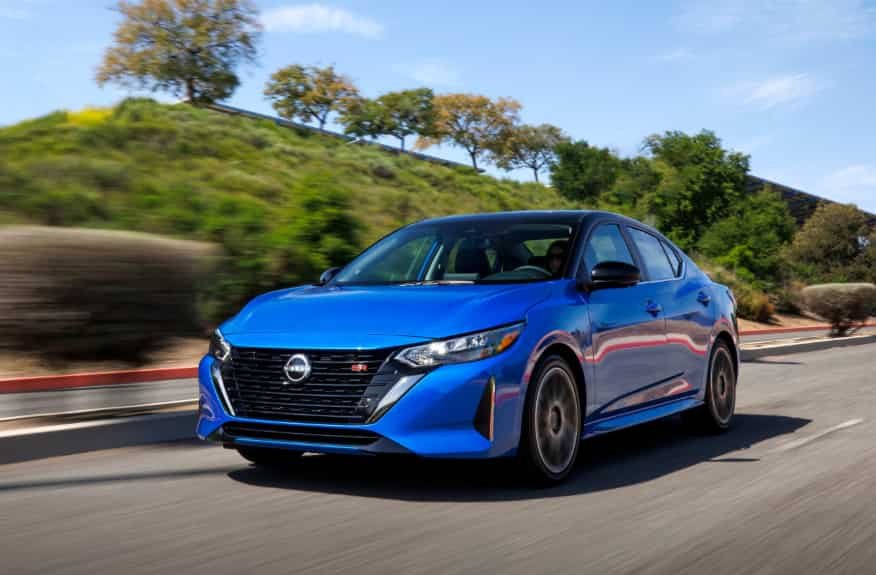
If you are asking, Is Nissan Sentra Sports Car, the answer is simple. No, the Nissan Sentra is not a sports car. It is a compact sedan built for everyday driving, comfort, fuel efficiency, and long term value.
Many people confuse the Sentra with a sports car because of its bold styling. The SR trim adds larger wheels, sporty accents, and a more aggressive appearance. However, these upgrades improve the design more than the performance.
A true sports car focuses on speed, sharp handling, quick acceleration, and driver engagement. The Nissan Sentra follows a different philosophy. It delivers a smooth ride, practical features, and predictable handling that suit daily commuting.
Choosing the right vehicle requires more than judging its appearance. Engine performance, transmission, suspension, steering, and chassis tuning all play an important role. These factors determine whether a vehicle deserves the sports car label.
This guide explains where the Nissan Sentra fits in today’s market. You will learn how its performance compares with real sports cars, what the Sentra SR actually offers, and whether it is the right choice for your driving needs. By the end of this article, you will know exactly what to expect before buying a Nissan Sentra.
Is the Nissan Sentra Considered a Sports Car?
No, the Nissan Sentra is not considered a sports car. Nissan designed it as a compact sedan for daily transportation. It focuses on comfort, fuel efficiency, affordability, and modern technology instead of high performance.
Many people ask this question because the Sentra looks more aggressive than older models. The sharp front grille, sculpted body lines, and available SR trim create a sporty appearance. However, attractive styling alone does not change a vehicle’s classification.
Automakers classify sports cars by their driving characteristics rather than their appearance. A true sports car delivers strong acceleration, responsive steering, excellent cornering, and a driver focused experience. The Nissan Sentra offers a smooth and predictable ride instead. It performs well during daily commutes, but it does not target performance enthusiasts.
Understanding this difference helps buyers set realistic expectations. If you want an efficient sedan with modern features, the Sentra is a strong option. If you expect sports car performance, you will likely need to consider another vehicle.
What Type of Car Is the Nissan Sentra?
The Nissan Sentra belongs to the compact sedan segment. It offers four doors, seating for up to five passengers, and a practical cabin for everyday use. Nissan built this model for drivers who value comfort, reliability, and low operating costs.
The Sentra uses a front wheel drive layout. This configuration improves fuel efficiency and provides stable handling in normal driving conditions. It also helps keep ownership costs lower than many performance vehicles.
Inside, the Sentra offers a spacious cabin, modern infotainment features, and advanced safety technology. These qualities make it suitable for commuting, family trips, and daily errands. They also explain why the Sentra attracts buyers who want a dependable sedan instead of a high performance car.
Why Some Drivers Think the Sentra Is a Sports Car
The latest Nissan Sentra has a bold exterior that creates a sporty first impression. Its wide grille, sharp headlights, and low stance give it a more athletic look than many competitors.
The Sentra SR trim strengthens that impression. It adds larger alloy wheels, dark exterior accents, a rear spoiler, and unique styling details. These upgrades make the vehicle look faster, even though the engine remains largely the same.
Marketing also influences public perception. Manufacturers often use words such as sporty, dynamic, or athletic to describe appearance and handling. These terms do not mean the vehicle qualifies as a sports car.
Many compact sedans now feature aggressive styling because buyers prefer modern designs. As a result, appearance has become less reliable as a way to judge vehicle performance.
Sporty Car vs Sports Car
Many people use the terms sporty car and sports car interchangeably. In reality, they describe two different types of vehicles.
A sporty car combines attractive styling with comfortable everyday driving. It may offer firmer suspension tuning, larger wheels, or unique exterior details. However, it still prioritizes practicality, fuel economy, and passenger comfort.
A sports car places performance above everything else. It delivers stronger acceleration, sharper handling, more responsive steering, and greater driver involvement. Engineers design every major component to improve driving performance.
The Nissan Sentra fits the sporty sedan category rather than the sports car category. It offers modern styling and pleasant driving manners, but it does not deliver the power, balance, or performance expected from a true sports car.
What Makes a Car a True Sports Car?
A sports car offers much more than an attractive design. It combines strong performance, responsive handling, and an engaging driving experience. Engineers build every major component to help the driver enjoy speed, precision, and control. These qualities separate a true sports car from a regular passenger vehicle.
The engine is one of the most important features. Sports cars usually produce higher horsepower and torque than standard sedans. They respond quickly when the driver presses the accelerator and deliver fast, confident acceleration. Many models also use turbocharged or performance tuned engines to increase power without sacrificing responsiveness.
The transmission also plays a key role. Many sports cars feature a manual gearbox or a performance automatic transmission that shifts quickly. These systems improve acceleration and give drivers more control during spirited driving. They also create a stronger connection between the driver and the vehicle.
Handling is another defining characteristic. Sports cars use firm suspension systems, precise steering, and performance tires to improve stability in corners. A low center of gravity and balanced weight distribution help the car remain composed at higher speeds. Larger brakes also provide stronger stopping power and greater confidence.
Body style matters as well, but it does not define a sports car by itself. Some sports cars have two doors, while others have four. The real difference comes from the engineering and driving dynamics rather than the number of doors.
The Nissan Sentra does not meet these performance standards. It focuses on comfort, fuel efficiency, and everyday practicality. While it offers a sporty appearance, it does not deliver the power, handling, or driver engagement expected from a true sports car.
Nissan Sentra Engine and Performance Explained
The Nissan Sentra delivers reliable performance for everyday driving, but it does not target drivers who want sports car capabilities. Nissan designed this compact sedan to provide a comfortable ride, smooth acceleration, and impressive fuel efficiency. These priorities make the Sentra practical for commuting, city traffic, and long highway trips.
The current Nissan Sentra uses a 2.0 liter four cylinder engine that produces 149 horsepower and 146 pound feet of torque. This engine provides enough power for daily transportation and routine highway driving. It accelerates with confidence in normal situations, although it does not deliver the quick response found in performance focused vehicles.
A continuously variable transmission sends power to the front wheels. This transmission keeps the engine operating efficiently and contributes to the Sentra’s excellent fuel economy. It also creates smooth acceleration without noticeable gear changes. While this setup improves comfort, many driving enthusiasts prefer traditional automatic or manual transmissions because they feel more responsive.
The Sentra performs best in everyday conditions. It offers predictable steering, balanced handling, and a suspension that absorbs road imperfections with ease. Drivers can navigate busy streets, parking lots, and highways without feeling fatigued. These characteristics make the Sentra easy to drive, especially for first time buyers and commuters.
Performance remains a secondary priority. Drivers looking for rapid acceleration, aggressive cornering, or track inspired handling may find the Sentra too conservative. However, buyers who value comfort, reliability, and low ownership costs will appreciate its balanced driving experience. The Nissan Sentra succeeds as a practical compact sedan, even though it does not deliver the excitement of a true sports car.
Is the Nissan Sentra Fast?
Many buyers ask whether the Nissan Sentra feels fast on the road. The honest answer depends on your expectations. If you compare it with a family sedan, the Sentra offers smooth and confident performance. If you compare it with a true sports car, the difference becomes clear.
The Sentra provides enough power for everyday driving. It merges onto highways without difficulty and handles city traffic with ease. The engine responds well during normal acceleration, making the car feel comfortable in most daily situations. Drivers who value predictable performance will likely find it more than adequate.
However, the Sentra does not deliver the rapid acceleration that defines a sports car. It takes more time to reach higher speeds, especially when compared with performance oriented models. The engine focuses on efficiency rather than maximum power, so strong bursts of acceleration are not its main strength.
The driving experience also reflects this design philosophy. Steering feels light, and the suspension prioritizes ride comfort over aggressive cornering. These qualities make the Sentra easy to control during daily commutes, but they reduce the excitement that many enthusiasts expect from a performance vehicle.
For most drivers, speed is only one part of the ownership experience. Fuel economy, reliability, and comfort often matter more than quick acceleration. The Nissan Sentra performs well in these areas, which explains why it remains a popular choice among compact sedans.
If your goal is comfortable transportation with modern features, the Sentra delivers excellent value. If you want strong acceleration and a more engaging driving experience, you should consider a performance oriented model instead. This difference is one of the main reasons the Nissan Sentra is not classified as a sports car.
How the CVT Affects the Driving Experience
The Nissan Sentra uses a continuously variable transmission, commonly known as a CVT. Unlike a traditional automatic transmission, a CVT does not shift through fixed gears. Instead, it adjusts power smoothly to match driving conditions. This design helps improve fuel efficiency and creates a comfortable driving experience.
One of the biggest advantages of a CVT is its smooth operation. The transmission keeps the engine at an efficient speed during acceleration, which reduces unnecessary fuel consumption. Drivers often notice fewer interruptions because the vehicle accelerates without the gear changes found in conventional transmissions.
The CVT also makes the Sentra easy to drive in heavy traffic. It responds smoothly when starting from a stop and delivers consistent power in city conditions. Many daily commuters appreciate this behavior because it reduces driver fatigue and creates a more relaxed driving experience.
However, the same characteristics can disappoint performance enthusiasts. A CVT does not provide the quick gear changes or direct mechanical feel that many drivers expect from a sports car. During hard acceleration, the engine may maintain a steady engine speed instead of producing the familiar shift pattern of a traditional gearbox. As a result, the driving experience feels less engaging.
This transmission supports the Sentra’s primary mission as a practical compact sedan. It improves efficiency, lowers operating costs, and keeps everyday driving comfortable. While it may not satisfy drivers seeking excitement, it offers clear advantages for people who spend hours commuting or frequently drive through urban traffic.
The CVT is one of the main reasons the Nissan Sentra delivers a refined and economical ride. It also highlights why the Sentra focuses on comfort and efficiency instead of high performance. Buyers who understand this balance are more likely to appreciate what the vehicle was designed to achieve.
Is the Nissan Sentra Fun to Drive?
The Nissan Sentra delivers a pleasant driving experience, but it does not aim to satisfy performance enthusiasts. Instead, it focuses on making everyday travel simple, comfortable, and stress free. This approach appeals to drivers who spend more time commuting than chasing speed.
Behind the wheel, the Sentra feels stable and easy to control. The steering is light enough for city driving while remaining predictable on the highway. Drivers can change lanes, navigate traffic, and park with confidence. These qualities make the car approachable for both new and experienced drivers.
Ride comfort is another strength. The suspension absorbs most bumps and uneven pavement before they reach the cabin. As a result, passengers enjoy a smooth ride even on rough roads. This level of comfort makes the Sentra a practical choice for daily use and longer journeys.
The driving experience becomes less exciting when the road turns challenging. The engine delivers steady power, but it does not encourage rapid acceleration. The suspension also favors comfort over sharp cornering, so the car remains composed instead of aggressive. Drivers looking for quick responses may find the Sentra too relaxed.
That does not mean the Sentra lacks appeal. Many buyers value confidence, comfort, and reliability more than outright performance. For these drivers, the Sentra offers a balanced experience that fits everyday life. It provides predictable handling, low operating costs, and a quiet cabin without sacrificing modern technology or safety.
If your idea of driving enjoyment comes from comfort and convenience, the Nissan Sentra performs well. If you expect the excitement of a true sports car, you will likely want a model with more power, sharper handling, and a performance focused chassis. That difference explains why the Sentra succeeds as a practical compact sedan rather than a sports car.
Is the Nissan Sentra SR a Sports Car?
The Nissan Sentra SR often creates confusion because it looks more aggressive than other trim levels. Many buyers assume the sporty appearance also means better performance. In reality, the SR trim improves styling and equipment rather than transforming the Sentra into a true sports car.
The SR model features a distinctive front and rear design, larger alloy wheels, dark exterior accents, and a rear spoiler. These upgrades give the sedan a more athletic personality and help it stand out on the road. Inside the cabin, drivers also enjoy unique interior details, upgraded materials, and additional technology that create a more premium feel.
Despite these visual improvements, the Sentra SR uses the same basic powertrain as other trims. It delivers the same smooth and efficient driving experience that makes the Sentra popular among commuters. The engine provides enough power for everyday driving, but it does not offer the stronger acceleration or sharper response found in performance focused vehicles.
Handling also remains comfort oriented. Nissan tuned the suspension to provide stability and ride quality instead of aggressive cornering. The steering feels predictable, which benefits daily driving, but it does not provide the direct feedback that driving enthusiasts often expect.
The SR trim is best described as a sporty compact sedan rather than a sports car. It combines modern styling with practical features while maintaining the comfort and efficiency that define the Nissan Sentra lineup. Buyers who want a stylish daily driver will likely appreciate the SR. Those seeking genuine performance should consider vehicles designed specifically for spirited driving.
Choosing the Sentra SR depends on your priorities. If appearance, technology, and everyday comfort matter most, it offers excellent value. If your goal is speed, sharper handling, and stronger acceleration, a true sports car or performance sedan will provide a more satisfying experience.
What Does SR Mean on the Nissan Sentra?
The letters SR stand for Sport Rally in Nissan’s trim naming system. This designation identifies a model with a sportier appearance and additional features. However, it does not automatically mean the vehicle is a true sports car or a high performance model.
On the Nissan Sentra, the SR trim focuses on style, comfort, and technology. It adds exterior upgrades that give the sedan a more dynamic look. Buyers also receive unique interior details and extra convenience features that are not available on every trim level.
Many drivers mistake the SR badge for a performance upgrade. This misunderstanding is common because several automakers use sporty trim names to highlight design improvements. In reality, the SR package emphasizes visual appeal rather than dramatic changes in engine performance.
The Sentra SR keeps the same practical character as the rest of the lineup. It remains easy to drive, fuel efficient, and comfortable during daily commutes. These qualities make it an excellent choice for buyers who want a stylish sedan without sacrificing reliability or everyday usability.
Understanding the meaning of the SR badge helps set realistic expectations. It represents a higher trim level with sport inspired styling instead of a complete performance package. If your priority is an attractive compact sedan with modern features, the Sentra SR is a strong option. If you expect sports car performance, you should look at vehicles that include more powerful engines, performance tuned suspension, and advanced driving components.
Sporty Features of the Sentra SR
The Nissan Sentra SR stands out because of its sporty styling and upgraded equipment. These enhancements give the sedan a more dynamic appearance while preserving the comfort and practicality that define the Sentra lineup. Drivers who want a stylish daily commuter often choose the SR trim for this reason.
The exterior receives several unique design elements that create a stronger visual impact. Larger alloy wheels, dark exterior accents, a rear spoiler, and LED lighting give the vehicle a more confident presence. The front grille and body lines also contribute to a modern and athletic look that attracts younger buyers.
Inside the cabin, the SR trim offers a more refined atmosphere. Premium cloth seats with contrast stitching, a leather wrapped steering wheel, and upgraded interior accents create a sport inspired environment. Depending on the model year and available options, buyers may also enjoy a larger touchscreen, wireless smartphone connectivity, and advanced driver assistance features.
These upgrades improve comfort and convenience without changing the vehicle’s core purpose. The Sentra SR remains a compact sedan built for daily transportation. It continues to prioritize fuel efficiency, ride quality, and ease of use instead of maximum performance.
The sporty design can easily create the impression that the SR delivers significantly more power. However, the visual enhancements focus on appearance rather than acceleration. Buyers who understand this distinction are less likely to feel disappointed after purchase. The SR trim succeeds by combining attractive styling with practical features, making it an appealing choice for drivers who want a sedan that looks sporty while remaining comfortable and affordable.
Does the Sentra SR Have More Horsepower?
Many buyers expect the Nissan Sentra SR to produce more horsepower than the other trim levels. The sporty exterior and SR badge often create that impression. However, the answer is no. The Sentra SR uses the same engine as the other Nissan Sentra models, so its power output remains the same.
The current Sentra lineup features a 2.0 liter four cylinder engine that produces 149 horsepower and 146 pound feet of torque. Nissan designed this engine to deliver smooth performance, reliable operation, and good fuel economy. It provides enough power for daily commuting, highway driving, and routine errands, but it was never intended to compete with performance cars.
Since every trim shares the same engine, the SR does not accelerate faster than the other Sentra models under normal driving conditions. The upgraded appearance may make the vehicle look more aggressive, but it does not change how the engine performs. Buyers should view the SR as a style and feature upgrade rather than a performance upgrade.
That does not reduce the value of the SR trim. Many drivers choose it because they prefer its modern design, upgraded interior, and additional equipment. These improvements create a more enjoyable ownership experience without increasing fuel consumption or maintenance costs.
If your goal is to own a compact sedan with sporty styling and everyday practicality, the Sentra SR is an excellent choice. If you want noticeably stronger acceleration or higher horsepower, you will need to consider a performance oriented vehicle with a more powerful engine. Understanding this difference helps you choose the model that best matches your expectations and driving style.
Sentra SR vs a Real Sports Sedan
At first glance, the Nissan Sentra SR looks similar to many modern sports sedans. Its aggressive styling, larger wheels, and sporty details create a confident appearance. However, the similarities become much smaller once you compare performance, engineering, and driving dynamics.
The Sentra SR focuses on comfort, efficiency, and everyday usability. Its naturally aspirated engine delivers dependable performance for commuting and highway travel. The suspension provides a smooth ride, while the steering remains light and predictable in daily driving. These characteristics make the Sentra SR easy to live with, especially for drivers who value comfort over speed.
A real sports sedan follows a different philosophy. Models such as the Honda Civic Si or Hyundai Elantra N use more powerful engines, performance tuned suspension systems, and quicker steering. Many also include features such as limited slip differentials, larger brakes, and performance driving modes. These upgrades improve acceleration, cornering, and driver confidence during spirited driving.
The driving experience also feels very different. A sports sedan responds more quickly to steering inputs and delivers stronger acceleration when leaving a corner or entering a highway. The Sentra SR remains composed and comfortable, but it does not encourage aggressive driving. Nissan designed it to reduce driver fatigue instead of maximizing performance.
Choosing between these vehicles depends on your priorities. The Sentra SR offers lower ownership costs, excellent fuel economy, and practical everyday comfort. A sports sedan delivers greater excitement but usually costs more to buy, insure, and maintain. If you want a stylish commuter with modern features, the Sentra SR is a smart choice. If performance comes first, a true sports sedan will better match your expectations.
Nissan Sentra vs Real Sports Cars
The best way to understand whether the Nissan Sentra qualifies as a sports car is to compare it with vehicles that were built for performance. While the Sentra delivers a comfortable and practical driving experience, true sports cars prioritize speed, handling, and driver engagement. This difference becomes obvious when you look at several popular performance models.
The Nissan Z is the clearest example. Although both vehicles belong to the same manufacturer, they were designed with completely different goals. The Sentra serves as a reliable compact sedan for everyday transportation, while the Nissan Z focuses on performance from the ground up. It offers a more powerful engine, rear wheel drive, and sharper handling that create a far more exciting experience behind the wheel. The Sentra, by comparison, emphasizes ride comfort, fuel efficiency, and predictable control during daily driving.
A similar contrast appears when comparing the Sentra with the Mazda MX 5 Miata. The Miata uses a lightweight platform and a driver focused chassis to maximize agility on winding roads. Every steering input feels direct, and every corner encourages driver involvement. The Sentra follows a different philosophy by providing a smoother ride, a quieter cabin, and greater passenger comfort. It may not deliver the same excitement, but it offers far better practicality for everyday use.
The Honda Civic Si and Hyundai Elantra N also highlight the gap between a sporty sedan and a true performance oriented vehicle. Both models produce more power, respond more quickly to driver inputs, and include suspension systems designed for enthusiastic driving. The Sentra cannot match their acceleration or cornering ability, but it compensates with lower ownership costs, excellent fuel economy, and a more relaxed driving experience.
These comparisons make the answer clear. The Nissan Sentra is not a sports car because it was never designed to compete in that category. Instead, it succeeds as a comfortable, efficient, and dependable compact sedan that meets the needs of everyday drivers.
Why the Nissan Sentra Is Still a Smart Choice
Not being a sports car does not make the Nissan Sentra a less attractive vehicle. In fact, many buyers choose it for the very reasons that performance cars often cannot match. Instead of chasing horsepower, the Sentra focuses on comfort, efficiency, reliability, and everyday practicality. For most drivers, these qualities have a greater impact on long term ownership than outright speed.
Daily driving is where the Sentra performs best. The cabin provides comfortable seating for passengers, while the suspension absorbs rough roads with ease. Light steering makes parking simple, and the compact size helps drivers navigate busy streets with confidence. Whether you are commuting to work, taking a weekend trip, or running errands around town, the Sentra offers a relaxed and predictable driving experience.
Ownership costs are another important advantage. The Sentra typically costs less to purchase than many performance oriented vehicles, and it continues to save money through excellent fuel economy and reasonable maintenance expenses. Insurance premiums also tend to be lower because the car was designed for practical transportation rather than high performance. These savings can make a significant difference over several years of ownership.
Safety and technology further strengthen the Sentra’s appeal. Modern driver assistance features, a user friendly infotainment system, and a comfortable interior create an enjoyable experience for both new and experienced drivers. Instead of demanding constant attention, the car allows drivers to focus on reaching their destination with confidence.
When viewed from this perspective, the Nissan Sentra succeeds in exactly the role it was designed to fill. It delivers dependable transportation, modern features, and low operating costs without sacrificing comfort. Buyers looking for an affordable compact sedan will likely appreciate these strengths far more than the extra horsepower offered by a sports car.
Who Should Buy the Nissan Sentra?
The Nissan Sentra is not the right car for every driver, but it fits the needs of many people who want dependable and affordable transportation. If your priority is comfortable daily driving instead of high performance, the Sentra deserves serious consideration. It offers a balanced combination of practicality, modern technology, and low ownership costs that appeals to a wide range of buyers.
First time car owners will appreciate how easy the Sentra is to drive. The steering feels light, visibility is good, and the controls are simple to understand. These qualities help new drivers build confidence in different traffic conditions. The smooth ride also makes longer trips less tiring, especially for people who spend several hours on the road each week.
The Sentra is also a sensible option for commuters. Its fuel efficient engine helps reduce running costs, while the comfortable cabin creates a more enjoyable experience during daily travel. Families and professionals can benefit from the spacious interior, practical trunk, and advanced safety features that support everyday use without adding unnecessary complexity.
Drivers who value style without paying a premium may also find the Sentra SR especially appealing. It delivers a more athletic appearance and additional features while maintaining the same comfort and efficiency found across the lineup. This makes it a good choice for buyers who want a modern looking sedan without stepping into the higher costs associated with performance vehicles.
On the other hand, drivers who expect rapid acceleration, aggressive handling, or track inspired performance may feel limited by the Sentra. In that situation, a performance sedan or a dedicated sports car will provide a more engaging experience. Understanding your priorities is the key to making the right decision. If comfort, reliability, and long term value matter most, the Nissan Sentra remains one of the strongest choices in the compact sedan segment.
Frequently Asked Questions
Is the Nissan Sentra a sports car or a compact sedan?
The Nissan Sentra is a compact sedan, not a sports car. Nissan designed it for everyday transportation with an emphasis on comfort, fuel efficiency, and practicality. Although the SR trim features sporty styling, the Sentra does not offer the power, handling, or driving dynamics that define a true sports car.
Is the Nissan Sentra SR faster than other Sentra models?
No. The Sentra SR uses the same engine and transmission as the other trim levels. It delivers the same horsepower and similar acceleration. The main differences are found in the exterior styling, interior upgrades, and available features rather than performance.
Is the Nissan Sentra fast enough for highway driving?
Yes. The Sentra provides enough power for merging, passing slower traffic, and maintaining highway speeds with confidence. While it cannot match the acceleration of a sports car, it performs well in normal driving situations and offers a smooth, comfortable ride.
Can you modify a Nissan Sentra to improve performance?
Yes, but the improvements are usually modest. Owners can upgrade the suspension, wheels, tires, or intake system to create a more engaging driving experience. However, these modifications will not transform the Sentra into a true sports car because its platform was designed for daily driving rather than high performance.
What is the difference between a sporty sedan and a sports car?
A sporty sedan focuses on appearance, comfort, and everyday usability while adding design elements that create a more athletic look. A sports car is engineered for speed, handling, and driver engagement. The Nissan Sentra fits the sporty sedan category because it prioritizes practicality over maximum performance.
Is the Nissan Sentra a good first car?
Yes. The Nissan Sentra is an excellent choice for many first time buyers. It is easy to drive, fuel efficient, comfortable, and equipped with modern safety technology. These qualities make it a practical option for students, young professionals, and anyone looking for reliable daily transportation.
Which Nissan model is a true sports car?
The Nissan Z is Nissan’s dedicated sports car. It features a powerful engine, rear wheel drive, and a chassis developed for performance driving. Unlike the Sentra, the Nissan Z focuses on acceleration, cornering, and driver involvement instead of everyday practicality.
Is the Nissan Sentra worth buying?
The Nissan Sentra is worth buying if you want an affordable compact sedan with a comfortable ride, modern technology, and low ownership costs. It may not satisfy drivers seeking sports car performance, but it offers excellent value for commuting, family use, and everyday driving.
Final Verdict
So, is Nissan Sentra Sports Car? The answer is no. Despite its modern styling and the sporty appearance of the SR trim, the Nissan Sentra was never designed to compete with true sports cars. Its primary strengths lie in comfort, fuel efficiency, reliability, and everyday practicality rather than outright performance.
Throughout this guide, we have compared the Sentra with genuine performance vehicles and explored the features that define a sports car. Those comparisons show that acceleration, handling, drivetrain layout, and driver engagement matter far more than exterior styling alone. While the Sentra offers a confident and enjoyable driving experience, it follows a different philosophy that prioritizes daily usability over maximum speed.
That difference should not be viewed as a weakness. In fact, it is one of the reasons the Nissan Sentra continues to attract a wide range of buyers. It provides a comfortable cabin, modern technology, advanced safety features, and reasonable ownership costs in a package that fits everyday life. For commuters, first time buyers, and small families, these benefits often outweigh the excitement offered by a dedicated sports car.
Before making your decision, think about how you plan to use your next vehicle. If you need dependable transportation with excellent value, the Nissan Sentra remains one of the strongest choices in the compact sedan segment. If your priority is thrilling acceleration and performance focused handling, a model such as the Nissan Z or another dedicated sports car will better match your expectations.
Understanding these differences will help you choose a vehicle that fits both your lifestyle and your budget. A well informed decision always leads to a more satisfying ownership experience.