If you own a Nissan Qashqai, you may wonder how many brake pads it has. This question often comes up when it is time to replace worn brake components. Many owners also become confused when they see brake pads sold in different types of kits.
The answer is simple. Most Nissan Qashqai models have eight brake pads in total. Each wheel uses two brake pads. One sits on the inner side of the brake disc, while the other sits on the outer side. Together, the four wheels use four front brake pads and four rear brake pads.
Knowing this layout helps you buy the correct replacement parts. It also makes routine maintenance much easier. For example, you will know whether you need a front brake pad set, a rear brake pad set, or a complete kit for the entire vehicle. As a result, you can avoid ordering the wrong parts and spending extra money.
Although the total number of brake pads usually stays the same, other details can differ. The brake pad size, material, and part number may change between model years, engine options, and trim levels. Therefore, you should always confirm your vehicle specifications before placing an order.
This complete guide explains how many brake pads a Nissan Qashqai has and how they are arranged. You will also learn when they should be replaced, how long they typically last, and what to check before buying a new brake pad set. By the end of this article, you will understand the Qashqai braking system and choose the right replacement parts with confidence.
How Many Brake Pads Does a Nissan Qashqai Have?
A Nissan Qashqai usually has eight brake pads in total. Each of the four wheels uses two brake pads, with one positioned on each side of the brake disc. This setup creates four front brake pads and four rear brake pads. If you are replacing the entire braking system, you will normally need all eight brake pads. However, many drivers only replace the front or rear set because the two axles often wear at different rates.
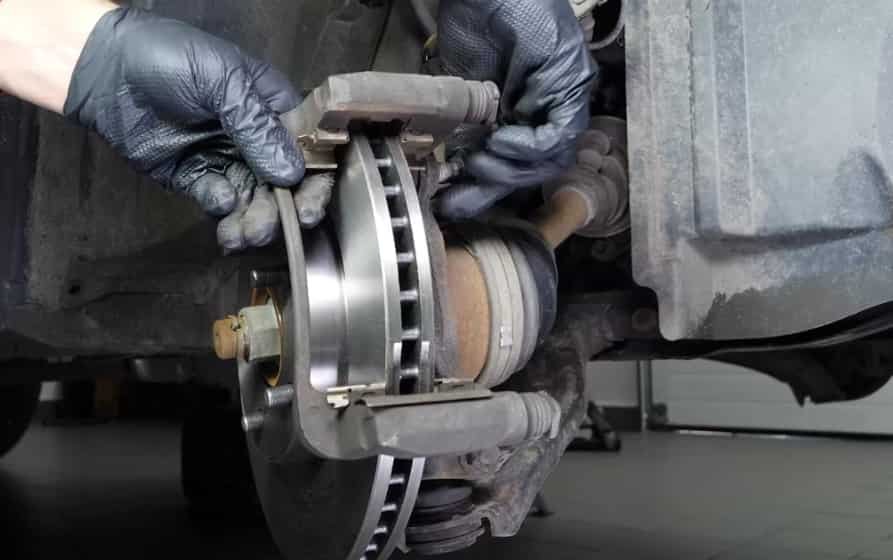
The brake pads play an important role in your vehicle’s braking system. When you press the brake pedal, the brake calipers push the pads against the spinning brake discs. The friction generated between these components slows the wheels and brings the vehicle to a safe stop. Since the front brakes handle most of the stopping force, the front brake pads usually wear out faster than the rear ones. Regular inspections help you identify worn pads before they affect braking performance or damage the brake discs.
Many replacement kits can confuse first time buyers because manufacturers often sell brake pads by axle instead of for the complete vehicle. A front brake pad set typically contains four pads for both front wheels, while a rear set also includes four pads for both rear wheels. Before ordering new parts, always check your Nissan Qashqai model year, engine, trim level, and VIN. Although most models use eight brake pads, the pad dimensions and part numbers may differ. Choosing the correct brake pads ensures proper fitment, reliable braking performance, and a safer driving experience.
How Are the Brake Pads Arranged on a Nissan Qashqai?
The brake pad layout on a Nissan Qashqai is simple and easy to understand. Most models use eight brake pads in total. Each wheel has two brake pads that grip the brake disc during braking. One pad sits on the inner side of the disc, while the other sits on the outer side. Together, they create the friction that slows the vehicle and keeps it under control.
The front axle uses four brake pads. Each front wheel contains two pads inside the brake caliper. These pads handle most of the braking force because the vehicle shifts more weight to the front during deceleration. This extra workload causes the front brake pads to wear faster than the rear ones in many driving conditions. Drivers who travel through busy cities or mountainous areas often notice this difference sooner.
The rear axle also uses four brake pads. Each rear wheel contains two pads that work with the rear brake disc. Although the rear brakes generate less stopping force, they still support the front brakes and improve vehicle stability. They also help distribute braking force more evenly during emergency stops and sudden changes in speed.
This brake pad arrangement also explains why manufacturers sell brake pads in front and rear sets. A front brake pad set normally includes four pads for the front axle. A rear brake pad set also contains four pads for the rear axle. If you plan to replace every brake pad on the vehicle, you will need both sets. Before you buy replacement parts, confirm your Nissan Qashqai model year, engine, and VIN to make sure the new brake pads match your braking system.
Does Every Nissan Qashqai Have Eight Brake Pads?
Most Nissan Qashqai models have eight brake pads, but you should always confirm the brake system before buying replacement parts. Nissan has produced the Qashqai in several generations, and the company has offered different engines, trim levels, and brake specifications. Although these differences may change the brake pad size or shape, they rarely change the total number of brake pads.
A typical Nissan Qashqai uses disc brakes on both the front and rear axles. Each wheel has two brake pads, so the complete vehicle uses eight brake pads. However, some versions may use different brake disc diameters or caliper designs. These changes affect the correct part number rather than the total number of brake pads.
Many owners assume that every brake pad kit fits every Qashqai. This mistake often leads to ordering parts that do not match the vehicle. For example, a brake pad set for a newer model may not fit an older generation, even though both vehicles use eight brake pads. Small differences in thickness, width, or mounting clips can prevent proper installation.
Before you order replacement brake pads, check your vehicle identification number, model year, engine, and trim level. You should also compare the original equipment part number whenever possible. Taking a few minutes to verify these details can save time, reduce return costs, and ensure the new brake pads fit correctly. A proper fit also improves braking performance and helps your Nissan Qashqai deliver safe and consistent stopping power in everyday driving.
When Should You Replace Nissan Qashqai Brake Pads?
Replacing your Nissan Qashqai brake pads at the right time helps keep the braking system safe and efficient. Brake pads wear a little every time you slow down or stop. Over time, the friction material becomes thinner and cannot provide the same level of stopping power. Ignoring worn brake pads can reduce braking performance and increase the risk of damaging the brake discs.
Several signs can tell you that it is time to replace the brake pads. A high pitched squealing noise often appears first because the wear indicator touches the brake disc. You may also notice longer stopping distances or a brake pedal that feels less responsive than usual. In some cases, the vehicle may pull slightly to one side while braking. These symptoms deserve immediate attention because they can affect your control of the vehicle.
Driving habits also influence how quickly brake pads wear out. Frequent city driving requires constant braking and usually wears the pads faster than motorway driving. Carrying heavy loads, driving on steep roads, and using aggressive braking techniques can also shorten brake pad life. Regular inspections help you detect uneven wear before it becomes a serious problem.
Most mechanics recommend checking the brake pads during every scheduled service. If the remaining friction material becomes too thin, replace the pads as a complete front or rear set instead of changing only one side. This approach keeps braking performance balanced and helps the new pads wear evenly. Routine maintenance not only improves safety but also extends the life of other brake components, including the brake discs and calipers.
How Long Do Nissan Qashqai Brake Pads Last?
The lifespan of Nissan Qashqai brake pads depends on how and where you drive. Most brake pads last between 30000 and 70000 miles under normal driving conditions. Some drivers reach the upper end of this range because they spend more time on motorways. Others replace their brake pads much sooner because they drive in heavy traffic or travel on steep roads every day.
Driving style has a major impact on brake pad wear. Gentle braking creates less heat and reduces friction, which helps the pads last longer. Hard braking and frequent stop and go traffic increase wear because the brake pads work much harder. Carrying heavy loads or towing a trailer also places extra stress on the braking system and shortens the service life of the pads.
The quality of the brake pads also affects durability. Genuine Nissan brake pads and high quality aftermarket products often provide better performance and more consistent wear than low quality alternatives. Regular maintenance also plays an important role. Clean brake components, smooth caliper movement, and properly maintained brake discs help the pads wear evenly and deliver reliable stopping power.
You should inspect the brake pads during every scheduled service, even if they still perform well. Measuring the remaining friction material allows you to identify wear before it becomes a safety concern. Replacing the pads at the right time protects the brake discs, improves braking performance, and reduces repair costs. Regular inspections also give you confidence that your Nissan Qashqai will respond safely whenever you press the brake pedal.
How Much Does It Cost to Replace Nissan Qashqai Brake Pads?
The cost of replacing Nissan Qashqai brake pads depends on the model year, the type of brake pads, and local labor rates. In most cases, replacing the front brake pads costs more than buying the parts alone because the total price includes labor and a brake system inspection. If both the front and rear brake pads need replacement, the overall cost will naturally increase.
You can choose between genuine Nissan brake pads and aftermarket alternatives. Genuine parts usually offer excellent compatibility and consistent performance. High quality aftermarket brake pads can also deliver reliable results when they meet the correct specifications for your vehicle. Choosing the cheapest option may save money at first, but low quality materials often wear out faster and may produce more noise or brake dust.
Some vehicles also require additional work during a brake service. A mechanic may recommend replacing worn brake discs if they fall below the minimum thickness or show signs of damage. The technician may also clean and lubricate the caliper slider pins to ensure smooth brake operation. Completing these tasks at the same time can improve braking performance and reduce the chance of uneven brake pad wear.
Before booking a repair, ask for a detailed estimate that lists the cost of parts and labor separately. You should also confirm whether the quote includes new fitting hardware, brake fluid checks, and a road test after installation. Comparing several quotes from trusted repair shops helps you find good value without sacrificing quality. Investing in high quality brake components protects your Nissan Qashqai and provides dependable braking performance for thousands of miles.
How to Choose the Right Brake Pads for a Nissan Qashqai
Choosing the right brake pads is just as important as replacing them on time. The correct brake pads improve braking performance, reduce noise, and help protect the brake discs from unnecessary wear. Although most Nissan Qashqai models use eight brake pads, the exact pad size and design can vary between different versions of the vehicle.
Start by checking your Nissan Qashqai model year, engine, and trim level. You should also verify the Vehicle Identification Number before ordering replacement parts. This information helps you find brake pads that match your vehicle’s braking system. Buying the wrong size can lead to poor fitment, reduced braking performance, and additional repair costs.
Next, decide whether you want genuine Nissan brake pads or high quality aftermarket products. Genuine brake pads provide excellent compatibility because Nissan designs them specifically for the vehicle. Premium aftermarket brake pads can also perform very well when they meet or exceed original equipment specifications. Ceramic brake pads often produce less brake dust and quieter operation, while semi metallic brake pads usually offer stronger braking performance under demanding conditions.
You should also consider your driving habits before making a final decision. Drivers who spend most of their time in city traffic may prefer low noise brake pads with smooth everyday performance. Those who frequently drive on steep roads or carry heavy loads may benefit from brake pads that handle higher temperatures and repeated braking. Selecting the right brake pads for your driving style improves safety, increases durability, and helps your Nissan Qashqai deliver consistent braking performance throughout the life of the brake system.
Frequently Asked Questions
Does a Nissan Qashqai have four or eight brake pads?
A Nissan Qashqai usually has eight brake pads. Each of the four wheels uses two brake pads, giving the vehicle four front brake pads and four rear brake pads. Most replacement kits are sold by axle, so a set of four brake pads normally fits either the front or the rear of the vehicle.
Can I replace only the front brake pads?
Yes, you can replace only the front brake pads if the rear pads still have enough friction material. However, you should always replace the brake pads on both front wheels at the same time. This approach keeps braking performance balanced and helps the new pads wear evenly.
Do front brake pads wear out faster than rear brake pads?
Yes. The front brake pads usually wear out faster because the front axle handles most of the braking force. When you slow down, the vehicle shifts more weight to the front wheels. This extra load increases friction and causes the front pads to wear more quickly.
Can I drive with worn brake pads?
Driving with worn brake pads is not recommended. Thin brake pads reduce braking performance and can damage the brake discs. Ignoring the problem may also increase repair costs and reduce driving safety.
Should I replace the brake discs with the brake pads?
Not always. A mechanic should inspect the brake discs before installing new brake pads. If the discs remain within the manufacturer’s wear limits and show no serious damage, you can usually keep them in service. Replace the brake discs if they become excessively worn, cracked, or deeply scored.
How do I know which brake pads fit my Nissan Qashqai?
Check your Nissan Qashqai model year, engine, trim level, and Vehicle Identification Number before buying replacement parts. You should also compare the original part number with the new product. Taking these steps helps you choose brake pads that fit correctly and perform as expected.
Conclusion
Understanding how many brake pads does a Nissan Qashqai have makes routine maintenance much easier. In most cases, the answer is simple. A Nissan Qashqai uses eight brake pads in total, with four on the front axle and four on the rear axle. Each wheel has two brake pads that work together to create the friction needed for safe and reliable braking.
Knowing how the brake pads are arranged also helps you choose the correct replacement parts. Before placing an order, always confirm your vehicle’s model year, engine, trim level, and Vehicle Identification Number. These details help you select brake pads that fit your braking system and deliver the performance you expect. Taking a few extra minutes to verify compatibility can prevent installation problems and unnecessary expenses.
Regular brake inspections are just as important as choosing the right parts. Checking the brake pads during routine servicing allows you to detect wear early and replace them before they affect braking performance. This simple habit can also extend the life of the brake discs and other brake components while reducing long term maintenance costs.
Whether you plan to replace the brake pads yourself or visit a professional workshop, understanding your Nissan Qashqai braking system helps you make informed decisions. With the correct brake pads and regular maintenance, you can enjoy reliable stopping power, improved safety, and greater confidence every time you drive.