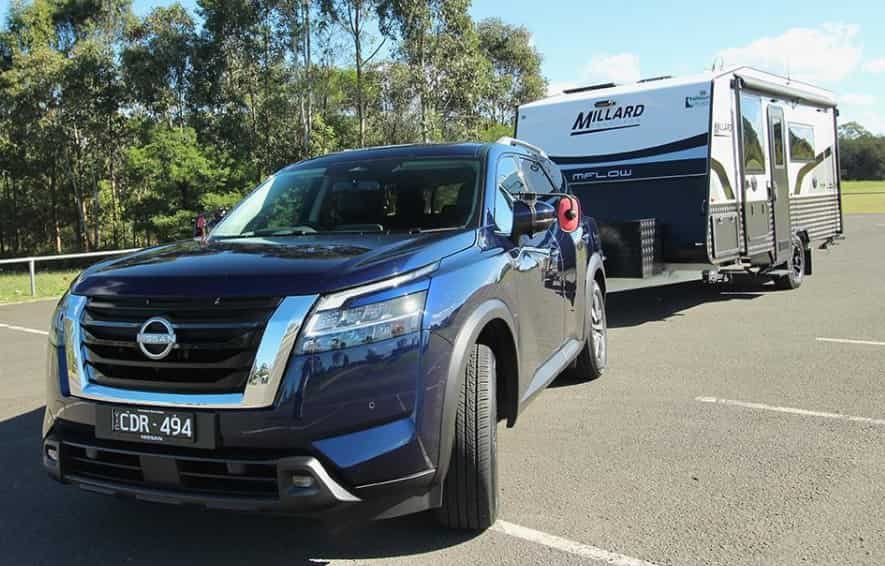
Choosing the right vehicle for an RV trip can make every journey easier. Many motorhome owners want a smaller vehicle they can bring along for local travel. Flat towing offers a simple solution because it allows travelers to pull a vehicle behind their RV without using a trailer.
However, not every Nissan vehicle works well for flat towing. The wrong choice can create serious problems with the transmission, drivetrain, or other mechanical components. RV owners need to understand towing compatibility before connecting a Nissan vehicle behind a motorhome.
So, what Nissan vehicles can be flat towed? The answer depends on several details. These include the Nissan model, production year, transmission system, and drivetrain design. Some vehicles may handle flat towing well, while others may require a tow dolly or a trailer.
This complete guide explains Nissan flat towing requirements, vehicle compatibility, common mistakes, and important safety considerations. It helps RV owners make better decisions before choosing a Nissan vehicle for their next adventure.
Whether you enjoy weekend camping trips or long distance RV travel, knowing the right flat towable Nissan vehicle can save money, protect your investment, and create a more enjoyable travel experience.
What Is Flat Towing and Why Does It Matter for Nissan Owners?
Flat towing, also known as dinghy towing, means pulling a vehicle behind an RV with all four wheels touching the road. The RV provides the power, while the towed vehicle follows behind without using its own engine. Many motorhome owners choose this method because it offers convenience during long trips.
Flat towing gives RV travelers more freedom after they reach their destination. They can park the larger motorhome and use the smaller vehicle for daily activities. A flat tow setup also removes the need to store and maintain a large trailer.
However, flat towing requires careful planning. Every vehicle has different mechanical limits. The transmission, drivetrain, and vehicle design determine whether a car can safely handle this towing method. A vehicle that does not support flat towing may suffer from serious damage over time.
For Nissan owners, understanding these factors is especially important. Nissan produces many different vehicles, including sedans, SUVs, and trucks. Each model uses different engineering systems that affect towing compatibility.
Before connecting any Nissan vehicle behind an RV, owners should check the manufacturer’s towing recommendations. They should review the owner’s manual and understand the required towing procedures. Proper preparation helps prevent transmission issues and protects the vehicle during travel.
Flat towing can create a smooth and enjoyable RV experience when owners choose the right vehicle. By learning how the process works, Nissan owners can make safer decisions and avoid costly mechanical problems.
Can Nissan Vehicles Be Flat Towed?
Many RV owners ask whether Nissan vehicles can be flat towed behind a motorhome. The answer depends on the specific Nissan model, model year, transmission system, and drivetrain configuration. Nissan does not design every vehicle for four wheel towing, so owners must check compatibility before starting their journey.
Some vehicles work well with flat towing because their mechanical systems can handle the process. Other vehicles need different towing solutions, such as a tow dolly or a trailer. Choosing the wrong method can place stress on important components, including the transmission and drivetrain.
The transmission plays one of the biggest roles in flat towing compatibility. Some automatic transmissions cannot lubricate internal parts when the engine is turned off. This situation can create excessive wear and lead to expensive repairs. Manual transmissions and certain four wheel drive systems may offer more flexibility, but owners still need to follow Nissan’s towing instructions.
The drivetrain also affects towing ability. Front wheel drive, rear wheel drive, and all wheel drive systems have different requirements. A vehicle with an advanced drivetrain may need special preparation before towing.
RV owners should always confirm the information in the official owner’s manual before connecting a Nissan vehicle to a motorhome. They should also review towing speed limits, preparation steps, and equipment requirements.
Understanding these factors helps Nissan owners avoid common mistakes. It also allows them to choose a towing method that protects their vehicle and supports a safer RV travel experience.
Nissan Vehicles That Can Be Flat Towed Behind an RV
Choosing a Nissan vehicle for flat towing requires more attention than simply selecting a popular model. Many RV owners look for a vehicle that is reliable, easy to drive, and convenient after they park their motorhome. However, the most important factor is whether the vehicle’s mechanical system can handle being towed with all four wheels on the ground.
Nissan offers a wide range of vehicles, from compact cars to SUVs and trucks. Each model uses different transmission systems and drivetrain designs. These differences determine whether a vehicle can support flat towing or whether it needs another towing method, such as a tow dolly or trailer.
For RV owners, the ideal flat tow vehicle usually has a practical size, dependable performance, and a towing setup that does not create unnecessary stress on the vehicle. A lightweight vehicle can make travel easier because it places less demand on the motorhome. It also provides better fuel efficiency when used for daily transportation after reaching a destination.
Compact Nissan vehicles often attract attention from RV travelers because they are easy to maneuver and affordable to maintain. They work well for travelers who mainly need transportation for grocery trips, sightseeing, and exploring local areas. However, owners should never judge towing compatibility based only on vehicle size. Modern vehicles often include advanced automatic transmissions and electronic systems that may have specific towing limitations.
Nissan SUVs are another popular choice among RV owners because they offer more interior space and greater comfort for families. Many travelers prefer SUVs because they can carry passengers, luggage, and outdoor equipment while still remaining practical for everyday driving. However, SUV owners must carefully review the drivetrain system before choosing a flat towing setup. Features such as all wheel drive and complex transmission technology can affect towing requirements.
Pickup trucks also interest some RV enthusiasts because they provide extra capability for outdoor adventures. A Nissan truck can offer useful cargo space for camping equipment, bikes, and other recreational items. However, a truck’s ability to tow heavy loads does not mean the truck itself can be flat towed behind an RV. These two towing situations involve completely different mechanical requirements.
Before purchasing any Nissan vehicle for RV travel, owners should focus on the manufacturer’s guidelines rather than assumptions. Checking the owner’s manual, understanding the transmission system, and confirming the required towing equipment can prevent costly mistakes.
The best Nissan vehicle for flat towing depends on each traveler’s needs. Some RV owners want a small and efficient vehicle for simple exploration, while others need more space for family trips and outdoor activities. By choosing a Nissan model that matches both lifestyle needs and towing requirements, RV owners can enjoy greater freedom on the road without risking unnecessary mechanical problems.
Nissan Vehicles That Should Not Be Flat Towed
Not every Nissan vehicle can safely travel behind an RV with all four wheels on the ground. While flat towing offers convenience for many motorhome owners, choosing an incompatible vehicle can create serious mechanical issues and expensive repairs.
The transmission system is one of the most important factors to consider. Some vehicles cannot properly lubricate internal transmission components when the engine is off. During flat towing, this lack of lubrication can increase wear and damage important parts over time.
Nissan vehicles with certain automatic transmissions, advanced electronic systems, or complex drivetrain designs may require alternative towing methods. In these cases, RV owners may need to use a tow dolly or trailer instead of a traditional flat tow setup.
Many towing mistakes happen because owners assume that a vehicle’s size, popularity, or capability automatically makes it suitable for flat towing. However, towing compatibility depends on the specific model, production year, and manufacturer recommendations.
Before attaching any Nissan vehicle to a motorhome, owners should check the owner’s manual and confirm the correct towing procedure. This step helps prevent transmission damage, unexpected repair costs, and travel disruptions.
Selecting the wrong vehicle can quickly turn an exciting RV adventure into a frustrating experience. By understanding towing limitations and following Nissan’s guidelines, RV owners can protect their vehicle and choose a safer solution for their travels.
Nissan Flat Towing Requirements and Equipment Checklist
A safe Nissan flat towing setup requires more than connecting a tow bar and starting a trip. RV owners need the right equipment and a clear understanding of the towing process before they put their vehicle on the road. Proper preparation helps protect the Nissan vehicle and creates a safer travel experience.
The first step involves confirming vehicle compatibility. Owners should check the Nissan owner’s manual and review the recommended towing procedure for their specific model. This information explains important details, including towing limitations, required preparation steps, and any restrictions that may apply.
A complete flat towing setup usually includes several essential components. A strong tow bar connects the Nissan vehicle to the motorhome and allows both vehicles to move together safely. A base plate provides a secure connection point on the towed vehicle, while safety cables create an additional layer of protection during travel.
Many RV owners also use a supplemental braking system. This system helps the towed vehicle slow down with the motorhome and improves overall control, especially during long trips or emergency stops. Proper wiring connections allow the Nissan vehicle’s lights and signals to work with the RV.
Before every journey, owners should inspect the towing equipment and confirm that everything works correctly. They should check connections, review safety procedures, and make sure the vehicle follows the recommended towing settings.
A reliable flat towing setup requires attention to detail. By using the correct equipment and following Nissan’s guidelines, RV owners can reduce risks and enjoy more confident adventures on the road.
Best Nissan Vehicles for RV Owners
Choosing the best Nissan vehicle for RV travel depends on more than towing compatibility. RV owners need a vehicle that fits their lifestyle, driving habits, and travel plans. The ideal companion vehicle should offer reliability, comfort, easy handling, and reasonable ownership costs after arriving at a destination.
Many RV travelers prefer smaller Nissan vehicles because they are simple to drive and easier to park in busy areas. A compact vehicle can make daily trips more convenient when exploring cities, visiting attractions, or completing everyday tasks. These vehicles also tend to use less fuel, which helps reduce travel expenses during long journeys.
Some RV owners prefer Nissan SUVs because they need additional space for passengers, luggage, and outdoor equipment. An SUV can provide extra comfort for families and travelers who spend extended periods on the road. The higher seating position and flexible cargo area also make SUVs popular choices for adventure-focused trips.
For travelers who enjoy outdoor activities, Nissan trucks can offer practical advantages. Pickup trucks provide useful cargo capacity for camping equipment, bicycles, and recreational gear. However, owners should always confirm that the specific truck model meets their flat towing requirements before making a decision.
The best Nissan vehicle for an RV lifestyle should match the owner’s personal needs. A couple traveling across the country may prioritize fuel efficiency and easy parking, while a family may value interior space and versatility.
Before choosing a Nissan vehicle for flat towing, RV owners should consider reliability, maintenance costs, comfort, and towing requirements together. A well-matched vehicle can make every trip more enjoyable and provide the freedom to explore new places after parking the motorhome.
The right choice is not always the largest or most powerful vehicle. It is the Nissan model that provides the best balance between towing compatibility, daily usability, and long-term ownership value.
Flat Towing Nissan vs Other Towing Methods
RV owners have several options when they want to bring a vehicle on their travels. Flat towing is one of the most popular choices because it allows a vehicle to follow behind a motorhome without using a separate trailer. However, this method is not always the best solution for every Nissan vehicle or every type of traveler.
Flat towing offers convenience because the setup is usually simple once the equipment is installed. RV owners can quickly connect their vehicle and continue their journey. This method also requires less storage space compared with a full trailer, which makes it attractive for many motorhome travelers.
However, flat towing has limitations. Only vehicles with the correct mechanical design can handle this method safely. Owners must confirm compatibility before choosing this setup because incorrect towing can damage important vehicle components.
A tow dolly provides another option for Nissan owners. This method lifts the front wheels of the vehicle and allows the remaining wheels to stay on the road. A tow dolly can provide more flexibility because it works with a wider range of vehicles. However, it requires additional equipment and storage space.
Trailer towing offers the highest level of vehicle protection because all four wheels remain off the road. This method works well for owners who want to avoid mileage accumulation or protect a vehicle during long-distance travel. The main disadvantages include higher costs, more storage requirements, and additional setup time.
The best towing method depends on the vehicle, travel style, and personal priorities. RV owners should consider convenience, cost, safety, and vehicle protection before choosing a towing solution.
Frequently Asked Questions About Nissan Flat Towing
Can any Nissan vehicle be flat towed?
No, not every Nissan vehicle can be flat towed. Compatibility depends on the specific model, production year, transmission type, and drivetrain system. Owners should always check the manufacturer’s towing recommendations before connecting a Nissan vehicle behind an RV.
Does flat towing damage a Nissan transmission?
Flat towing can damage a Nissan transmission if the vehicle does not support this towing method or if owners ignore the recommended procedure. Some transmissions require specific conditions to prevent internal wear when the engine is not running.
Are Nissan SUVs suitable for flat towing?
Some Nissan SUVs may work well for RV travel, but owners need to confirm the towing requirements for each model. Features such as all wheel drive systems and advanced transmissions can affect flat towing compatibility.
What equipment do I need to flat tow a Nissan vehicle?
A typical flat towing setup includes a tow bar, base plate, safety cables, wiring connections, and a supplemental braking system. The exact equipment depends on the Nissan model and the motorhome setup.
Should I check the owner’s manual before flat towing?
Yes. The owner’s manual provides the most accurate information about towing procedures, limitations, and safety requirements. Checking this information helps prevent mechanical problems and protects your vehicle during travel.
Understanding the differences between flat towing, tow dolly towing, and trailer towing helps RV owners make better decisions. The right towing method can improve convenience, protect the Nissan vehicle, and create a safer travel experience.
Conclusion: Choosing the Right Nissan Vehicle for Flat Towing
Finding the right Nissan vehicle for RV travel requires careful research and a clear understanding of flat towing requirements. While many RV owners want the convenience of bringing a smaller vehicle on their adventures, the most important factor is choosing a vehicle that matches the correct towing method.
So, what Nissan vehicles can be flat towed? The answer depends on the specific model, year, transmission system, and drivetrain design. RV owners should always review manufacturer recommendations before setting up a flat towing system.
A successful RV journey starts with proper preparation. Understanding towing limitations, selecting the right equipment, and following safe procedures can help prevent expensive repairs and unexpected travel problems. The right Nissan vehicle can provide greater freedom, making it easier to explore new destinations after parking the motorhome.
Whether you prefer a compact vehicle for simple daily trips, an SUV for family adventures, or another Nissan option that fits your lifestyle, compatibility should always come first. A thoughtful choice can create a safer, more enjoyable, and more convenient RV experience.
Before your next road trip, take time to confirm your Nissan vehicle’s flat towing capability and prepare your setup correctly. The right information today can help you enjoy many more miles of worry free travel tomorrow.