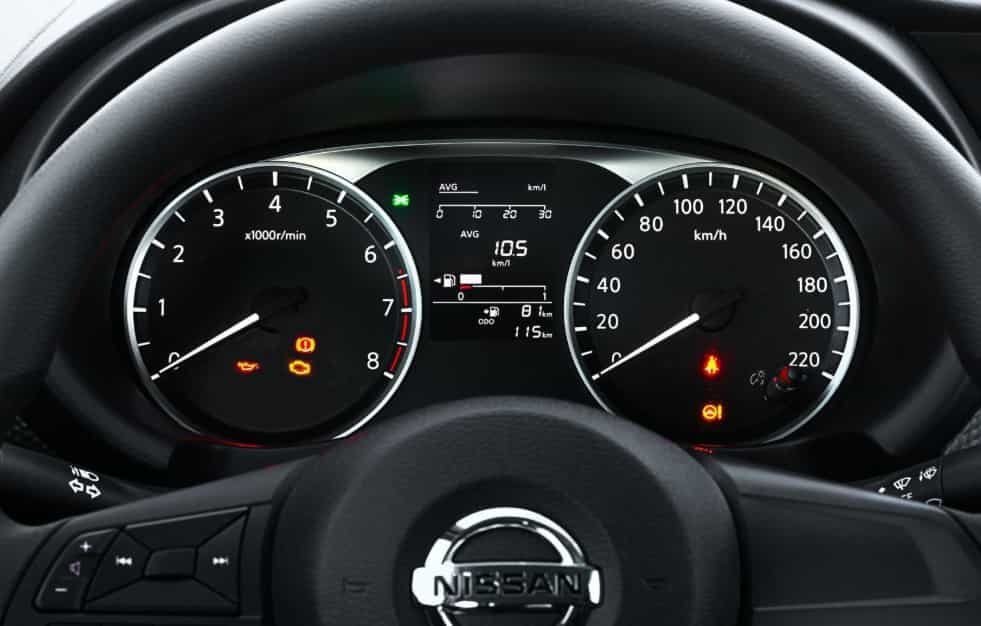
You can reset a Nissan Kicks check engine light after identifying and fixing the fault that caused it. The safest method is to connect a compatible OBD II scanner, read the stored diagnostic trouble code, complete the required repair, and clear the code from the Engine Control Module. Resetting the warning before fixing the problem only removes the visible alert. It does not repair a faulty sensor, loose fuel cap, ignition misfire, electrical problem, or emissions system leak.
A Nissan Kicks check engine light may also turn off automatically after the vehicle completes several successful self tests. In other cases, tightening the fuel filler cap, visiting a qualified technician, or disconnecting the battery may reset the warning. Each method has a different purpose, and battery disconnection should only be used when the correct procedure is known.
The condition of the warning light also matters. A solid light usually indicates a fault that requires diagnosis soon. A flashing light can signal a severe engine misfire that may damage the catalytic converter. Stop driving when the engine shakes, loses power, overheats, produces smoke, or releases a strong fuel smell.
This guide explains five safe methods to reset the Nissan Kicks check engine light and shows how to confirm that the underlying repair was successful.
Can You Safely Reset a Nissan Kicks Check Engine Light?
Yes. You can safely reset a Nissan Kicks check engine light after you identify and repair the fault that triggered it. The check engine light works as part of the onboard diagnostic system. The Engine Control Module constantly monitors the engine, fuel system, ignition system, emissions system, and electrical components. When one of these systems operates outside its normal range, the module stores a Diagnostic Trouble Code and turns on the warning light. Clearing the warning only removes the stored alert. It does not fix the problem, so the light usually returns after the vehicle completes another self test.
Start by checking the condition of the warning light. A solid light often indicates a fault that needs attention soon. A flashing light signals a more serious problem, such as an engine misfire. Stop driving if the engine shakes, loses power, overheats, produces smoke, or releases a strong fuel smell. These symptoms increase the risk of damaging expensive components, including the catalytic converter.
Next, connect an OBD II scanner and read every stored code before clearing anything. Save the stored codes, pending codes, and freeze frame data because this information shows when the fault first occurred. It also helps identify whether the issue involves the EVAP system, oxygen sensor, ignition system, fuel delivery, or another monitored component. If you erase the codes too early, diagnosing the real cause becomes much more difficult.
You should also perform a quick visual inspection before resetting the warning. Make sure the fuel filler cap is fully tightened. Check the battery terminals for corrosion or loose connections. Inspect visible hoses and wiring around the engine bay for damage or disconnection. These simple checks often reveal common problems without additional testing.
Reset the check engine light only after completing the repair. Use a compatible OBD II scanner to clear the stored code, then drive the Nissan Kicks under normal conditions. Scan the vehicle again after the test drive. If no code returns and the warning light stays off, the repair solved the original problem.
What Do You Need to Reset a Nissan Kicks Check Engine Light?
You need the right tools before resetting a Nissan Kicks check engine light. A compatible OBD II scanner is the most important device because it reads diagnostic trouble codes, displays freeze frame data, and clears stored faults after you complete the repair. Although some methods do not require a scanner, they provide much less diagnostic information and may hide the real cause of the warning.
Choose an OBD II scanner that supports your Nissan Kicks model year. Basic code readers can identify and erase standard engine codes. Advanced scanners provide additional information, including live sensor data, pending codes, permanent codes, and emissions readiness status. This extra data helps you confirm whether the repair solved the problem before the warning light returns.
Keep a smartphone or notebook nearby when reading diagnostic codes. Record every stored code before clearing the system. For example, code P0300 points to a random or multiple cylinder misfire, while P0455 often indicates a large EVAP system leak. Code P0420 usually relates to catalyst efficiency. These codes identify the affected system, but they do not always identify the failed part. You should always inspect the vehicle before replacing any component.
Basic safety equipment also makes the job easier. Wear protective gloves when working around the engine compartment and use the correct wrench if you need to disconnect the battery. If you choose the battery method, check the owner manual first because some model years require additional relearn procedures after power is restored.
Preparing the correct tools before you begin saves time and reduces mistakes. More importantly, it helps preserve valuable diagnostic information that technicians often use to locate the root cause of a fault. An OBD II scanner remains the safest and most reliable tool for resetting a Nissan Kicks check engine light because it combines diagnosis, verification, and code clearing in a single process.
How Do You Reset a Nissan Kicks Check Engine Light With an OBD II Scanner?
Using an OBD II scanner is the safest and most accurate way to reset a Nissan Kicks check engine light. This method allows you to read diagnostic trouble codes, confirm the root cause, clear the stored fault, and verify that the repair was successful. Unlike disconnecting the battery, an OBD II scanner preserves important vehicle settings while providing valuable diagnostic information before you erase any code.
Park the Nissan Kicks on a level surface and engage the parking brake. Turn the engine off and locate the OBD II port beneath the driver side dashboard. Connect the scanner to the port, then switch the ignition to the ON position without starting the engine if your scanner requires this step. Allow the scanner to communicate with the Engine Control Module before selecting the option to read diagnostic trouble codes.
Record every stored code, pending code, and freeze frame record before clearing anything. This information explains when the fault occurred and helps identify the affected system. For example, a P0300 code usually points to an engine misfire, while a P0455 code often indicates a large EVAP system leak. A P0420 code commonly relates to catalyst efficiency. These codes provide a starting point for diagnosis, but they do not confirm that a specific part has failed. Inspect the related components and complete the necessary repair before continuing.
After repairing the fault, return to the scanner menu and select the option to erase or clear the diagnostic trouble codes. Wait until the scanner confirms that the process has finished. Turn the ignition off, disconnect the scanner, and start the engine. The check engine light should remain off if the repair corrected the original problem.
Take the vehicle for a normal test drive after clearing the codes. Drive under different conditions so the Engine Control Module can complete its self tests. Connect the scanner again after the drive and check for new or pending codes. If the warning light stays off and no fault returns, the reset was successful. If the same code appears again, inspect the system further because the original problem still exists or another related fault has developed.
Will the Nissan Kicks Check Engine Light Reset Itself After a Repair?
Yes. The Nissan Kicks check engine light can reset itself after you repair the underlying problem. The Engine Control Module continuously monitors engine and emissions performance through a network of sensors. When every monitored system operates within the expected range, the module completes a series of self tests called drive cycles. If the fault no longer exists, the module turns off the check engine light automatically.
The number of drive cycles depends on the type of fault. Some minor issues require only a few successful trips before the warning disappears. Other problems may require several days of normal driving because the Engine Control Module waits until it collects enough data to verify that the repair solved the issue. During this period, the stored diagnostic code may remain in the system even though the warning light stays off.
You should not expect every repair to clear the warning immediately. For example, tightening a loose fuel filler cap does not always turn off the light as soon as you restart the engine. The EVAP system must complete its leak detection test before the Engine Control Module confirms that the leak has disappeared. Until that test finishes, the check engine light may remain illuminated even though the original problem no longer exists.
An OBD II scanner makes the verification process much easier. After completing the repair, check whether any stored, pending, or permanent codes remain in the system. Most scanners also display emissions readiness monitors, which show whether each monitored system has completed its self test. This information provides a more reliable confirmation than waiting for the warning light to turn off by itself.
If the check engine light remains on after several normal drive cycles, inspect the vehicle again instead of waiting longer. A failed repair, an additional fault, or an incorrect diagnosis often causes the warning to stay active. Reading the diagnostic codes again will help you determine whether the original problem persists or whether a new fault has appeared.
Can Tightening the Gas Cap Reset a Nissan Kicks Check Engine Light?
Yes. Tightening the gas cap can reset a Nissan Kicks check engine light if a loose or damaged cap caused the warning. The fuel cap seals the fuel tank and helps the Evaporative Emission Control System prevent fuel vapors from escaping into the atmosphere. If the cap is loose, missing, or damaged, the Engine Control Module may detect a pressure leak and store an EVAP system trouble code such as P0455, P0456, or P0457.
Start by turning the engine off and inspecting the fuel cap. Remove the cap and check the rubber seal for cracks, tears, or signs of wear. Clean away dirt or debris that could prevent the cap from sealing correctly. Reinstall the cap and turn it until you hear several clicks. The clicking sound confirms that the cap has locked into place and created the proper seal.
Do not expect the warning light to disappear immediately after tightening the cap. The Engine Control Module must complete an EVAP system self test before it confirms that the leak no longer exists. Depending on driving conditions, this process may take several drive cycles. During this time, the check engine light may remain on even though the sealing problem has already been corrected.
An OBD II scanner provides the fastest way to verify the repair. After tightening or replacing the fuel cap, read the diagnostic codes and confirm that no additional faults are present. If the only problem involved the EVAP system, you can clear the stored code with the scanner and monitor the vehicle during the next few trips. The warning light should remain off if the repair was successful.
If the check engine light returns after you tighten or replace the gas cap, inspect the EVAP system more closely. A leaking purge valve, damaged vapor hose, faulty vent valve, or cracked charcoal canister can produce the same symptoms. Reading the diagnostic codes again will help you determine whether the leak comes from the fuel cap or another component in the emissions system.
Can a Nissan Dealer Reset the Nissan Kicks Check Engine Light?
Yes. A Nissan dealer can reset the Nissan Kicks check engine light after diagnosing and repairing the underlying problem. Dealership technicians use factory approved diagnostic equipment that communicates with every control module in the vehicle. This equipment reads manufacturer specific fault codes, performs system tests, and confirms that the repair has resolved the issue before clearing the warning light.
A dealer visit is the best option when the check engine light appears with other warning messages or when the vehicle enters reduced power mode. Factory diagnostic tools can access systems that many basic OBD II scanners cannot reach. They also display live sensor data, software information, and technical service bulletins that help technicians identify complex faults more quickly.
The technician usually begins by connecting a diagnostic scan tool to the vehicle. The system retrieves stored, pending, and permanent trouble codes from the Engine Control Module. The technician then inspects the related components, performs the necessary repairs, and verifies that every monitored system operates within the manufacturer’s specifications. Only after completing these steps does the technician clear the diagnostic codes and reset the check engine light.
Many Nissan dealerships also check whether the vehicle qualifies for a software update or a warranty repair. Some check engine light problems result from outdated control module software instead of a failed mechanical component. Updating the software may resolve the issue without replacing unnecessary parts. This process also ensures that the Engine Control Module uses the latest calibration released for your vehicle.
Although dealership service usually costs more than using a personal OBD II scanner, it offers the highest level of diagnostic accuracy. This approach is especially valuable when the warning light returns repeatedly, multiple trouble codes appear at the same time, or previous repair attempts have not solved the problem. A professional diagnosis helps prevent unnecessary part replacement and reduces the chance of the check engine light returning.
Can You Reset a Nissan Kicks Check Engine Light by Disconnecting the Battery?
Yes. Disconnecting the battery can reset a Nissan Kicks check engine light, but it is not the recommended method. Removing battery power may erase stored diagnostic trouble codes and temporarily switch off the warning light. However, this method does not identify or repair the fault that caused the warning. If the underlying problem remains, the Engine Control Module will detect it again and illuminate the check engine light after completing the next series of self tests.
If you decide to use this method, park the vehicle on a level surface and switch the ignition completely off. Open the hood and disconnect the negative battery terminal with the correct wrench. Leave the battery disconnected for about 10 to 15 minutes so the remaining electrical charge can dissipate. Reconnect the terminal securely, start the engine, and check whether the warning light has turned off. Make sure the battery connection is tight because a loose terminal can create additional electrical problems.
Although this procedure appears simple, it has several disadvantages. Disconnecting the battery may erase radio presets, clock settings, automatic window calibration, and other stored memory functions. Some Nissan Kicks model years also require the Engine Control Module to relearn idle speed and driving parameters after battery power returns. During this relearning period, the engine may idle differently until the control module completes its adaptation process.
An OBD II scanner remains a better alternative because it clears diagnostic codes without affecting other vehicle settings. The scanner also allows you to review stored codes, pending codes, freeze frame data, and emissions readiness monitors before clearing the system. This information plays an important role when diagnosing intermittent faults that may return later.
Use the battery disconnection method only when an OBD II scanner is unavailable and you have already repaired the confirmed fault. After reconnecting the battery, drive the Nissan Kicks under normal conditions and monitor the vehicle closely. If the check engine light returns, scan the vehicle immediately because the original problem still exists or another fault has developed.
What Is the Difference Between a Solid and Flashing Nissan Kicks Check Engine Light?
A solid check engine light usually indicates a fault that requires diagnosis soon, while a flashing check engine light signals a serious problem that needs immediate attention. Understanding the difference helps you decide whether you can continue driving or should stop the vehicle to prevent further damage.
A solid check engine light often appears when the Engine Control Module detects a problem that affects engine performance or emissions but does not create an immediate safety risk. Common causes include a loose gas cap, a faulty oxygen sensor, an EVAP system leak, a malfunctioning mass airflow sensor, or a worn spark plug. In many cases, the vehicle continues to drive normally, although fuel economy, emissions, or engine performance may gradually decline. You should schedule a diagnosis as soon as possible instead of ignoring the warning.
A flashing check engine light requires a completely different response. It commonly indicates an active engine misfire that allows unburned fuel to enter the exhaust system. The catalytic converter can overheat when this fuel ignites inside the exhaust. Replacing a damaged catalytic converter often costs far more than repairing the original ignition problem. If the warning light flashes while the engine vibrates, loses power, or runs roughly, reduce your speed immediately and stop driving as soon as it is safe.
You should also pay attention to other warning signs that appear with the check engine light. Engine overheating, heavy exhaust smoke, unusual knocking sounds, or a strong fuel smell often indicate a more serious mechanical or fuel system fault. These symptoms increase the risk of additional engine damage if you continue driving. Reading the stored diagnostic trouble codes with an OBD II scanner will help identify the exact system that triggered the warning.
Never treat a flashing check engine light as a warning that will disappear on its own. Diagnose and repair the fault before driving the vehicle again. A solid warning light gives you more time to arrange a repair, but you should still identify the cause as early as possible. Prompt diagnosis reduces repair costs, improves fuel efficiency, and helps prevent small faults from developing into major engine problems.
Why Does the Nissan Kicks Check Engine Light Come Back After a Reset?
The Nissan Kicks check engine light usually comes back because the original fault still exists or another related problem has triggered a new diagnostic trouble code. Resetting the warning only clears the stored information from the Engine Control Module. It does not repair a faulty component or correct an underlying mechanical or electrical issue. Once the control module completes another series of self tests, it detects the fault again and turns the warning light back on.
An incorrect diagnosis is one of the most common reasons the warning returns. Many trouble codes identify the affected system instead of a specific failed part. For example, an oxygen sensor code does not always mean the sensor itself has failed. A vacuum leak, exhaust leak, ignition misfire, or fuel delivery problem can produce similar diagnostic results. Replacing parts without confirming the root cause often leaves the original fault unresolved.
Incomplete repairs can also cause the check engine light to reappear. A technician may replace one damaged component while another related part continues to malfunction. For instance, replacing a spark plug may not solve an engine misfire if a faulty ignition coil or leaking fuel injector remains in the system. Likewise, replacing a gas cap will not eliminate an EVAP system warning if a cracked vapor hose or defective purge valve continues to leak.
In some cases, the Engine Control Module requires several drive cycles before it completes every emissions monitor. During this period, the vehicle performs self tests under different operating conditions. If one of these tests fails, the control module stores a new diagnostic trouble code and turns the warning light back on. This process explains why the light sometimes remains off for several days before returning.
The best way to prevent repeated warning lights is to diagnose the vehicle carefully before clearing any codes. Read every stored and pending diagnostic trouble code, inspect the related components, complete the required repair, and verify the results with another scan after a normal test drive. If the same code returns repeatedly, perform additional testing instead of replacing more parts. A systematic diagnosis saves time, reduces repair costs, and provides a permanent solution instead of a temporary reset.
What Common Problems Turn On the Nissan Kicks Check Engine Light?
Several engine, fuel, ignition, and emissions problems can turn on the Nissan Kicks check engine light. The Engine Control Module continuously monitors dozens of sensors and control systems. When one of these components operates outside the expected range, the module stores a diagnostic trouble code and illuminates the warning light. Identifying the root cause is essential because the same warning can result from many different faults.
A loose or damaged gas cap is one of the most common causes. The fuel cap seals the EVAP system and prevents fuel vapors from escaping. If the seal fails, the Engine Control Module detects a pressure leak and stores an EVAP related trouble code. Although this issue usually does not affect drivability, it increases emissions and keeps the warning light on until the system completes another successful self test.
Faulty oxygen sensors also trigger the check engine light on many vehicles. These sensors measure the oxygen content in the exhaust and help the Engine Control Module adjust the air fuel mixture. A failed sensor can reduce fuel efficiency, increase exhaust emissions, and cause poor engine performance. Ignoring the problem for an extended period may also shorten the life of the catalytic converter.
Ignition system faults frequently activate the warning light as well. Worn spark plugs, failing ignition coils, or damaged ignition wiring can cause one or more cylinders to misfire. Engine misfires often produce rough idling, poor acceleration, engine vibration, and reduced fuel economy. If the misfire becomes severe, the check engine light may begin flashing to warn that the catalytic converter is at risk of damage.
Air intake and fuel delivery problems are another common source of diagnostic trouble codes. A contaminated mass airflow sensor, leaking vacuum hose, clogged fuel injector, or weak fuel pump can change the air fuel ratio and affect engine operation. The Engine Control Module detects these abnormal readings and stores a fault code to protect engine performance and emissions compliance.
Although these problems appear most often, they are not the only possible causes. A failing catalytic converter, defective EVAP purge valve, damaged engine sensor, wiring fault, or outdated control module software can also illuminate the check engine light. Reading the stored diagnostic trouble codes with a compatible OBD II scanner remains the fastest way to identify the affected system and begin an accurate diagnosis.
Can You Pass an Emissions Test After Resetting the Check Engine Light?
No. Resetting the Nissan Kicks check engine light does not guarantee that the vehicle will pass an emissions test. Clearing diagnostic trouble codes also resets the emissions readiness monitors stored in the Engine Control Module. Until these monitors complete their self tests, the inspection system cannot confirm that the emissions components operate correctly. As a result, many inspection stations automatically fail or reject a vehicle with incomplete readiness monitors, even if the check engine light remains off.
Each readiness monitor checks a specific emissions related system. These systems include the catalytic converter, oxygen sensors, EVAP system, EGR system, and other emissions control components. After you clear the diagnostic codes, every monitor changes to a “Not Ready” status. The Engine Control Module must complete several drive cycles before these monitors return to a “Ready” state. The exact number of drive cycles varies because each monitor requires different operating conditions.
Driving the Nissan Kicks under normal conditions allows the Engine Control Module to complete these self tests. A combination of city driving, highway driving, engine warm up, idling, and steady cruising usually helps the monitors finish more quickly. However, there is no fixed number of miles or trips that guarantees every monitor will become ready because traffic, weather, fuel level, and driving habits all influence the testing process.
An OBD II scanner provides the easiest way to check readiness before scheduling an emissions inspection. Most modern scanners display the status of each emissions monitor along with any stored or pending diagnostic trouble codes. Verify that all required monitors show a “Ready” status and confirm that no active or pending codes remain in the system. This simple check reduces the risk of failing the inspection because of incomplete self tests.
Complete every necessary repair before clearing the check engine light. Then drive the vehicle until the readiness monitors finish their tests and verify the results with an OBD II scanner. Following this process gives the Nissan Kicks the best chance of passing an emissions inspection on the first attempt while also confirming that the original fault has been resolved.
How Can You Prevent the Nissan Kicks Check Engine Light From Returning?
You can prevent the Nissan Kicks check engine light from returning by following the recommended maintenance schedule and repairing small problems before they become serious faults. Most check engine light warnings develop gradually. Regular inspections help you identify worn components early and reduce the chance of unexpected warning lights.
Follow the maintenance intervals recommended by Nissan for engine oil, spark plugs, air filters, and other service items. Fresh engine oil protects internal components and supports proper engine operation. Clean air filters maintain the correct airflow into the engine, while new spark plugs ensure efficient combustion. Replacing these parts at the recommended intervals reduces stress on the ignition, fuel, and emissions systems.
Pay attention to changes in vehicle performance during daily driving. Rough idling, slow acceleration, poor fuel economy, unusual engine noise, or difficulty starting the engine often appear before the check engine light turns on. Addressing these symptoms early can prevent additional damage and reduce repair costs. A small ignition or fuel system problem is usually less expensive to repair than a damaged catalytic converter.
Use quality fuel and tighten the gas cap after every refueling stop. Poor quality fuel can affect combustion and increase carbon deposits inside the engine. A loose gas cap can also trigger EVAP system codes even when every other component operates normally. After refueling, turn the cap until you hear several clicks to ensure it seals the fuel system correctly.
Scan the vehicle whenever the check engine light appears, even if the warning disappears later. Some faults occur intermittently and leave pending diagnostic trouble codes before they become active. Reading these codes early helps identify developing problems before they affect engine performance or emissions. A basic OBD II scanner can provide valuable information that supports faster and more accurate repairs.
Regular maintenance, early diagnosis, and proper repairs provide the best long term solution. Avoid clearing diagnostic codes simply to turn off the warning light. Instead, identify the root cause, complete the correct repair, and verify the results with a follow up scan. This approach keeps the Nissan Kicks running efficiently, improves long term reliability, and greatly reduces the chance of the check engine light returning.
What Is the Safest Way to Reset a Nissan Kicks Check Engine Light?
The safest way to reset a Nissan Kicks check engine light is to diagnose the fault, complete the necessary repair, and clear the diagnostic trouble code with a compatible OBD II scanner. This approach removes the warning only after fixing the root cause. It also preserves valuable diagnostic information and reduces the risk of the same problem returning after a few drive cycles.
Although other methods can turn off the check engine light, they do not offer the same level of accuracy. Tightening a loose gas cap may solve a simple EVAP system leak, and the warning may disappear after the Engine Control Module completes its self tests. Disconnecting the battery can also clear stored codes, but it may erase vehicle settings and make future diagnosis more difficult. These methods should never replace a proper inspection when the warning light indicates an active engine or emissions fault.
An OBD II scanner remains the most reliable tool because it helps you identify diagnostic trouble codes, review freeze frame data, clear stored faults, and confirm that the repair was successful. After resetting the system, complete a normal test drive and scan the vehicle again. If no stored or pending codes return and the check engine light stays off, you can be confident that the repair resolved the original problem.
Regular maintenance is the best way to avoid future warning lights. Inspect the vehicle whenever engine performance changes, tighten the fuel cap after every refueling stop, and investigate new warning lights as soon as they appear. By following these practices, you can improve reliability, reduce repair costs, and keep your Nissan Kicks operating safely and efficiently.