
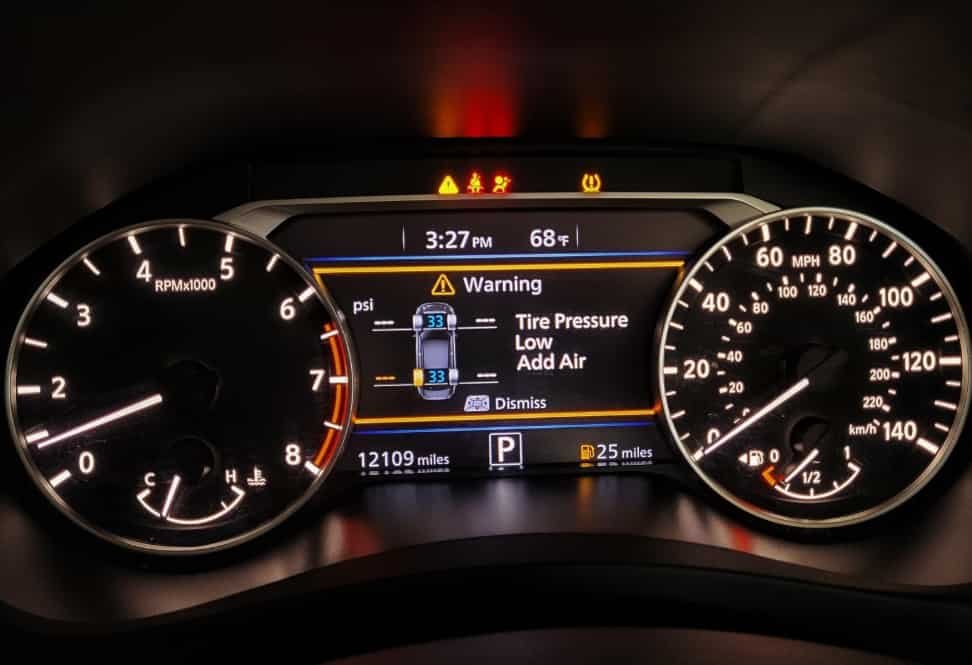
A TPMS warning light often appears after tire inflation, a tire rotation, or a sensor replacement. Many Nissan Altima owners assume they need to press a reset button. In reality, most Altima models reset the system automatically after you inflate all four tires to the correct cold pressure and complete a short drive.
The warning light does not always indicate the same problem. A solid light usually means one or more tires have low pressure. A flashing light usually points to a sensor or system fault. Knowing the difference helps you choose the correct solution and prevents unnecessary repairs.
This guide explains how to reset TPMS on a Nissan Altima step by step. It also covers the correct tire pressure, model year differences, common reasons the warning light stays on, and situations that require a TPMS relearn. By the end of this guide, you will know how to reset the system correctly, identify common TPMS problems, and decide when professional service is the safest option.
How Do You Reset the TPMS on a Nissan Altima?
Resetting the TPMS on a Nissan Altima starts with correcting the tire pressure instead of pressing a reset button. Most Altima models automatically clear the warning after the system receives updated pressure readings from all four tires. If the pressure matches Nissan’s recommendation, the warning light usually turns off after a short drive.
Begin by parking the vehicle on a level surface and allowing the tires to cool. Tire pressure increases as the tires heat up during driving, so checking warm tires can produce inaccurate results. Next, measure the pressure in all four tires with a reliable tire pressure gauge. Compare each reading with the recommended cold tire pressure shown on the driver side door jamb label instead of the maximum pressure printed on the tire sidewall. Inflate or deflate each tire until every reading matches the specified value.
After adjusting the tire pressure, inspect each tire for visible damage, embedded objects, or leaking valve stems. Even a small puncture can cause pressure to drop again and prevent the TPMS warning from clearing. If everything looks normal, start the engine and drive at a steady speed above approximately 16 mph or 25 km/h. Continue driving for several minutes so the TPMS sensors can transmit updated information to the vehicle.
If the warning light stays on after completing these steps, check the tire pressure again after the tires have cooled. A tire that continues to lose air usually indicates a leak rather than a TPMS problem. However, if the pressure is correct and the warning still remains, the vehicle may have a faulty sensor, a communication issue, or a sensor that requires registration. In that situation, diagnosing the TPMS becomes the next step instead of repeating the reset procedure.
What Tire Pressure Should You Use Before Resetting the TPMS?
Using the correct tire pressure is the most important step before resetting the TPMS on a Nissan Altima. The system compares the pressure inside each tire with its programmed threshold. If one or more tires remain below the recommended level, the warning light may stay on even after you complete the reset procedure. For that reason, always follow Nissan’s recommended cold tire pressure instead of estimating the correct value.
You can find the recommended tire pressure on the Tire and Loading Information label inside the driver’s door jamb. This label provides the pressure that Nissan selected for the vehicle’s weight, suspension, and original tire size. Do not use the maximum pressure printed on the tire sidewall because that number represents the tire’s maximum inflation limit rather than its normal operating pressure. Inflating the tires to the sidewall value can reduce ride comfort, affect handling, and increase uneven tire wear.
Always check tire pressure when the tires are cold. A tire warms up as you drive, which increases the air pressure inside it. Measuring warm tires may produce readings that appear correct even though the pressure drops below the recommended level after the tires cool. To improve accuracy, check the pressure before driving or wait at least three hours after parking the vehicle.
Temperature also affects tire pressure throughout the year. Cold weather lowers air pressure, while warmer temperatures increase it. As a result, many drivers notice the TPMS warning light during the first cold mornings of the season. Checking the tire pressure every month and adjusting it to the door jamb specification helps prevent unexpected warnings, improves fuel efficiency, promotes even tread wear, and supports stable braking and handling in everyday driving.
Does a Nissan Altima Have a TPMS Reset Button?
Most Nissan Altima models do not have a dedicated TPMS reset button. Instead, the system updates automatically after you inflate all four tires to the recommended cold pressure and drive the vehicle. This design allows the TPMS to receive fresh pressure readings from each sensor without requiring manual intervention.
Many drivers search for a reset button because older vehicles from other manufacturers often include one. As a result, they may spend time looking under the dashboard or inside the glove compartment without finding anything. For most Nissan Altima model years, this step is unnecessary because the system clears the warning after it confirms that every tire meets the required pressure.
Some online guides suggest pressing random dashboard buttons or disconnecting the battery to reset the TPMS. These methods do not solve the underlying problem and may create additional issues by resetting other vehicle settings. If a tire still has low pressure, the warning light will return even after the battery is reconnected. Likewise, a failed TPMS sensor will continue to trigger the warning until you repair or replace the faulty component.
Although Nissan uses a similar TPMS design across many Altima generations, the exact reset procedure can vary by model year. Some vehicles recognize updated sensor data after a short drive, while others require a longer drive cycle before the warning disappears. If the light remains on after you verify the tire pressure and complete the recommended drive cycle, inspect the system for a leaking tire, a damaged sensor, or a communication fault instead of searching for a reset button.
How Long Should You Drive After Inflating the Tires?
Most Nissan Altima models need a short drive before the TPMS updates the latest tire pressure readings. After you inflate all four tires to the recommended cold pressure, drive above approximately 16 mph or 25 km/h. Under normal conditions, the warning light may turn off within several minutes. However, the exact time varies because each model year uses a slightly different TPMS calibration and communication process.
Driving conditions also affect how quickly the system recognizes the updated pressure. A steady speed allows the sensors to transmit data more consistently than frequent stops or slow traffic. If you drive only a short distance or remain below the activation speed, the TPMS may not receive enough information to complete the update. Continuing the drive under normal road conditions often resolves the warning without any additional action.
If the warning light remains on after a reasonable drive, avoid repeating the reset procedure immediately. Instead, stop the vehicle and check the tire pressure again after the tires have cooled. Even a small difference between the measured pressure and Nissan’s recommended specification can keep the warning active. In many cases, correcting the pressure solves the problem without further repairs.
When the tire pressure is correct but the warning still does not disappear, the issue usually extends beyond a normal reset. A slow air leak, a damaged TPMS sensor, a depleted sensor battery, or a communication fault can all prevent the system from updating successfully. At that point, diagnosing the TPMS becomes more effective than driving longer because additional driving cannot repair a mechanical or electronic fault.
What Is the Difference Between a TPMS Reset and a TPMS Relearn?
Many Nissan Altima owners use the terms TPMS reset and TPMS relearn interchangeably, but they describe two different procedures. A TPMS reset clears the warning after you restore the correct tire pressure. A TPMS relearn teaches the vehicle to recognize one or more tire pressure sensors. Understanding this difference helps you choose the correct solution and avoids unnecessary repairs.
A standard TPMS reset requires very little effort. Inflate all four tires to the recommended cold pressure, then drive the vehicle until the system receives updated readings from each sensor. In most situations, the warning light turns off without any additional steps. This process works because the original sensors continue to communicate with the vehicle as expected.
A TPMS relearn becomes necessary when the vehicle cannot identify one or more sensors. This situation often occurs after replacing a TPMS sensor, installing new wheels, or fitting replacement sensors that the vehicle has not registered. Some Nissan Altima models can recognize the sensors automatically after driving, while others require a TPMS activation tool and a compatible diagnostic scanner. The correct procedure depends on the model year and the type of TPMS installed.
Completing a reset will not solve a sensor registration problem. Likewise, performing a relearn will not fix a tire with low pressure or a slow air leak. For that reason, always confirm that every tire has the correct pressure before assuming the sensors need attention. If the warning light remains on after the pressure is correct and the reset procedure is complete, diagnosing the sensors becomes the logical next step.
How Do You Reset TPMS on Different Nissan Altima Model Years?
The basic TPMS reset process remains similar across most Nissan Altima generations, but the system does not operate exactly the same on every model year. Nissan has updated its TPMS software, sensor communication, and dashboard displays over time. As a result, some vehicles recognize the corrected tire pressure more quickly, while others require additional driving before the warning light disappears. Checking the owner’s manual for your specific model year is always the best way to confirm the correct procedure.
How Do You Reset TPMS on a 2007–2012 Nissan Altima?
Start by checking the pressure in all four tires when they are cold. Inflate each tire to the value listed on the driver’s door jamb label, then drive the vehicle at a steady speed above the TPMS activation threshold. The warning light should turn off after the system receives updated sensor data. If the light flashes before remaining on, the vehicle may have a sensor or communication problem that requires diagnosis instead of another reset attempt.
How Do You Reset TPMS on a 2013–2018 Nissan Altima?
Most models from this generation follow the same basic procedure. Correct the tire pressure, start the engine, and complete a normal drive cycle. The TPMS usually updates automatically without any manual input. If the warning remains after the tires have the correct pressure, inspect the tires for leaks before assuming that a sensor has failed. A flashing warning light often indicates a system fault rather than low tire pressure.
How Do You Reset TPMS on a 2019–2024 Nissan Altima?
Later Altima models continue to use an automatic reset process after you restore the correct tire pressure. Many vehicles in this generation also include Nissan’s Easy Fill Tire Alert, which helps drivers inflate the tires to the recommended pressure. Although this feature simplifies tire inflation, it does not register new TPMS sensors or repair a malfunctioning system. If the warning stays on after a normal drive, inspect the sensors and check for stored TPMS fault codes.
How Do You Reset TPMS on a 2025 or Newer Nissan Altima?
Newer Nissan Altima models continue to rely on automatic sensor communication instead of a traditional reset button. However, Nissan may update software, dashboard displays, or TPMS programming as new models become available. For that reason, always verify the recommended procedure in the owner’s manual for your exact model year and trim level. Following model-specific instructions helps prevent unnecessary troubleshooting and ensures the system operates as Nissan intended.
Why Is the TPMS Light Still On After Inflating the Tires?
A TPMS warning light can remain on even after you inflate the tires to the correct pressure. In many cases, the system still detects a condition that prevents it from completing the reset. The problem may involve tire pressure, sensor communication, or a mechanical issue that affects one of the wheels. Identifying the actual cause saves time and prevents unnecessary parts replacement.
One common reason is incorrect tire pressure. A tire may appear properly inflated, yet its pressure can still fall below Nissan’s recommended specification after it cools. Temperature changes also influence tire pressure throughout the year. For example, a cold morning can reduce air pressure enough to trigger the warning, even if the tires looked normal the previous day. Checking the pressure when the tires are cold provides the most accurate reading and eliminates this common cause.
The warning light may also stay on because the vehicle has not completed a full drive cycle. The TPMS needs time to receive updated data from all four sensors before it clears the warning. If you inflate the tires and drive only a short distance or remain in slow traffic, the system may not finish the update. Driving at a steady speed under normal road conditions usually allows the sensors to transmit the latest pressure readings.
If the warning still remains after you verify the tire pressure and complete the drive cycle, the TPMS likely has another fault. A leaking tire, damaged valve stem, weak sensor battery, failed pressure sensor, or communication error can all prevent the system from operating correctly. A flashing warning light strengthens this possibility because it often indicates a system malfunction rather than low tire pressure. At this stage, testing the sensors with compatible diagnostic equipment provides a faster and more reliable solution than repeating the reset procedure.
What Does a Flashing TPMS Light Mean on a Nissan Altima?
A flashing TPMS light usually indicates a system malfunction rather than low tire pressure. On many Nissan Altima models, the warning flashes for about one minute after you start the engine and then stays illuminated. This pattern tells you that the TPMS cannot communicate with one or more sensors correctly. Adding air to the tires alone will not resolve this type of warning because the problem affects the monitoring system instead of the tire pressure itself.
Several issues can trigger a flashing TPMS light. A sensor battery may have reached the end of its service life after years of normal use. A damaged sensor can also stop transmitting pressure data after a tire replacement or wheel repair. In some cases, the vehicle cannot recognize a newly installed sensor because it has not completed the required registration process. Electrical interference or a fault within the TPMS receiver can also interrupt communication between the sensors and the vehicle.
Although a flashing warning often points to an electronic problem, you should still verify the tire pressure before scheduling repairs. A damaged tire and a failed sensor can occur at the same time. Checking the pressure confirms that the tires remain safe to drive while you investigate the system fault. This simple step also prevents technicians from spending time diagnosing a problem that low tire pressure caused.
If the flashing warning appears every time you start the vehicle, a professional diagnosis is the most effective solution. A qualified technician can activate each sensor, confirm that it transmits the correct identification code, and check for stored TPMS diagnostic trouble codes. This process identifies the faulty component quickly and helps avoid replacing sensors that still operate normally.
Can You Reset Nissan Altima TPMS Without a Scan Tool?
You can reset the TPMS on most Nissan Altima models without a scan tool if the warning appears because of low tire pressure. Inflate all four tires to the recommended cold pressure, then drive the vehicle long enough for the sensors to send updated readings. If the TPMS functions normally, the warning light should turn off without any manual programming or special equipment.
A scan tool becomes necessary only when the system cannot recognize one or more sensors or detects an internal fault. This situation often occurs after replacing a TPMS sensor, installing a new wheel with a different sensor, or repairing damage that interrupts sensor communication. In these cases, the vehicle may require a TPMS relearn so the control module can recognize the sensor identification codes. Without that registration process, the warning light may remain on even though every tire has the correct pressure.
Some drivers try to clear the warning by disconnecting the battery or removing a fuse. These methods rarely solve the actual problem because they do not restore communication between the TPMS sensors and the vehicle. They can also erase stored settings for other electronic systems, which may create additional inconvenience without fixing the warning light.
If the TPMS warning stays on after you verify the tire pressure and complete the recommended drive cycle, focus on diagnosing the system instead of repeating the reset procedure. A compatible TPMS scan tool can identify sensor communication faults, read diagnostic trouble codes, and confirm whether each sensor transmits accurate pressure data. This information allows technicians to repair the correct component instead of replacing parts through trial and error.
Does Tire Rotation or Tire Replacement Affect the TPMS?
Tire rotation and tire replacement can affect the TPMS, but they do not always require a reset or relearn. In most cases, rotating the tires does not change how the system monitors air pressure because each sensor continues to transmit data from its new wheel position. However, the vehicle may need time to recognize the updated sensor locations, especially if it displays individual tire pressure for each wheel.
Replacing only the tire usually does not create a TPMS problem when the original sensor remains in good condition. During tire service, technicians remove the tire from the wheel while leaving the TPMS sensor installed. If they reinstall the sensor correctly and avoid damaging the valve stem or sensor body, the system should continue to operate normally after the tire pressure is adjusted. Completing a short drive often allows the TPMS to update automatically.
The situation changes when a technician replaces the TPMS sensor or installs a different wheel with another sensor. The vehicle may not recognize the new sensor immediately because every TPMS sensor broadcasts a unique identification code. Some Nissan Altima models learn the new sensor automatically after driving, while others require a TPMS relearn with compatible diagnostic equipment. The correct procedure depends on the vehicle’s model year and TPMS configuration.
If the TPMS warning appears immediately after tire service, do not assume that a sensor has failed. First, verify that every tire has the correct cold pressure and inspect the valve stems for air leaks. Next, confirm that the technician installed the original sensor correctly or completed the required registration procedure after replacing a sensor. Taking these steps helps identify the real cause and prevents unnecessary repairs or replacement parts.
How Do You Know If a Nissan Altima TPMS Sensor Is Bad?
A faulty TPMS sensor usually causes the warning light to remain on even after you correct the tire pressure. Unlike a simple low-pressure warning, a failed sensor prevents the system from receiving accurate information from one or more wheels. Recognizing the early signs helps you diagnose the problem faster and avoid replacing parts that still work correctly.
One of the most common symptoms is a TPMS warning light that flashes for about one minute before staying on. This warning pattern often indicates that the vehicle cannot communicate with one or more sensors. You may also notice that the warning returns soon after every reset, even though all four tires remain at the recommended pressure. These symptoms suggest that the issue involves the monitoring system rather than the tires themselves.
Sensor batteries also wear out over time. Most Nissan Altima TPMS sensors use sealed batteries that typically last between seven and ten years under normal driving conditions. Once the battery reaches the end of its service life, the sensor can no longer transmit pressure data consistently. Because the battery is built into the sensor housing, technicians usually replace the entire sensor instead of replacing the battery alone.
Professional testing provides the most reliable way to confirm a failed TPMS sensor. A compatible TPMS activation tool can communicate with each sensor and verify its identification code, battery status, and pressure reading. The technician can then compare this information with the vehicle’s stored data to identify missing or faulty sensors. This process prevents unnecessary repairs and ensures that only the defective component is replaced.
Although sensor failure becomes more common as a vehicle ages, it is not always the cause of a TPMS warning. A leaking valve stem, damaged wheel, wiring fault, or communication problem can produce similar symptoms. For that reason, always confirm the diagnosis before replacing any sensor. A complete inspection saves time, reduces repair costs, and restores normal TPMS operation more efficiently.
Is It Safe to Drive With the Nissan Altima TPMS Light On?
It depends on why the TPMS warning light is on. If the light appears because one or more tires have slightly low pressure, you can usually drive a short distance after checking the tires and restoring the recommended cold pressure. However, you should never ignore the warning because underinflated tires reduce stability, increase stopping distance, and accelerate tread wear. They also generate more heat, which raises the risk of tire failure during extended driving.
A flashing TPMS light requires more attention because it usually indicates a problem with the monitoring system instead of tire pressure. Although the tires may still contain the correct amount of air, the vehicle can no longer monitor pressure accurately. As a result, you may not receive another warning if a tire begins losing air while you are driving. Checking all four tires manually becomes essential until you repair the system.
If you notice a tire that looks visibly underinflated or damaged, stop driving as soon as it is safe to do so. Inspect the tire for punctures, cuts, or other signs of damage before continuing your trip. Driving on a severely underinflated tire can damage the sidewall, reduce vehicle control, and increase the chance of a blowout. Even if the tire appears repairable, continuing to drive may cause permanent damage that requires a complete replacement.
The safest approach is to treat every TPMS warning as an early safety alert instead of a minor inconvenience. Verify the tire pressure first, then inspect the tires for visible damage and complete the recommended reset procedure. If the warning remains after the pressure is correct, arrange a professional inspection as soon as possible. Restoring the TPMS ensures that the system can alert you quickly if another tire loses pressure in the future.
When Should You Take the Nissan Altima to a Tire Shop or Dealer?
Some TPMS problems require professional equipment and experience to diagnose correctly. If the warning light stays on after you verify the tire pressure and complete the recommended drive cycle, the system may have a fault that you cannot resolve through a standard reset. Continuing to repeat the same procedure rarely fixes the problem because the issue often involves a sensor, the TPMS control system, or a slow air leak.
A professional inspection becomes the best option when the TPMS light flashes at every startup, one tire repeatedly loses pressure, or the warning returns shortly after you reset the system. These symptoms often point to a failed sensor, a damaged valve stem, or a communication problem between the sensors and the vehicle. You should also schedule an inspection after replacing a TPMS sensor or installing new wheels if the warning does not disappear. Some Nissan Altima models require sensor registration before the system can recognize the new components.
A qualified tire shop can perform most TPMS repairs because it has the tools needed to activate sensors, inspect valve stems, and test for air leaks. Technicians can also confirm whether each sensor transmits the correct identification code and pressure reading. If the problem involves a damaged sensor, they can replace it and complete the relearn procedure when necessary. This process restores normal communication between the sensors and the vehicle.
A Nissan dealer may be the better choice when the problem involves software updates, control module programming, or model-specific diagnostic procedures. Dealers have direct access to factory service information and Nissan diagnostic equipment for every Altima generation. Although dealership repairs sometimes cost more, they provide the most reliable solution for complex TPMS faults that extend beyond routine tire service.
How Can You Prevent the Nissan Altima TPMS Light From Returning?
Regular tire maintenance is the best way to prevent the TPMS warning light from returning. Many TPMS warnings result from gradual pressure loss rather than sensor failure. Checking the tire pressure once a month allows you to correct small changes before they trigger the warning. This simple habit also improves fuel efficiency, extends tire life, and helps maintain predictable handling.
Always measure tire pressure when the tires are cold and compare the readings with the specification on the driver’s door jamb label. Tire pressure changes as outside temperatures rise or fall, so seasonal weather can trigger the TPMS even when the tires have no damage. Checking the pressure after a sudden temperature drop helps prevent unexpected warnings during colder months.
Routine tire inspections also reduce the risk of recurring TPMS problems. Look for nails, screws, uneven tread wear, cracked valve stems, or damaged wheels whenever you check the tire pressure. Even a slow air leak can activate the TPMS repeatedly if you only add air without repairing the underlying problem. Fixing small issues early often prevents more expensive tire or wheel repairs later.
Proper tire service also protects the TPMS sensors. Whenever you replace tires or install new wheels, ask the technician to inspect the sensors before reassembling the wheels. If a sensor reaches the end of its service life, replace it with a compatible part and complete the required registration procedure. Taking these preventive steps keeps the TPMS operating accurately and reduces the chance of seeing another warning light unexpectedly.
What Is the Correct Way to Reset TPMS on a Nissan Altima?
Resetting the TPMS on a Nissan Altima is usually straightforward when you follow the correct sequence. Start by checking all four tires while they are cold and adjust each one to the pressure listed on the driver’s door jamb label. After that, drive the vehicle long enough for the TPMS to receive updated sensor readings. Most Nissan Altima models complete this process automatically without requiring a manual reset button.
If the warning light remains on after you verify the tire pressure and complete the drive cycle, the problem likely involves more than low air pressure. A leaking tire, a damaged TPMS sensor, a depleted sensor battery, or a communication fault can all prevent the system from resetting correctly. Identifying the actual cause is more effective than repeating the same reset procedure because the warning will continue to return until you resolve the underlying issue.
Understanding the difference between a TPMS reset and a TPMS relearn also helps you avoid unnecessary repairs. A reset clears a low-pressure warning after you restore the correct tire pressure, while a relearn allows the vehicle to recognize replacement sensors. Knowing when each procedure applies makes troubleshooting faster and prevents unnecessary parts replacement.
Regular tire pressure checks, routine inspections, and proper TPMS maintenance will keep the system working as designed. By following the correct reset procedure and addressing problems early, you can improve driving safety, reduce tire wear, and ensure that your Nissan Altima continues to provide accurate tire pressure warnings whenever they matter most.