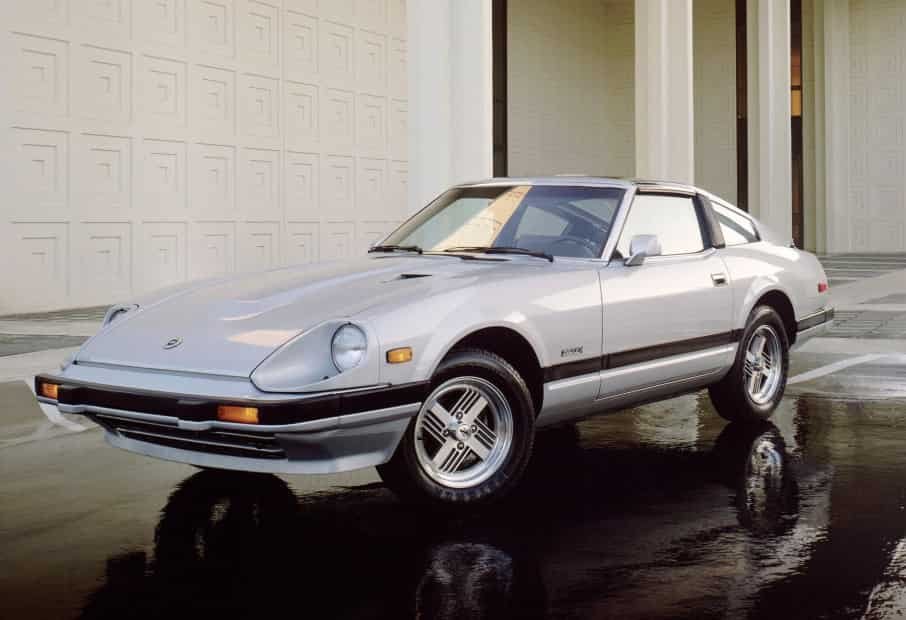
The 1980 Nissan Fairlady Z is an important Japanese sports car from Nissan’s legendary Z series. It represents the second generation of the Fairlady Z lineage and carries the S130 chassis code. Nissan created this model to continue the success of the original Z car while adding more comfort and refinement.
The 1980 Fairlady Z combined a six cylinder engine, rear wheel drive, and a sporty coupe design. These characteristics made it attractive to drivers who wanted performance and daily usability. The car focused on grand touring rather than pure racing performance.
Nissan introduced the S130 generation in 1978 as the successor to the S30 Fairlady Z. The company developed this generation with a larger body, improved interior comfort, and updated technology. In international markets, buyers knew the same vehicle as the Datsun 280ZX.
This article explores the history, specifications, features, performance, and value of the 1980 Nissan Fairlady Z. It explains why this classic Japanese sports car remains important among collectors and automotive enthusiasts today.
What Is the History of the 1980 Nissan Fairlady Z?
The 1980 Nissan Fairlady Z belongs to the S130 generation of Nissan’s Z series. Nissan launched the S130 generation in 1978 as the successor to the original S30 Fairlady Z. The company redesigned the car to provide better comfort, improved safety, and stronger performance for the growing global sports car market.
The first generation Fairlady Z changed Nissan’s image in the late 1960s and early 1970s. It showed that a Japanese manufacturer could build an affordable sports car with attractive design and reliable engineering. The S130 generation continued this mission but moved toward the grand touring segment. Nissan focused on creating a sports coupe that could deliver performance while remaining comfortable for long distance driving.
The 1980 Fairlady Z used the same basic philosophy as other Z models but introduced a larger body and a more refined interior. The longer wheelbase and increased dimensions improved cabin space and driving stability. These changes helped the model compete with European grand touring cars while maintaining Nissan’s approach to value and reliability.
The Japanese market kept the Fairlady Z name, while Nissan sold the same platform internationally as the Datsun 280ZX. This naming difference created two identities for the same S130 vehicle. Enthusiasts now recognize both names as important parts of Nissan’s classic Z car history.
The 1980 Nissan Fairlady Z also represented a transition period for Japanese sports cars. Manufacturers began combining performance with comfort, technology, and everyday usability. This approach influenced later Nissan Z models and helped establish the Z series as one of Japan’s most respected sports car lineages.
What Are the Specifications of the 1980 Nissan Fairlady Z?
The 1980 Nissan Fairlady Z used the S130 platform with a front engine and rear wheel drive layout. This configuration created a balanced driving experience and became a defining characteristic of the Nissan Z series. The model focused on combining straight line performance with stable handling for both enthusiastic driving and long distance touring.
The engine specifications depended on the Japanese market version. Many 1980 Fairlady Z models used the L20A inline six engine, which delivered smooth power delivery and strong reliability. Nissan also offered turbocharged versions in selected markets with the L20ET engine. These engines represented Nissan’s development of efficient performance technology during the late 1970s and early 1980s.
The 1980 Nissan Fairlady Z paired its inline six engine with manual and automatic transmission options. The five speed manual transmission became a popular choice among enthusiasts because it provided greater driver involvement. The rear wheel drive system allowed drivers to experience predictable handling and better control during performance driving.
The S130 chassis included independent suspension technology that improved ride quality and cornering ability. Nissan designed the suspension system to support both sporty driving and comfortable cruising. This balance separated the Fairlady Z from smaller performance cars that focused only on acceleration.
The technical design of the 1980 Nissan Fairlady Z reflected Nissan’s goal of creating a practical sports coupe. The vehicle combined reliable mechanical components, a capable chassis, and a powerful six cylinder engine. These specifications helped the S130 generation maintain the reputation of the Nissan Z series as a competitive Japanese sports car.
What Features Made the 1980 Nissan Fairlady Z Different From Other Sports Cars?
The 1980 Nissan Fairlady Z stood out because it combined sports car styling with practical grand touring features. Nissan designed the S130 generation to provide a balance between performance, comfort, and everyday usability. This approach made the Fairlady Z different from lightweight sports cars that focused only on aggressive driving.
The exterior design created one of the most recognizable shapes in Japanese automotive history. The long hood, short rear section, and low coupe profile gave the car a traditional sports car appearance. Nissan used this design language to connect the S130 generation with the original Fairlady Z while creating a more modern look for the 1980s market.
The interior focused on driver comfort and improved usability. Nissan added better seating, improved cabin materials, and more practical features compared with the earlier S30 generation. These changes supported longer journeys and made the Fairlady Z suitable as a daily performance vehicle.
The 1980 Nissan Fairlady Z also introduced a more refined driving experience through its combination of suspension tuning, engine smoothness, and chassis stability. The car did not aim to compete only through raw speed. Instead, Nissan created a sports coupe that delivered confidence, comfort, and enjoyable handling.
Compared with many European sports cars of the same period, the Fairlady Z offered strong reliability and accessible performance. Its engineering philosophy focused on providing a complete ownership experience rather than creating an exclusive racing machine. This combination of design, technology, and practicality helped the 1980 Nissan Fairlady Z become an important example of Japanese sports car development.
How Did the 1980 Nissan Fairlady Z Perform on the Road?
The 1980 Nissan Fairlady Z delivered a balanced driving experience through its combination of a front engine layout, rear wheel drive system, and inline six cylinder power. Nissan developed the S130 generation for drivers who wanted enjoyable performance without sacrificing comfort. The car focused on stable handling, smooth acceleration, and confident road behavior.
The inline six engine provided strong low speed torque and consistent power delivery. Unlike smaller engines that required high revolutions to produce performance, the Fairlady Z offered smooth response across a wider driving range. This characteristic made the car suitable for both spirited driving and highway cruising.
The rear wheel drive system played an important role in the vehicle’s handling performance. It allowed better weight distribution and gave drivers more control during cornering. The independent suspension system also helped the car maintain stability on different road surfaces. These features created a predictable driving experience that appealed to sports car enthusiasts.
The S130 generation focused more on grand touring than pure racing performance. The larger body and improved comfort features increased the vehicle’s usability for everyday driving. Nissan designed the Fairlady Z to provide a combination of excitement and practicality, which separated it from many lightweight sports cars of the same era.
The 1980 Nissan Fairlady Z also benefited from Nissan’s reputation for mechanical reliability. The L series engines became known for durability and easy maintenance. This reliability helped many examples survive decades of ownership and contributed to the model’s popularity among classic car collectors today.
The road performance of the 1980 Nissan Fairlady Z reflected Nissan’s changing approach to sports cars. The company created a vehicle that could deliver engaging performance while remaining comfortable, reliable, and suitable for regular use.
How Much Is a 1980 Nissan Fairlady Z Worth Today?
The value of a 1980 Nissan Fairlady Z depends on several factors, including condition, originality, restoration quality, and market demand. Classic car buyers usually evaluate the complete history of a vehicle before determining its price. A well preserved example with original components usually attracts more interest than a heavily modified car.
The vehicle condition has the strongest influence on collector value. Cars with original body panels, clean interiors, and properly maintained mechanical systems often receive higher valuations. A restored Fairlady Z can also achieve strong market value when the restoration process follows factory specifications and preserves important original features.
Mileage also affects the market position of the 1980 Nissan Fairlady Z. Lower mileage examples often attract collectors because they usually show less wear on major components. However, mileage alone does not determine value. A higher mileage vehicle with excellent maintenance records can become more desirable than a low mileage example with poor history.
The engine and drivetrain condition play an important role in determining ownership costs and long term value. Collectors often prefer vehicles with matching original engines, functional transmissions, and documented maintenance records. These factors provide confidence about the car’s authenticity and mechanical condition.
The growing interest in Japanese classic cars has increased attention toward models like the 1980 Nissan Fairlady Z. Enthusiasts now recognize the importance of early Nissan Z models as part of automotive history. The S130 generation benefits from strong community support, available restoration knowledge, and increasing appreciation for JDM vehicles.
The 1980 Nissan Fairlady Z represents a classic car with both historical and emotional value. Its market price reflects more than performance numbers. It reflects Nissan’s sports car heritage, engineering approach, and the continued demand for well maintained Japanese performance vehicles.
Is the 1980 Nissan Fairlady Z a Good Classic Car to Collect?
The 1980 Nissan Fairlady Z is considered a strong classic car choice because it combines historical importance, mechanical reliability, and recognizable Japanese sports car design. Collectors value vehicles that represent an important period in automotive development, and the S130 Fairlady Z represents Nissan’s transition from a lightweight sports car manufacturer into a global performance brand.
One of the main advantages of collecting a 1980 Nissan Fairlady Z is its connection to the Nissan Z heritage. The model continues the legacy of the original S30 Fairlady Z while introducing a more comfortable and refined driving experience. This historical connection gives the vehicle additional appeal among Nissan enthusiasts and classic Japanese car collectors.
The mechanical design also supports long term ownership. The L series inline six engine has a reputation for durability and simple maintenance compared with many performance engines from the same period. Owners can access restoration knowledge, replacement components, and technical support through dedicated Nissan Z communities.
However, collectors should consider several ownership factors before purchasing a 1980 Fairlady Z. Rust protection, previous modifications, mechanical condition, and restoration quality can significantly affect ownership costs. Vehicles that require extensive body repair or drivetrain rebuilding may need substantial investment before reaching collector condition.
The availability of parts and enthusiast support makes the S130 generation easier to maintain than many rare classic vehicles. Owners can find restoration resources, technical documentation, and specialist knowledge from the global Nissan Z community. This support helps preserve the vehicle and maintain its historical value.
The 1980 Nissan Fairlady Z offers a combination of driving enjoyment and collector appeal. It provides the character of a classic Japanese sports car while maintaining practical ownership advantages. For enthusiasts who appreciate Nissan history and JDM performance vehicles, the model remains an attractive addition to a classic car collection.
How Does the 1980 Nissan Fairlady Z Compare With Other Nissan Z Cars?
The 1980 Nissan Fairlady Z represents an important transition point in the history of the Nissan Z series. Compared with the original S30 Fairlady Z, the S130 generation introduced a different approach to sports car development. Nissan moved from a lightweight performance coupe toward a more comfortable grand touring sports car that could serve both enthusiasts and everyday drivers.
The original S30 Fairlady Z focused on simplicity, low weight, and direct driving involvement. It became famous for offering sports car styling and performance at an accessible price. The 1980 S130 Fairlady Z continued the same rear wheel drive philosophy but added a larger body, improved interior comfort, and more advanced features.
Compared with later Nissan Z models, the 1980 Fairlady Z represents a more traditional mechanical era. Modern Z cars use advanced electronics, stronger performance technology, and improved safety systems. The S130 generation relies more on mechanical engineering, driver control, and simple performance components. This characteristic gives the vehicle a unique appeal among classic car enthusiasts.
The 1980 Nissan Fairlady Z also differs from later models because it emphasizes grand touring capability. Later Z models often focus on higher performance levels and sharper handling characteristics. The S130 balances sporty driving with comfort, making it suitable for longer journeys and relaxed cruising.
The connection between the 1980 Fairlady Z and the wider Nissan Z family increases its historical importance. It represents the period when Nissan expanded the Z series from a successful sports car into a globally recognized performance brand. This role makes the S130 generation an essential part of Nissan automotive history.
Why Does the 1980 Nissan Fairlady Z Remain Important in Automotive History?
The 1980 Nissan Fairlady Z remains important because it represents a key stage in the development of Japanese sports cars. The model continued the success of the original Fairlady Z while introducing a more refined approach focused on comfort, reliability, and long distance performance. It showed how Nissan could combine sports car character with practical everyday usability.
The S130 generation introduced several important characteristics that define the 1980 Fairlady Z. Its inline six engine, rear wheel drive layout, balanced chassis, and distinctive coupe design created a complete sports car experience. These features helped the model maintain the reputation of the Nissan Z series during a period of significant change in the automotive industry.
Today, collectors appreciate the 1980 Nissan Fairlady Z because of its historical connection, mechanical simplicity, and classic Japanese design. The vehicle represents an era when manufacturers focused on engineering fundamentals and driver engagement. Its relationship with the Datsun 280ZX and the broader Nissan Z heritage further increases its importance among classic car enthusiasts.
The value of the 1980 Nissan Fairlady Z goes beyond its market price. The model represents Nissan’s evolution as a performance car manufacturer and remains a significant example of Japanese automotive innovation. For collectors and enthusiasts, the S130 Fairlady Z continues to provide a connection between classic design, reliable engineering, and Nissan’s legendary sports car history.