
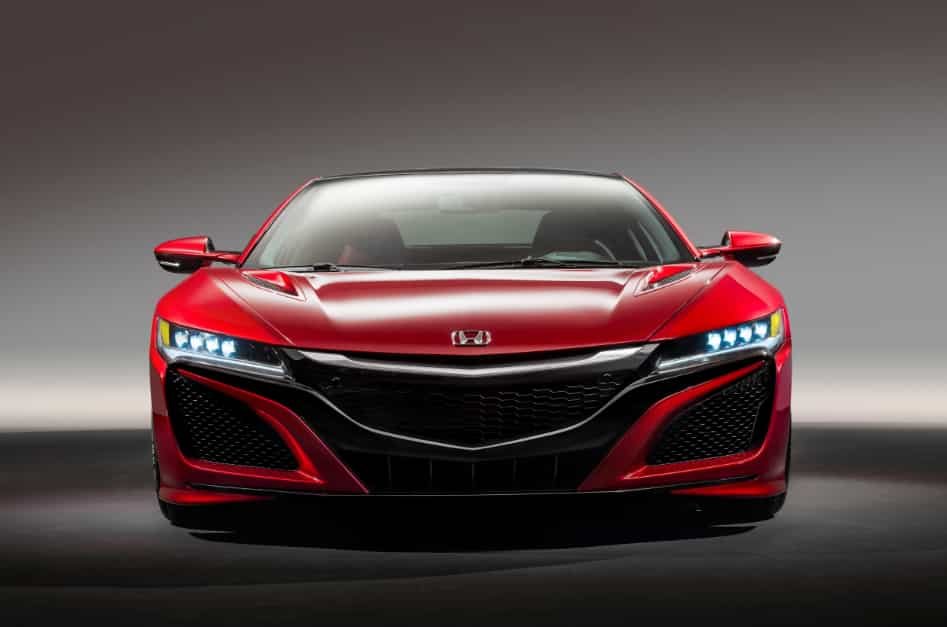
Many drivers search for Nissan NSX Coupe when looking for a Japanese performance car. However, Nissan has never produced a vehicle called the NSX. Honda developed the NSX, and Acura sold the same model in North America. Many people confuse the NSX with the Nissan GT-R because both cars represent Japanese performance engineering.
Knowing the correct manufacturer helps you find accurate specifications, pricing, maintenance information, and ownership costs. It also prevents confusion when comparing different sports cars. Honda designed the NSX to combine supercar performance with everyday comfort and long-term reliability. That philosophy helped the model stand out against many European rivals.
Honda produced the NSX in two generations. The first generation focused on lightweight construction, natural engine response, and precise handling. The second generation introduced a hybrid powertrain, twin turbochargers, and advanced all wheel drive technology. This guide explains every important detail so you can understand the NSX and decide whether it matches your driving needs and budget.
Is the Nissan NSX Coupe a Real Production Car?
No. Nissan has never built a production car called the NSX Coupe. Honda owns the NSX name, while Acura sells the same vehicle in North America. Nissan and Honda operate as separate manufacturers and develop different performance models. Because of that, every official NSX belongs to Honda or Acura instead of Nissan.
Many buyers confuse the NSX with the Nissan GT-R because both cars compete in the high performance segment. The similarity ends there. Honda designed the NSX as a mid engine sports car, while Nissan developed the GT-R with a front mounted engine and an advanced all wheel drive system. Each model follows a different engineering philosophy and delivers a unique driving experience.
Understanding this difference saves time when researching specifications, replacement parts, insurance, or resale value. It also helps buyers compare the correct vehicles before making a purchase decision. If you search for the Nissan NSX Coupe, the information you need actually belongs to the Honda or Acura NSX.
What Is the Honda NSX Coupe?
The Honda NSX Coupe is a two seat, mid engine sports car that combines supercar performance with everyday usability. Honda introduced the first generation in 1990 to challenge established European performance cars without sacrificing reliability or driver comfort. Instead of building a machine that demanded constant maintenance, Honda focused on precision engineering, balanced handling, and practical ownership. That philosophy helped the NSX become one of the most respected Japanese sports cars ever produced.
Unlike many performance cars from the same era, the NSX offered more than impressive acceleration. Honda designed the car around a lightweight aluminum structure that reduced weight while increasing chassis rigidity. Engineers placed the engine behind the driver to improve weight distribution and cornering balance. The cabin also provided excellent outward visibility, comfortable seating, and intuitive controls. These characteristics made the NSX easy to drive on public roads while remaining highly capable on a race circuit.
Honda later expanded the NSX lineup with a second generation that embraced modern performance technology. The new model combined a twin turbocharged V6 engine with three electric motors and an advanced all wheel drive system. This hybrid powertrain delivered stronger acceleration and greater traction without abandoning the model’s focus on driver confidence. Although the technology changed dramatically, Honda preserved the original goal of creating a sports car that drivers could enjoy every day.
Today, the NSX occupies a unique position in the performance car market. It bridges the gap between traditional sports cars and modern supercars by offering advanced engineering, dependable reliability, and distinctive styling. Buyers searching for the Nissan NSX Coupe are actually looking for this Honda or Acura model. Understanding its identity creates a solid foundation before exploring its specifications, performance, ownership costs, and buying considerations.
What Are the Main Differences Between the Two NSX Generations?
Honda developed the two NSX generations for different types of drivers. The first generation emphasized lightweight construction, mechanical simplicity, and direct driver involvement. The second generation focused on hybrid technology, higher power output, and intelligent electronic control. Both models share the same mid engine philosophy, but they deliver completely different driving experiences.
The original NSX uses a naturally aspirated V6 engine that responds instantly to throttle input. Drivers can choose a manual transmission that creates a stronger connection between the engine and the road. Its lower weight and simple mechanical layout reward smooth driving techniques instead of relying on electronic assistance. Many enthusiasts still consider this generation one of the purest driver’s cars ever built because it combines predictable handling with exceptional balance.
The second generation follows a different approach. Honda paired a twin turbocharged V6 engine with three electric motors and a nine speed dual clutch transmission. The hybrid system sends power to all four wheels and adjusts torque continuously during acceleration and cornering. As a result, the newer NSX delivers significantly faster launches, stronger grip, and greater confidence in changing road conditions. It also introduces multiple driving modes that allow drivers to adjust steering, suspension, and power delivery for different situations.
Choosing between the two generations depends on personal priorities rather than outright performance. The first generation appeals to enthusiasts who value lightweight engineering and analog driving feedback. The second generation suits drivers who prefer advanced technology, rapid acceleration, and everyday convenience. Both models remain outstanding examples of Japanese engineering, but each represents a different era of performance car development.
What Are the Specifications of the First-Generation Honda NSX?
Honda introduced the first generation NSX in 1990 and continued production until 2005, depending on the market. The car featured a lightweight aluminum body and chassis, making it the first mass produced production car to use this construction method. Honda combined advanced materials with careful engineering to create a sports car that felt agile without compromising structural strength. This approach reduced weight, improved handling, and helped the NSX stand apart from many competitors during the 1990s.
The early NSX models used a 3.0 liter naturally aspirated C30A V6 engine with Honda’s VTEC variable valve timing system. Later models received a larger 3.2 liter C32B V6 that produced more power and torque. Buyers could choose a five speed manual transmission on early models, while later versions offered a six speed manual for improved performance. Honda also offered an automatic transmission for drivers who preferred greater convenience. Depending on the model year and market, power output ranged from approximately 270 to 290 horsepower.
Performance remained impressive even by modern standards because the NSX relied on balance instead of raw horsepower. Most manual versions accelerated from 0 to 60 mph in about five seconds and reached a top speed close to 170 mph. The mid engine layout placed more weight near the center of the car, allowing quicker direction changes and greater stability through corners. Instead of feeling difficult to control, the NSX inspired confidence with predictable handling and smooth power delivery.
Honda also paid close attention to everyday usability. The suspension delivered excellent body control without creating an uncomfortable ride, while the cockpit offered clear visibility in every direction. The driving position felt natural, and every control remained within easy reach. These details helped owners enjoy the car during daily commutes as well as spirited weekend drives. More than three decades after its launch, the first generation NSX continues to attract collectors because it combines timeless design, dependable engineering, and an engaging driving experience.
How Fast Is the First-Generation NSX?
The first generation NSX delivers strong performance through efficient engineering rather than overwhelming engine output. Most manual models reach 60 mph in approximately five seconds, while automatic versions require slightly more time because of their different transmission calibration. Top speed varies by model year and specification, but many examples approach 168 to 175 mph under ideal conditions.
Real world performance also depends on vehicle condition, maintenance history, and tire quality. A well maintained NSX often feels quicker than its specifications suggest because the naturally aspirated engine responds immediately to throttle inputs. Combined with its low weight and balanced chassis, the car delivers smooth acceleration and predictable handling that many enthusiasts still appreciate today.
What Are the Specifications of the Second-Generation Acura NSX?
Honda revived the NSX in 2016 with an entirely new engineering philosophy. Instead of pursuing lightweight simplicity alone, the company developed a hybrid supercar that combined internal combustion power with advanced electric technology. The second generation uses a 3.5 liter twin turbocharged V6 engine working alongside three electric motors and a nine speed dual clutch transmission. Together, these components create a sophisticated powertrain that produces rapid acceleration while maintaining excellent control in different driving conditions.
The hybrid system sends engine power to the rear wheels and uses two independent electric motors to drive the front wheels. A third electric motor works with the transmission to improve throttle response and support gear changes. This arrangement forms Honda’s Sport Hybrid SH AWD system, which continuously distributes torque where the vehicle needs it most. The result is stronger traction during acceleration, improved cornering stability, and greater driver confidence on both dry and wet roads.
The standard second generation NSX produces a combined output of 573 horsepower and 476 lb ft of torque. Power reaches the road through an advanced all wheel drive system that delivers exceptional grip from a standing start. Most independent tests record a 0 to 60 mph time of about three seconds, while top speed approaches 191 mph. Honda also strengthened the chassis with a multi material structure that combines aluminum, ultra high strength steel, and other lightweight materials to improve rigidity without adding unnecessary weight.
Honda concluded production with the limited edition NSX Type S. This version increased power, refined transmission programming, and introduced aerodynamic improvements that enhanced cooling and high speed stability. Suspension tuning also became more aggressive, giving drivers sharper responses without sacrificing everyday comfort. Although the second generation differs greatly from the original model, it preserves the same core philosophy by delivering supercar performance in a package that remains practical and approachable for regular driving.
How Fast Is the Second-Generation Acura NSX?
The second generation NSX ranks among the quickest Japanese performance cars ever produced. Launch control allows the hybrid system to deliver maximum traction from a standstill, helping the car accelerate to 60 mph in roughly three seconds. The electric motors provide instant torque, while the twin turbocharged engine maintains strong acceleration at higher speeds.
The limited production NSX Type S improves these figures with revised engine tuning, faster transmission responses, and optimized airflow. Although the performance difference appears modest on paper, drivers often notice quicker throttle response and stronger acceleration when exiting corners. These refinements make the Type S the most capable and collectible version of the second generation NSX.
What Performance Does the NSX Coupe Deliver?
The Honda NSX delivers performance through balance instead of relying only on engine output. Every generation follows the same principle by combining responsive power with precise handling and everyday usability. While many sports cars prioritize straight line speed, the NSX focuses on creating confidence behind the wheel. This approach allows drivers to enjoy the car on winding roads, highways, and race circuits without feeling overwhelmed.
The first generation creates an engaging driving experience with its naturally aspirated V6 engine, lightweight construction, and rear wheel drive layout. Throttle response feels immediate because the engine builds power smoothly throughout the rev range. The steering communicates road conditions with impressive clarity, while the suspension keeps the chassis composed during quick direction changes. Together, these characteristics give the original NSX a level of predictability that many enthusiasts still admire decades after its release.
The second generation introduces a different type of performance. Honda combines a twin turbocharged V6 engine with three electric motors to produce instant acceleration and remarkable traction. The Sport Hybrid SH AWD system continuously distributes power between the front and rear wheels, allowing the car to maintain stability while exiting tight corners or accelerating on slippery surfaces. Drivers also benefit from multiple driving modes that adjust steering weight, suspension settings, throttle response, and transmission behavior with a single control.
Although the two generations deliver performance in different ways, both remain true to the original NSX philosophy. The first generation rewards driver skill through mechanical simplicity and lightweight engineering. The second generation relies on advanced technology to maximize speed and confidence. Buyers should therefore choose the model that best matches their driving style rather than focusing only on horsepower or acceleration figures.
What Interior and Technology Features Does the NSX Include?
Honda designed every NSX with the driver at the center of the cabin. The first generation features a simple dashboard, large glass areas, and excellent outward visibility that reduce blind spots and improve confidence on the road. The seating position feels low and natural, while every major control sits within easy reach. Even after many years, the cockpit remains functional because Honda prioritized ergonomics instead of unnecessary complexity.
The original NSX also provides a level of comfort that many sports cars from the same period failed to achieve. Supportive seats reduce fatigue during long journeys, and the suspension absorbs road imperfections without compromising handling. Automatic climate control, quality interior materials, and intuitive switchgear make the car suitable for daily use. Although the technology reflects its era, the cabin still feels practical and thoughtfully designed.
The second generation introduces a far more modern interior with digital displays and advanced driver controls. A configurable instrument cluster presents performance data clearly, while the central infotainment system manages navigation, media, and vehicle settings. Premium leather, Alcantara trim, and optional carbon fiber accents create a more luxurious environment without distracting from the driving experience. Honda also added selectable drive modes that allow drivers to tailor the vehicle for everyday commuting or spirited driving.
Practicality remains an important strength despite the NSX’s supercar appearance. Both generations offer only two seats, so interior space remains limited compared with traditional coupes. However, the comfortable driving position, clear visibility, and logical cabin layout make the NSX easier to live with than many exotic rivals. This balance between comfort and performance continues to distinguish the model from numerous high performance sports cars.
How Reliable Is a Honda or Acura NSX?
The Honda NSX has earned a strong reputation for reliability, but long term ownership still depends on proper maintenance and careful servicing. Unlike many exotic sports cars, the NSX combines high performance engineering with the durability that buyers often expect from Honda. Even so, every generation has specific components that require regular inspection. Understanding these areas helps owners reduce unexpected repair costs and preserve long term value.
The first generation remains highly dependable when owners follow the recommended maintenance schedule. Timing belt replacement plays a critical role because engine damage may occur if the belt fails. Water pump service, clutch wear, suspension bushings, and aging rubber seals also deserve close attention as these vehicles continue to age. Buyers should also confirm that previous owners completed major maintenance on time instead of delaying important repairs.
The second generation introduces greater mechanical complexity because it combines a turbocharged engine with an advanced hybrid system. Electric motors, battery components, and sophisticated control software require specialist knowledge during diagnosis and repair. Routine servicing remains straightforward, but major repairs often cost more than those for the original NSX. Carbon ceramic brakes, high performance tires, and aluminum body repairs also increase ownership expenses when replacement becomes necessary.
A complete service history provides one of the clearest indicators of vehicle condition. Buyers should review maintenance invoices, accident records, recall documentation, and inspection reports before making a purchase. A well documented NSX usually represents a safer investment than a lower priced example with limited history. Careful research and professional inspections often save owners far more money than choosing the cheapest car available.
What Maintenance Records Should an NSX Buyer Request?
A complete maintenance file reveals how previous owners cared for the vehicle throughout its life. Buyers should confirm the timing belt replacement date on first generation models, verify regular fluid changes, and review records covering brake service, suspension repairs, and transmission maintenance. These documents help establish whether the car received consistent professional care.
Service history should also include accident reports, recall completion records, and inspection invoices from qualified workshops. Second generation buyers should request hybrid system diagnostics whenever possible because these reports confirm that the electrical components operate correctly. Complete documentation strengthens resale value and reduces uncertainty before completing a purchase.
How Much Does a Used NSX Coupe Cost?
The price of a used NSX Coupe depends on several factors, including generation, model year, mileage, condition, service history, and market demand. Unlike regular sports cars, the NSX has developed a strong collector following because of its engineering significance and limited production numbers. As a result, two vehicles with similar mileage can have very different values when they have different maintenance records, specifications, or ownership histories.
First generation NSX models usually attract buyers who appreciate analog driving experiences and long term collectability. Manual transmission examples often command higher prices because they provide a stronger connection between the driver and the naturally aspirated V6 engine. Models with original paint, complete service documentation, low mileage, and desirable specifications typically achieve higher market values than modified or poorly maintained examples.
Second generation Acura NSX models follow a different pricing pattern because they represent modern hybrid supercar technology. Factors such as production year, optional carbon packages, color combinations, and ownership history influence their market position. The NSX Type S receives additional attention from collectors because Honda produced it as a limited final edition with improved performance features and exclusive equipment.
Buyers should avoid judging an NSX only by the purchase price. A lower priced example may require expensive maintenance, cosmetic repairs, or mechanical restoration. A properly maintained vehicle with complete records often provides better long term value, even when it costs more initially. The best buying strategy focuses on condition, history, and originality rather than finding the cheapest available car.
What Should You Inspect Before Buying a Used NSX?
A professional inspection plays an important role when purchasing a used Honda or Acura NSX. These cars use advanced engineering, specialized materials, and performance components that require careful evaluation. A visual inspection alone cannot reveal every potential problem, especially on older first generation models or complex hybrid second generation vehicles.
The first step involves verifying the vehicle identity and ownership history. Buyers should check the VIN, production year, model specification, service records, and previous ownership information. These details confirm whether the vehicle matches its advertised condition. Imported examples require additional attention because regional specifications, repair history, and documentation can affect future maintenance and resale value.
Mechanical inspection should focus on the engine, transmission, suspension, brakes, and electrical systems. First generation models require careful checks of timing belt service, clutch condition, cooling systems, and suspension components. Second generation models require additional attention to hybrid system operation, battery performance, electric motors, and electronic warning systems. A specialist technician can identify issues that a general mechanic may overlook.
The exterior and chassis also require detailed examination. Inspectors should look for inconsistent paint, repaired body panels, structural damage, and signs of previous accidents. The NSX uses advanced aluminum construction, which requires specific repair methods after damage. Poor repairs can affect safety, handling, and future value.
Should You Obtain a Pre Purchase Inspection for an NSX?
Every used NSX purchase should include a pre purchase inspection from a qualified specialist. The inspection provides an independent evaluation of the vehicle’s mechanical condition, accident history, and future maintenance needs. It also helps buyers understand whether the asking price reflects the actual condition of the car.
A specialist inspection becomes even more important because NSX repairs can become expensive when problems remain hidden. Technicians with NSX experience understand common issues, correct repair procedures, and model specific requirements. This knowledge helps buyers avoid costly mistakes and choose examples that offer stronger reliability and ownership satisfaction.
How Does the Honda NSX Compare With the Nissan GT-R?
The Honda NSX and Nissan GT-R represent two different approaches to Japanese performance engineering. Both cars deliver exceptional speed, advanced technology, and strong reputations, but they achieve performance through different designs. The NSX focuses on mid engine balance and driver engagement, while the GT-R focuses on all wheel drive traction and straight line acceleration.
Honda designed the NSX around a mid engine layout that places the engine behind the driver. This configuration improves weight distribution and creates predictable handling during cornering. The Nissan GT-R uses a front engine layout with an advanced all wheel drive system. This design provides excellent traction and allows the GT-R to deliver impressive acceleration in many conditions.
The powertrain philosophy also separates these two vehicles. The first generation NSX uses a naturally aspirated V6 engine that rewards high revs and smooth throttle control. The second generation NSX combines a twin turbocharged V6 with electric motors for immediate response and advanced torque management. Meanwhile, the GT-R uses a twin turbocharged V6 engine designed around high output and tuning potential.
Choosing between the two depends on the driver’s priorities. The NSX suits buyers who value rarity, balanced handling, exotic design, and a closer connection with the vehicle. The GT-R appeals to drivers who want maximum performance potential, additional practicality, and strong aftermarket support. Neither car represents an absolute winner because each model solves a different performance goal.
The NSX feels closer to a traditional supercar experience, while the GT-R delivers exceptional speed through advanced drivetrain technology. Buyers should consider driving style, ownership expectations, and intended use before selecting between these two iconic Japanese performance cars.
Which Nissan Cars Are Commonly Confused With the NSX Coupe?
Many people search for the Nissan NSX Coupe because Nissan has created several famous performance cars with strong similarities to the Honda NSX. However, these vehicles use different engineering concepts and target different types of drivers. Understanding these differences helps buyers identify the correct model and compare Japanese sports cars more accurately.
The Nissan GT-R creates the most common confusion because it competes directly with the NSX in the high performance segment. Nissan developed the GT-R as a front engine, all wheel drive sports coupe with a focus on acceleration, traction, and advanced drivetrain technology. The NSX follows a different approach with a mid engine layout that prioritizes balance, handling precision, and driver involvement.
The Nissan Z series represents another possible source of confusion. Models such as the Nissan 350Z, 370Z, and current Z continue Nissan’s tradition of affordable sports cars with front engine layouts and rear wheel drive systems. These cars share the Japanese performance identity of the NSX, but they operate in a different market segment with different levels of technology and exclusivity.
The Nissan 300ZX also contributes to confusion because it became one of Japan’s most recognizable performance coupes during the 1990s. The twin turbocharged Z32 model delivered impressive performance and advanced features for its time. However, it used a front engine configuration and focused more on grand touring comfort than mid engine supercar dynamics.
Nissan’s MID4 concept creates the closest connection because it explored a mid engine performance platform. Nissan developed the MID4 as an experimental vehicle to test advanced technologies, but the company never released it as a production sports car. The project remained separate from the Honda NSX and never became Nissan’s answer to Honda’s supercar.
Which Cars Are the Main Alternatives to the NSX Coupe?
The Honda NSX competes with several sports cars that offer similar combinations of performance, technology, and exclusivity. However, each alternative provides a different ownership experience. Buyers should compare these vehicles based on their priorities instead of focusing only on horsepower or acceleration numbers.
The Porsche 911 Turbo represents one of the strongest alternatives because it combines supercar performance with everyday usability. Porsche uses a rear engine layout and an advanced all wheel drive system to deliver exceptional traction. The 911 Turbo also provides more interior space, stronger practicality, and a large global service network compared with the NSX.
The Audi R8 offers another close comparison because it combines exotic styling with daily driving comfort. Audi places a naturally aspirated V10 engine behind the driver, creating a strong connection to traditional supercar design. The R8 appeals to buyers who want dramatic sound, emotional performance, and a comfortable cabin.
The Chevrolet Corvette C8 provides mid engine performance at a lower entry price. Chevrolet moved the engine behind the driver to improve weight distribution and compete with higher priced sports cars. Although the Corvette offers different levels of luxury and exclusivity, it shares the NSX philosophy of using a mid engine platform to improve performance.
Japanese alternatives include the Nissan GT-R and Lexus LFA. The GT-R focuses on technology, acceleration, and tuning potential, while the LFA emphasizes craftsmanship, exclusivity, and a naturally aspirated V10 experience. Each model attracts different enthusiasts, which makes the NSX unique rather than simply better or worse than its competitors.
Is the NSX Coupe Worth Buying?
The Honda NSX remains a strong choice for buyers who value engineering, rarity, and driving experience. The car does not compete by offering the highest horsepower figure or the lowest purchase price. Instead, it attracts owners who appreciate careful design, advanced technology, and a connection between the driver and the machine.
The first generation NSX suits enthusiasts who prefer traditional sports car characteristics. Its naturally aspirated V6 engine, lightweight structure, and available manual transmission create an engaging driving experience. This generation also carries historical importance because it changed expectations for Japanese performance cars during the 1990s.
The second generation NSX appeals to buyers who want modern supercar technology. Its hybrid powertrain, all wheel drive system, and twin turbocharged engine provide faster acceleration and greater confidence in different driving conditions. The advanced technology also makes the car easier to drive quickly compared with many traditional supercars.
However, the NSX does require careful ownership planning. Buyers should consider maintenance costs, specialist availability, insurance expenses, and long term service requirements. A low purchase price does not always represent better value because neglected examples can require significant investment.
The best NSX purchase depends on the buyer’s goals. The first generation offers a more analog and collectible experience, while the second generation delivers modern performance and advanced engineering. Buyers who want maximum practicality may prefer alternatives such as the Nissan GT-R or Porsche 911 Turbo. Buyers who want a rare Japanese supercar with a unique identity will find the NSX difficult to replace.
What Should You Know Before Buying an NSX Coupe?
The term Nissan NSX Coupe often creates confusion because Nissan never produced an NSX model. The vehicle that buyers usually want to research is the Honda NSX or Acura NSX. Understanding this difference helps shoppers find accurate specifications, maintenance information, pricing data, and ownership advice before making a decision.
The NSX represents a unique approach to sports car engineering. Honda created the first generation with a focus on lightweight construction, natural driving feedback, and everyday reliability. The second generation continued the same philosophy but introduced hybrid technology, twin turbocharging, and advanced all wheel drive performance. Both generations provide a different interpretation of what a Japanese supercar can achieve.
Choosing the right NSX depends on the type of experience a buyer wants. The first generation attracts enthusiasts who value mechanical simplicity, manual transmission options, and classic sports car character. The second generation suits drivers who prefer modern performance technology, faster acceleration, and advanced electronic systems. Neither generation represents a simple upgrade because each one delivers a different connection between the driver and the vehicle.
Before purchasing any NSX, buyers should focus on condition, maintenance history, and originality. A complete service record often provides more value than a lower purchase price. Professional inspections also help identify hidden problems that may affect future ownership costs.
For buyers comparing the NSX with the Nissan GT-R or other Japanese performance cars, the final decision depends on personal priorities. The NSX delivers rarity, balanced handling, and supercar character. The GT-R offers practicality, tuning potential, and exceptional acceleration. Selecting the right car requires understanding these differences and choosing the model that matches the intended driving experience.