
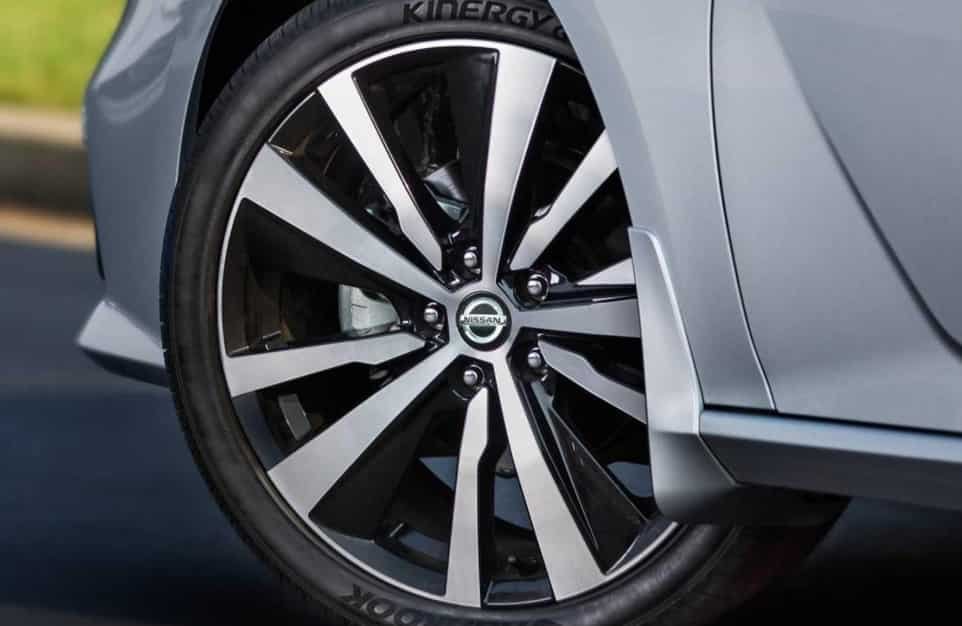
The correct tire size for a Nissan Altima depends on the model year, trim level, and wheel configuration. Each Altima generation uses specific tire specifications to match its design and driving needs.
Common Nissan Altima tire sizes include 215/60R16, 215/55R17, and 235/45R18. However, the correct fit does not only depend on the tire size number. Tire width, aspect ratio, wheel diameter, load index, and speed rating also affect vehicle performance.
The right tire size helps maintain safe handling, braking control, fuel efficiency, and driving comfort. The wrong tire size can create problems. These problems include inaccurate speedometer readings, uneven tire wear, poor handling, and wheel clearance issues.
This guide explains Nissan Altima tire sizes by year and trim level. It also explains how to read tire specifications and choose replacement tires. Whether you drive an older Altima or a newer model, this information helps you find the correct tire fitment for your vehicle.
What Size Tires Fit a Nissan Altima?
The tire size that fits a Nissan Altima depends on the model year, trim level, and factory wheel option. Most Nissan Altima models use tire sizes between 16 and 19 inches in wheel diameter. The most common OEM tire sizes include 215/60R16, 215/55R17, and 235/45R18.
Nissan selects each tire size based on the vehicle’s suspension system, weight distribution, braking system, and driving characteristics. A smaller wheel with a taller tire sidewall usually provides a smoother ride and better impact absorption. A larger wheel with a lower-profile tire usually improves steering response and gives the vehicle a sportier appearance.
The three numbers in a tire size describe important measurements. In a tire size such as 215/60R16, the number 215 represents the tire width in millimeters. The number 60 represents the aspect ratio, which shows the height of the tire sidewall compared with its width. The number 16 represents the wheel diameter in inches.
Nissan Altima owners should always check the recommended tire size before purchasing new tires. The correct specification appears on the driver-side door label, inside the owner’s manual, and on the original tire sidewall. Matching the OEM tire size helps maintain the vehicle’s intended handling, safety, and performance.
For example, a 2024 Nissan Altima with 17-inch wheels commonly uses 215/55R17 tires, while versions with larger 19-inch wheels may require 235/40R19 tires. The correct choice depends on the exact trim and wheel package installed on the vehicle.
What Are the Nissan Altima Tire Sizes by Year?
Nissan Altima tire sizes change between model years because Nissan updates wheel designs, trims, and vehicle platforms over time. Checking the correct tire size by year helps owners avoid purchasing tires that do not match the vehicle’s original specifications.
Most recent Nissan Altima models from the sixth generation use several common OEM tire sizes. The base trims usually use smaller wheel sizes that prioritize comfort and efficiency, while higher trims often use larger wheels that provide sharper handling and a more aggressive appearance.
The following table shows common Nissan Altima tire sizes by model year:
| Nissan Altima Year | Common OEM Tire Sizes |
|---|---|
| 2019 Nissan Altima | 215/60R16, 215/55R17, 235/45R19 |
| 2020 Nissan Altima | 215/60R16, 215/55R17, 235/45R18, 235/40R19 |
| 2021 Nissan Altima | 215/60R16, 215/55R17, 235/45R18, 235/40R19 |
| 2022 Nissan Altima | 215/60R16, 215/55R17, 235/45R18, 235/40R19 |
| 2023 Nissan Altima | 215/60R16, 215/55R17, 235/45R18, 235/40R19 |
| 2024 Nissan Altima | 215/60R16, 215/55R17, 235/45R18, 235/40R19 |
| 2025 Nissan Altima | 215/60R16, 215/55R17, 235/45R18, 235/40R19 |
Older Nissan Altima models use different tire specifications because they belong to earlier generations with different chassis designs. For example, older Altima vehicles commonly use 15-inch, 16-inch, or 17-inch wheels depending on the production year and trim level.
Drivers should verify the exact tire size before buying replacements because two Nissan Altima vehicles from the same year can use different tire sizes. The trim level, optional wheel package, and original equipment configuration determine the correct fitment.
How Do Nissan Altima Trim Levels Affect Tire Size?
Nissan Altima trim levels affect tire size because each version uses different wheel designs and performance settings. The S, SV, SR, SL, and Platinum trims can have different factory tire specifications even when they share the same model year.
The base Nissan Altima S trim usually focuses on comfort, efficiency, and everyday driving. It commonly uses smaller wheels with higher-profile tires, such as 215/60R16. The taller sidewall provides more cushioning from road impacts and helps create a smoother driving experience.
The Nissan Altima SV trim often uses similar tire sizes to the S trim, but some versions include larger wheel options. A 17-inch wheel setup with 215/55R17 tires is common because it balances comfort, fuel economy, and handling performance.
The Nissan Altima SR trim has a sport-oriented design and often uses larger wheels. Many SR models use 19-inch wheels with lower-profile tires such as 235/40R19. These tires provide quicker steering response because the shorter sidewall reduces tire flex during cornering.
The Nissan Altima SL and Platinum trims typically include larger wheel packages that improve appearance and driving response. Depending on the year and configuration, these trims may use 17-inch, 18-inch, or 19-inch wheel combinations.
Choosing replacement tires requires matching the original trim specification. Installing a tire size designed for another Altima trim can affect ride quality, handling balance, and vehicle clearance. Always confirm the factory tire size before selecting replacement tires.
How Do You Read Nissan Altima Tire Size Numbers?
Reading Nissan Altima tire size numbers helps drivers choose tires that match their vehicle’s requirements. Tire markings contain several measurements that describe the tire’s width, construction, wheel compatibility, load capacity, and speed capability.
A common Nissan Altima tire size is 215/60R16. Each part of this number provides specific information about the tire.
215 represents the tire width in millimeters. A wider tire usually provides a larger contact area with the road, which can improve grip during acceleration and cornering. However, wider tires can also create more rolling resistance and may affect fuel efficiency.
60 represents the aspect ratio. This number shows the tire sidewall height as a percentage of the tire width. A 60-series tire has a taller sidewall than a 45-series tire. Taller sidewalls generally provide a more comfortable ride, while lower sidewalls usually provide sharper handling.
R means the tire uses radial construction. Most passenger vehicles, including the Nissan Altima, use radial tires because they provide durability, stability, and efficient performance.
16 represents the wheel diameter in inches. This measurement must match the vehicle’s wheel size. A tire designed for a 16-inch wheel cannot fit on an 18-inch wheel.
Some tire specifications include additional numbers and letters, such as 235/45R18 94V. The number 94 represents the load index, which indicates how much weight the tire can support. The letter V represents the speed rating, which shows the maximum speed capability under proper conditions.
Understanding these numbers helps Nissan Altima owners compare replacement tires correctly. It also prevents choosing tires with incorrect dimensions that may affect safety, comfort, and vehicle performance.
Can You Put Bigger Tires on a Nissan Altima?
Nissan Altima owners can install bigger tires, but the new tire size must match the vehicle’s wheel specifications and clearance requirements. Increasing tire size is known as plus sizing, which changes the relationship between the tire width, sidewall height, and wheel diameter while keeping the overall tire diameter close to the original specification.
Many drivers choose larger tires because they want improved appearance and sharper handling. For example, upgrading from a 16-inch wheel with 215/60R16 tires to an 18-inch wheel with 235/45R18 tires can create a sportier look and provide more responsive steering. The lower sidewall reduces tire movement during cornering, which can improve road feedback.
However, larger tires also create several changes in vehicle behavior. A lower-profile tire usually provides less cushioning because the sidewall has less flexibility. This can make the ride feel firmer, especially on rough roads. Larger wheels and performance tires also often cost more because they require specialized tire sizes.
Incorrect upgrades can create problems if the new tires are too wide or have an incorrect overall diameter. Oversized tires may rub against the wheel wells, suspension components, or fenders. They can also affect speedometer accuracy because the vehicle calculates speed based on wheel rotation.
Before installing bigger tires on a Nissan Altima, owners should compare the new tire dimensions with the original OEM specifications. A safe upgrade maintains proper clearance, load capacity, and overall diameter while improving the desired driving characteristics.
What Happens If You Use the Wrong Tire Size on a Nissan Altima?
Using the wrong tire size on a Nissan Altima can affect vehicle safety, handling, fuel efficiency, and component durability. Nissan designs each Altima model with specific tire dimensions that work with the suspension system, braking system, and electronic controls.
One major problem caused by incorrect tire size is reduced handling performance. Tires that are too narrow, too wide, or have an incorrect sidewall height can change how the vehicle responds during steering and cornering. The driver may experience slower steering response, reduced stability, or an uncomfortable driving feel.
Incorrect tire dimensions can also affect speedometer accuracy. The Nissan Altima calculates vehicle speed based on wheel rotation. If a tire has a significantly different overall diameter from the original specification, the wheel rotates at a different rate. This difference can cause the speedometer and odometer readings to become inaccurate.
Another common issue is uneven tire wear. Tires with the wrong specifications may not distribute weight evenly across the contact surface. This can create excessive wear on the inner edge, outer edge, or center of the tread. Uneven wear reduces tire lifespan and may increase replacement costs.
Incorrect tire sizes can also create clearance problems. A tire that is too large or too wide may contact the wheel well, suspension components, or steering parts during turns. This contact can damage the tire and affect driving safety.
Nissan Altima owners should always match replacement tires with the manufacturer’s recommended specifications. Checking the vehicle information label and selecting the correct tire size helps maintain the original driving characteristics and safety standards.
What Tire Pressure Should a Nissan Altima Use?
The recommended tire pressure for a Nissan Altima depends on the model year, tire size, and factory wheel configuration. Most Nissan Altima models use a recommended tire pressure between 32 and 36 PSI for normal driving conditions. The exact specification comes from Nissan and appears on the vehicle information label.
Maintaining the correct tire pressure helps the tires maintain proper contact with the road surface. Underinflated tires create more rolling resistance, which can reduce fuel efficiency and increase heat buildup. Overinflated tires reduce the tire’s contact area, which can make the ride harsher and reduce traction on uneven surfaces.
Nissan Altima owners should check tire pressure when the tires are cold because driving increases tire temperature and raises PSI readings. A cold tire pressure check provides the most accurate measurement. Drivers should inspect tire pressure at least once a month and before long trips.
The correct tire pressure information is available in three main locations. The driver-side door jamb label provides the factory recommendation for the vehicle’s original tire size. The owner’s manual includes additional maintenance information. The tire sidewall shows the maximum pressure limit, but this number is not the recommended daily operating pressure.
Proper tire pressure also helps maximize tire lifespan. Correctly inflated tires wear more evenly across the tread surface and provide better braking performance, steering control, and fuel economy. For Nissan Altima owners, maintaining the recommended PSI is an important part of regular tire maintenance.
How Do You Choose Replacement Tires for a Nissan Altima?
Choosing replacement tires for a Nissan Altima requires considering driving conditions, tire performance, durability, and budget. The correct replacement tire should match the original tire size while providing the performance characteristics that fit the driver’s needs.
The first factor to consider is the driving environment. Drivers who use their Nissan Altima for daily commuting often choose all-season tires because they provide balanced performance in dry, wet, and mild winter conditions. These tires focus on comfort, predictable handling, and long tread life.
Drivers who prioritize sharper handling may choose performance tires. Performance tires use specialized tread designs and rubber compounds to improve grip during cornering and braking. They are often suitable for drivers who want a more responsive driving experience, but they may provide shorter tread life compared with touring or all-season options.
Climate conditions also influence tire selection. In areas with heavy snowfall and freezing temperatures, winter tires provide better traction because they use rubber compounds that remain flexible in cold weather. All-season tires may perform adequately in mild climates but cannot provide the same cold-weather grip as dedicated winter tires.
Tire longevity and warranty coverage are also important considerations. A tire with a higher treadwear rating usually lasts longer under normal driving conditions. However, a longer-lasting tire may prioritize durability over maximum performance.
Before purchasing replacement tires, Nissan Altima owners should confirm the correct tire size, load index, and speed rating. Selecting a tire that matches the vehicle’s specifications ensures proper fitment while maintaining safety, comfort, and driving performance.
Are All-Season Tires Suitable for a Nissan Altima?
All-season tires are suitable for most Nissan Altima drivers because they provide a balanced combination of traction, comfort, and durability. They work well for everyday driving in regions with moderate temperatures and limited snowfall.
Are Performance Tires Suitable for a Nissan Altima?
Performance tires are suitable for Nissan Altima owners who want improved steering response and cornering ability. They are commonly chosen for sport-oriented trims such as the Altima SR because these vehicles often use larger wheels and lower-profile tires.
Are Winter Tires Necessary for a Nissan Altima?
Winter tires are necessary for Nissan Altima drivers who regularly experience snow, ice, and temperatures below 45°F (7°C). Their specialized rubber compounds and tread patterns improve braking and traction in cold conditions.
What Size Tires Fit a Nissan Altima? Complete Tire Size Guide
The correct Nissan Altima tire size depends on the vehicle’s model year, trim level, and original wheel configuration. Common sizes such as 215/60R16, 215/55R17, and 235/45R18 fit many Altima models, but owners should always confirm the exact specification before buying replacement tires.
Choosing the correct tire size helps maintain the vehicle’s original handling, braking performance, fuel efficiency, and ride comfort. Tire specifications such as width, aspect ratio, wheel diameter, load index, and speed rating all affect how the vehicle performs on the road.
Nissan Altima owners should check the driver-side door label, owner’s manual, or existing tire sidewall to verify the correct fitment. These sources provide the manufacturer’s recommended specifications for each vehicle configuration.
A proper tire choice also depends on driving conditions. All-season tires work well for most daily drivers, while performance tires suit drivers who want sharper handling and winter tires provide better traction in cold and snowy conditions.
Understanding Nissan Altima tire sizes makes the replacement process easier and safer. By matching the correct specifications and selecting tires that fit their driving needs, owners can maintain reliable performance and extend tire lifespan.