
Nissan is a global car manufacturer known for reliable, practical, and performance-focused vehicles. Many people search for “Nissan high end brand” because they want to know if Nissan belongs to the luxury car market.
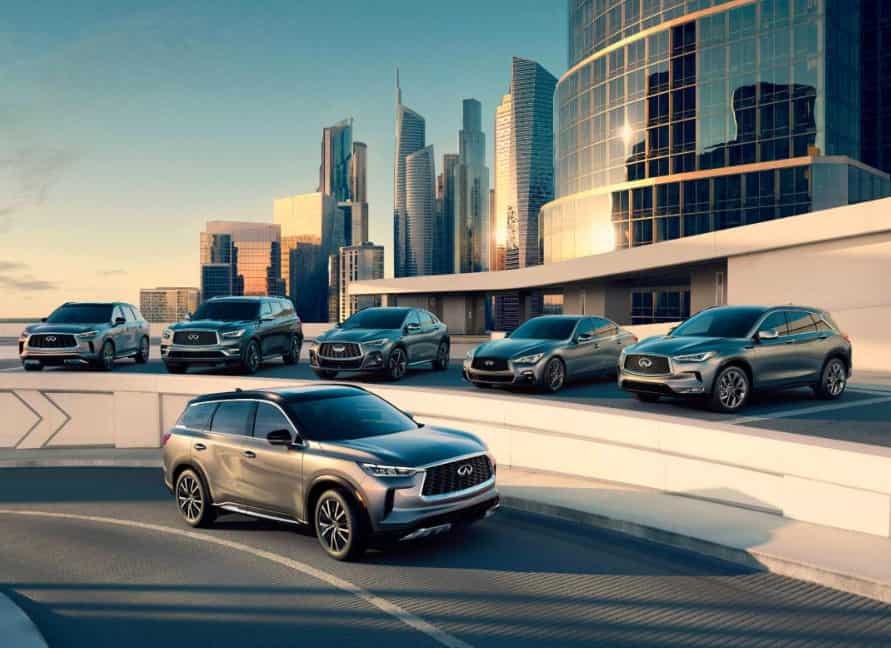
Nissan does not operate as a luxury brand, but the company created Infiniti as its high-end vehicle brand. Infiniti serves as Nissan’s premium division and competes with luxury brands such as Lexus, BMW, and Mercedes-Benz.
Japanese automakers often create separate luxury brands to reach premium customers. Toyota created Lexus, Honda developed Acura, and Nissan launched Infiniti in 1989. These brands allow manufacturers to offer higher levels of comfort, technology, design, and driving experience.
Nissan focuses on practical vehicles, advanced technology, and global mobility. Infiniti focuses on luxury features, refined designs, and premium customer experiences. However, some Nissan models also represent high-end engineering, including the Nissan GT-R, Nissan Z, Nissan Patrol, and Nissan Ariya.
This article explains Nissan’s high-end brand strategy, the difference between Nissan and Infiniti, and how Nissan compares with other Japanese luxury car manufacturers.
Does Nissan Have a High-End Luxury Car Brand?
Nissan does not have a luxury brand under the Nissan name, but it owns Infiniti, a dedicated premium vehicle brand. Nissan Motor Co., Ltd. positions Nissan as a global automotive brand that focuses on practical vehicles, advanced technology, and accessible performance. Infiniti serves a different market segment by targeting customers who want higher levels of luxury, design, and driving refinement.
The difference between Nissan and Infiniti comes from brand positioning. Nissan produces vehicles for a broad customer base, including sedans, SUVs, electric vehicles, and performance cars. Models such as the Nissan Rogue, Nissan Sentra, and Nissan Altima focus on reliability, efficiency, and everyday usability. These vehicles compete in mainstream automotive segments where price, practicality, and ownership costs are important factors.
Infiniti operates in the premium and luxury vehicle segments. The brand offers vehicles with more sophisticated interiors, stronger performance options, advanced driver assistance technology, and a more exclusive ownership experience. Infiniti models such as the QX60, QX80, and Q50 target customers who compare vehicles with Lexus, Acura, BMW, and Mercedes-Benz.
Nissan follows a similar strategy to other Japanese automotive manufacturers. Toyota does not sell luxury vehicles under the Toyota name but created Lexus to compete in the luxury market. Honda developed Acura for the same purpose. Nissan created Infiniti in 1989 to enter the premium automotive segment and challenge established luxury manufacturers.
The existence of Infiniti shows that Nissan understands the importance of separating mainstream and luxury markets. A customer looking for an affordable and practical vehicle can choose Nissan, while a customer seeking premium features and a more exclusive experience can consider Infiniti. This brand structure allows Nissan to compete across different levels of the automotive industry without changing the identity of the Nissan brand.
What Is Infiniti and Why Did Nissan Create This Luxury Brand?
Infiniti is Nissan’s luxury vehicle brand that the company created to compete in the premium automotive market. Nissan launched Infiniti in 1989 as part of a broader strategy to enter the luxury segment in North America. At that time, Japanese automakers faced strong competition from established European brands such as BMW and Mercedes-Benz.
Nissan created Infiniti because the main Nissan brand could not directly compete with luxury manufacturers. Mainstream brands usually focus on affordability, reliability, and practicality. Luxury brands need a different identity that emphasizes exclusivity, advanced technology, premium materials, and customer experience.
Infiniti introduced vehicles with features that went beyond standard Nissan models. The brand focused on refined interior design, powerful engines, advanced safety systems, and a more comfortable driving experience. Early Infiniti models, such as the Q45 luxury sedan and M series vehicles, targeted buyers who wanted Japanese engineering with a premium ownership experience.
The relationship between Nissan and Infiniti is similar to other automotive brand structures. Toyota uses Lexus to reach luxury customers, while Honda uses Acura for the same purpose. Nissan uses Infiniti to separate its premium products from its mainstream vehicle lineup.
Infiniti also helped Nissan develop advanced automotive technologies. The brand introduced features such as performance-oriented engines, driver assistance systems, and premium interior innovations before these technologies appeared across the wider Nissan lineup. This approach allowed Nissan to strengthen its reputation in areas beyond affordable transportation.
However, Infiniti’s position in the luxury market differs from brands such as Lexus, BMW, and Mercedes-Benz. While Infiniti offers premium vehicles, it has a smaller global presence and lower brand recognition compared with the leading luxury manufacturers. Its success depends on how effectively Nissan communicates Infiniti’s value, design philosophy, and technological advantages.
How Is Infiniti Different From Nissan Vehicles?
Infiniti differs from Nissan vehicles through its focus on luxury positioning, premium design, and advanced ownership experience. Nissan builds vehicles for a wide range of customers, while Infiniti targets buyers who expect more refinement, technology, and exclusivity from their vehicles.
The first major difference is the target market. Nissan focuses on customers who need reliable transportation, efficient performance, and practical features. Models such as the Nissan Sentra, Rogue, and Altima serve daily driving needs with competitive pricing and reasonable ownership costs. Infiniti focuses on customers who want a higher level of comfort and premium features, similar to buyers considering Lexus, Acura, or European luxury brands.
The second difference is vehicle design and interior quality. Nissan vehicles usually prioritize functional layouts, durability, and user-friendly technology. Infiniti models use higher-quality materials, more detailed interior designs, and additional comfort features. For example, Infiniti vehicles often include premium leather options, enhanced sound systems, and more advanced cabin technology.
The third difference is driving experience. Nissan develops vehicles that balance performance, efficiency, and practicality. Infiniti places more emphasis on responsive handling, stronger engines, and a more engaging driving feel. The Infiniti Q50 sports sedan and QX80 luxury SUV demonstrate this approach through performance-focused engineering and premium features.
The fourth difference is brand perception. Nissan has strong recognition as a dependable Japanese automotive manufacturer. Infiniti attempts to create a more exclusive image by offering fewer models with higher levels of customization and refinement. This separation helps Nissan serve both mainstream buyers and luxury customers without confusing its brand identity.
Although Infiniti uses Nissan’s engineering foundation, the two brands serve different purposes. Nissan provides accessible vehicles for everyday transportation, while Infiniti delivers a premium alternative for customers who want a more luxurious driving experience.
What Are the Most High-End Nissan Cars?
The most high-end Nissan cars include the Nissan GT-R, Nissan Z, Nissan Patrol, and Nissan Ariya. These models represent Nissan’s highest levels of performance, technology, and engineering. Although Nissan does not classify itself as a luxury brand, these vehicles demonstrate the company’s ability to create premium products for specific customer needs.
The Nissan GT-R is Nissan’s most recognizable performance vehicle. The model combines advanced engineering, all-wheel-drive technology, and a high-performance twin-turbocharged engine. Nissan developed the GT-R as a sports car that could compete with vehicles from brands such as Porsche and Chevrolet. The GT-R became known as a “supercar killer” because it delivered strong performance at a lower price point compared with many European supercars.
The Nissan Z represents Nissan’s long history of sports cars. The Z series focuses on driving enjoyment, lightweight design, and performance-oriented engineering. Models such as the Nissan 370Z and the latest Nissan Z continue the brand’s connection with sports car enthusiasts who value performance and heritage.
The Nissan Patrol represents Nissan’s premium SUV capability, especially in markets outside North America. The Patrol offers a combination of luxury features, powerful performance, and off-road capability. In regions such as the Middle East, the Patrol competes with premium SUVs like the Toyota Land Cruiser and attracts customers who want both comfort and durability.
The Nissan Ariya represents Nissan’s direction toward premium electric mobility. As an electric crossover, the Ariya combines modern design, advanced battery technology, and intelligent driving features. The model supports Nissan’s strategy to expand its position in the electric vehicle market.
These vehicles show that Nissan can create high-end products without being a traditional luxury brand. Nissan focuses on performance, technology, and innovation, while Infiniti remains the company’s primary choice for customers seeking a dedicated luxury vehicle experience.
Is Infiniti Considered a True Luxury Brand?
Infiniti is considered a luxury automotive brand because it offers premium vehicles, advanced technology, and a higher level of refinement than Nissan models. However, Infiniti does not have the same global recognition or market influence as leading luxury brands such as Lexus, BMW, and Mercedes-Benz.
A luxury car brand usually depends on several factors, including brand reputation, pricing position, customer experience, vehicle quality, and product identity. Infiniti meets many of these requirements through its premium interiors, performance-focused engineering, and exclusive vehicle lineup. The brand targets customers who want Japanese reliability combined with luxury features and a more personalized driving experience.
Infiniti differs from Nissan because it creates a stronger focus on comfort, design, and technology. Luxury buyers usually expect features such as premium materials, advanced safety systems, quieter cabins, and distinctive styling. Infiniti vehicles provide these elements through models such as the QX80 luxury SUV and QX60 premium crossover.
However, Infiniti faces stronger competition from established luxury manufacturers. Lexus has built a strong reputation for reliability and customer service, while German brands such as BMW and Mercedes-Benz have decades of luxury heritage and global recognition. Infiniti has a smaller product range and a less established luxury identity compared with these competitors.
The brand’s position is closer to a premium luxury manufacturer rather than an ultra-luxury brand. Infiniti competes in the same general market as Acura and Lexus but does not target the same segment as brands like Rolls-Royce or Bentley.
Infiniti remains an important part of Nissan’s global strategy because it allows the company to compete in the luxury vehicle market. While Nissan provides practical and accessible vehicles, Infiniti represents Nissan’s approach to premium automotive design, performance, and customer experience.
How Does Nissan Compare With Other Japanese Luxury Car Brands?
Nissan compares with other Japanese luxury car manufacturers through its Infiniti brand, while Toyota and Honda use Lexus and Acura to compete in the premium vehicle market. These three Japanese automotive groups follow a similar strategy by creating separate luxury brands instead of selling high-end vehicles directly under their main names.
Lexus represents Toyota’s approach to luxury vehicles. Toyota launched Lexus in 1989 to compete with European luxury manufacturers. Lexus built its reputation through reliability, hybrid technology, quiet driving experiences, and strong customer service. Models such as the Lexus RX, ES, and LS became popular choices for buyers who wanted luxury features with long-term dependability.
Acura represents Honda’s premium vehicle strategy. Honda created Acura in 1986 as the first Japanese luxury brand introduced in the United States. Acura focuses on performance, technology, and practical luxury. Models such as the Acura MDX and Integra combine sporty driving characteristics with everyday usability.
Infiniti represents Nissan’s position in the Japanese luxury market. Nissan created Infiniti to deliver premium vehicles with distinctive styling, strong performance, and advanced technology. Models such as the Infiniti QX80 and QX60 compete with luxury SUVs from Lexus, Acura, BMW, and Mercedes-Benz.
The main difference between these brands comes from their individual identities. Lexus emphasizes comfort, reliability, and ownership experience. Acura focuses on sporty performance and technology. Infiniti emphasizes design, driving experience, and premium craftsmanship.
Although Infiniti has the engineering support of Nissan behind it, the brand has faced challenges in building the same level of global recognition as Lexus. Lexus benefits from Toyota’s reputation for reliability, while Infiniti competes in a market where customers often prioritize brand history and prestige.
Nissan’s luxury strategy shows that Japanese manufacturers use different approaches to reach premium customers. Nissan focuses on performance and innovation through both Nissan and Infiniti, while Toyota and Honda have developed their own luxury identities through Lexus and Acura.
Should You Buy a Nissan or Infiniti Luxury Vehicle?
You should choose Nissan if you prioritize practicality and choose Infiniti if you want a more premium driving experience. Both brands share Nissan’s engineering foundation, but they serve different customer needs. The right choice depends on your expectations for price, features, comfort, and ownership experience.
Nissan vehicles are suitable for buyers who want reliable transportation, efficient performance, and reasonable maintenance costs. Nissan offers a wide range of vehicles, including sedans, SUVs, electric vehicles, and sports cars. Models such as the Nissan Rogue, Sentra, and Ariya provide modern technology and useful features without the higher price associated with luxury vehicles.
Infiniti vehicles are suitable for buyers who want more comfort, premium materials, and exclusive design. Infiniti focuses on features that luxury customers expect, such as refined interiors, advanced driver assistance systems, stronger performance options, and quieter cabins. Models such as the Infiniti QX60 and QX80 provide a more upscale experience compared with Nissan SUVs.
Price is another important difference between the two brands. Nissan vehicles usually have lower purchase prices and lower ownership costs. Infiniti vehicles cost more because they include additional luxury features, higher-grade materials, and more advanced equipment.
The ownership experience also differs between Nissan and Infiniti. Nissan focuses on accessibility by offering a large dealer network and practical vehicle options. Infiniti focuses on providing a more personalized experience that matches luxury customer expectations.
For buyers who need an affordable, dependable vehicle for daily transportation, Nissan offers a strong value proposition. For buyers who want a premium Japanese vehicle with more comfort and exclusivity, Infiniti provides a better match. Understanding the difference between these two brands helps customers select the vehicle that fits their lifestyle and priorities.
Conclusion
Nissan does not have a luxury brand under the Nissan name, but Infiniti represents Nissan’s high-end vehicle strategy. Nissan focuses on producing reliable, practical, and technology-focused vehicles for a broad customer base, while Infiniti targets buyers who want premium design, advanced features, and a more refined driving experience.
The relationship between Nissan and Infiniti follows the same approach used by other Japanese automotive companies. Toyota created Lexus, Honda developed Acura, and Nissan introduced Infiniti to compete in the premium vehicle market. This strategy allows Nissan to serve different customer segments without changing the identity of its main brand.
Nissan also creates high-end vehicles outside the Infiniti lineup. Models such as the Nissan GT-R, Nissan Z, Nissan Patrol, and Nissan Ariya demonstrate Nissan’s capabilities in performance, off-road engineering, and electric vehicle technology. These vehicles strengthen Nissan’s reputation as an innovative automotive manufacturer.
For customers searching for a Nissan high-end vehicle, the choice depends on their expectations. Nissan provides strong value, practicality, and advanced technology, while Infiniti delivers a more luxurious ownership experience. Understanding the difference between these brands helps buyers identify which Nissan-related vehicle best matches their needs.