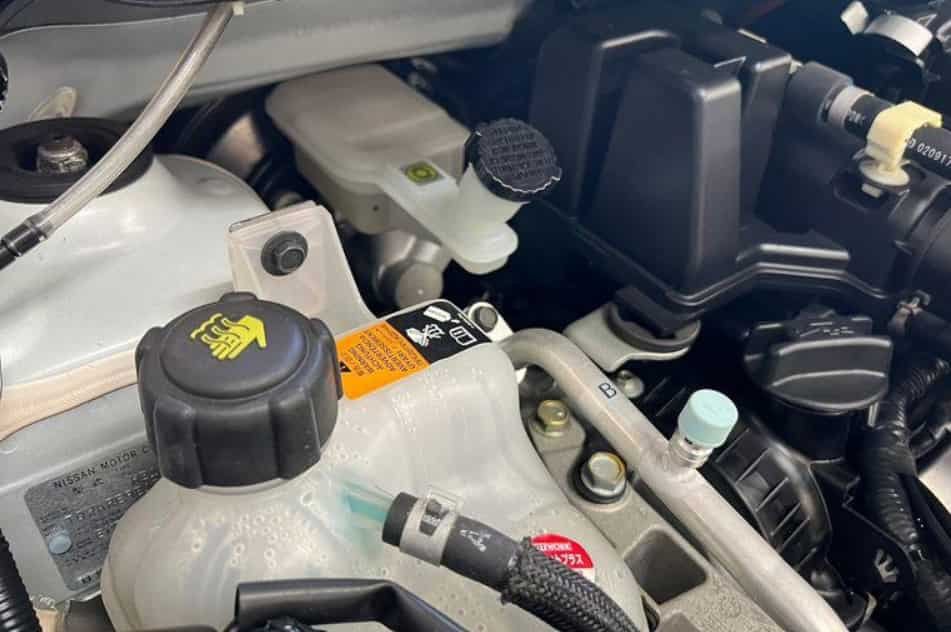
Brake fluid plays a vital role in a Nissan’s hydraulic braking system. It transfers pressure from the brake pedal to the brake components. This process allows the vehicle to slow down and stop safely.
Brake fluid does not wear through friction like brake pads. However, the fluid absorbs moisture over time. This moisture changes the fluid quality and reduces its ability to handle high temperatures.
Most Nissan vehicles need regular brake fluid inspections during scheduled maintenance. The replacement timing depends on several factors. These factors include the fluid condition, driving habits, climate, and Nissan’s recommended service schedule for each vehicle model.
Old brake fluid can reduce braking performance and affect important components. These components include the brake master cylinder, brake lines, and calipers. Replacing brake fluid at the right time helps maintain stable braking pressure and improves long-term brake system reliability.
This guide explains how often to change brake fluid on a Nissan. It also covers replacement intervals, warning signs, maintenance factors, and the risks of ignoring brake fluid service.
How Often Should You Change Brake Fluid on a Nissan?
Nissan does not use a single brake fluid replacement interval for every vehicle. The correct timing depends on the vehicle model, maintenance schedule, brake fluid condition, and driving environment. Most Nissan owners should inspect brake fluid during routine maintenance and replace it when the fluid shows signs of contamination or degradation.
Brake fluid usually needs replacement based on time rather than mileage alone. The fluid absorbs moisture from the air through the brake system over time. This process lowers the fluid’s boiling point and reduces its ability to transfer hydraulic pressure efficiently. A Nissan driven for short trips, heavy traffic, or frequent braking may require brake fluid service sooner than a vehicle used mainly for highway driving.
Many automotive service professionals recommend checking brake fluid every 12 months and considering replacement around every 2 years, depending on the vehicle condition and manufacturer guidance. Nissan owners should always check the owner’s manual for the specific maintenance requirements of models such as the Nissan Rogue, Altima, Sentra, or Pathfinder.
Regular brake fluid replacement protects key brake system components, including the brake master cylinder, brake lines, and calipers. Fresh fluid helps maintain consistent braking response and reduces the risk of moisture-related corrosion inside the hydraulic system.
Does Nissan Recommend Changing Brake Fluid Every Two Years?
Nissan does not apply the same brake fluid replacement schedule to every vehicle, but many maintenance programs use a two-year timeframe as a common reference point. This recommendation exists because brake fluid gradually absorbs moisture, even when the vehicle has low mileage. Moisture contamination changes the chemical properties of the fluid and reduces its ability to protect the brake system.
Brake fluid works under high pressure and temperature conditions. When the fluid contains excessive moisture, its boiling point decreases. During heavy braking, the fluid can produce vapor bubbles that reduce hydraulic pressure. This condition can create a soft brake pedal and reduce braking consistency.
The exact replacement interval depends on the Nissan model, driving conditions, and regional maintenance recommendations. For example, a Nissan Rogue used in city traffic with frequent stops may need brake fluid service sooner than a Nissan Sentra driven mainly on open roads. The vehicle owner’s manual provides the most accurate maintenance information for each model.
Regular brake fluid inspection helps determine whether replacement is necessary before performance problems appear. Technicians can check the fluid color, moisture level, and overall condition during brake inspections. Replacing old brake fluid at the appropriate time helps maintain reliable braking performance and prevents damage to components such as the brake master cylinder and hydraulic brake lines.
What Factors Determine When a Nissan Needs New Brake Fluid?
Several factors determine when a Nissan needs new brake fluid. The replacement timing depends on fluid condition, moisture exposure, driving habits, and vehicle usage. Mileage alone does not provide enough information because brake fluid quality changes even when the vehicle covers fewer miles.
Brake fluid absorbs moisture because it is hygroscopic, meaning it naturally attracts water from the surrounding environment. As moisture levels increase, the fluid loses heat resistance and may develop a lower boiling point. This change can affect braking performance during situations that create high temperatures, such as repeated braking on steep roads or heavy traffic conditions.
Driving conditions also influence brake fluid lifespan. A Nissan used in urban areas with frequent stops and starts places more stress on the braking system than a vehicle used mainly for highway driving. Mountain roads, towing, and aggressive driving create additional heat inside the brake system and may require more frequent brake fluid inspections.
Climate conditions also affect brake fluid quality. Vehicles operating in areas with high humidity may experience faster moisture absorption compared with vehicles in dry environments. Regular inspections help identify fluid deterioration before it affects braking reliability.
Nissan owners should consider brake fluid condition as the main factor when deciding replacement timing. A professional inspection can evaluate fluid quality and determine whether the vehicle needs a brake fluid change or a complete brake fluid flush.
What Are the Signs That a Nissan Brake Fluid Needs Replacement?
A Nissan needs new brake fluid when the fluid loses its ability to maintain stable hydraulic pressure or protect the braking system. Several warning signs can indicate brake fluid degradation, including changes in fluid appearance, brake pedal response, and overall braking performance.
Dark or dirty brake fluid is one of the most common signs of contamination. Fresh brake fluid usually has a clear or light amber color, while old fluid often becomes darker because it collects moisture, debris, and chemical breakdown products. A technician can inspect the fluid condition and measure moisture levels to determine whether replacement is necessary.
A soft or spongy brake pedal can also indicate a brake fluid problem. Old brake fluid with excessive moisture may create air bubbles when temperatures increase. These bubbles reduce hydraulic pressure and make the brake pedal feel less responsive because the braking system cannot transfer force efficiently.
Longer stopping distances may also signal degraded brake fluid, especially when other brake system problems are not present. The braking system depends on clean fluid to transmit pressure from the master cylinder to the brake calipers. When fluid quality decreases, the system may not deliver the same consistent braking force.
Nissan owners should also pay attention to brake warning lights, unusual brake behavior, or changes in pedal feel. Regular brake inspections help identify fluid problems before they affect driving safety or damage components such as brake lines and the master cylinder.
What Happens If You Do Not Change Brake Fluid on a Nissan?
Ignoring brake fluid replacement on a Nissan can reduce braking performance and increase the risk of brake system damage. Brake fluid plays an important role in transferring hydraulic pressure, so degraded fluid can affect how quickly and consistently the vehicle responds when the driver presses the brake pedal.
Old brake fluid can absorb high levels of moisture over time. This moisture lowers the fluid’s boiling point and increases the chance of vapor formation during heavy braking. When vapor enters the hydraulic system, the brake pedal may feel soft because the system cannot maintain the same pressure level.
Contaminated brake fluid can also cause internal corrosion. Moisture inside the brake system can damage metal components such as brake lines, the brake master cylinder, and calipers. These repairs often cost more than routine brake fluid replacement because they involve replacing damaged parts and performing additional brake system work.
Poor brake fluid condition can also affect driving safety in demanding situations. For example, a Nissan used for towing, mountain driving, or heavy traffic depends on reliable braking performance because the system experiences higher heat and pressure levels.
Regular brake fluid inspections help Nissan owners identify problems before they become serious. Replacing old fluid according to the vehicle’s maintenance needs protects the hydraulic brake system and helps maintain consistent stopping performance.
How Much Does It Cost to Change Brake Fluid on a Nissan?
The cost to change brake fluid on a Nissan depends on the vehicle model, service location, labor rates, and the type of brake service required. A basic brake fluid replacement usually costs less than a complete brake fluid flush because the flush process requires removing old fluid from the entire hydraulic system and replacing it with fresh fluid.
Most Nissan brake fluid services include fluid removal, system inspection, and brake bleeding to remove trapped air. The final price can increase if the technician finds additional issues, such as damaged brake lines, worn brake components, or contaminated fluid that requires extra service.
The Nissan model also affects the cost because different vehicles may have different brake system designs. For example, a Nissan Rogue, Altima, and Pathfinder use different braking components and may require different amounts of labor time during maintenance. Larger vehicles with more complex brake systems may require additional inspection and service time.
Service location is another important factor. A Nissan dealership may charge more because it uses manufacturer-specific procedures and trained technicians. Independent automotive repair shops often provide lower service costs while still performing standard brake fluid replacement procedures.
Regular brake fluid maintenance can help reduce long-term repair expenses. Replacing degraded fluid before it damages components such as the brake master cylinder or calipers is usually less expensive than repairing a neglected brake system.
What Type of Brake Fluid Does a Nissan Use?
Nissan vehicles use specific brake fluid types based on the requirements of each braking system. Most Nissan models use glycol-based brake fluid that meets DOT 3 or DOT 4 specifications. The correct brake fluid type depends on the vehicle model, production year, and manufacturer recommendations listed in the owner’s manual.
Brake fluid specifications matter because each type has different boiling points and performance characteristics. DOT 4 brake fluid generally provides a higher boiling point than DOT 3 fluid, which makes it suitable for braking systems that experience higher operating temperatures. However, Nissan owners should not choose brake fluid based only on performance ratings because the vehicle manufacturer designs the braking system for a specific fluid specification.
Using the wrong brake fluid can affect brake system performance and may damage internal components. Brake fluid must work correctly with parts such as the brake master cylinder, seals, brake lines, and calipers. The wrong chemical composition can reduce protection and create compatibility issues inside the hydraulic system.
Nissan owners should always check the owner’s manual before adding or replacing brake fluid. A qualified technician can also confirm the correct specification during a brake inspection or brake fluid service. Using the recommended fluid helps maintain consistent braking pressure and protects the hydraulic brake system over time.
What Is the Difference Between Changing Brake Fluid and Flushing Brake Fluid?
Changing brake fluid and flushing brake fluid are related maintenance services, but they involve different levels of work. A brake fluid change usually replaces part of the old fluid with fresh fluid, while a brake fluid flush removes most of the existing fluid from the hydraulic brake system and replaces it completely.
A brake fluid change is suitable when the fluid shows early signs of aging but the brake system remains in good condition. During this service, a technician removes old fluid from the reservoir and adds new fluid that meets Nissan specifications. This process helps improve fluid quality but may not remove all moisture or contaminants from the brake lines.
A brake fluid flush provides a more complete cleaning process. Technicians remove old fluid from the entire hydraulic system, including the brake lines, and replace it with fresh fluid. This service helps remove contaminated fluid, trapped moisture, and other particles that may affect braking performance.
Nissan owners may need a brake fluid flush when the fluid contains high moisture levels, appears heavily contaminated, or when the vehicle has gone beyond the recommended maintenance interval. A professional brake inspection can determine whether a standard replacement or a complete flush is the better option.
Understanding the difference between these services helps Nissan owners choose the correct maintenance procedure. Regular brake fluid service protects components such as the brake master cylinder, calipers, and brake lines while maintaining reliable braking performance.
Should You Change Brake Fluid When Replacing Nissan Brake Pads?
Replacing brake fluid and replacing brake pads are two different maintenance services because they affect separate parts of the braking system. Brake pads create friction against the brake rotors to slow the vehicle, while brake fluid transfers hydraulic pressure from the brake pedal to the brake components.
Nissan owners do not always need new brake fluid when they replace brake pads. A brake pad replacement focuses on worn friction material, while brake fluid replacement depends on fluid age, moisture level, and overall condition. A vehicle can have new brake pads but still require brake fluid service if the fluid has become contaminated or degraded.
However, technicians often inspect brake fluid during brake pad replacement because both services involve the same brake system. If the inspection shows dark fluid, excessive moisture, or poor fluid quality, replacing the brake fluid at the same time can improve overall brake system performance.
Combining these services can also provide convenience because the vehicle already receives brake system attention. During brake pad replacement, technicians can check the brake calipers, brake lines, brake fluid level, and other components that influence braking performance.
Nissan owners should treat brake pads and brake fluid as separate maintenance items. Following the correct service schedule for each component helps maintain reliable braking performance and prevents unnecessary repairs.
How Can You Maintain Brake Fluid Quality on a Nissan?
Maintaining brake fluid quality helps a Nissan maintain reliable braking performance and reduces the risk of expensive brake system repairs. Brake fluid gradually changes over time because it absorbs moisture and collects contaminants from the environment. Regular maintenance keeps the hydraulic braking system working correctly.
The first step is following the Nissan maintenance schedule for brake inspections and fluid checks. The owner’s manual provides model-specific recommendations for service timing and fluid specifications. Regular inspections allow technicians to evaluate brake fluid condition before problems affect braking response.
Nissan owners should also avoid ignoring changes in brake performance. A soft brake pedal, reduced braking response, unusual brake behavior, or a brake warning light can indicate a problem with the brake system. Early inspection helps identify whether the issue comes from brake fluid, brake components, or another system problem.
Using the correct brake fluid specification is another important maintenance practice. Nissan vehicles require brake fluid that matches the manufacturer’s requirements because the fluid must work correctly with components such as seals, brake lines, and the master cylinder. Incorrect fluid can reduce protection and affect system reliability.
Regular brake inspections, proper fluid selection, and timely replacement create a simple maintenance routine for Nissan owners. These steps help protect the brake system, maintain consistent stopping performance, and extend the service life of important braking components.
Conclusion
Changing brake fluid on a Nissan is an important maintenance task that supports safe and consistent braking performance. Brake fluid does not wear out like brake pads, but it gradually loses quality as it absorbs moisture and collects contaminants over time. This process can reduce braking efficiency and affect important components within the hydraulic brake system.
The correct replacement interval depends on several factors, including the Nissan model, driving conditions, climate, and brake fluid condition. Many Nissan owners should inspect brake fluid regularly and consider replacement when the fluid shows signs of degradation or reaches the recommended service period.
Maintaining fresh brake fluid helps protect components such as the brake master cylinder, brake lines, and calipers. It also helps the braking system maintain stable hydraulic pressure during daily driving and demanding conditions.
Nissan owners should follow the vehicle owner’s manual, schedule regular brake inspections, and address warning signs early. Proper brake fluid maintenance is a simple preventive measure that helps avoid costly repairs and supports long-term vehicle safety.