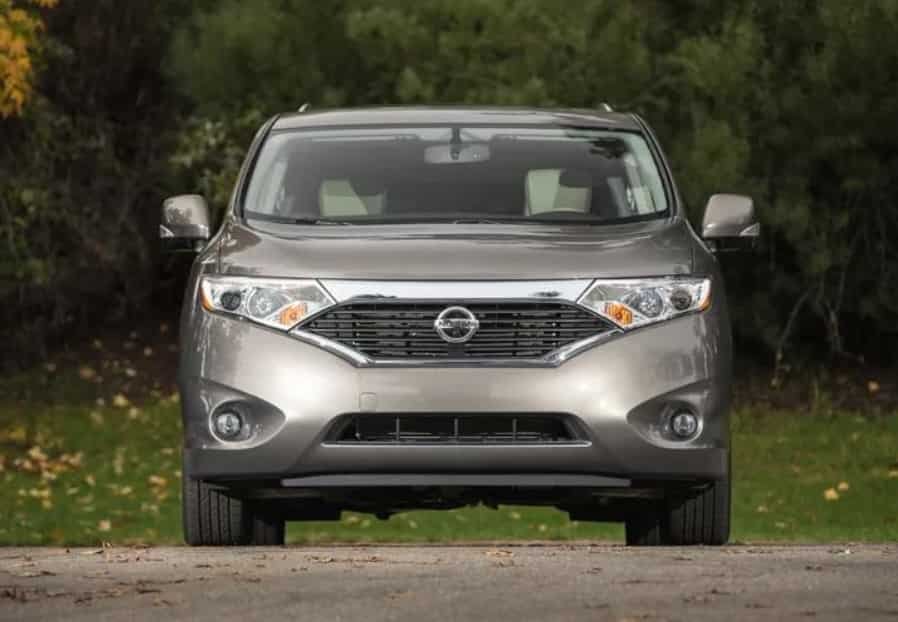
Nissan Quest problems most often affect the transmission, engine, timing chain, electrical system, power sliding doors, suspension, brakes, and climate control system. Some issues create minor inconvenience, while others lead to expensive repairs or reduce driving safety. The severity depends on the model year, mileage, maintenance history, and overall vehicle condition.
Transmission problems rank among the most expensive repairs, especially in fourth-generation models equipped with a continuously variable transmission (CVT). Drivers often notice shuddering, hesitation, delayed acceleration, or unusual noises before a major failure occurs. Older Nissan Quest models also develop timing chain wear, electrical faults, suspension noise, sliding door malfunctions, and air conditioning issues as mileage increases. These problems do not affect every vehicle, but they deserve careful inspection before you buy or continue driving a used Quest.
This guide explains the most common Nissan Quest problems, their causes, warning signs, repair severity, and the model years most likely to experience them. You will also learn how to recognize early symptoms, estimate repair risks, inspect a used Nissan Quest before purchase, and decide whether a specific vehicle is worth buying. By the end of this guide, you will understand which problems require immediate attention and which ones you can prevent with proper maintenance.
What Are the Most Common Nissan Quest Problems?
The most common Nissan Quest problems involve the transmission, engine, timing chain, electrical system, power sliding doors, suspension, brakes, and climate control system. Some issues reduce driving comfort. Others increase repair costs or affect vehicle safety. Understanding these problems helps owners recognize warning signs early. It also helps buyers evaluate a used Nissan Quest with greater confidence.
Transmission problems are the biggest concern for many owners. Common symptoms include shuddering, delayed gear engagement, hesitation, and unusual whining noises. These symptoms usually become more noticeable as mileage increases. Small drivability issues can develop into complete transmission failure if owners ignore them. Early diagnosis often prevents more expensive repairs.
Engine problems also appear frequently. Drivers may notice rough idling, poor acceleration, engine stalling, or an illuminated Check Engine Light. Worn ignition coils, aging spark plugs, failing sensors, vacuum leaks, and fuel delivery faults are common causes. High mileage vehicles may also develop timing chain wear. A metallic rattle during a cold start is often the first warning sign. Ignoring this symptom can eventually damage internal engine components.
Electrical faults affect daily convenience more than performance. A weak battery or charging system can prevent the vehicle from starting. Some owners also report problems with dashboard gauges, keyless entry, or interior electronics. These faults often require systematic testing because several electronic modules share the same communication network.
Power sliding doors create another common complaint. The doors may stop halfway, reverse unexpectedly, fail to latch, or refuse to operate electrically. Worn rollers, damaged cables, faulty motors, and dirty tracks are the most common causes. Repairing these components early usually costs less than replacing the entire mechanism after a major failure.
Suspension, brake, and climate control problems become more common as the vehicle ages. Worn suspension parts often create clunking noises, vibration, or uneven tire wear. Brake problems may cause steering wheel vibration, grinding noises, or longer stopping distances. The air conditioning system may also lose cooling performance because of refrigerant leaks, compressor failure, or blower motor faults. A neglected Nissan Quest often develops several of these issues at the same time, making ownership more expensive.
What Transmission Problems Affect the Nissan Quest?
Transmission problems are among the most serious issues reported by Nissan Quest owners. Many drivers first notice hesitation, delayed acceleration, shuddering, or a whining noise while driving. These symptoms often become worse over time. Ignoring them can lead to poor drivability and expensive repairs. Early diagnosis improves the chance of fixing the problem before major internal damage occurs.
Fourth-generation Nissan Quest models use a continuously variable transmission (CVT). Unlike a conventional automatic transmission, a CVT relies on a steel belt and variable pulleys instead of fixed gears. This design improves fuel efficiency and delivers smooth acceleration. However, worn internal components or incorrect hydraulic pressure can reduce performance and increase wear.
Several mechanical and hydraulic faults can cause transmission problems. Contaminated transmission fluid reduces lubrication and cooling performance. A failing valve body can create delayed engagement or harsh operation. Internal belt or pulley wear may cause slipping, vibration, or a noticeable loss of acceleration. Software calibration issues can also affect shift quality, although they usually require less extensive repairs than mechanical failures.
Drivers should pay close attention to early warning signs. A transmission that shudders during acceleration, hesitates when moving from a stop, or produces unusual noises should not be ignored. These symptoms often indicate that internal components are wearing faster than normal. Continuing to drive with these conditions can increase repair costs and shorten the service life of the transmission.
Repair requirements depend on the underlying cause. Replacing old transmission fluid may solve minor performance issues when contamination is the only problem. Valve body repairs address certain hydraulic faults without replacing the complete transmission. Severe internal damage usually requires a complete rebuild or replacement. A professional inspection remains the best way to identify the exact cause before repair decisions are made.
What Engine and Timing Chain Problems Occur in the Nissan Quest?
Engine and timing chain problems can reduce performance and increase repair costs if owners ignore the early warning signs. Common symptoms include rough idling, poor acceleration, engine stalling, hard starting, and an illuminated Check Engine Light. Some vehicles also produce a metallic rattling noise during a cold start. These symptoms often indicate that one or more engine components require immediate inspection.
Many engine problems result from normal wear or poor maintenance. Worn spark plugs, failing ignition coils, dirty throttle bodies, and faulty camshaft or crankshaft position sensors can all affect combustion. Vacuum leaks and fuel delivery problems may also cause unstable engine performance. In many cases, replacing these components restores normal operation before more serious damage develops.
Timing chain wear becomes more common as mileage increases. A worn timing chain, damaged chain guides, or a weak tensioner can allow the chain to loosen. This condition often creates a rattling sound for several seconds after a cold start. The noise may disappear as oil pressure builds, but the underlying problem remains. Delaying repairs allows the chain and related components to wear even faster.
A worn timing chain can affect valve timing and engine performance. Drivers may notice reduced power, poor fuel economy, rough engine operation, or repeated Check Engine Light warnings. In severe cases, the engine may fail to start because the valve timing has moved outside the acceptable range. Prompt diagnosis helps prevent additional damage and reduces the likelihood of expensive engine repairs.
Owners should never ignore persistent engine noise, repeated misfires, or warning lights. A flashing Check Engine Light, low oil pressure warning, or continuous timing chain rattle requires immediate attention. Diagnosing these problems early often limits the repair to a few worn components. Waiting too long can lead to much higher repair costs and a greater risk of internal engine damage.
What Electrical Problems Affect the Nissan Quest?
Electrical problems are common in older Nissan Quest models and high-mileage vehicles. These issues often affect convenience features before they interfere with normal driving. Many owners report repeated battery failures, dashboard warning lights, keyless entry malfunctions, or intermittent problems with interior electronics. Although these faults rarely leave the vehicle undrivable, they often require careful diagnosis because several electrical systems work together.
A weak battery is one of the most common causes of electrical trouble. An aging alternator can also prevent the battery from charging correctly. In some cases, a parasitic battery drain continues to draw power after the engine is turned off. Damaged wiring, loose ground connections, or blown fuses may produce similar symptoms. Replacing the battery without identifying the root cause often results in the same problem returning.
Electronic control modules also contribute to electrical faults. The Nissan Quest uses multiple modules to manage systems such as keyless entry, power sliding doors, lighting, and instrument displays. A communication fault between these modules can trigger warning lights or cause certain features to stop working. Moisture inside connectors or corrosion on electrical terminals may also interrupt normal operation.
Accurate diagnosis requires a systematic approach. Technicians usually begin by testing the battery and charging system. They then measure parasitic current draw and scan the vehicle for diagnostic trouble codes. The next step involves inspecting fuses, wiring, connectors, and ground points for damage or corrosion. This process helps identify the actual source of the fault instead of replacing working components.
Drivers should not ignore recurring electrical problems. A slow engine crank, dim lights, or random warning messages often appear before a complete electrical failure. Finding the cause early reduces repair costs and helps prevent additional damage to other electronic systems.
Why Do Nissan Quest Power Sliding Doors Stop Working?
Power sliding door problems are among the most common complaints from Nissan Quest owners. The doors may stop before closing, reverse unexpectedly, fail to latch, or stop responding to the power controls. These faults reduce convenience and can also create safety concerns if the doors do not close securely.
Most sliding door problems result from normal wear. Rollers wear down after years of use and no longer move smoothly along the tracks. Dirt, debris, and corrosion can also increase resistance and prevent the door from opening or closing correctly. In other cases, worn cables, weak motors, or faulty latch assemblies prevent the system from completing its normal operation.
Electrical faults can produce similar symptoms. A defective door switch, damaged wiring, or failed control module may interrupt communication between the power door components. Safety sensors can also stop the door if they detect excessive resistance or an obstruction. When one component fails, the system may reverse the door automatically to prevent damage or injury.
Regular inspection helps identify problems before they become expensive repairs. Owners should check that both sliding doors open and close smoothly with the key fob, dashboard switch, and interior controls. They should also listen for grinding, clicking, or scraping noises during operation. A door that moves unevenly or requires manual assistance often indicates worn mechanical parts.
Used vehicle buyers should test the sliding doors several times during an inspection. The doors should move smoothly, latch completely, and remain aligned with the body. Any hesitation, abnormal noise, or inconsistent operation deserves further investigation. Repairing a worn roller or cleaning the tracks is usually less expensive than replacing the motor, cable assembly, or latch after a complete system failure.
What Suspension, Steering, and Brake Problems Affect the Nissan Quest?
Suspension, steering, and brake problems become more common as the Nissan Quest ages. These systems directly affect ride quality, vehicle control, and stopping performance. Most problems develop gradually, giving drivers enough time to recognize the warning signs before a major failure occurs. Ignoring those symptoms can increase repair costs and reduce driving safety.
Suspension wear often causes clunking noises when driving over bumps or uneven roads. Drivers may also notice excessive body movement, uneven tire wear, or vibration at higher speeds. Worn control arm bushings, sway bar links, strut mounts, ball joints, and wheel bearings are among the most common causes. Replacing these components at the right time helps restore ride comfort and prevents additional suspension damage.
Steering problems usually appear as increased steering effort, vibration, or unusual noises while turning. Some vehicles also develop fluid leaks or a loose steering feel. Low power steering fluid, worn steering components, or damaged tie rod ends can all affect steering performance. Drivers should inspect these symptoms as soon as they appear because steering problems often become worse with continued use.
Brake problems require immediate attention because they directly affect vehicle safety. Common symptoms include steering wheel vibration during braking, grinding noises, a soft brake pedal, longer stopping distances, or the brake warning light. Worn brake pads, warped rotors, leaking brake fluid, or failing calipers are the most frequent causes. Delaying repairs increases stopping distance and may damage other brake components.
Routine inspections help prevent many suspension, steering, and brake problems from becoming severe. Owners should check tire wear, inspect suspension components, monitor brake performance, and pay attention to changes in steering feel. A professional inspection can identify worn parts before they affect vehicle control. Early repairs usually cost less than replacing several damaged components after a major failure.
What Air Conditioning and Interior Problems Occur in the Nissan Quest?
Air conditioning and interior problems become more common as the Nissan Quest accumulates mileage. These issues rarely prevent the vehicle from running, but they can reduce comfort and increase ownership costs. Many owners notice weak cooling performance, uneven cabin temperatures, or problems with interior features after years of regular use.
Air conditioning problems often begin with warm airflow from the vents. Some vehicles cool the front cabin normally but fail to deliver cold air to the rear passengers. Drivers may also hear clicking noises behind the dashboard or notice that certain fan speeds stop working. Refrigerant leaks, compressor wear, damaged condensers, faulty blower motors, and failed blend door actuators are the most common causes. A complete inspection helps identify the faulty component before unnecessary parts are replaced.
Interior components also wear over time. Power seat controls may stop responding, interior trim panels can become loose, and dashboard buttons may fail after years of repeated use. Some owners also report water leaks around the doors or windows. Moisture inside the cabin can damage carpets, electrical connectors, and interior materials if the problem remains unresolved for an extended period.
Owners should test every climate control function during routine maintenance or before purchasing a used Nissan Quest. The front and rear air conditioning systems should cool the cabin quickly and maintain a consistent temperature. Every fan speed should operate correctly, and the system should switch smoothly between heating and cooling modes. Buyers should also inspect the carpets for moisture and confirm that every interior control works as expected.
Most air conditioning and interior problems develop slowly instead of appearing without warning. Early repairs often cost less because they prevent additional damage to related components. A complete inspection also helps owners maintain cabin comfort and avoid unexpected repair expenses in the future.
Which Nissan Quest Model Years Have the Most Problems?
The number and type of Nissan Quest problems vary by model year and generation. Vehicle age, maintenance history, and driving conditions all influence long-term reliability. However, owner reports and repair records show that some model years experience recurring issues more often than others. Understanding these patterns helps buyers focus on the areas that deserve the closest inspection before purchasing a used vehicle.
What Problems Affect the 2004–2009 Nissan Quest?
The 2004–2009 Nissan Quest commonly develops electrical problems, power sliding door failures, suspension wear, and transmission complaints as mileage increases. Owners also report faulty dashboard gauges, interior electrical malfunctions, and premature wear of steering and suspension components. Many of these vehicles remain reliable when they receive regular maintenance, but neglected examples often require several repairs at the same time. Buyers should inspect the electrical system, test both sliding doors, and listen for suspension noise during a test drive.
What Problems Affect the 2011–2014 Nissan Quest?
The fourth-generation Nissan Quest introduced a continuously variable transmission, which changed the vehicle’s long-term reliability profile. Some owners report hesitation, poor acceleration, transmission shudder, and delayed response under acceleration. Engine stalling, timing chain noise, and electrical faults also appear in higher-mileage vehicles. A complete service history becomes especially important for these model years because regular maintenance helps reduce the risk of major mechanical problems.
What Problems Affect the 2015–2017 Nissan Quest?
The 2015–2017 Nissan Quest generally benefits from improvements introduced during the later production years, but transmission concerns still remain the most important issue to inspect. Some vehicles develop CVT shudder, vibration, hesitation, or reduced acceleration as mileage increases. Buyers should also verify that all recall work and manufacturer service updates have been completed. A smooth road test, clean diagnostic scan, and documented maintenance history provide stronger evidence of a well-maintained vehicle than the model year alone.
No single Nissan Quest model year is guaranteed to be trouble free or problem prone. A well-maintained vehicle with complete service records often proves to be a better purchase than a newer model with poor maintenance. Buyers should evaluate the overall condition, verify repair history, and arrange a professional pre-purchase inspection before making a final decision.
Does the Nissan Quest Have Any Recalls or Technical Service Bulletins?
Nissan Quest owners should check both safety recalls and Technical Service Bulletins (TSBs) before purchasing or repairing a vehicle. Although these two programs are often mentioned together, they serve different purposes. A safety recall addresses a defect that could increase the risk of an accident or injury. A TSB provides repair guidance for technicians who diagnose known problems reported by owners or dealerships.
A recall usually applies only to vehicles built within a specific production period. Owners can confirm recall eligibility by searching the vehicle identification number (VIN) in the official Nissan or National Highway Traffic Safety Administration database. If an open recall exists, an authorized Nissan dealer will normally perform the repair at no cost to the owner. Completing recall work improves safety and helps maintain the vehicle’s service history.
Technical Service Bulletins do not require manufacturers to repair a vehicle for free. Instead, they explain how technicians should diagnose or repair recurring issues. Some Nissan Quest TSBs address transmission performance, software updates, electrical concerns, or drivability complaints. Even when a bulletin does not provide free repairs, it can help technicians identify the correct solution more quickly and avoid unnecessary part replacements.
Used vehicle buyers should always verify recall status before completing a purchase. They should also ask for maintenance records that show whether previous recall work or recommended service procedures have already been completed. A documented repair history provides valuable evidence that the vehicle has received proper care throughout its life.
Checking recalls and Technical Service Bulletins requires only a few minutes, but it can prevent unexpected repair costs later. Buyers who combine this information with a professional inspection gain a much clearer understanding of the vehicle’s overall condition and any remaining risks before making a purchase decision.
How Much Do Nissan Quest Problems Cost to Repair?
The cost to repair Nissan Quest problems varies according to the failed component, labor rates, and the extent of the damage. Minor repairs are usually affordable, while major transmission or engine work can exceed the value of an older vehicle. Identifying problems early often reduces repair costs because technicians can replace worn parts before they damage other components.
Low-cost repairs usually involve routine maintenance items or small electrical components. Replacing spark plugs, ignition coils, batteries, sensors, switches, or fuses typically requires less labor than major mechanical work. These repairs also help restore engine performance and prevent additional problems from developing over time.
Moderate repair costs often involve suspension parts, wheel bearings, brake components, sliding door mechanisms, or air conditioning repairs. Worn control arm bushings, sway bar links, blower motors, and door rollers usually require both replacement parts and professional labor. Although these repairs are more expensive than routine maintenance, they normally restore the vehicle’s comfort and reliability without affecting its overall value.
Major repairs usually involve the transmission, timing chain, or internal engine components. A worn valve body, damaged timing chain, or failing CVT can require extensive labor and specialized equipment. If technicians discover additional internal damage during the inspection, the total repair cost can increase significantly. Owners should compare the repair estimate with the vehicle’s market value before approving extensive work.
Several factors influence the final repair bill. Vehicle age, mileage, local labor rates, parts availability, and previous maintenance all affect the total cost. Genuine Nissan parts often cost more than aftermarket alternatives, but they may provide better compatibility and durability. A detailed inspection also helps identify related problems that should be repaired at the same time.
Owners should request a complete diagnostic report before authorizing expensive repairs. A clear explanation of the failed components, recommended repairs, and estimated costs makes it easier to decide whether repairing the vehicle is financially worthwhile. This approach helps owners avoid unnecessary expenses and make informed decisions based on the overall condition of the Nissan Quest.
How Can Nissan Quest Problems Be Diagnosed Before They Get Worse?
Early diagnosis prevents minor Nissan Quest problems from becoming major repairs. Most serious mechanical failures begin with small warning signs that gradually become more noticeable. Drivers who respond quickly often spend less on repairs and reduce the risk of additional damage. Regular inspections also improve vehicle reliability and help owners avoid unexpected breakdowns.
Drivers should pay attention to changes in vehicle performance. A flashing Check Engine Light, transmission hesitation, engine misfires, or a persistent rattling noise should never be ignored. Other warning signs include fluid leaks, burning smells, poor acceleration, excessive vibration, and unusual steering or braking behavior. These symptoms often indicate that one system is affecting another, making early diagnosis even more important.
A professional inspection follows a logical process instead of relying on guesswork. Technicians usually begin with a full diagnostic scan to identify stored trouble codes. They then inspect fluid levels and evaluate the condition of the engine oil, transmission fluid, coolant, and brake fluid. A road test helps confirm reported symptoms and reveals problems that may not appear while the vehicle is stationary.
Additional testing depends on the symptoms. Electrical problems often require battery, alternator, and parasitic draw testing. Transmission complaints may require fluid inspection, pressure testing, and manufacturer-specific diagnostic codes. Suspension and brake concerns usually involve checking worn components, measuring brake wear, and inspecting steering parts for excessive play. Each test helps narrow the possible causes before repairs begin.
Owners should avoid replacing parts without confirming the actual fault. A warning light does not always identify the failed component, and several problems can produce similar symptoms. Accurate diagnosis saves time, reduces unnecessary repair costs, and improves the chance of fixing the problem correctly the first time. Regular maintenance and prompt inspections remain the most effective ways to extend the service life of a Nissan Quest.
How Can Nissan Quest Problems Be Prevented?
Preventive maintenance is the most effective way to reduce the risk of major Nissan Quest problems. While no vehicle is completely free from mechanical wear, regular servicing helps detect small issues before they become expensive repairs. Following the manufacturer’s maintenance schedule also improves reliability and extends the lifespan of critical components.
Engine maintenance should always remain a priority. Owners should change the engine oil and filter at the recommended intervals and use the correct oil specification. Clean engine oil reduces friction, protects internal components, and supports proper timing chain lubrication. Replacing worn spark plugs and air filters on time also helps maintain engine performance and fuel efficiency.
Transmission maintenance is equally important, especially for models equipped with a continuously variable transmission. Drivers should inspect the transmission fluid regularly and address unusual noises, hesitation, or shuddering as soon as they appear. Delaying diagnosis often allows minor transmission problems to become major internal failures that require costly repairs.
Routine inspections also help prevent electrical, suspension, and brake problems. Testing the battery, checking the charging system, and inspecting wiring connections reduce the risk of unexpected electrical failures. Suspension components, steering parts, and brake systems should receive regular inspections because worn parts can affect vehicle control and accelerate tire wear.
Owners should also inspect the power sliding doors and climate control system during routine maintenance. Cleaning the door tracks, removing debris, and checking the rollers help maintain smooth operation. Testing the air conditioning system before warm weather arrives allows small refrigerant leaks or worn components to be repaired before cooling performance declines.
Good maintenance habits protect more than individual components. They improve overall vehicle reliability, reduce long-term ownership costs, and increase resale value. Drivers who respond quickly to warning signs and complete scheduled maintenance are far less likely to experience major Nissan Quest problems than those who postpone routine service.
What Should You Inspect Before Buying a Used Nissan Quest?
A thorough inspection helps buyers identify potential Nissan Quest problems before completing a purchase. While a clean exterior and comfortable interior create a good first impression, they do not reveal the true mechanical condition of the vehicle. Buyers should inspect every major system because hidden defects can result in significant repair costs after the sale.
The inspection should begin before the engine starts. Look under the vehicle for signs of oil, coolant, or transmission fluid leaks. Check the condition of the tires and look for uneven wear, which may indicate suspension or alignment problems. Open the hood and inspect the engine bay for damaged hoses, loose wiring, or signs of neglected maintenance. A clean engine is not always a good sign because fresh cleaning may hide fluid leaks.
Start the engine when it is completely cold. Listen for timing chain rattles, rough idling, or unusual knocking sounds during the first few seconds. Watch the dashboard carefully and confirm that every warning light turns off after the engine starts. Any warning light that remains illuminated deserves further investigation before you continue the inspection.
A road test provides the best opportunity to evaluate the vehicle. The transmission should accelerate smoothly without hesitation, slipping, or shuddering. The engine should respond quickly to throttle input and maintain steady power at different speeds. The steering should feel stable, and the suspension should absorb bumps without excessive noise or vibration. During braking, the vehicle should stop smoothly without pulling to either side or causing the steering wheel to shake.
Before finishing the inspection, test every major convenience feature. Confirm that both power sliding doors operate correctly from every switch. Check the front and rear climate control systems, power windows, door locks, keyless entry, audio system, and dashboard controls. Finally, review the maintenance records and verify that recall repairs have been completed. A professional pre-purchase inspection remains the best investment because it can identify problems that are difficult to detect during a short test drive.
Is a Used Nissan Quest Worth Buying?
A used Nissan Quest can still be a good purchase when it has been properly maintained and shows no signs of major mechanical problems. The vehicle offers a spacious cabin, comfortable seating, and practical features that appeal to families. However, buyers should evaluate its condition carefully instead of relying on the model year alone. A well-maintained Nissan Quest often provides better value than a newer vehicle with an incomplete service history.
The transmission deserves the closest attention during the buying process. The vehicle should accelerate smoothly without hesitation, shuddering, or delayed response. Buyers should also listen for unusual engine noises, inspect for fluid leaks, and confirm that no warning lights remain illuminated after the engine starts. A complete maintenance history provides additional confidence because it shows whether the previous owner followed the recommended service schedule.
The condition of the electrical system and convenience features also influences long-term ownership costs. Both power sliding doors should operate smoothly, and every climate control function should work correctly. Buyers should also test the keyless entry system, power windows, dashboard controls, and interior electronics. Small electrical faults may appear insignificant at first, but several minor problems can quickly increase repair expenses after purchase.
A professional pre-purchase inspection remains one of the best investments before buying any used Nissan Quest. An experienced technician can identify hidden transmission wear, suspension damage, engine problems, or electrical faults that may not appear during a short test drive. Spending a small amount on an inspection often prevents much larger repair bills later.
A used Nissan Quest is worth buying when it passes a thorough inspection, has complete service records, and performs well during a road test. Buyers should avoid vehicles with persistent transmission problems, timing chain noise, multiple warning lights, or evidence of poor maintenance. Choosing a well-maintained example greatly improves the ownership experience and reduces the risk of expensive repairs.
Conclusion
Nissan Quest problems range from minor electrical faults to expensive transmission and engine repairs. The most serious concerns usually involve the CVT, timing chain, and braking system because these components directly affect vehicle performance and safety. Other issues, including power sliding door failures, suspension wear, and climate control problems, become more common as the vehicle ages but often remain manageable with proper maintenance.
Buying or owning a Nissan Quest requires more than checking the model year. A complete maintenance history, a careful road test, and a professional inspection provide a much clearer picture of the vehicle’s condition. Paying attention to early warning signs also helps owners repair small problems before they develop into major mechanical failures.
A well-maintained Nissan Quest can still provide dependable transportation and practical family space for many years. Before making a purchase, inspect the transmission, engine, electrical system, and convenience features carefully. Verifying recall history and service records will further reduce the risk of unexpected repairs. Taking these steps allows buyers to make a confident decision based on the vehicle’s actual condition rather than its age alone.