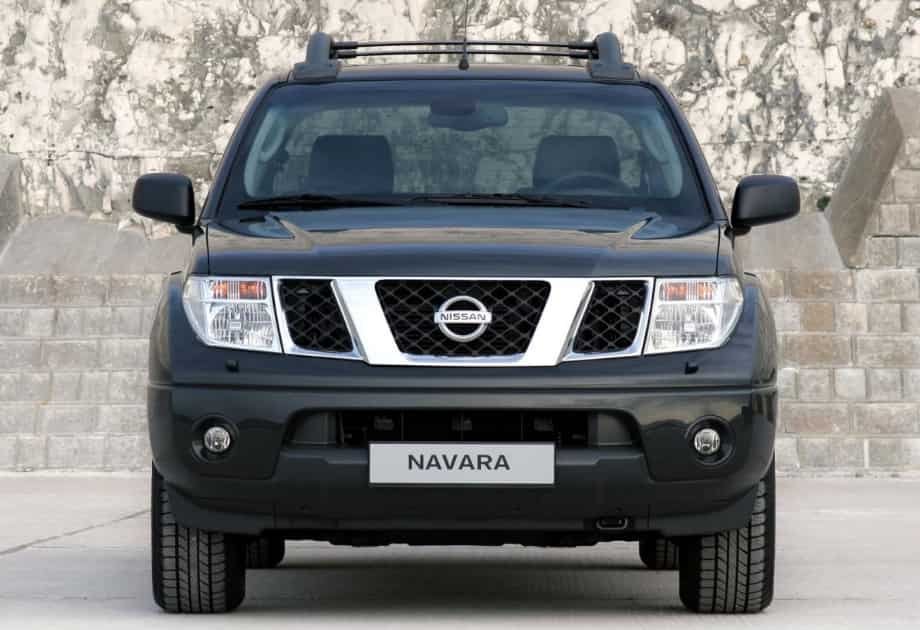
The most common Nissan Navara D40 problems include timing chain wear, turbocharger faults, injector failure, overheating, transmission issues, chassis corrosion, suspension wear, and electrical faults. Some failures cause minor inconvenience, while others can lead to major engine damage or make the vehicle unsafe to drive. The level of risk depends on the engine type, production year, mileage, service history, and previous operating conditions.
Diesel models can develop faults involving the timing system, fuel injectors, EGR components, turbocharger, and cooling system. Manual versions may suffer from clutch and dual mass flywheel wear, while automatic models can develop harsh shifting, delayed engagement, or transmission shudder. Older vehicles may also show corrosion around the chassis rails, crossmembers, and suspension mounting points.
Not every Nissan Navara D40 develops these problems. A vehicle with regular oil changes, correct coolant, documented repairs, and a clean chassis can remain dependable for many years. In contrast, delayed maintenance can turn a small oil leak, cooling fault, or unusual engine noise into an expensive repair.
This guide explains the main Nissan Navara D40 faults, their causes, warning signs, repair options, and prevention methods. It also shows buyers what to inspect before purchasing a used D40 and which symptoms require immediate professional diagnosis.
What Are the Most Common Nissan Navara D40 Problems?
The most common Nissan Navara D40 problems include timing chain wear, turbocharger failure, injector faults, cooling system issues, transmission problems, chassis corrosion, suspension wear, and electrical faults. Most of these issues develop gradually instead of appearing without warning. However, the risk increases when owners skip routine maintenance, ignore early symptoms, or use the vehicle under heavy towing and demanding off-road conditions.
Timing chain wear remains one of the most expensive problems because it directly affects engine timing. At first, drivers often notice a rattling or whining noise during a cold start. As the wear becomes more severe, the engine may lose power, trigger warning lights, or run unevenly. If the problem continues, the chain can jump timing and cause serious internal engine damage. Therefore, owners should investigate unusual engine noise as early as possible instead of waiting for a complete failure.
Turbocharger and fuel system faults also appear frequently on high-mileage diesel models. In many cases, a worn turbocharger reduces boost pressure and causes slow acceleration, excessive smoke, and poor fuel economy. Likewise, worn injectors can disturb fuel delivery and create rough idling, difficult starting, and unstable engine performance. Because these symptoms often overlap, technicians usually inspect the entire air and fuel system before replacing expensive components.
Cooling system failures require immediate attention because excessive heat can damage the cylinder head and other internal engine parts. For example, a leaking radiator, faulty thermostat, or worn water pump can reduce coolant circulation and raise engine temperature quickly. If the driver ignores these warning signs, overheating may lead to repairs that cost far more than fixing the original cooling fault.
Transmission, suspension, and chassis problems become more common as the vehicle ages. Automatic models may shift harshly or hesitate between gears, while manual versions often develop clutch and dual mass flywheel wear. Meanwhile, suspension components gradually wear out and produce knocking noises, steering vibration, or uneven tyre wear. In addition, some vehicles develop corrosion around the chassis rails and suspension mounting points after years of exposure to moisture, mud, or road salt. For that reason, a complete mechanical inspection should always include the drivetrain, suspension, and vehicle structure instead of focusing on the engine alone.
| Problem | Common Symptoms | Severity | Typical Repair |
|---|---|---|---|
| Timing chain wear | Rattling, whining, engine warning light | Critical | Replace timing chain components |
| Turbocharger problems | Power loss, smoke, limp mode | High | Repair or replace the turbocharger or boost components |
| Injector faults | Hard starting, rough idle, excessive smoke | High | Test and replace faulty injectors |
| Cooling system failure | Overheating, coolant loss | Critical | Repair coolant leaks and replace damaged cooling components |
| Transmission problems | Delayed shifting, slipping, vibration | High | Diagnose the transmission and repair damaged components |
| Chassis corrosion | Rust, structural deterioration | Critical | Perform a structural inspection and repair affected areas |
| Suspension wear | Knocking, steering vibration | Medium | Replace worn suspension components |
| Electrical faults | Warning lights, starting issues | Medium | Diagnose and repair faulty electrical components |
What Engine Problems Affect the Nissan Navara D40?
The Nissan Navara D40 can develop several engine problems as mileage increases, especially when previous owners neglect regular servicing. The most common issues involve the timing chain, turbocharger, fuel injectors, EGR system, and cooling system. Although these components perform different functions, they often produce similar symptoms, including poor acceleration, rough idling, increased fuel consumption, warning lights, and excessive exhaust smoke. Therefore, drivers should identify the root cause before replacing expensive parts.
Timing chain wear remains one of the most serious engine concerns because the chain controls valve timing and keeps the crankshaft and camshaft synchronized. Initially, drivers may hear a rattling or whining noise during a cold start. As the chain continues to stretch, valve timing becomes less accurate, engine performance declines, and diagnostic trouble codes may appear. If owners ignore these warning signs, the chain can skip teeth or fail completely, resulting in severe internal engine damage. For this reason, technicians recommend diagnosing abnormal timing noise as early as possible rather than waiting for obvious performance problems.
Fuel delivery problems also affect engine performance. Worn injectors may spray fuel unevenly, while contamination inside the common rail system can reduce fuel pressure. Consequently, the engine may idle roughly, hesitate during acceleration, or become difficult to start. At the same time, carbon deposits inside the EGR valve and intake manifold restrict airflow and reduce combustion efficiency. The engine control unit then adjusts fuel delivery to compensate, but performance often continues to decline if the underlying fault remains unresolved.
The cooling system plays an equally important role in engine reliability. A leaking radiator, worn water pump, blocked coolant passages, or faulty thermostat can prevent the engine from maintaining the correct operating temperature. Once overheating begins, the cylinder head, head gasket, and other internal components become vulnerable to permanent damage. Ultimately, regular oil changes, scheduled cooling system inspections, and early diagnosis provide the most effective protection against major Nissan Navara D40 engine failures.
Why Does a Nissan Navara D40 Lose Power?
A Nissan Navara D40 usually loses power because the engine cannot produce the correct combination of air, fuel, and boost pressure. In most cases, the problem develops gradually instead of appearing without warning. Drivers often notice slower acceleration, poor throttle response, or reduced towing performance before the engine enters limp mode. However, similar symptoms can result from several different faults, so an accurate diagnosis remains essential before replacing any components.
Turbocharger faults rank among the most common causes of power loss. A worn turbocharger, sticking variable vanes, damaged actuator, or boost leak can reduce the amount of compressed air entering the engine. As a result, combustion becomes less efficient and engine output declines. Split intercooler hoses can create the same symptoms because they allow pressurized air to escape before it reaches the intake manifold. Therefore, technicians normally inspect the complete boost system instead of assuming that the turbocharger has failed.
Fuel system problems can also reduce engine performance. Worn injectors, restricted fuel filters, contaminated diesel, or unstable common rail pressure prevent the engine from receiving the correct amount of fuel. Consequently, the engine may hesitate during acceleration, idle roughly, or struggle under heavy loads. Likewise, a dirty mass airflow sensor can send inaccurate airflow data to the engine control unit, causing incorrect fuel calculations and reduced power.
Airflow restrictions inside the intake system often produce similar symptoms. Carbon deposits inside the EGR valve and intake manifold gradually reduce the amount of fresh air entering the cylinders. As airflow decreases, combustion efficiency drops and fuel consumption usually increases. On models equipped with a diesel particulate filter, excessive soot accumulation can also increase exhaust backpressure and limit engine performance. In addition, the engine control unit may activate limp mode to protect critical components when it detects abnormal operating conditions.
Drivers should never rely on a single symptom when diagnosing power loss. Black smoke may indicate excessive fuel delivery, while white smoke can suggest incomplete combustion or coolant entering the cylinders. A flashing warning light, unusual turbo noise, or repeated limp mode often provides additional clues that help narrow the diagnosis. For that reason, scanning fault codes, checking live sensor data, and inspecting the air, fuel, and boost systems remain the fastest and most reliable way to identify the actual cause of reduced engine performance.
What Causes Nissan Navara D40 Turbo Problems?
Turbocharger problems in the Nissan Navara D40 usually develop because the turbocharger no longer receives adequate lubrication, operates under excessive heat, or loses boost pressure through damaged components. Although many owners assume the turbocharger fails without warning, most units show clear signs of deterioration long before complete failure occurs. Therefore, recognizing these early symptoms can reduce repair costs and prevent secondary engine damage.
Insufficient lubrication remains the leading cause of turbocharger failure. Dirty engine oil, extended oil change intervals, or restricted oil supply lines reduce the amount of lubrication reaching the turbo bearings. As friction increases, the bearings wear more quickly and allow the turbine shaft to develop excessive movement. Consequently, drivers may hear a high-pitched whining noise, notice blue exhaust smoke, or experience increased engine oil consumption. If the problem continues, the turbocharger can fail completely and release metal debris into the intake or exhaust system.
Boost control faults also reduce turbocharger performance. Split intercooler hoses, leaking boost pipes, sticking variable vanes, or a faulty turbo actuator prevent the system from maintaining the correct boost pressure. As a result, the engine loses power, accelerates more slowly, and may enter limp mode to protect critical components. In many cases, these faults produce the same symptoms as a worn turbocharger. Therefore, technicians should pressure-test the boost system before recommending a complete turbo replacement.
Excessive exhaust heat and carbon deposits can shorten turbocharger life as well. A blocked EGR system, restricted exhaust flow, or poor combustion increases exhaust gas temperature and places additional stress on the turbocharger. Meanwhile, carbon deposits can restrict the movement of variable vanes and prevent the turbo from responding smoothly at different engine speeds. Over time, these conditions reduce efficiency and increase mechanical wear even if the turbocharger itself remains structurally sound.
Drivers should investigate turbocharger symptoms as soon as they appear instead of waiting for complete failure. Loss of power, black or blue smoke, unusual whistling, repeated limp mode, and excessive oil consumption often indicate that the turbo system requires inspection. Ultimately, regular oil changes with the correct specification, timely air filter replacement, and routine inspection of boost hoses and oil supply lines remain the most effective ways to extend turbocharger service life and maintain consistent engine performance.
What Causes Nissan Navara D40 Injector Problems?
Injector problems in the Nissan Navara D40 usually occur when the fuel injectors can no longer deliver the correct amount of diesel at the required pressure. Over time, normal wear, contaminated fuel, and poor maintenance reduce injector performance and affect combustion efficiency. As a result, the engine may become difficult to start, idle roughly, lose power, or consume more fuel than expected. Although these symptoms often suggest injector failure, several other fuel system faults can produce similar results.
Internal injector wear remains one of the most common causes of poor fuel delivery. Every injector contains precision components that operate under extremely high pressure. As these components wear, fuel atomization becomes less accurate and combustion becomes less efficient. Consequently, the engine may produce excessive diesel knock, hesitate during acceleration, or emit black and white exhaust smoke. Fuel injector leak-back can also increase with age, reducing rail pressure during starting and making the engine crank longer before it fires.
Fuel contamination can shorten injector life significantly. Water, dirt, or metal particles inside the fuel system damage the injector nozzle and internal valve surfaces. Likewise, poor-quality diesel can leave deposits that restrict fuel flow and alter the spray pattern. Because modern common rail systems operate with very tight tolerances, even small amounts of contamination can reduce performance. Replacing the fuel filter at the recommended interval and purchasing diesel from reputable suppliers help reduce this risk.
Injector problems can also develop when another component in the fuel system fails. A restricted fuel filter, weak high-pressure pump, faulty fuel pressure sensor, or unstable rail pressure can prevent the injectors from operating correctly. Therefore, technicians should inspect the complete fuel system instead of replacing injectors based on symptoms alone. Live data, injector balance values, and leak-back testing often provide more reliable evidence than visual inspection.
Drivers should address injector-related symptoms as soon as they appear because continued operation can increase engine wear and fuel consumption. Hard starting, rough idling, poor acceleration, excessive smoke, and unstable idle speed all deserve immediate investigation. Ultimately, accurate diagnostic testing remains the most effective way to confirm injector failure, identify the underlying cause, and avoid unnecessary replacement of expensive fuel system components.
What Causes Nissan Navara D40 Overheating Problems?
The Nissan Navara D40 usually overheats when the cooling system can no longer remove enough heat from the engine. In most cases, overheating starts with a minor fault that gradually becomes more serious over time. Drivers may first notice a rising temperature gauge, low coolant level, or poor heater performance before the engine reaches a critical temperature. However, ignoring these early warning signs can lead to extensive engine damage and significantly higher repair costs.
Coolant leaks remain one of the most common causes of overheating. A damaged radiator, cracked hose, leaking water pump, or worn expansion tank can reduce the amount of coolant circulating through the engine. As coolant levels fall, the system loses its ability to absorb and transfer heat efficiently. Consequently, engine temperature rises more quickly, especially during heavy towing, long uphill climbs, or slow-moving traffic. Regularly checking the coolant level and repairing leaks early can prevent many overheating incidents.
Cooling system components can also fail because of age and normal wear. A faulty thermostat may remain closed and restrict coolant flow, while a blocked radiator can reduce heat dissipation even when coolant circulates normally. Meanwhile, a worn water pump may fail to move coolant through the engine at the required rate. Electric cooling fan faults or a failed viscous fan clutch can create similar problems because airflow across the radiator decreases, particularly at low vehicle speeds. Therefore, technicians should inspect every major cooling component instead of focusing on a single part.
Persistent overheating can damage critical engine components. High temperatures place excessive stress on the cylinder head, head gasket, and engine block. If the engine continues to operate while overheating, the cylinder head can warp, the head gasket can fail, and coolant may enter the combustion chambers. Drivers may then notice white exhaust smoke, coolant loss without visible leaks, bubbles inside the expansion tank, or engine misfires. These symptoms often indicate that overheating has already caused internal engine damage.
Owners should stop driving as soon as the engine begins to overheat. Continuing the journey for only a few extra kilometres can transform a relatively inexpensive cooling system repair into a complete engine rebuild. Ultimately, replacing worn cooling components on schedule, maintaining the correct coolant mixture, and investigating every temperature fluctuation remain the most effective ways to protect the Nissan Navara D40 engine from overheating-related failures.
What Transmission and Clutch Problems Affect the Nissan Navara D40?
Transmission and clutch problems become more common as the Nissan Navara D40 accumulates mileage, especially when the vehicle regularly tows heavy loads or operates in demanding conditions. Although automatic and manual models develop different faults, both can suffer from delayed power delivery, poor shifting performance, and increased drivetrain wear. Therefore, drivers should pay close attention to unusual noises, vibration, or changing shift quality before a minor issue develops into a major repair.
Automatic transmission problems often begin with harsh gear changes, delayed engagement, or noticeable hesitation during acceleration. At first, these symptoms may appear only when the transmission is cold or under heavy load. However, worn transmission fluid, contaminated valve body passages, failing shift solenoids, or a worn torque converter can gradually make the problem more frequent. As internal wear increases, the transmission may slip between gears, overheat, or enter limp mode to protect itself from further damage. Checking the transmission fluid condition and addressing abnormal shift behaviour early can significantly reduce the risk of complete transmission failure.
Manual transmission models commonly experience clutch and dual mass flywheel wear after years of normal use. As the clutch friction material becomes thinner, the clutch may begin to slip during acceleration or while towing. Drivers may also notice a higher clutch engagement point, burning smells, or reduced pulling power on steep hills. Meanwhile, a worn dual mass flywheel can create rattling noises, pedal vibration, and shudder during take-off. Hydraulic faults involving the clutch master or slave cylinder can also make gear selection difficult, even when the clutch itself remains in good condition.
Transmission problems should never be diagnosed from one symptom alone because several faults can produce similar behaviour. Low transmission fluid, worn engine mounts, damaged driveshaft components, or incorrect clutch adjustment can all affect the way the vehicle accelerates and changes gears. For that reason, technicians usually combine a road test with diagnostic scanning and mechanical inspection before recommending repairs. Ultimately, replacing transmission fluid at the recommended interval, avoiding excessive heat buildup, and investigating unusual noises or shifting problems early remain the most effective ways to extend the service life of the Nissan Navara D40 transmission and clutch system.
What Four-Wheel-Drive and Drivetrain Problems Affect the D40?
Four-wheel-drive and drivetrain problems can reduce the Nissan Navara D40’s off-road capability, towing performance, and overall drivability. In many cases, these faults develop gradually as drivetrain components wear or electrical parts begin to fail. Drivers may notice difficulty engaging four-wheel drive, vibration during acceleration, unusual noises, or a warning light on the dashboard. Although these symptoms often appear similar, they can originate from different parts of the drivetrain. Therefore, a systematic inspection is essential to identify the actual source of the problem.
Four-wheel-drive engagement problems usually involve the transfer case, actuator, position sensor, or electrical wiring. At first, the system may engage intermittently or require several attempts before switching into four-wheel drive. As the fault progresses, the indicator light may continue flashing, or the system may fail to engage altogether. Moisture, corrosion, damaged wiring, or a faulty actuator commonly interrupt communication between the control module and the transfer case. Consequently, the vehicle may remain in two-wheel drive even when additional traction is required.
Driveline vibration is another common complaint, particularly on vehicles with higher mileage or those used for frequent towing. Worn universal joints, a damaged centre support bearing, or an unbalanced propeller shaft can create noticeable vibration during acceleration. Meanwhile, excessive wear inside the differential or transfer case may produce humming, whining, or clunking noises that become louder as vehicle speed increases. Drivers often notice these sounds during acceleration or when changing from acceleration to deceleration because worn drivetrain components struggle to transfer torque smoothly.
Driving conditions can provide valuable clues during diagnosis. For example, vibration that appears only under acceleration often points to the propeller shaft or universal joints, while noise that changes during cornering may indicate differential or wheel bearing wear. Likewise, repeated clunking when selecting Drive or Reverse can suggest excessive drivetrain play rather than a transmission fault. Because several components work together, technicians normally inspect the complete drivetrain instead of replacing a single part based on one symptom.
Routine maintenance plays an important role in preventing drivetrain failures. Replacing transfer case and differential oil at the recommended intervals helps reduce internal wear, while regular inspection of universal joints, driveshafts, and seals can identify problems before they become expensive repairs. Ultimately, early diagnosis not only restores four-wheel-drive performance but also prevents unnecessary damage to other drivetrain components.
Does the Nissan Navara D40 Have Chassis Problems?
The Nissan Navara D40 can develop chassis problems, particularly on vehicles exposed to harsh environments or poor maintenance. Although not every D40 suffers from structural corrosion, rust has become one of the most widely discussed concerns among owners and buyers. In most cases, corrosion develops gradually over several years and remains hidden until it reaches an advanced stage. Therefore, every used D40 should undergo a thorough chassis inspection before purchase, regardless of its mileage or overall appearance.
Corrosion usually begins where moisture, mud, and road salt remain trapped against the steel chassis. The chassis rails, crossmembers, suspension mounting points, and areas around drainage holes often experience the highest exposure. As water and debris accumulate, the protective coating gradually deteriorates and allows rust to form underneath. Initially, owners may notice only light surface corrosion. However, untreated rust can spread deeper into the metal and eventually weaken the structural integrity of the frame.
Not all corrosion presents the same level of risk. Surface rust generally affects only the outer layer of the metal and can often be removed before applying fresh protective coating. In contrast, scaling corrosion penetrates deeper into the steel and reduces its strength over time. If corrosion progresses further, perforation may develop and create holes in the chassis. At that stage, the affected section can no longer support normal vehicle loads safely. Consequently, severe structural corrosion may require extensive repairs or make the vehicle unsuitable for continued use, depending on local inspection standards.
Drivers should also inspect the chassis for signs of previous accident damage or poor-quality repairs. Uneven welds, fresh underbody coating in isolated areas, or visible distortion around the chassis rails may indicate earlier structural work. Likewise, loose suspension mounting points or unusual tyre wear can suggest that the chassis no longer maintains correct alignment. These conditions deserve professional evaluation before the vehicle returns to regular road use.
Preventing chassis corrosion requires consistent maintenance throughout the vehicle’s life. Washing the underbody after driving through mud, coastal areas, or salted winter roads removes corrosive material before it damages the protective coating. In addition, repairing chipped paint, keeping drainage holes clear, and applying anti-corrosion treatments at regular intervals help protect exposed steel surfaces. Ultimately, routine inspections and early rust treatment remain the most effective ways to preserve the structural integrity and long-term reliability of the Nissan Navara D40.
What Suspension and Steering Problems Are Common on the D40?
Suspension and steering problems become more noticeable as the Nissan Navara D40 ages because many components experience continuous stress from rough roads, heavy payloads, and off-road driving. Although these parts naturally wear over time, delayed maintenance often accelerates the process and affects vehicle stability. As a result, drivers may experience knocking noises, steering vibration, uneven tyre wear, or reduced handling precision. Therefore, identifying worn suspension and steering components early helps maintain both safety and driving comfort.
Worn control arm bushes and ball joints rank among the most common suspension problems. These components allow the suspension to move while keeping the wheels correctly aligned. As the rubber bushes deteriorate or the ball joints develop excessive play, the suspension can no longer absorb road impacts effectively. Consequently, drivers may hear knocking sounds when driving over bumps or notice that the steering feels less responsive. If the wear continues, wheel alignment can change and cause uneven tyre wear, reducing tyre life and overall handling performance.
Shock absorbers also lose effectiveness as mileage increases. A worn shock absorber cannot control spring movement properly, allowing the vehicle body to bounce excessively after hitting uneven surfaces. Meanwhile, damaged leaf spring bushes or sagging rear springs may reduce ride height and affect load-carrying capability. These faults become even more noticeable when towing or transporting heavy cargo because the suspension struggles to maintain stability under additional weight. For that reason, owners should inspect the suspension regularly instead of waiting for obvious handling problems.
Steering issues often develop alongside suspension wear because both systems work together to keep the vehicle stable. Worn tie rod ends, steering rack components, or wheel bearings can introduce free play into the steering system and create vibration at highway speeds. Likewise, incorrect wheel alignment may cause the vehicle to pull to one side even when the steering wheel remains centred. Drivers sometimes mistake these symptoms for tyre problems, but damaged suspension or steering components frequently represent the underlying cause.
Routine inspection remains the most effective way to prevent suspension and steering problems from becoming expensive repairs. Checking bushes, ball joints, wheel bearings, and shock absorbers during regular servicing allows worn components to be replaced before they affect other parts of the suspension. Ultimately, maintaining proper wheel alignment, replacing damaged components promptly, and rotating tyres at the recommended intervals help preserve ride quality, steering accuracy, and long-term reliability in the Nissan Navara D40.
What Electrical Problems Affect the Nissan Navara D40?
Electrical problems often appear as the Nissan Navara D40 gets older. Although some faults seem minor at first, others can prevent the engine from starting or trigger multiple warning lights. In most cases, the battery, alternator, sensors, or wiring causes the problem. Therefore, technicians should complete a full electrical diagnosis before replacing expensive parts.
Battery and charging system faults are among the most common electrical issues. A weak battery can slow the starter motor, especially during cold weather. Meanwhile, a failing alternator cannot maintain the correct charging voltage. As a result, the battery gradually loses charge and electrical performance declines. Drivers may notice dim headlights, flickering dashboard lights, or repeated battery failures. If the charging system continues to deteriorate, the engine control unit may receive unstable voltage and store multiple fault codes.
Sensor failures can also reduce vehicle reliability. A faulty crankshaft or camshaft position sensor may interrupt ignition timing and fuel injection. Consequently, the engine may crank without starting, stall unexpectedly, or run unevenly. Likewise, damaged ABS wheel speed sensors can illuminate the ABS and traction control warning lights. Because modern control modules share sensor data, one failed sensor can affect several systems at the same time.
Damaged wiring and poor ground connections create another common source of electrical faults. Corroded connectors can interrupt communication between control modules. Damaged wiring insulation creates similar problems. Loose ground points also cause intermittent electrical faults that are difficult to reproduce. For example, drivers may experience random warning lights, inaccurate gauge readings, or four-wheel-drive faults that appear and disappear without warning. Moisture inside electrical connectors can make these problems even worse because corrosion increases electrical resistance over time.
Owners should never replace electrical components based only on dashboard warning lights. Instead, they should begin with a diagnostic scan and battery test. They should also inspect wiring, connectors, and ground points before replacing sensors or control modules. Ultimately, regular battery testing, clean electrical connections, and prompt wiring repairs provide the best protection against recurring electrical problems in the Nissan Navara D40.
Which Nissan Navara D40 Problems Are the Most Expensive to Fix?
Some Nissan Navara D40 problems cost far more to repair than others. In general, repair costs increase when drivers ignore early warning signs or continue driving after a fault appears. As a result, a relatively small problem can damage several related components. Therefore, early diagnosis often saves far more money than delaying repairs.
Timing chain failure usually results in the highest repair costs. A worn timing chain often begins with a rattling noise during a cold start. However, many owners continue driving because the engine still runs normally. As the chain stretches further, valve timing becomes inaccurate and engine performance declines. If the chain slips or breaks, the pistons and valves can collide, causing severe internal engine damage. Repairing this type of failure may require a complete engine rebuild or a replacement engine.
Cooling system failures can become equally expensive when drivers ignore overheating. A leaking radiator, faulty thermostat, or worn water pump may appear to be a simple repair. However, continuous overheating can warp the cylinder head or damage the head gasket. Consequently, coolant may enter the combustion chamber and create additional engine problems. Repair costs increase quickly because technicians must inspect and repair several engine components instead of replacing one faulty part.
Transmission repairs also require a significant investment. Automatic transmissions may develop slipping, delayed gear engagement, or harsh shifting as internal components wear. Meanwhile, manual models often need a new clutch and dual mass flywheel after years of heavy use. If owners continue driving with these faults, the damage can spread to other transmission components and increase the final repair bill.
Chassis corrosion can also generate substantial repair costs. Surface rust is usually inexpensive to treat when technicians find it early. In contrast, structural corrosion often requires cutting out damaged sections and welding in new steel. Severe corrosion may even exceed the vehicle’s market value. For that reason, buyers should inspect the chassis carefully before purchasing a used Nissan Navara D40. A professional inspection can identify hidden corrosion and help prevent unexpected repair expenses.
Are Some Nissan Navara D40 Model Years More Problematic?
Some Nissan Navara D40 model years have a stronger reputation for mechanical problems. However, no single model year is the worst in every market. Reliability depends on the engine, transmission, maintenance history, and operating conditions. Therefore, buyers should evaluate the vehicle’s condition instead of relying only on its production year.
Early D40 models often receive the most criticism because they have accumulated higher mileage and more years of wear. As a result, these vehicles are more likely to develop timing chain wear, injector faults, turbocharger problems, and suspension wear. Rust also becomes a greater concern because older chassis have experienced longer exposure to moisture, mud, and road salt. Even so, a well-maintained early model may prove more reliable than a newer vehicle with poor service records.
Engine specification also plays an important role in long-term reliability. Some diesel engines have a higher risk of timing chain wear or fuel system problems when owners extend oil change intervals or ignore routine maintenance. Likewise, vehicles that frequently tow heavy trailers or operate off-road often place greater stress on the engine, transmission, and drivetrain. Consequently, two vehicles from the same production year can show very different levels of reliability.
Service history often provides a better indication of future reliability than the registration year. A complete maintenance record shows whether previous owners replaced critical wear items before they failed. For example, documented timing chain replacement, cooling system repairs, and regular transmission servicing reduce the likelihood of major mechanical problems. In contrast, missing service records make it difficult to confirm how the vehicle was maintained.
Buyers should always inspect the vehicle before making a purchase. A cold start, diagnostic scan, road test, and chassis inspection provide far more useful information than the model year alone. Ultimately, the best Nissan Navara D40 is usually the one with a documented maintenance history, a solid chassis, and no signs of unresolved mechanical faults.
How Can You Check a Nissan Navara D40 Before Buying It?
A thorough inspection can reveal expensive problems before you buy a used Nissan Navara D40. Although the vehicle may look clean and drive well, hidden mechanical faults can still exist. Therefore, buyers should inspect the engine, chassis, transmission, and service history before making a final decision. A careful inspection also provides stronger evidence than mileage or model year alone.
Start by reviewing the vehicle’s service records. A complete maintenance history shows whether previous owners replaced major wear items at the correct intervals. For example, invoices for timing chain replacement, transmission servicing, and cooling system repairs indicate that the vehicle received proper care. In contrast, missing records increase uncertainty because important maintenance may have been delayed or ignored.
Inspect the engine before starting it. Check the oil level and look for signs of coolant contamination or metal particles. Examine the radiator, coolant reservoir, and engine bay for leaks. Meanwhile, inspect intercooler hoses, drive belts, and visible wiring for damage or excessive wear. A quick inspection can often reveal problems that become expensive after purchase.
A cold start provides valuable information about engine condition. Listen carefully for timing chain rattle, knocking, or excessive turbo noise. Watch the exhaust as the engine warms up. If you notice persistent white, blue, or black smoke, the engine may require further diagnosis. Likewise, warning lights that remain illuminated after startup should never be ignored.
The road test should confirm that every major system operates correctly. The engine should accelerate smoothly without hesitation or excessive smoke. The transmission should shift cleanly, and the steering should remain stable at different speeds. In addition, engage four-wheel drive if the vehicle is equipped with it and confirm that it operates correctly. Finish the inspection by checking the chassis for corrosion around the rails, crossmembers, and suspension mounting points. Ultimately, a professional pre-purchase inspection and a diagnostic scan provide the most reliable assessment before buying a Nissan Navara D40.
How Can Nissan Navara D40 Problems Be Prevented?
Most Nissan Navara D40 problems can be prevented through consistent maintenance and early diagnosis. Although some components eventually wear out, routine servicing reduces the risk of unexpected failures. As a result, owners often avoid expensive repairs and improve long-term reliability. Therefore, preventive maintenance should become part of every service schedule rather than a reaction to warning signs.
Engine oil plays a critical role in protecting the timing chain, turbocharger, and internal engine components. Owners should use the oil grade recommended by Nissan and replace it at the correct interval. Likewise, they should always install a quality oil filter during every service. Clean engine oil reduces friction, improves lubrication, and helps remove contaminants before they damage critical components. Consequently, the engine can operate more efficiently and maintain reliable performance over a longer period.
The cooling system also requires regular attention. Owners should inspect the coolant level, radiator, hoses, and water pump for signs of leaks or wear. In addition, they should replace the coolant according to the manufacturer’s service schedule. Maintaining the correct coolant mixture improves heat transfer and protects the cooling system against corrosion. As a result, the engine remains at its normal operating temperature and the risk of overheating decreases significantly.
Routine inspections of the fuel and air systems also improve reliability. Replacing the fuel filter helps protect the injectors from contamination, while a clean air filter supports efficient combustion. Meanwhile, periodic inspection of intercooler hoses, vacuum lines, and turbocharger connections can identify small leaks before they affect engine performance. Owners should also investigate unusual noises, warning lights, or excessive exhaust smoke as soon as they appear instead of delaying repairs.
The chassis and drivetrain deserve the same level of attention. Washing the underbody removes mud, road salt, and other corrosive materials that accelerate rust. Likewise, changing the transmission, transfer case, and differential fluids at the recommended intervals helps reduce internal wear. Ultimately, regular servicing, prompt repairs, and careful inspections remain the most effective ways to prevent common Nissan Navara D40 problems and extend the vehicle’s service life.
Is the Nissan Navara D40 Reliable?
The Nissan Navara D40 can be a reliable pickup when owners maintain it correctly. However, reliability depends more on service history than mileage alone. A well-maintained vehicle often delivers many years of dependable performance. In contrast, neglected examples can develop several costly mechanical problems within a short period.
The engine remains reliable when owners follow the recommended maintenance schedule. Regular oil changes help protect the timing chain, turbocharger, and internal engine components. Likewise, routine cooling system inspections reduce the risk of overheating and cylinder head damage. As a result, the engine operates more efficiently and experiences less long-term wear.
The transmission and drivetrain also influence overall reliability. Automatic models perform well when owners replace the transmission fluid at the recommended intervals. Manual versions generally remain dependable if the clutch and dual mass flywheel receive attention before excessive wear develops. Meanwhile, regular servicing of the transfer case and differentials helps prevent unnecessary drivetrain damage, especially on vehicles that tow heavy loads or travel off-road.
Chassis condition deserves equal consideration. A solid chassis usually indicates that the vehicle has received proper care throughout its life. On the other hand, advanced structural corrosion can reduce safety and increase repair costs. Buyers should inspect the chassis carefully because serious rust often develops underneath the vehicle long before it becomes visible from the outside.
Maintenance records provide the clearest picture of long-term reliability. Service invoices confirm whether previous owners replaced major wear items before they failed. For example, documented timing chain repairs, cooling system maintenance, and transmission servicing reduce the likelihood of expensive future repairs. Ultimately, a Nissan Navara D40 with a complete service history, a healthy engine, and a corrosion-free chassis is generally a more reliable choice than a lower-mileage vehicle with poor maintenance records.
Should You Buy a Used Nissan Navara D40?
A used Nissan Navara D40 can be an excellent purchase when it has been maintained properly. However, buying the wrong vehicle can lead to expensive repairs within a short time. Therefore, buyers should focus on the vehicle’s condition instead of its age or mileage alone. A careful inspection usually provides a much clearer picture of future reliability.
A good example should have a complete service history and evidence of routine maintenance. Service records should confirm regular oil changes, cooling system maintenance, and transmission servicing. In addition, invoices for major repairs, such as timing chain replacement or clutch replacement, often add value because they reduce the likelihood of future failures. A documented repair history also shows that previous owners addressed problems before they became more serious.
The engine should start easily from cold and idle smoothly. Listen for timing chain noise, turbo whine, or abnormal knocking during the first few minutes of operation. Likewise, check the exhaust for excessive white, blue, or black smoke after the engine reaches normal operating temperature. During the road test, the vehicle should accelerate smoothly, shift cleanly, and maintain a stable operating temperature. Every warning light should switch off after startup unless a genuine fault exists.
The chassis deserves the same level of attention as the engine. Inspect the chassis rails, crossmembers, and suspension mounting points for corrosion or poor-quality repairs. Meanwhile, check the suspension, steering, and four-wheel-drive system for unusual noises or excessive vibration. A professional pre-purchase inspection and a diagnostic scan can reveal hidden faults that are difficult to identify during a short test drive.
A used Nissan Navara D40 is worth buying when it has a healthy engine, a solid chassis, and a documented maintenance history. In contrast, buyers should avoid vehicles with severe structural corrosion, repeated overheating, persistent timing chain noise, transmission slipping, or missing service records. Ultimately, choosing the best-maintained example is far more important than choosing the newest model year, and that approach usually delivers the lowest long-term ownership costs.
Conclusion
The Nissan Navara D40 can remain a dependable pickup when owners maintain it properly and address problems early. Although the model has several well-known weaknesses, most major failures begin with clear warning signs rather than sudden breakdowns. Therefore, recognising unusual noises, warning lights, coolant loss, or changes in engine performance can prevent minor faults from becoming major repairs.
Timing chain wear, cooling system failures, turbocharger faults, injector problems, transmission issues, and chassis corrosion deserve the closest attention because they can generate the highest repair costs. However, these risks do not affect every vehicle in the same way. A complete service history, regular maintenance, and professional repairs significantly improve long-term reliability and reduce the likelihood of unexpected failures.
Anyone considering a used Nissan Navara D40 should complete a thorough inspection before making a purchase. A cold start, road test, diagnostic scan, and detailed chassis inspection provide valuable information that visual checks alone cannot reveal. In addition, maintenance records often tell a more accurate story than the vehicle’s age or mileage.
Ultimately, the Nissan Navara D40 remains a practical and capable pickup for work, towing, and off-road driving when buyers choose the right example. Prioritising vehicle condition over model year, repairing faults promptly, and following the recommended maintenance schedule will help reduce ownership costs and improve reliability throughout the vehicle’s service life.