
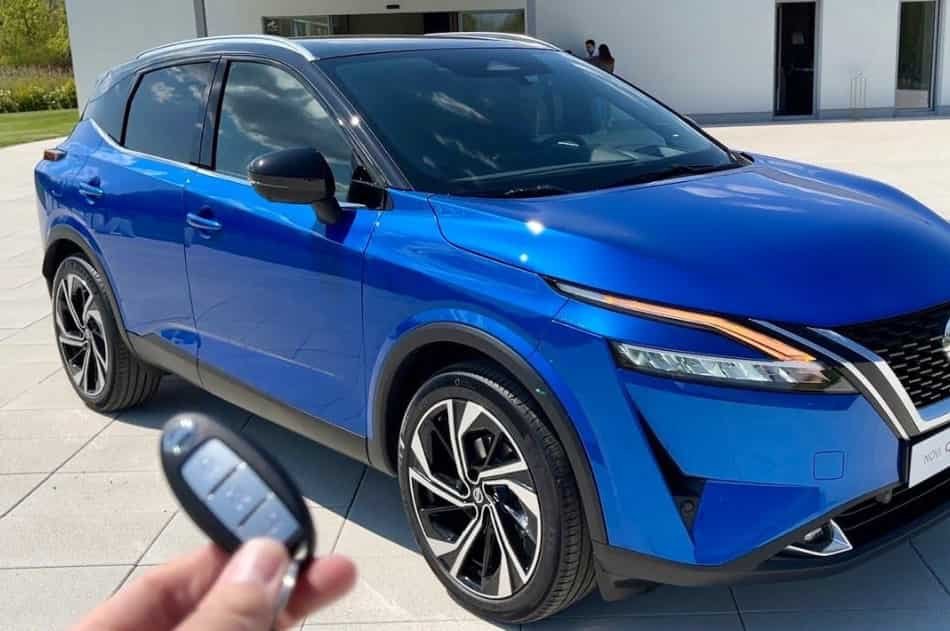
A Nissan Qashqai usually stops locking because the key fob battery is weak, a door remains open, the vehicle battery loses power, or the central locking system develops a fault. The exact cause depends on the symptoms. A single door that will not lock often points to a local component. When every door fails, the problem usually involves the key, power supply, or control system.
Start with the simplest checks before replacing any parts. Close every door and the tailgate completely. Remove the Intelligent Key from the cabin and test the spare key. Next, replace the key fob battery if the remote responds slowly or works only at a short distance. These checks solve many locking problems without special tools.
If the fault remains, inspect the vehicle battery, the central locking fuse, the door lock actuator, and the Body Control Module. Each component creates different symptoms, so identifying the pattern saves both time and repair costs.
This guide explains the most common causes of Nissan Qashqai locking problems. It also shows how to diagnose each fault, choose the correct repair, and decide when professional assistance is the safest option.
Why Is My Nissan Qashqai Not Locking?
A Nissan Qashqai usually stops locking because the central locking system cannot complete the lock command. In most cases, one of seven faults causes the problem. These include a weak key fob battery, an open door or tailgate, an Intelligent Key left inside the vehicle, a weak 12-volt battery, a blown fuse, a failed door lock actuator, or an electrical fault in the Body Control Module. Each fault creates different symptoms, so identifying the pattern is the fastest way to reach the correct repair.
The key fob is the first component to inspect because it controls every locking command. A weak battery reduces the signal strength and limits the operating range. You may need to stand close to the vehicle before the doors respond. In some cases, the unlock button continues to work while the lock button becomes unreliable. Testing the spare key quickly confirms whether the problem comes from the original key or the vehicle itself.
The locking system also depends on accurate information from every door and the tailgate. If one door remains slightly open, the control module may reject the lock command. The same situation occurs when the tailgate does not latch completely or a door-ajar switch reports an incorrect position. Some models lock and then unlock immediately because the system detects that one opening is not secure. This behaviour protects the vehicle from locking with an unsecured door.
Electrical power plays an equally important role. The central locking system requires stable voltage to operate the actuators, the Intelligent Key receiver, and the Body Control Module. A weak vehicle battery can slow the actuators or prevent them from moving altogether. A blown fuse interrupts power to the locking circuit, while damaged wiring prevents commands from reaching the affected door. When every door stops locking at the same time, these electrical faults become more likely than a single failed actuator.
Mechanical wear can also prevent the doors from locking correctly. Door lock actuators wear out after thousands of operating cycles. Internal gears may become weak, and the motor may lose enough torque to move the latch. Dirt, corrosion, or damaged linkage can create similar symptoms because the lock mechanism cannot move through its full travel. A faulty actuator usually affects only one door, while the remaining doors continue to operate normally.
The Body Control Module manages every locking command after it receives a signal from the key fob or the interior lock switch. It also monitors door status, key detection, and security functions. If the module receives conflicting information, it may refuse to lock the vehicle or unlock it immediately after locking. However, BCM failure is much less common than problems involving the key, battery, actuator, or fuse. For that reason, you should always complete the basic checks before considering module replacement.
What Should You Check First When a Nissan Qashqai Will Not Lock?
Start with the simplest checks before replacing any parts. Many Nissan Qashqai locking problems result from small issues that take only a few minutes to identify. A systematic inspection also prevents unnecessary repairs and helps you isolate the fault more quickly.
First, check every door and the tailgate. Close each one firmly and make sure nothing blocks the latch. A door that appears closed may still sit slightly out of position. When this happens, the locking system cannot confirm that the vehicle is secure. Some Qashqai models respond by refusing to lock, while others lock and unlock again within seconds.
Next, remove every Intelligent Key from the cabin and try locking the vehicle from outside. The anti lockout function prevents the doors from locking when the system detects a registered key inside the vehicle. This feature protects the driver from locking the keys inside the cabin, so it should never be mistaken for a fault.
The key fob deserves your attention before you inspect electrical components. Test the spare key if one is available. If the spare key locks the vehicle normally, the original key probably has a weak battery or an internal fault. Replacing the battery is inexpensive and often restores normal operation. If neither key works, continue with the remaining checks instead of replacing the remote.
The condition of the vehicle battery is equally important. A low battery may still start the engine, but it cannot always supply enough voltage for the central locking system. Slow door locks, weak actuator movement, and intermittent operation often indicate a power supply problem. Checking battery voltage early can save hours of unnecessary diagnosis.
Finally, compare the remote control with the interior central locking switch. If the switch locks every door but the remote does not, the problem usually involves the key fob or the Intelligent Key system. If neither control method works, inspect the fuse, wiring, door lock actuators, and the Body Control Module. Following this order allows you to eliminate the most common causes before moving to more complex electrical diagnosis.
How Can You Tell Whether the Nissan Qashqai Key Fob Is Faulty?
A faulty key fob often produces clear warning signs before it stops working completely. The easiest way to confirm the problem is to compare it with the spare key. If the spare key locks the vehicle without difficulty, the original key almost certainly causes the fault. This simple test helps you avoid replacing parts that still work correctly.
A weak key fob battery is the most common cause of poor remote performance. As the battery loses power, the signal becomes weaker and less consistent. You may need to stand closer to the vehicle before the doors respond. In some cases, the remote works only after several button presses. The operating range also becomes shorter than normal. Replacing the battery usually restores full performance within a few minutes.
The buttons themselves can also fail after years of daily use. Dust, moisture, and repeated pressure gradually wear the internal microswitches. As a result, the unlock button may continue to work while the lock button responds only occasionally or stops working altogether. If one button behaves differently from the other, the problem often lies inside the key rather than the vehicle.
Physical damage creates another common source of failure. Dropping the key onto a hard surface can crack the circuit board or loosen internal components. Water exposure may also damage the electronics even if the outside of the key looks normal. These faults often cause intermittent operation because the electrical connection changes whenever the key moves.
Dashboard messages can provide additional clues during diagnosis. A Key System warning or Intelligent Key warning may indicate that the vehicle cannot communicate with the remote correctly. However, these warnings do not always mean the key has failed. Low vehicle battery voltage, signal interference, or faults within the Intelligent Key system can produce similar symptoms. For that reason, you should always confirm the condition of both the key and the vehicle before replacing expensive components.
If both the primary key and the spare key fail to lock the vehicle, the fault probably lies elsewhere. The central locking fuse, the vehicle battery, the Body Control Module, or the door locking system becomes much more likely. Following this process allows you to identify the real cause instead of replacing a key that still functions correctly.
How Do You Replace the Nissan Qashqai Key Fob Battery?
Replacing the key fob battery is one of the easiest ways to fix a Nissan Qashqai that will not lock. A weak battery reduces the signal strength and prevents the remote from communicating with the vehicle consistently. Before replacing expensive components, install a new battery because this simple repair often restores normal locking performance.
Begin by removing the mechanical emergency key from the Intelligent Key. Carefully separate the key casing with a plastic pry tool or a small flat screwdriver. Take note of the battery position before removing it because the replacement must face the same direction. Install a new battery with the correct specification for your key model, then reassemble the casing without forcing the clips into place. Once the key is back together, stand a few metres from the vehicle and test both the lock and unlock buttons several times to confirm that the remote responds consistently.
If replacing the battery does not solve the problem, inspect the key for physical damage. Worn buttons, moisture inside the casing, or a cracked circuit board can prevent the lock command from reaching the vehicle even when the battery is new. If the spare key works correctly, the original key likely requires repair or replacement. However, if neither key operates the central locking system, the fault probably lies elsewhere. The next step is to inspect the vehicle battery, the central locking fuse, the door lock actuators, and the Body Control Module before considering more expensive repairs.
Why Does My Nissan Qashqai Lock and Then Unlock Immediately?
A Nissan Qashqai usually locks and then unlocks immediately because the system detects that one or more security conditions have not been met. The most common causes include an open door, an unlatched tailgate, an Intelligent Key left inside the vehicle, or a faulty door lock actuator. Instead of keeping the doors locked, the central locking system reverses the command to prevent accidental lockouts or indicate that the vehicle is not fully secure.
Start by checking every door and the tailgate carefully. Even a slightly misaligned latch can prevent the locking system from confirming that the vehicle is closed. Dirt, worn latch components, or a faulty door-ajar switch may also send an incorrect signal to the Body Control Module. If the dashboard continues to display an open-door warning after every door is closed, the system has already identified where the problem begins. Closing each door firmly and testing the lock again often resolves the issue without further repairs.
If every door closes correctly, remove the Intelligent Key from the cabin and test the vehicle again. Many Nissan Qashqai models automatically cancel the locking command when they detect a registered key inside the vehicle. This feature protects the driver from locking the keys inside the car. If the problem continues, listen to each door while operating the remote. A weak actuator may move the latch only part of the way before it returns to the unlocked position. When none of these checks solves the problem, inspect the vehicle battery, wiring, and Body Control Module to identify the underlying electrical fault.
Why Is Only One Nissan Qashqai Door Not Locking?
When only one Nissan Qashqai door does not lock, the fault almost always lies inside that specific door. Unlike a key fob or central locking problem, a single-door failure rarely affects the rest of the vehicle. This distinction helps narrow the diagnosis and prevents unnecessary replacement of parts that still operate correctly.
The door lock actuator is the most common cause of this problem. Every actuator contains a small electric motor that moves the locking mechanism whenever the vehicle receives a lock command. After years of regular use, the motor can wear out and lose enough power to move the latch completely. A damaged latch, a disconnected linkage rod, or dirt inside the mechanism can produce similar symptoms because the lock cannot complete its full movement. In many cases, you may hear a clicking sound from the affected door even though it never locks.
Electrical faults can also affect a single door. The wiring harness that passes through the door hinge bends every time the door opens and closes. Over time, repeated movement can damage one or more wires inside the protective rubber boot. A loose connector or corrosion around the terminals may interrupt the electrical signal before it reaches the actuator. These faults often cause intermittent locking, especially when the door changes position.
Compare the faulty door with one that works normally before replacing any components. Listen for differences in actuator noise, observe whether the lock moves fully, and test both the key fob and the interior locking switch. If every other door responds correctly, concentrate your inspection on the affected door instead of the central locking system. This approach reduces diagnostic time and leads to a more accurate repair.
How Can You Test a Nissan Qashqai Door Lock Actuator?
A faulty door lock actuator often causes one door to stop locking while the others continue to work normally. Before replacing the actuator, confirm that it is the source of the problem. A simple inspection can help you separate an actuator failure from issues involving the latch, wiring, or central locking system.
Begin by operating the lock with both the key fob and the interior locking switch. Listen carefully to the affected door and compare its sound with another door that works correctly. A healthy actuator produces a clear and consistent movement each time it receives a command. If you hear a faint click without any lock movement, the actuator motor may no longer generate enough force to move the latch. If you hear no sound at all, the actuator may not receive power, or the motor may have failed completely.
The next step is to inspect the door mechanism itself. Remove the interior door trim if necessary and check whether the linkage rods move freely. A bent rod, worn latch, or excessive dirt can stop the lock from completing its travel even when the actuator still works. Also inspect the wiring harness near the door hinge because repeated opening and closing can damage the wires inside the protective boot. A broken wire often creates intermittent faults that appear only when the door changes position.
If the mechanical parts move freely and the wiring remains intact, measure the voltage at the actuator connector while operating the lock. A correct voltage with no actuator movement usually confirms actuator failure. If no voltage reaches the connector, continue diagnosing the fuse, wiring, or Body Control Module before replacing the actuator. This step-by-step process reduces unnecessary repairs and helps identify the real source of the locking problem.
Can a Weak Car Battery Stop a Nissan Qashqai From Locking?
A weak 12-volt battery can prevent a Nissan Qashqai from locking correctly because the central locking system relies on stable electrical power. The Body Control Module, key receiver, and door lock actuators all require sufficient voltage to operate. When the battery loses capacity, the system may respond slowly, work intermittently, or fail to lock the vehicle altogether.
Battery-related locking problems often appear alongside other electrical symptoms. You may notice slow actuator movement, dim interior lights, delayed dashboard displays, or warning messages that appear without an obvious cause. In some cases, the engine still starts normally even though the battery cannot provide enough voltage for the locking system. Cold weather and an ageing battery can make these symptoms more noticeable because both conditions reduce the battery’s available power.
Check the battery before replacing expensive locking components. Measure the battery voltage with the engine switched off, then compare it with the manufacturer’s recommended range. Inspect the battery terminals for corrosion and confirm that the ground connection remains secure. If the battery is more than a few years old, consider a professional load test because a battery can show normal voltage while failing under load. A charging system fault can produce similar symptoms, so verify that the alternator charges the battery correctly after the engine starts.
If the battery passes every test, continue diagnosing the central locking system. Inspect the fuse, door lock actuators, wiring, and Body Control Module in a logical order. Eliminating the battery as a possible cause prevents unnecessary repairs and helps you focus on the components most likely to create the locking fault.
How Do You Check the Nissan Qashqai Central Locking Fuse?
A blown fuse can stop the Nissan Qashqai central locking system from working because it interrupts the electrical circuit that supplies power to the locking components. Although fuse failure is less common than a weak key fob battery or a faulty actuator, it should still be checked before replacing expensive parts. A damaged fuse often affects every door instead of a single lock, making it an important step in the diagnostic process.
Begin by locating the correct fuse box for your Nissan Qashqai model. The fuse layout varies between the J10, J11, and J12 generations, so always refer to the owner’s manual or the fuse diagram inside the fuse box cover. Switch off the ignition before removing any fuse. Once you find the central locking fuse, inspect the metal strip inside it. A broken or burnt strip usually indicates that the fuse has failed. If the damage is difficult to see, use a multimeter to check continuity because some faults remain invisible during a visual inspection.
Replace the blown fuse only with another fuse that has the same amperage rating. Installing a larger fuse can damage the wiring or electrical modules if another fault exists in the circuit. After fitting the replacement fuse, test the remote, the interior locking switch, and every door to confirm that the system operates normally. If the new fuse fails again, stop replacing fuses and investigate the underlying electrical problem. Damaged wiring, a short circuit, or a faulty component can overload the circuit and cause repeated fuse failure. Identifying the root cause will provide a permanent repair instead of a temporary fix.
Can the Body Control Module Cause Nissan Qashqai Locking Problems?
The Body Control Module, often called the BCM, can cause Nissan Qashqai locking problems because it controls the vehicle’s central locking system. It receives signals from the key fob, processes information from the door sensors, and sends commands to each door lock actuator. If the BCM cannot process these signals correctly, the vehicle may refuse to lock, unlock unexpectedly, or ignore commands from both the remote and the interior locking switch.
A faulty BCM usually creates more than one electrical symptom. The central locking system may stop working completely, while the interior lights, alarm system, or automatic locking functions also behave unexpectedly. You may also see a Key System warning on the dashboard or notice that the vehicle locks only occasionally. These symptoms do not always confirm a failed BCM because low battery voltage, damaged wiring, or a faulty door sensor can produce similar behaviour. For this reason, the BCM should never be the first component you replace.
Before suspecting the BCM, verify that the key fob battery, vehicle battery, fuse, and door lock actuators all operate correctly. Check that every door reports the correct status and inspect the wiring for loose connectors or corrosion. If these components pass inspection, scan the vehicle with a diagnostic tool that can communicate with the Body Control Module. Stored fault codes and live data often reveal whether the module receives the correct inputs and sends the correct outputs.
BCM replacement should be the final step in the repair process. Most replacement modules require programming and key registration before they operate correctly. This procedure normally requires manufacturer-specific diagnostic equipment, so a qualified workshop is the safest option when BCM failure has been confirmed.
How Do Locking Problems Differ Between Qashqai J10, J11, and J12?
Locking problems affect every Nissan Qashqai generation, but the most common causes vary between the J10, J11, and J12. Vehicle age, technology, and locking features all influence the type of fault you are most likely to encounter. Identifying the correct generation helps you diagnose the problem faster and avoid replacing parts that are still working properly.
The J10, produced between 2007 and 2013, often develops age-related mechanical and electrical faults. Door lock actuators gradually wear out after years of daily use, while wiring inside the door hinge can break because of constant movement. Corrosion around connectors and worn door latches also become more common as the vehicle ages. When only one door refuses to lock on a J10, the actuator or door wiring usually deserves the first inspection.
The J11 introduced a more advanced Intelligent Key system and additional electronic features. As a result, diagnosis often includes the key fob, request buttons, door sensors, and the Body Control Module. Locking faults may also result from a weak vehicle battery because the electronic control systems require stable voltage. Although actuator failures still occur, electronic communication problems become more common than they were on the earlier generation.
The latest J12 uses an even more integrated electronic architecture with additional convenience and security functions. Features such as advanced key detection and configurable locking settings can influence how the system behaves. Before diagnosing a fault, confirm that the locking settings match the driver’s preferences and that the vehicle software is operating correctly. Regardless of generation, a logical inspection that begins with the simplest checks remains the fastest and most reliable way to identify the true cause of the problem.
How Can You Lock a Nissan Qashqai Manually in an Emergency?
You can lock a Nissan Qashqai manually by using the mechanical emergency key when the key fob stops working or the vehicle battery loses power. This method secures the vehicle until you can diagnose and repair the fault. Although manual locking does not fix the underlying problem, it allows you to protect the vehicle when the central locking system becomes unavailable.
Start by removing the mechanical key from the Intelligent Key. Locate the key release button and slide the emergency key out of the fob. Insert the key into the driver’s door lock cylinder. Some Qashqai models hide the lock cylinder behind a small plastic cover, so remove the cover carefully if necessary. Turn the key in the locking direction until the driver’s door locks securely. After locking the driver’s door, check every remaining door and the tailgate because the procedure differs between model generations. Some vehicles lock every door automatically, while others require each door to be locked individually from inside before closing it.
Once the vehicle is locked, confirm that every door remains secure by pulling each exterior handle gently. If one door still opens, inspect the latch before leaving the vehicle unattended. A faulty actuator or damaged latch can prevent that door from locking even when the driver’s door locks manually. You should also avoid forcing the key if it feels difficult to turn because excessive force can damage the lock cylinder. Manual locking is only a temporary solution. If the key fob, central locking system, or electrical components continue to malfunction, arrange a proper diagnosis to restore normal operation and maintain the vehicle’s security.
How Much Does It Cost to Fix a Nissan Qashqai That Will Not Lock?
The cost to repair a Nissan Qashqai that will not lock depends on the failed component rather than the locking symptom itself. Simple repairs usually cost much less than electrical diagnosis or module replacement. For this reason, identifying the exact fault before replacing any parts is the most effective way to control repair costs and avoid unnecessary expenses.
A key fob battery is usually the least expensive repair because it takes only a few minutes to replace. Replacing a damaged key shell or repairing worn buttons also costs relatively little if the electronic circuit remains intact. Expenses increase when the entire key requires replacement because the new key often needs programming before it will communicate with the vehicle. Door lock actuators also represent a common repair. The part itself is usually affordable, but labour costs increase because the technician must remove the interior door trim and disconnect several components before installing the replacement actuator.
Electrical faults often require more diagnostic time than mechanical failures. A damaged wiring harness, corroded connector, or intermittent electrical fault can take longer to locate because technicians must test each circuit individually. If the Body Control Module requires replacement, the overall repair becomes more expensive due to programming, configuration, and key registration. Labour rates also vary between regions, independent workshops, and authorised Nissan service centres, so the final cost may differ even when the repair is identical.
The most cost-effective approach is to begin with the simplest inspections. Check the key fob battery, vehicle battery, fuse, and door latches before replacing larger components. A careful diagnosis often reveals a minor fault that costs far less to repair than many owners initially expect.
When Should You Take the Nissan Qashqai to a Repair Shop?
Some Nissan Qashqai locking problems require professional diagnosis because they involve complex electrical systems or specialised equipment. While many faults can be resolved by replacing a key fob battery or checking a fuse, others demand advanced testing to identify the exact cause. Seeking professional assistance at the right time can prevent unnecessary repairs and reduce the risk of further damage.
Arrange a workshop inspection if the vehicle cannot be locked with either the key fob or the mechanical key. You should also seek professional help if every door stops locking at the same time, the replacement fuse continues to fail, or the dashboard displays a persistent Key System warning. These symptoms often indicate a deeper electrical fault involving the wiring, the Body Control Module, or the Intelligent Key system. Water damage, accident repairs, and visible wiring faults also require careful inspection because they can affect multiple electrical circuits throughout the vehicle.
A qualified technician has access to manufacturer-level diagnostic equipment that communicates directly with the Body Control Module. This equipment can read fault codes, monitor live data, and test individual components that cannot be checked with a basic scan tool. The results help identify whether the problem comes from a failed actuator, damaged wiring, incorrect sensor input, or a control module fault. This process saves time and reduces the chance of replacing parts unnecessarily.
Do not ignore an intermittent locking fault, even if the vehicle locks normally most of the time. Electrical faults often become more severe over time and may eventually leave the vehicle unsecured. An early diagnosis usually costs less than repairing additional damage caused by a fault that continues to develop.
How Can You Prevent Future Nissan Qashqai Locking Problems?
Regular maintenance is the best way to prevent Nissan Qashqai locking problems. Most locking faults develop gradually instead of appearing without warning. Paying attention to small changes in the system allows you to fix minor issues before they become expensive repairs. A few simple checks performed throughout the year can significantly improve the reliability of the central locking system.
Replace the key fob battery as soon as the remote begins to lose range or responds inconsistently. Test the spare key several times each year to confirm that it still operates correctly. Keeping both keys in good condition makes diagnosis much easier if a locking problem develops later. At the same time, maintain the 12-volt battery because low voltage affects many electronic systems, including the central locking system. Clean battery terminals and secure connections also help maintain stable electrical performance.
Door latches and lock mechanisms also benefit from regular inspection. Remove dirt and debris from the latch area, especially after driving on dusty roads or during winter conditions. If a door becomes difficult to close or produces unusual noises, inspect the latch before the problem becomes worse. A stiff mechanism places additional strain on the door lock actuator and can shorten its service life. Addressing these early warning signs often prevents actuator failure and reduces future repair costs.
You should also inspect the locking system after accident repairs, door replacement, or electrical work. Confirm that every door locks and unlocks correctly before returning the vehicle to normal use. If you notice intermittent faults, unusual actuator sounds, or dashboard warning messages, investigate them promptly instead of waiting for a complete failure. Early diagnosis protects the locking system, improves vehicle security, and helps avoid more complex repairs later.
What Is the Best Way to Fix a Nissan Qashqai That Is Not Locking?
The best way to fix a Nissan Qashqai that is not locking is to identify the source of the fault before replacing any parts. Although several components can prevent the doors from locking, the symptoms usually point to the correct diagnosis. A problem that affects one door often indicates a faulty actuator, damaged wiring, or a worn latch. If every door fails to lock, the cause is more likely to involve the key fob, the vehicle battery, the central locking fuse, or the Body Control Module.
Always begin with the simplest checks. Confirm that every door and the tailgate close completely, then remove the Intelligent Key from the cabin and test the spare key. Replace the key fob battery if the remote works only at a short distance or responds inconsistently. If the problem remains, inspect the vehicle battery, check the central locking fuse, and compare the operation of each door. This logical process eliminates the most common faults before moving to more advanced electrical diagnosis.
A systematic approach saves both time and money because it prevents unnecessary parts replacement. Many locking problems result from weak batteries, worn actuators, or minor electrical faults rather than expensive control modules. If basic inspections do not identify the cause, professional diagnostic equipment can test the Body Control Module, monitor live system data, and locate faults that are difficult to detect during a visual inspection. Following this order provides the fastest and most reliable solution while ensuring that your Nissan Qashqai remains secure and operates as intended.