
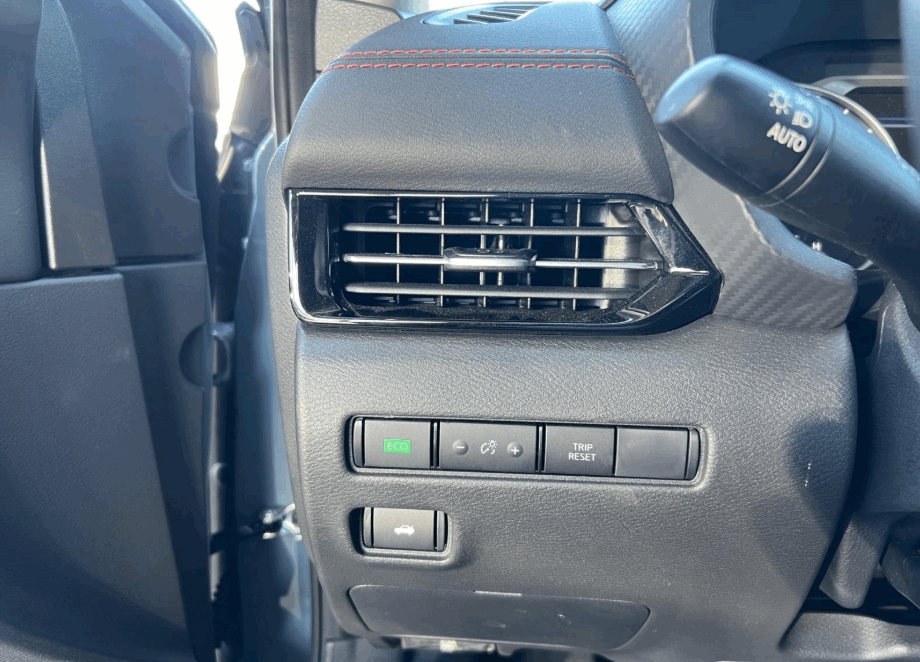
Not every Nissan Sentra has a dedicated TPMS reset button. The location and reset method depend on the model year and TPMS configuration. Some models require a manual reset or relearn procedure. Others monitor tire pressure automatically and do not give the driver a physical reset button. Check your model year before searching around the dashboard for one.
The Tire Pressure Monitoring System, or TPMS, alerts you when it detects low tire pressure or a system fault. Always check the tire pressure before trying to reset the system. Use the recommended pressure on the tire information placard for your Sentra. Do not use the maximum pressure on the tire sidewall as your target PSI.
A TPMS light may stay on even after you correct the tire pressure. The system may need driving time to update its readings. A faulty sensor or an incomplete relearn can also keep the light on. This guide explains where to look for the TPMS reset button on a Nissan Sentra. It also covers the correct reset process, model year differences, and common TPMS problems.
Where Is the TPMS Reset Button on a Nissan Sentra?
Not every Nissan Sentra has a physical TPMS reset button. The exact setup depends on the model year and TPMS system. If your Sentra has a dedicated button, check the driver side dashboard area first. Look below the steering wheel and around the lower instrument panel. However, do not assume that you will find a button there on every Sentra.
Many Nissan Sentra models use a TPMS relearn process instead of a simple button reset. The system receives pressure data from sensors inside the wheels. It then compares that information with the conditions required by the TPMS. Correcting low tire pressure may allow the system to update without pressing a physical reset button.
This difference explains why generic Nissan instructions can cause confusion. A reset procedure for one Nissan model or Sentra model year may not work on another. Dashboard controls and TPMS functions have changed across vehicle generations. You should identify your Sentra’s model year before following a specific reset procedure.
Check the owner’s manual when you cannot find a TPMS reset button near the steering wheel or lower dashboard. The manual provides instructions for the TPMS configuration installed in that vehicle. It can also indicate whether the system requires a driving cycle, relearn procedure, or diagnostic equipment.
Finding no button does not mean the TPMS has no reset method. Your Sentra may simply manage the process through its tire pressure sensors and electronic control system. Start by correcting the tire pressure. Then follow the reset or relearn procedure that matches your specific Nissan Sentra.
Does Every Nissan Sentra Have a TPMS Reset Button?
No, not every Nissan Sentra has a dedicated TPMS reset button. Nissan has used different TPMS configurations across Sentra model years. For this reason, a reset method that works on one Sentra may not apply to another.
Some drivers expect a button because many generic TPMS guides describe one below the steering wheel. However, that location does not apply to every Sentra. Some systems handle tire pressure updates through the TPMS sensors and vehicle electronics. These systems may require a specific relearn process instead of a button press.
The model year provides the best starting point for finding the correct method. Nissan has changed vehicle electronics, dashboard controls, and TPMS functions across Sentra generations. Instructions for an older Sentra can therefore differ from those for a newer model. Using the wrong procedure may waste time without clearing the warning light.
Check the owner’s manual for your exact Sentra before attempting a manual reset. Look for the Tire Pressure Monitoring System section and follow the instructions for that vehicle. The manual can identify the required steps and explain how the warning light should behave.
Do not use instructions from another Nissan model unless they also apply to your Sentra. A Nissan Altima, Rogue, or Frontier may use a different TPMS procedure. Matching the instructions to the model and year reduces this problem. It also helps you determine whether you need a reset, a sensor relearn, or further TPMS diagnosis.
How Do You Reset the TPMS on a Nissan Sentra?
Reset the TPMS on a Nissan Sentra by correcting the tire pressure first and then following the reset procedure for your model year. The exact process varies between Sentra generations. Some models update the system after you inflate the tires and drive the vehicle. Others may require a relearn procedure or diagnostic equipment.
Start by checking the pressure in each tire. Use an accurate tire pressure gauge when the tires are cold. Compare each reading with the recommended pressure on the tire information placard. You can usually find this placard inside the driver side door area. Add or release air until each tire reaches the specified pressure.
Next, start the vehicle and check the TPMS warning light. Follow the owner’s manual if your Sentra specifies a manual reset or relearn process. Do not press unrelated dashboard buttons in an attempt to clear the warning. A reset cannot correct low tire pressure or repair a faulty sensor.
Drive the Sentra if the system needs movement to receive updated sensor data. The TPMS sensors transmit tire pressure information to the vehicle. Once the system recognizes acceptable readings, the warning light may turn off.
Check the tire pressure again if the light remains on. A tire may have a slow leak that causes the pressure to drop again. The vehicle may also have a sensor or relearn problem. In that case, repeated reset attempts will not solve the underlying fault. Use the procedure for your exact model year or have the TPMS inspected if the warning continues.
How Long Does It Take for the Nissan Sentra TPMS Light to Reset?
The Nissan Sentra TPMS light may not turn off immediately after you correct the tire pressure. The system needs time to receive new pressure data from the tire sensors. The required time varies by model year and TPMS configuration.
Start the Sentra after you inflate the tires to the recommended pressure. Check the instrument cluster to see whether the warning remains on. Some TPMS configurations update after the sensors send new readings. Others may require you to drive before the system recognizes the corrected pressure.
Driving allows the TPMS sensors to communicate updated information to the vehicle. Follow the driving instructions in the owner’s manual for your specific model year. Avoid relying on one universal speed or driving time for every Sentra. Nissan has used different TPMS systems across vehicle generations.
A warning light that stays on does not always mean you need another reset. Check the tire pressure again before repeating the procedure. A slow puncture, leaking valve, or temperature change can cause the pressure to fall after inflation. In this situation, resetting the TPMS will not correct the pressure loss.
Consider a TPMS fault if all tires hold the correct pressure but the warning continues. A sensor may fail to transmit its reading, or the system may need a relearn procedure. Diagnose the cause instead of repeatedly trying to clear the light. This approach fixes the condition that triggered the warning rather than only attempting to remove the dashboard alert.
Why Is the TPMS Light Still On After Resetting a Nissan Sentra?
There are 5 primary reasons why the Nissan Sentra TPMS light can stay on after a reset. These include incorrect tire pressure, a slow air leak, a faulty TPMS sensor, an incomplete relearn, and a TPMS system fault. Finding the cause matters because another reset will not fix an active problem.
Check the tire pressure first. One or more tires may still sit below the pressure specified on the vehicle’s tire information placard. Pressure can also drop again after inflation. A puncture, damaged valve, or poor seal between the tire and wheel can cause a slow leak.
Next, consider the TPMS sensors. Each sensor sends pressure information to the vehicle. A damaged sensor or weak sensor battery can interrupt this communication. The warning may remain even when the tires have the correct pressure.
A relearn problem can also keep the TPMS light on. This issue can occur after tire service, wheel changes, or TPMS sensor replacement. The vehicle needs to recognize the correct sensors before it can monitor them properly. Some situations require a TPMS diagnostic or relearn tool.
Finally, the system itself may have a fault. Check how the warning light behaves when you start the vehicle. A light that remains steadily illuminated can indicate a different condition from one that flashes before staying on. Diagnose the underlying cause when correct tire pressure and the proper reset procedure do not clear the warning.
What Does a Flashing TPMS Light Mean on a Nissan Sentra?
A flashing TPMS light can indicate a problem with the monitoring system rather than simple low tire pressure. The system may have trouble receiving or processing information from one or more sensors.
Check the tire pressure first because correct inflation remains essential. If the pressure is correct and the light continues to flash, inspect the TPMS system. A failed sensor, communication problem, or sensor registration issue may require diagnostic equipment. Fix the system fault instead of repeatedly trying to reset the warning light.
What Tire Pressure Should a Nissan Sentra Have Before Resetting the TPMS?
Set each Nissan Sentra tire to the pressure listed on the vehicle’s tire information placard before resetting the TPMS. Do not use one PSI value for every Sentra. The recommended pressure can vary by model year, tire size, and vehicle configuration.
Check the tire information placard for the correct specification. You can typically find this label around the driver side door area. It lists the recommended cold tire pressure for the vehicle. Match each tire to the pressure specified for its position.
Measure the pressure when the tires are cold for a more consistent reading. Driving generates heat inside the tires and raises their pressure. This change can make a warm tire produce a different reading from a cold tire. Use an accurate tire pressure gauge before adding or releasing air.
Do not use the maximum pressure printed on the tire sidewall as the target pressure. That number describes a tire limit under specified conditions. It does not replace the vehicle manufacturer’s recommended operating pressure. Use the Sentra’s tire information placard as the primary reference.
Correct tire pressure matters because the TPMS monitors pressure rather than simply tracking whether you performed a reset. A reset cannot compensate for an underinflated tire. Check all applicable tires before moving to the reset or relearn process.
If the TPMS warning returns after you set the correct pressure, check the tires again. A falling reading can point to an air leak. If the pressure remains correct, move to TPMS sensor and system diagnosis instead of adding more air or repeatedly resetting the warning.
How Do You Know If a Nissan Sentra TPMS Sensor Is Bad?
A persistent TPMS warning with correctly inflated tires can indicate a bad Nissan Sentra TPMS sensor. Other signs include a flashing TPMS light and inconsistent tire pressure information. A diagnostic scan can help confirm whether a sensor or another part of the system caused the fault.
Start by checking the actual tire pressure with an accurate gauge. Compare each reading with the specification on the tire information placard. If a tire has low pressure, correct that condition before blaming the sensor. A puncture or slow leak can trigger the warning even when the TPMS works correctly.
Next, watch the TPMS warning light when you start the Sentra. A warning that continues after you correct the tire pressure requires further investigation. A flashing light can also point toward a TPMS system problem. The exact warning behavior can vary by model year, so check the owner’s manual for your vehicle.
TPMS sensors rely on electronic components to measure and transmit pressure data. A damaged sensor can stop sending accurate information to the vehicle. Sensor problems can also appear after tire service or wheel work if the sensor suffers physical damage.
Use TPMS diagnostic equipment when pressure checks and the correct reset procedure do not solve the problem. A technician can test sensor communication and check the system for faults. This step helps separate a failed sensor from a relearn or registration problem.
Do not keep resetting the TPMS when the same warning returns with correct tire pressure. A reset clears or updates system information under the right conditions. It cannot repair damaged sensor hardware. Diagnose the fault first, then repair or replace the affected component when necessary.
Does a New Nissan Sentra TPMS Sensor Need to Be Relearned?
A new Nissan Sentra TPMS sensor may require registration or a relearn procedure before the vehicle can recognize it correctly. The exact process depends on the model year and TPMS configuration. Replacing a sensor and resetting the TPMS are not always the same procedure.
Each TPMS sensor sends tire pressure information to the vehicle. The monitoring system must recognize the installed sensors to process this information correctly. A replacement sensor that does not communicate with the system can cause the TPMS warning light to remain on.
Sensor replacement often becomes necessary after sensor damage or a confirmed electronic failure. Tire and wheel service can also reveal a damaged sensor. Installing the new component solves the hardware problem. However, the vehicle may still need to recognize that sensor before normal TPMS operation resumes.
The relearn process establishes communication between the sensors and the vehicle’s TPMS. The required steps vary across Nissan Sentra model years. Some configurations may complete parts of this process through normal vehicle operation. Others can require compatible TPMS diagnostic or registration equipment.
Do not assume that pressing a TPMS reset button will register a new sensor. A reset addresses a different part of the process on configurations that support it. Sensor registration tells the vehicle which sensor information it should recognize and monitor.
Check the procedure for your exact Sentra model year after replacing a sensor. If the warning remains after correct installation and tire inflation, test the TPMS communication. A proper diagnosis can identify a registration problem, another faulty sensor, or a separate system fault.
What Should You Do If You Cannot Find or Reset the Nissan Sentra TPMS Button?
Check your Nissan Sentra model year and TPMS instructions if you cannot find or reset a physical button. Not every Sentra uses the same TPMS configuration. Some models may not provide a dedicated reset button at all. In that case, searching the dashboard for one will not solve the warning.
Start with the tire pressure instead. Check each tire against the specification on the vehicle’s tire information placard. Correct any low or excessive pressure before taking further action. Then follow the TPMS procedure for your specific Sentra model year.
Give the system time to recognize the corrected pressure when the applicable procedure requires driving. Check the warning light again after completing the required steps. If the light returns, measure the tire pressure once more. A second low reading can indicate a puncture, valve problem, or another source of air loss.
Move to TPMS diagnosis when the tires maintain the correct pressure but the warning continues. A faulty sensor or registration problem can prevent normal operation. A replacement sensor may also require a relearn procedure before the vehicle recognizes it.
Do not rely on repeated resets to solve an active TPMS fault. Find the condition that triggered the warning and correct it first. This approach restores proper tire pressure monitoring instead of simply trying to turn off the dashboard light.