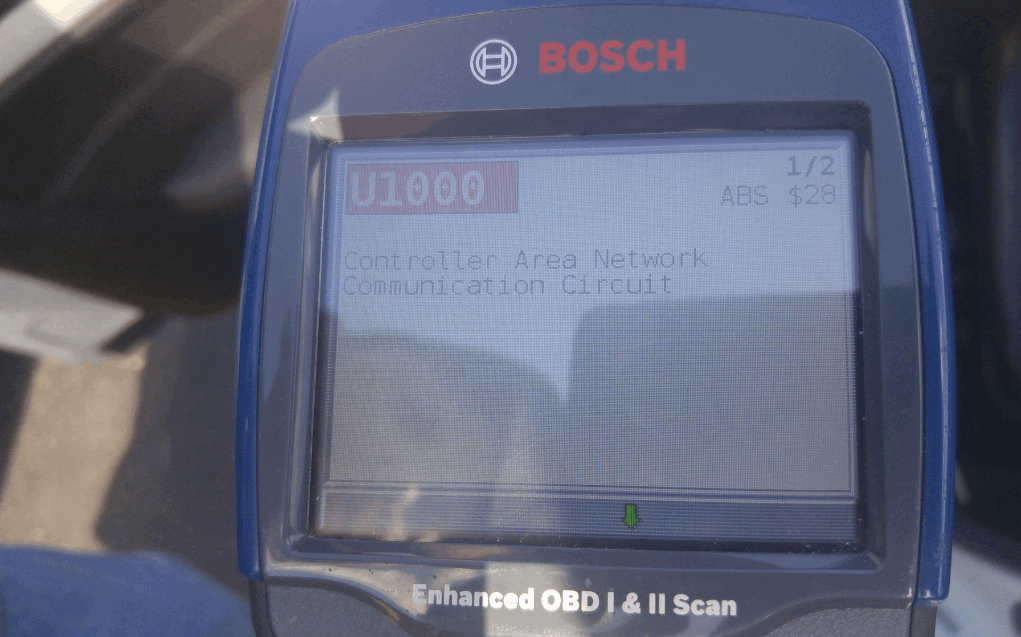
The Nissan U1000 code indicates a communication problem in the Controller Area Network, or CAN bus. The CAN bus connects the electronic control modules in a Nissan. These modules constantly exchange data to operate the engine, transmission, brakes, and other systems. When this communication fails, a control module may trigger the U1000 code.
Several electrical problems can cause Nissan U1000. Common causes include damaged CAN wiring, corroded connectors, poor grounds, low voltage, and faulty control modules. The symptoms depend on which module loses communication. You may notice warning lights, starting problems, poor engine performance, or abnormal transmission operation. A diagnostic scanner may also fail to communicate with one or more modules.
The U1000 code does not confirm that a specific control module has failed. Technicians must inspect the CAN network and identify the actual communication fault before replacing parts. A proper diagnosis checks related trouble codes, electrical connections, system voltage, wiring, and module communication. This guide explains the Nissan U1000 code, its causes and symptoms, the diagnostic process, and the correct repair options.
What Does the Nissan U1000 Code Mean?
The Nissan U1000 code means that a control module has detected a problem with communication through the CAN bus. CAN stands for Controller Area Network. Nissan uses this network to let multiple electronic control units exchange information through shared communication circuits.
The CAN bus connects modules that control different vehicle functions. These can include the ECM, BCM, TCM, ABS or VDC control unit, EPS control unit, and IPDM E/R. The exact network layout varies by Nissan model and model year. Each module sends and receives information that other systems need. A communication failure can therefore affect several vehicle functions at the same time.
CAN communication relies on two main signal circuits called CAN H and CAN L. The control modules use these circuits to transmit digital data across the network. Damage to a circuit can interrupt that data flow. A loose connector or electrical problem can produce a similar result.
U1000 identifies the communication problem, but it does not identify one failed part. For example, the code does not prove that the ECM or BCM needs replacement. The module that stores U1000 may simply have lost communication with another part of the network.
Technicians must therefore treat U1000 as a starting point for diagnosis. They need to determine which modules can communicate and which cannot. Related trouble codes can provide additional clues. This approach narrows the affected section of the CAN network before any repair begins.
What Causes the Nissan U1000 Code?
Six main fault categories can cause the Nissan U1000 code: CAN wiring damage, connector problems, poor grounds, unstable voltage, power supply faults, and control module failures. Each problem can disrupt communication between electronic modules. However, technicians should confirm the actual cause before replacing any component.
Damaged CAN wiring is a primary area to inspect. An open circuit prevents data from traveling through the affected path. A short circuit can also distort or stop communication. Physical damage may result from previous repairs, vibration, moisture, corrosion, or contact with other vehicle components.
Electrical connectors create another possible failure point. Loose terminals can interrupt communication even when the wiring remains intact. Corrosion can increase electrical resistance and affect signal quality. Bent or damaged terminals may also prevent a secure connection between the wiring harness and a control module.
Poor grounds and power supply problems can affect module operation. A control unit needs stable voltage and a reliable ground to communicate correctly. Low system voltage can disrupt this process. For this reason, technicians should inspect the battery and charging system when the diagnostic evidence points toward a voltage problem.
A failed control module can also cause U1000, but technicians should not assume module failure first. Wiring, connectors, power, and grounds require inspection before module replacement. Previous electrical work can also leave a stored communication code. A complete scan helps distinguish an active CAN fault from a historical code.
What Are the Symptoms of the Nissan U1000 Code?
The Nissan U1000 code can cause warning lights, starting problems, drivability issues, and loss of communication with control modules. However, U1000 does not create the same symptoms in every Nissan. The affected module and the location of the CAN fault determine how the vehicle behaves.
Dashboard warning lights are a common sign of a communication problem. The Check Engine Light may appear when the ECM records a related fault. The ABS, VDC, transmission, or power steering warning lights may also turn on. Several lights can appear together when multiple systems lose access to shared data.
Starting and engine performance can also change. Some communication faults can contribute to a no start or hard start condition. Others can affect engine operation when the ECM cannot exchange required information with another module. The driver may notice poor performance or unusual vehicle behavior.
Transmission and chassis systems may show additional symptoms. A communication problem involving the TCM can affect transmission operation. Faults involving ABS, VDC, or EPS communication can trigger warnings from those systems. The instrument cluster may also display incorrect information or behave abnormally.
A diagnostic scanner can reveal another important symptom. It may communicate with some modules but fail to access others. The scan may also show U1000 alongside additional communication codes. These results help identify the affected network area. For this reason, technicians should evaluate the complete scan instead of treating U1000 as an isolated code.
How Do You Diagnose the Nissan U1000 Code?
Diagnosing Nissan U1000 requires a systematic check of module communication, related trouble codes, voltage, grounds, connectors, and CAN wiring. Technicians should identify the communication failure before repairing wiring or replacing a control module. A full system scan provides the best starting point.
First, scan every available control module and record all diagnostic trouble codes. Do this before clearing any codes. The results show which modules still communicate with the diagnostic tool. They can also reveal which modules report communication failures. Related codes may narrow the search to one section of the network.
Next, check the electrical supply when the scan results support that direction. Inspect battery condition, system voltage, module power supplies, and relevant grounds. A control module needs stable electrical power to communicate correctly. A poor connection can disrupt module operation and create communication faults.
Inspect the relevant wiring harnesses and connectors next. Look for corrosion, loose terminals, damaged wiring, poor connections, and signs of previous repair work. Technicians should follow the wiring diagram and diagnostic procedure for the specific Nissan model. CAN network layouts can differ between models and production years.
CAN circuit testing may become necessary after these basic checks. Test the appropriate CAN H and CAN L circuits according to Nissan service information. The results can help locate an open circuit, short circuit, or affected network section. Technicians should not replace a control module until the diagnostic process points to that module.
What Should You Check First When Nissan U1000 Appears?
Check all stored trouble codes and module communication first when Nissan U1000 appears. A complete scan provides more diagnostic information than U1000 alone. Record the results before clearing the vehicle’s memory.
After the scan, check for obvious electrical problems. Inspect battery voltage, grounds, accessible connectors, and wiring in the affected circuit. Also consider recent electrical repairs or disconnected modules. These details can explain why the network lost communication.
Use the combined evidence to choose the next test. For example, one offline module can direct attention toward its power supply, ground, connector, or CAN connection. Several offline modules may indicate a wider network problem. This sequence reduces unnecessary testing and helps prevent replacement of working control modules.
How Do You Fix the Nissan U1000 Code?
Fixing the Nissan U1000 code requires correcting the CAN communication fault found during diagnosis. U1000 does not identify one part that every Nissan needs replaced. The correct repair depends on the wiring, connector, electrical supply, or control module that caused the communication failure.
Repair damaged CAN wiring when testing confirms an open circuit, short circuit, or poor connection. Technicians should inspect the affected wires and restore the circuit according to the correct Nissan wiring diagram. They should also check nearby harness sections for corrosion, physical damage, or signs of previous electrical repairs.
Repair connector problems when loose, corroded, bent, or damaged terminals interrupt communication. A secure electrical connection allows control modules to exchange data correctly. Technicians should also correct poor grounds or power connections when testing identifies excessive resistance or an unreliable electrical supply.
Address battery or charging system problems when voltage testing confirms a fault. Control modules require stable voltage for normal operation and communication. However, replacing the battery without testing does not provide a reliable fix for U1000. The diagnostic results must connect the voltage problem to the communication fault.
Replace a control module only after testing confirms that the module has failed. Technicians should first verify its power supply, ground, connectors, and CAN circuits. This process helps prevent unnecessary replacement of a working module.
After the repair, clear the stored codes and scan the vehicle again. Confirm that all relevant modules communicate normally. Clearing U1000 alone does not repair an active fault. The code can return when the underlying communication problem remains.
Is It Safe to Drive a Nissan With the U1000 Code?
Driving with the Nissan U1000 code depends on which control modules and vehicle systems the communication fault affects. A stored U1000 code does not always make the vehicle immediately unsafe. However, drivers should not ignore the code when warning lights or operating problems appear.
A Nissan that starts and drives normally may have an intermittent or previously stored communication fault. Even in this situation, the vehicle still needs diagnosis. An intermittent wiring or connector problem can return and affect communication again.
Use greater caution when U1000 appears with noticeable drivability problems. Starting difficulties, abnormal transmission operation, or several warning lights can indicate a more significant communication failure. Problems involving steering, braking, or stability control systems also require prompt attention because these systems affect vehicle control.
Drivers should avoid continuing a trip when the vehicle behaves unpredictably or loses an important function. A no start condition also requires diagnosis rather than repeated attempts to clear the code. A professional scan can identify which modules communicate and which systems report faults.
The safest decision therefore depends on the vehicle’s current symptoms and the affected systems. Do not judge drivability from U1000 alone. Check the accompanying trouble codes, dashboard warnings, and vehicle behavior to determine the severity of the communication problem.
How Much Does It Cost to Fix the Nissan U1000 Code?
The cost to fix the Nissan U1000 code depends on the fault that disrupts CAN communication. U1000 does not identify one failed component, so one repair price cannot apply to every Nissan. Diagnostic labor, wiring damage, connector condition, electrical faults, and control module failure can produce very different repair costs.
Diagnosis usually comes before an accurate repair estimate. A technician may need to scan all control modules and review related trouble codes. The diagnostic process can also include voltage checks, ground inspections, wiring tests, and CAN circuit tests. Complex network faults require more diagnostic time because the technician must locate the source of the communication failure.
Wiring and connector problems can require different levels of repair. A loose connection may only need terminal or connector service. Corroded terminals may require cleaning or replacement. Damaged CAN wiring can require harness repair when testing locates an open or short circuit. Labor costs increase when technicians need to access wiring behind interior panels or other components.
Electrical supply problems create another cost category. The final price depends on whether testing finds a battery, charging, ground, or module power supply problem. Technicians should confirm the fault before replacing electrical components.
Control module replacement can increase the total repair cost significantly. However, U1000 alone does not justify replacing a module. Proper testing must confirm module failure first. For this reason, an accurate diagnosis provides the most reliable basis for estimating the cost of a Nissan U1000 repair.
Why Does the Nissan U1000 Code Keep Coming Back?
The Nissan U1000 code keeps returning when an active or intermittent CAN communication problem still exists. Clearing the diagnostic trouble code only removes the stored information from module memory. It does not repair damaged wiring, poor electrical connections, voltage problems, or a faulty control module.
Intermittent wiring faults can make U1000 difficult to diagnose. A damaged wire may maintain communication under normal conditions but lose contact during vibration or movement. Temperature changes can also affect a weak electrical connection. The code may disappear temporarily and return after the vehicle encounters the same conditions.
Loose or corroded connectors can create a similar pattern. A terminal may make enough contact for normal communication at one moment and interrupt the signal later. Poor grounds can also cause unstable module operation. Technicians should inspect these connections when U1000 repeatedly returns without a constant symptom.
Voltage problems can trigger recurring communication faults as well. A weak electrical supply can affect a module during starting or other high load conditions. Testing should determine whether system voltage contributes to the CAN problem before any component replacement.
A recurring U1000 code requires another complete scan. Technicians should compare the new results with the codes recorded before the previous repair. They should then identify which modules lose communication and under what conditions. This evidence helps locate an intermittent fault instead of repeatedly clearing the code without correcting its cause.
What Should You Do When Nissan U1000 Appears With Other Codes?
Record every stored trouble code and identify their relationships when Nissan U1000 appears with other codes. Additional DTCs can show which modules lost communication or which network area needs further testing. This information makes the diagnostic process more precise than using U1000 alone.
Start with a complete system scan before clearing any codes. Check which modules respond to the diagnostic scanner and record the codes stored in each module. A module that does not respond can provide an important diagnostic clue. Several modules that report communication problems can also reveal a shared network fault.
Next, compare the codes and look for a common electrical connection. Multiple communication codes may point toward shared CAN wiring, power supplies, grounds, or connectors. For example, several modules can lose communication when a common CAN circuit develops an open or short. A shared electrical problem can therefore create several codes without several separate component failures.
The order and status of the codes also matter. Active codes indicate problems that the vehicle currently detects. Stored or historical codes may relate to an earlier communication interruption. Technicians should use the scan results, current symptoms, and Nissan service information to determine which faults need testing first.
Do not replace several control modules simply because the scan shows multiple DTCs. Test the shared circuits and electrical connections before condemning individual modules. This approach helps identify the root communication fault and reduces unnecessary repairs.