Nissan P0101 is a diagnostic trouble code related to the Mass Air Flow sensor system. The MAF sensor measures the air that enters the engine. The Engine Control Module uses this data to control engine operation. When the system detects an abnormal air flow signal, it can trigger the P0101 code.
A P0101 code does not always mean that the MAF sensor has failed. A dirty sensor can affect its readings. An intake leak can also change the amount of air entering the engine. Damaged wiring, loose connectors, or other intake system problems can create similar conditions. For this reason, replacing the MAF sensor should not become the first diagnostic step.
This guide explains what Nissan P0101 means and what symptoms you may notice. It also covers the main causes and the correct diagnostic process. You will learn how to check the MAF sensor, inspect the intake system, and identify the source of the fault. The guide also explains when MAF replacement makes sense and what you should consider before driving with an active P0101 code.
What Does Nissan P0101 Mean?
Nissan P0101 is a diagnostic trouble code that points to a problem with the Mass Air Flow sensor system. The MAF sensor measures the amount of air entering the engine. The Engine Control Module uses this measurement to control engine operation. When the air flow signal does not match the expected operating range, the vehicle can store P0101 and turn on the Check Engine Light.
The MAF sensor plays a key role in engine air measurement. The sensor sits in the intake path and measures incoming air before that air reaches the engine. The ECM then uses the sensor signal when it manages engine operation. A problem with the sensor, its electrical circuit, or the intake system can therefore affect the accuracy of the air flow measurement.
P0101 does not prove that the MAF sensor itself has failed. The code identifies an air flow measurement problem, not a guaranteed failed component. A dirty MAF sensor can produce inaccurate readings. An intake leak can also change the air flow that reaches the engine. Damaged wiring or a loose connector can interfere with the sensor signal.
The correct response starts with diagnosis. Inspect the MAF sensor and intake system before replacing parts. Check the sensor, air filter, intake hose, wiring, and connectors for visible problems. A scan tool can also provide additional information about stored codes and available sensor data. This approach helps identify the actual cause of P0101 instead of treating the code as a direct instruction to replace the MAF sensor.
What Symptoms Does Nissan P0101 Cause?
Nissan P0101 can cause several engine performance symptoms when the air flow signal does not match the engine’s expected air intake. The most noticeable symptom is often the Check Engine Light. The vehicle may also show changes in engine performance, fuel economy, acceleration, or drivability.
Poor engine performance can occur when the ECM receives inaccurate air flow information. The ECM uses MAF data to manage engine operation. An incorrect signal can therefore affect how the engine responds to changes in throttle input. Drivers may notice hesitation, rough running, reduced acceleration, or an engine that does not respond normally.
Fuel economy can also change when the air flow measurement becomes inaccurate. The engine control system uses air flow information when it manages the fuel and air mixture. An incorrect measurement can affect this process and lead to inefficient engine operation. The exact effect depends on the underlying cause of the P0101 code.
Starting and drivability problems can also appear in some cases. However, these symptoms do not confirm P0101 by themselves. Other engine faults can produce similar symptoms. The most reliable approach is to combine the symptoms with the stored diagnostic code and the results of a proper inspection.
A P0101 code therefore provides an important diagnostic clue, but it does not identify one failed component. The symptoms help narrow the problem. The diagnostic process must then determine whether the MAF sensor, intake system, wiring, connector, or another component caused the abnormal air flow signal.
What Causes Nissan P0101?
Nissan P0101 has several possible causes, with the MAF sensor and intake system among the main areas to inspect. A dirty MAF sensor can produce inaccurate air flow readings. An intake leak can also change the amount of air entering the engine. Other possible causes include problems with the air filter, MAF wiring, electrical connectors, or the engine control system.
A dirty MAF sensor can affect how accurately the sensor measures incoming air. Dirt or contamination on the sensing element can interfere with the air flow signal. The ECM may then receive data that does not match the engine’s expected air flow. This condition can trigger P0101 and create drivability symptoms. The source material identifies MAF sensor contamination as an important issue to check when this code appears.
An intake leak can create another path for air to enter the engine. The MAF sensor measures air at a specific point in the intake system. Air that enters through a leak can change the relationship between the measured air flow and the air that reaches the engine. Cracked intake hoses, loose connections, and other intake system problems therefore deserve inspection when diagnosing P0101.
The air filter can also affect the intake system. A restricted filter can change air flow through the intake path. Wiring and connectors can create another source of trouble because the MAF sensor needs a stable electrical connection to send its signal to the ECM. A P0101 diagnosis should therefore check the sensor, intake system, air filter, wiring, and connectors before assuming that the MAF sensor needs replacement.
The source material also identifies other conditions that can affect the air flow signal or engine operation. These include problems within the engine control system. Such causes require further testing after the more direct sensor, intake, and electrical checks. The correct diagnostic process should identify the failed component or condition instead of treating P0101 as proof that one specific part has failed.
How Do You Diagnose Nissan P0101?
Diagnose Nissan P0101 by checking the stored code, inspecting the MAF sensor and intake system, and then testing the related electrical components. Do not replace the MAF sensor before checking the other possible causes. The diagnostic process should identify why the air flow signal does not match the expected value.
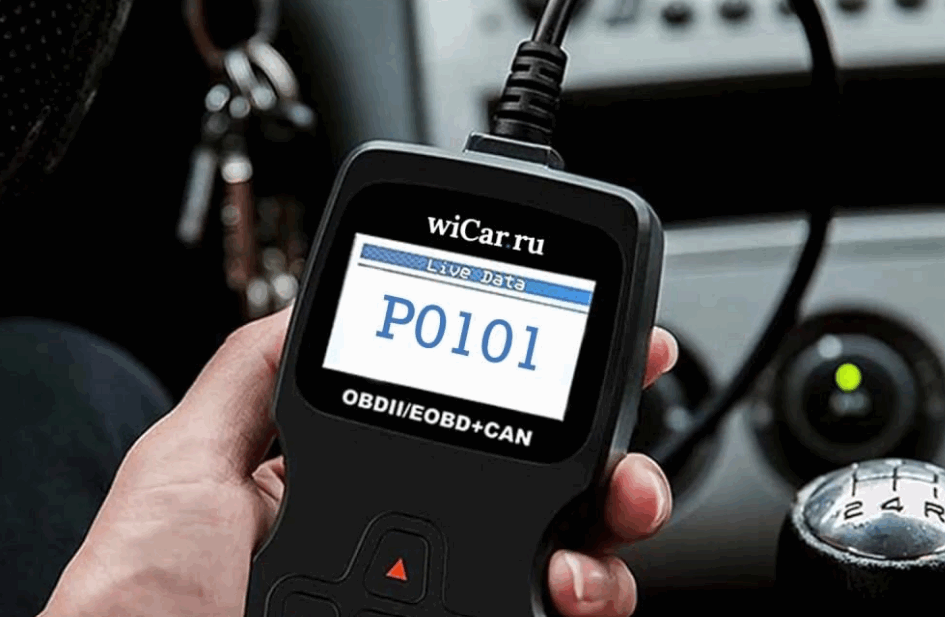
Start by connecting a diagnostic scan tool and confirming P0101. Check for other stored or pending codes at the same time. Additional codes can provide useful information about the engine control system. Record the available data before clearing any codes. This information can help you compare the vehicle’s condition before and after the repair.
Next, inspect the MAF sensor and the air intake system. Look for dirt or contamination around the sensor. Check the air filter and inspect the intake hose for cracks, loose connections, or other visible damage. Pay particular attention to areas where unmetered air could enter the intake system. The source material identifies the MAF sensor, intake system, and related air flow components as important areas when investigating P0101.
Then inspect the MAF wiring and electrical connector. Look for damaged wires, loose terminals, corrosion, or poor connections. A sensor can work incorrectly when its electrical circuit cannot provide or transmit a stable signal. Check the available MAF data with the scan tool when the vehicle supports live data. Compare the observed readings with the vehicle’s required diagnostic information.
The final diagnostic step is to connect the evidence and identify the root cause. A dirty sensor, intake leak, restricted air filter, wiring problem, or failed sensor can produce related symptoms. Clearing P0101 without finding the cause does not complete the diagnosis. The repair should address the condition that created the abnormal air flow signal.
How Do You Fix Nissan P0101?
Fix Nissan P0101 by repairing the condition that causes the abnormal air flow signal. The correct repair depends on the diagnostic findings. A dirty MAF sensor requires a different solution from an intake leak, damaged wiring, or a failed sensor. Replacing the MAF sensor without confirming the cause can leave the original problem unresolved.
If inspection finds a dirty MAF sensor, clean it using a method that does not damage the sensing element. Contamination can interfere with the sensor’s ability to measure incoming air accurately. After cleaning, check the sensor and intake system again. The source material identifies sensor contamination as one condition that can affect MAF readings and contribute to P0101.
Repair the intake system when you find a cracked hose, loose connection, or another air leak. Restore the intake path so the engine receives air through the expected route. Also inspect the air filter and replace it when its condition restricts proper air flow. These repairs address the conditions that can affect the relationship between measured and actual engine air flow.
Repair damaged MAF wiring or connectors when the electrical inspection identifies a circuit problem. Check the connection after the repair and confirm that the sensor can send a stable signal to the ECM. If testing shows that the MAF sensor itself has failed, replace the sensor with the correct component for the Nissan application.
After completing the repair, clear the diagnostic code and verify the repair. Recheck the vehicle with a scan tool and confirm that P0101 does not return. Check the available MAF data and observe engine operation during the verification process. A repair is complete when the underlying problem has been corrected and the vehicle no longer shows the original fault.
Can You Drive a Nissan With P0101?
You may be able to drive a Nissan with P0101 when the vehicle still runs normally, but you should diagnose the problem rather than ignore the code. P0101 indicates an abnormal air flow signal. The effect on the vehicle depends on the condition that caused the code and the symptoms that appear with it.
A Nissan with P0101 may continue to run when the MAF sensor or intake system has a minor problem. However, the engine may not operate at its normal performance level. Drivers may notice hesitation, rough running, reduced acceleration, or changes in fuel economy. These symptoms can make the vehicle less predictable during acceleration or other driving conditions.
Stop driving and arrange an inspection when the engine develops severe drivability problems. A persistent Check Engine Light combined with major power loss, severe rough running, stalling, or other serious engine symptoms requires prompt attention. The P0101 code itself does not identify the severity of the underlying problem. The symptoms and diagnostic results provide the necessary context.
Driving without repairing the underlying fault can also make diagnosis more difficult later. The original condition may change as the vehicle continues to operate. Repeatedly clearing the code does not repair the cause.
The safest approach is simple. Check the MAF sensor, intake system, air filter, wiring, and connectors. Identify the source of the abnormal air flow signal and repair that condition. This approach addresses the actual fault instead of relying on the P0101 code alone.
How Much Does It Cost to Fix Nissan P0101?
The cost to fix Nissan P0101 depends on the component that causes the air flow problem. A simple MAF sensor cleaning can require less work than an intake hose replacement or electrical repair. A complete MAF sensor replacement can also cost more than a basic cleaning or inspection.
Start with the diagnostic cost because P0101 does not identify one specific failed part. A technician may need to inspect the MAF sensor, intake system, air filter, wiring, connectors, and available scan tool data. The diagnostic time depends on how easily the fault can be identified.
A dirty MAF sensor may require cleaning rather than replacement. An intake leak may require a hose, clamp, or another intake component. A wiring problem may require electrical testing and circuit repair. If testing confirms MAF sensor failure, replacing the sensor becomes the appropriate repair.
Do not estimate the repair cost from the P0101 code alone. The code identifies a problem with the air flow measurement system, but it does not identify the failed component. Two Nissan vehicles with the same P0101 code can therefore require different repairs.
The most cost effective approach is to diagnose the root cause first. Replacing the MAF sensor without testing can add unnecessary parts cost when an intake leak, contamination, or electrical problem caused the code. A proper diagnosis helps match the repair to the actual fault.
How Can You Prevent Nissan P0101 From Returning?
Prevent Nissan P0101 by maintaining the air intake system and addressing air flow problems before they become persistent faults. Regular inspection can help identify damaged intake hoses, loose connections, dirty filters, and other conditions that affect the air flow system.
Check the air filter according to the maintenance requirements for your Nissan. Inspect the intake hose and connections during routine service. Look for cracks, loose fittings, or other visible damage that could allow air to enter the system through an unintended path.
Keep the MAF sensor in good condition and follow the correct service procedure for the specific Nissan model. Avoid unnecessary handling of the sensing element because the sensor can contain delicate components. If the Check Engine Light returns after a repair, diagnose the code again instead of repeatedly clearing it.
The best prevention strategy is to maintain the complete intake and air measurement system. P0101 can result from several conditions, so replacing one component does not prevent the code when another fault remains. Proper maintenance and root cause diagnosis provide a more reliable solution.
What Should You Do When Your Nissan Shows P0101?
When your Nissan shows P0101, diagnose the air flow system before replacing any parts. The code points to a problem with the MAF system, but it does not prove that the MAF sensor has failed. A dirty sensor, intake leak, restricted air filter, damaged wiring, or faulty connector can also affect the air flow signal.
Start with a scan tool and confirm the code. Then inspect the MAF sensor, air filter, intake hose, wiring, and connectors. Check available sensor data when the vehicle supports live data. These checks help identify the condition that caused the abnormal air flow reading.
Repair the root cause and verify the result after the repair. Clean the MAF sensor when contamination causes the problem. Repair intake leaks or damaged wiring when inspection identifies those faults. Replace the MAF sensor only when testing shows that the sensor has failed. Clear the code after the repair and confirm that P0101 does not return.
A systematic diagnosis helps prevent unnecessary parts replacement. It also provides a better starting point for investigating other Nissan diagnostic trouble codes and related engine performance problems.