
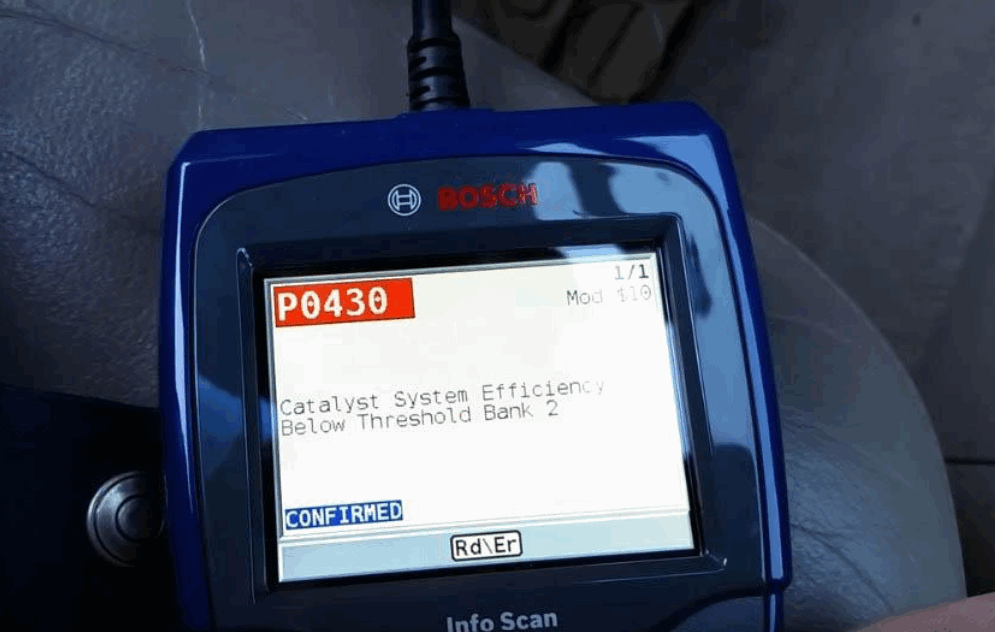
Nissan P0430 is an OBD II trouble code. It means the catalyst system on Bank 2 has low efficiency. The engine control module detects this condition through the vehicle’s emissions sensors.
Nissan P0430 does not always mean the catalytic converter has failed. A faulty oxygen sensor can trigger the code. An exhaust leak can also affect the readings. Engine misfires and fuel problems can create similar conditions.
The symptoms vary by vehicle and underlying problem. Some Nissan vehicles only show the check engine light. Others may show lower fuel economy or reduced engine performance. The location of Bank 2 also depends on the Nissan model and engine configuration.
Correct diagnosis should come before replacing expensive parts. This guide explains the meaning, symptoms, and causes of Nissan P0430. It also explains how to diagnose the code and choose the correct repair. You will learn when catalytic converter replacement makes sense and when another repair may solve the problem.
What Does Nissan P0430 Mean?
Nissan P0430 means the catalyst system has lower efficiency than the expected threshold on Bank 2. The vehicle’s control system monitors catalyst performance through oxygen sensor signals. It uses these signals to determine how well the catalytic converter processes exhaust gases.
The code does not prove that the catalytic converter has failed. Several problems can create the same condition. A faulty oxygen sensor can affect the readings. An exhaust leak can also change the sensor data. Engine misfires and fuel or ignition problems can affect catalyst performance as well.
Bank 2 refers to the engine bank associated with the P0430 code. Its physical location depends on the Nissan model and engine design. For this reason, you should identify the specific engine before testing or replacing a component.
The catalytic converter remains an important part of the diagnosis. However, replacing it should not become the first step. A proper diagnosis should identify why the system reports low catalyst efficiency. This approach helps prevent unnecessary parts replacement.
What Symptoms Does Nissan P0430 Cause?
The most direct symptom of Nissan P0430 is the check engine light. Some vehicles show few or no other noticeable symptoms. The vehicle can continue to drive normally while the code remains stored in the engine control module.
Other symptoms depend on the problem behind the code. A Nissan may experience lower fuel economy when an engine or fuel system problem affects combustion. Engine performance can also change when the underlying fault affects normal operation.
P0430 can also appear alongside other diagnostic trouble codes. For example, an engine misfire can affect the catalytic converter and create abnormal emissions conditions. In this situation, the misfire requires attention before the catalyst becomes the main repair target.
The absence of strong symptoms does not confirm that the catalytic system works correctly. The code indicates that the vehicle detected an efficiency problem. A diagnostic test must determine whether the catalytic converter, oxygen sensor, exhaust system, or another engine problem caused that condition.
What Causes Nissan P0430?
There are five main causes of Nissan P0430. They include a failing catalytic converter, a faulty oxygen sensor, an exhaust leak, an engine misfire, and fuel or ignition problems. Each problem can affect catalyst efficiency or the sensor readings that the engine control module uses.
A failing catalytic converter is one possible cause. The converter reduces harmful compounds in the exhaust gases. When its efficiency falls below the expected threshold, the vehicle can store P0430. However, the code alone does not prove that the converter has failed.
A faulty oxygen sensor can also cause P0430. The control system uses oxygen sensor data to monitor catalyst performance. Incorrect sensor readings can therefore create a false indication of low catalyst efficiency. Testing the sensor helps separate a sensor problem from a catalyst problem.
An exhaust leak can change the exhaust gas reaching the oxygen sensors. This change can affect the data used to evaluate catalyst efficiency. An engine misfire can create another problem. Unburned fuel can enter the exhaust system and affect the catalytic converter. Fuel and ignition problems can also change combustion conditions and influence catalyst performance.
Where Is Bank 2 on a Nissan?
Bank 2 is the engine bank associated with the P0430 code. Its exact physical location depends on the Nissan model and engine configuration. You should therefore identify the specific engine before testing the oxygen sensors or catalytic converter.
This distinction matters because P0430 targets Bank 2. A technician needs to identify the correct bank before inspecting related components. Checking the wrong bank can lead to an incorrect diagnosis and unnecessary parts replacement.
The engine configuration also affects the location of the catalytic converter and oxygen sensors. Nissan vehicles use different engine layouts across models. A general Bank 2 location should not replace model specific identification.
Start with the vehicle’s model, model year, and engine information. Then identify Bank 2 from the correct vehicle documentation or diagnostic information. Once you confirm the bank, inspect the related exhaust components and sensors. This creates a clear link between the stored P0430 code and the physical components that require testing.
How Do You Diagnose Nissan P0430?
To diagnose Nissan P0430, start by confirming the stored trouble code with an OBD II scanner. The code identifies a catalyst efficiency problem on Bank 2. It does not identify the failed component by itself. A proper diagnosis must therefore examine the components that can affect catalyst efficiency.
Check for other engine or emissions trouble codes before focusing on the catalytic converter. An engine misfire can affect the exhaust system and create conditions that lead to P0430. Fuel and ignition problems can also affect combustion. These problems should be considered when the vehicle has additional symptoms or codes.
Next, inspect the exhaust system for conditions that can affect oxygen sensor readings. An exhaust leak can change the exhaust gases reaching the sensors. This change can produce data that suggests low catalyst efficiency. Checking the exhaust system helps separate a leak from a catalytic converter problem.
The oxygen sensors also require attention. The engine control module uses oxygen sensor information to evaluate catalyst performance. A faulty sensor can therefore create readings that lead to P0430. Testing the relevant sensor helps determine whether the sensor or the catalytic converter is responsible for the reported condition.
Finally, evaluate the catalytic converter after checking the related systems. Do not replace the catalytic converter based on P0430 alone. Confirm that other potential causes do not explain the low efficiency reading. This diagnostic order reduces the risk of replacing an expensive component when an exhaust, sensor, fuel, ignition, or engine problem caused the code.
How Do You Fix Nissan P0430?
To fix Nissan P0430, first repair the problem that caused the low catalyst efficiency reading. The correct repair depends on the confirmed cause of the code. Replacing the catalytic converter is appropriate only when diagnosis confirms a catalyst problem.
Repair an exhaust leak if the leak affects oxygen sensor readings. An exhaust leak can change the gases that reach the sensors. Fixing the leak can therefore address the condition that caused the P0430 reading.
Replace a faulty oxygen sensor when testing confirms that the sensor provides incorrect data. The engine control module relies on oxygen sensor information to evaluate catalyst performance. A sensor problem can therefore create a P0430 code without a failed catalytic converter.
Correct engine misfires and fuel or ignition problems before replacing the catalytic converter. These problems can affect combustion and place abnormal conditions on the exhaust system. Repairing the underlying engine problem helps prevent unnecessary catalyst replacement.
When Does Nissan P0430 Require Catalytic Converter Replacement?
Nissan P0430 requires catalytic converter replacement when diagnosis confirms that the Bank 2 catalytic converter no longer provides the required efficiency. The code itself does not provide enough evidence to justify replacement. A proper diagnosis should first rule out sensor problems, exhaust leaks, misfires, and fuel or ignition issues.
Can You Drive a Nissan With P0430?
You may still be able to drive a Nissan with P0430 when the vehicle has no serious drivability symptoms. The source material does not establish a universal driving limit for every Nissan vehicle. The underlying cause and the presence of other problems determine the risk.
A Nissan with P0430 can have few noticeable symptoms. Some vehicles mainly show the check engine light. Other vehicles may experience reduced fuel economy or changes in engine performance. Additional trouble codes can also indicate a separate engine or emissions problem.
Treat P0430 as a diagnostic issue rather than a reason to replace parts immediately. Arrange an inspection when the code appears, especially when the vehicle also shows engine performance problems. A technician can identify whether the cause involves the catalytic converter, oxygen sensor, exhaust system, or another engine condition.
Driving decisions should also consider the symptoms that appear with P0430. The source material does not provide a specific mileage limit or safe driving period. For that reason, avoid giving a fixed distance or time as a general rule. Focus on identifying and repairing the underlying problem.
How Much Does It Cost to Fix Nissan P0430?
The cost to fix Nissan P0430 depends on the component that causes the code. The source material does not provide reliable fixed prices for Nissan P0430 repairs. A single price would therefore give a misleading estimate.
An oxygen sensor problem can require a different repair from an exhaust leak. A confirmed catalytic converter failure can also require a more expensive repair than a sensor or exhaust problem. The Nissan model and engine configuration can affect the parts involved as well.
Diagnostic cost also matters. A proper diagnosis may require checking the stored code, related trouble codes, exhaust system, oxygen sensors, and catalytic converter. These checks help identify the actual cause before you replace a component.
Why Should You Diagnose Nissan P0430 Before Replacing the Catalytic Converter?
You should diagnose Nissan P0430 before replacing the catalytic converter because P0430 does not prove that the catalytic converter has failed. A faulty oxygen sensor can affect the readings. An exhaust leak can also change the exhaust gases that reach the sensors. Engine misfires and fuel or ignition problems can affect catalyst performance as well.
Replacing the catalytic converter without checking these conditions can leave the original problem unresolved. The vehicle may continue to show P0430 after the replacement. A root cause diagnosis provides a better basis for choosing the correct repair.
For this reason, the repair cost should come after diagnosis rather than before it. The most useful estimate depends on the failed component, the Nissan model, the engine configuration, and the required labor. Without those details, a specific dollar amount would not be supported by the available source.
What Should You Do After Getting Nissan P0430?
Nissan P0430 indicates low catalyst efficiency on Bank 2. The code does not confirm a failed catalytic converter by itself. Several problems can create the same condition. These include a faulty oxygen sensor, an exhaust leak, an engine misfire, and fuel or ignition problems.
Start by confirming the P0430 code with an OBD II scanner. Check for other trouble codes that may point to an engine or emissions problem. Then identify the correct Bank 2 for your Nissan model and engine. This step ensures that you inspect the correct sensors and exhaust components.
Next, inspect the exhaust system and evaluate the relevant oxygen sensors. These components can affect the readings that the engine control module uses to assess catalyst efficiency. If the related systems work correctly, evaluate the catalytic converter as the potential source of the problem.
Choose the repair only after you identify the root cause. Repair an exhaust leak when it causes the problem. Replace a faulty oxygen sensor when testing confirms sensor failure. Correct engine, fuel, or ignition problems when they affect catalyst performance. Replace the catalytic converter when diagnosis confirms that it has lost the required efficiency.
This approach helps prevent unnecessary repairs. It also creates a clearer path from the Nissan P0430 code to the correct solution.