The Nissan P1320 code indicates a problem with the ignition signal that the engine control system monitors during engine operation. The code is closely associated with the ignition system, so ignition coils and their electrical circuits are important areas to inspect. However, P1320 does not prove that an ignition coil has failed. Wiring problems, electrical connections, ignition components, and other faults affecting the ignition signal can also contribute to the code.
A Nissan with P1320 may display a Check Engine Light with few noticeable changes in performance. In other cases, the engine may misfire, idle roughly, hesitate during acceleration, lose power, or become difficult to start. The exact symptoms depend on the fault that caused the engine control module to detect an abnormal ignition signal.
Diagnosing P1320 therefore requires more than clearing the code or replacing parts immediately. A proper diagnosis examines related trouble codes, ignition components, wiring, connectors, and relevant electrical signals before identifying the failed component. This guide explains what Nissan P1320 means, its main symptoms and causes, how to diagnose and fix it, how serious it is, and what to do if the code returns after repair.
What Does the Nissan P1320 Code Mean?
The Nissan P1320 code means the engine control module has detected an ignition signal problem. On Nissan vehicles, this code points toward the ignition system and its electrical circuits. It does not identify one failed component on its own.
The engine control module, or ECM, manages several parts of engine operation. It also monitors signals that help control ignition and combustion. The ECM expects these signals to stay within specific operating conditions. When it detects an abnormal ignition signal, it can trigger P1320 and illuminate the Check Engine Light.
P1320 often directs attention toward the ignition coils. However, a technician should not replace an ignition coil based on this code alone. The ignition circuit contains several components that can affect the signal. Damaged wiring, loose connectors, poor electrical connections, or ignition component faults can create similar problems.
Other stored trouble codes can provide more information about the source of P1320. For example, a cylinder specific misfire code can direct the diagnosis toward a particular cylinder. The technician can then inspect its ignition components and electrical connections. This approach reduces unnecessary part replacement and helps locate the actual fault.
For this reason, treat P1320 as a starting point for ignition system diagnosis. Check related codes, vehicle symptoms, ignition components, wiring, and electrical signals before making a repair.
What Are the Symptoms of Nissan Code P1320?
The main symptoms of Nissan P1320 include a Check Engine Light, misfires, rough idle, hesitation, power loss, and starting problems. Their severity depends on the underlying ignition fault. Some vehicles show only a warning light. Others develop noticeable engine performance problems.
The Check Engine Light is often the first sign. The ECM turns on the light when the detected fault meets the required conditions. An intermittent problem may trigger P1320 without causing obvious changes in engine performance. Therefore, a smooth running engine does not mean you should ignore the code.
More noticeable symptoms appear when the fault disrupts normal combustion. Each cylinder needs a reliable spark to burn the air and fuel mixture. A weak ignition component can make that combustion inconsistent. The engine may then shake at idle, hesitate during acceleration, or lose power under load.
A more severe ignition problem can also make the engine difficult to start. However, these symptoms cannot identify the faulty component by themselves. Several ignition problems can produce similar drivability symptoms.
Related trouble codes can help narrow the diagnosis. A cylinder specific misfire code may identify which cylinder needs closer inspection. Technicians should compare these codes with the symptoms before replacing ignition components. This process creates a clearer diagnostic path and reduces unnecessary repairs.
What Causes the Nissan P1320 Code?
The main causes of Nissan P1320 are ignition coil faults, electrical circuit problems, damaged wiring, poor connectors, and related ignition faults. These problems can disrupt the ignition signal that the ECM expects during engine operation. However, the exact cause can vary between Nissan models and engine configurations.
Ignition coil failure is an important cause to investigate. Each coil must provide enough voltage for the spark plug to ignite the air and fuel mixture. A weak or faulty coil can disrupt normal combustion. The resulting ignition problem may trigger P1320 and one or more misfire codes.
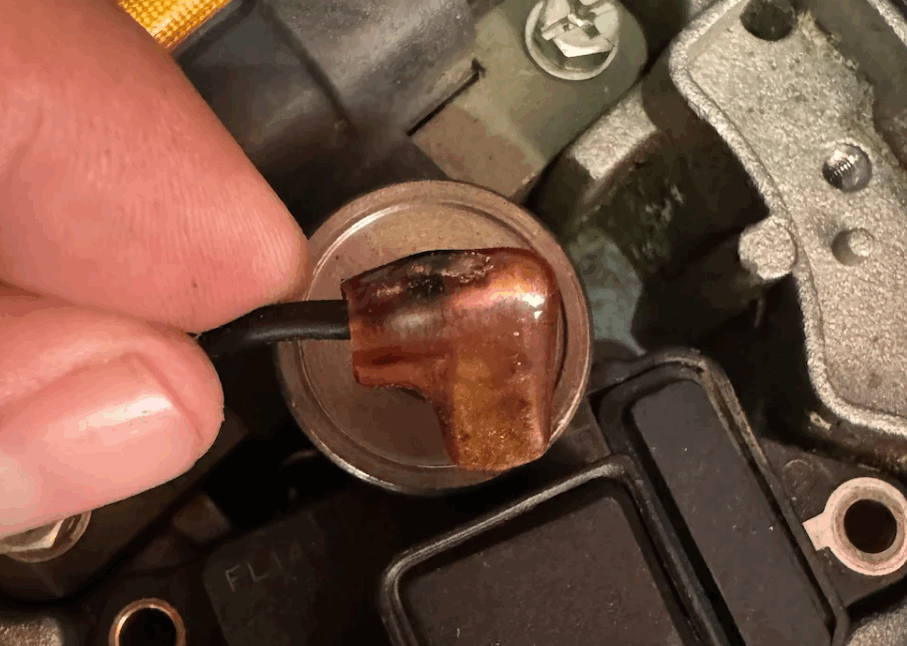
Electrical problems can produce similar results even when the ignition coil still works. A damaged wire can interrupt current or affect the signal within the ignition circuit. Loose terminals and corroded connectors can also create unstable electrical contact. These faults may appear constantly or only under certain operating conditions.
Spark plugs and related ignition components also deserve inspection during diagnosis. A worn or damaged component can affect combustion and create symptoms similar to a coil fault. Technicians should compare its condition with related trouble codes and test results before replacing parts.
An ECM problem requires a different diagnostic approach. Technicians should inspect the ignition system and its circuits before suspecting the control module. This order prevents an expensive repair based only on P1320. The goal is to locate the fault that disrupts the ignition signal and confirm it through testing.
Can a Bad Ignition Coil Cause Nissan P1320?
Yes, a bad ignition coil can cause Nissan P1320 because the coil plays a direct role in the engine’s ignition process. A faulty coil may fail to provide the spark needed for consistent combustion. This problem can affect the ignition signal and lead the ECM to detect a fault.
An ignition coil converts electrical energy into the high voltage required at the spark plug. The spark then ignites the air and fuel mixture inside the cylinder. When a coil becomes weak or fails, the affected cylinder may misfire. The driver may notice rough idling, hesitation, shaking, or reduced power.
A failed coil can also produce additional diagnostic trouble codes. A cylinder specific misfire code can help identify the area that needs further testing. For example, a misfire code for one cylinder gives more diagnostic direction than P1320 alone. Technicians can use that information to inspect the coil, spark plug, connector, and wiring for that cylinder.
However, replacing an ignition coil without testing it can lead to an unnecessary repair. A damaged connector or wiring fault can produce similar symptoms. Technicians should confirm the failed component before installing new parts. This method addresses the actual cause instead of treating P1320 as proof of coil failure.
How Do You Diagnose the Nissan P1320 Code?
Diagnose Nissan P1320 by scanning all trouble codes, inspecting the ignition system, checking electrical connections, and testing suspected components. A structured diagnosis helps identify the actual fault before you replace any parts.
Start by connecting an OBD scanner and reading all stored and pending codes. Do not focus on P1320 alone. Other codes can reveal a misfire or another problem that helps narrow the search. Record the codes before clearing anything from the ECM.
Next, inspect the ignition system. Check the ignition coils, spark plugs, wiring, and electrical connectors for visible problems. Look for loose connections, corrosion, damaged insulation, or broken wires. These faults can interrupt electrical signals and cause intermittent engine problems.
Use the additional trouble codes to decide where to test next. A cylinder specific misfire code can direct attention toward one cylinder. Inspect its coil, spark plug, connector, and wiring before moving to other components. Test the suspected coil and circuit instead of assuming that the coil has failed.
Continue with electrical testing when the visual inspection does not reveal the cause. Check the relevant circuits and signals according to the vehicle’s service information. Different Nissan models and engines may require different test procedures.
After finding the fault, complete the necessary repair and clear the stored codes. Then start the engine and check for abnormal operation. A road test can help confirm the repair under normal driving conditions. Scan the vehicle again afterward to verify that P1320 does not return.
What Other Trouble Codes Can Appear With Nissan P1320?
Nissan P1320 can appear with other ignition and misfire codes that provide extra diagnostic information. These additional codes can help locate the affected cylinder or system.
Cylinder specific misfire codes are especially useful during diagnosis. Codes in the P0300 range indicate combustion problems. P0300 indicates a random or multiple cylinder misfire. Codes from P0301 onward can point toward a specific cylinder, depending on the engine and detected fault.
For example, P1320 with a cylinder specific misfire code gives the technician a clearer starting point. The technician can inspect the ignition coil, spark plug, connector, and wiring for that cylinder. This approach is more precise than replacing several ignition components at once.
However, a related code does not prove that an ignition coil has failed. Fuel delivery, mechanical problems, or other faults can also cause a misfire. Each stored code should guide testing rather than serve as a final diagnosis.
Read all codes together and compare them with the engine symptoms. Then use the results to choose the next inspection or test. This process helps separate the primary fault from secondary codes and reduces unnecessary part replacement.
How Do You Fix the Nissan P1320 Code?
Fix Nissan P1320 by identifying and repairing the fault that disrupts the ignition signal. The correct repair depends on the results of the diagnostic process. Do not replace ignition parts based on P1320 alone.
Replace an ignition coil when testing confirms that the coil has failed. A faulty coil may produce a weak or inconsistent spark and cause a misfire. After replacement, inspect the related spark plug and electrical connector. Problems in these areas can affect ignition performance and produce similar symptoms.
Repair damaged wiring when an inspection or electrical test reveals a circuit problem. Broken wires, damaged insulation, corrosion, and loose terminals can interrupt the ignition circuit. Repair the affected connection and confirm that the circuit operates correctly. This step can solve the problem without replacing a working ignition coil.
Spark plugs also require attention when their condition affects normal combustion. Inspect them for wear or damage during the diagnostic process. Replace them when inspection and service requirements support replacement. Avoid treating spark plugs as the automatic cause of P1320 without supporting evidence.
Perform deeper electrical testing when the ignition components appear to work correctly. Follow the service information for the specific Nissan model and engine. Suspect an ECM fault only after testing the related components and circuits. This approach reduces the risk of unnecessary and expensive repairs.
After completing the repair, clear P1320 with a suitable scan tool. Start the engine and confirm normal operation. Then perform a road test and scan the vehicle again. The repair is successful when the original fault no longer appears under the conditions that previously triggered it.
How Serious Is the Nissan P1320 Code?
Nissan P1320 can become serious when an ignition fault causes an active misfire, severe shaking, or significant power loss. A vehicle with only a stored code may appear to run normally. However, the driver should still diagnose the fault instead of ignoring it.
The severity depends on how the underlying problem affects combustion. An intermittent electrical connection may cause occasional symptoms. A failed ignition component can create a continuous misfire. In that case, the engine may idle roughly, hesitate during acceleration, or struggle under load.
A persistent misfire also creates a greater risk of secondary problems. Poor combustion can allow unburned fuel to enter the exhaust system. This condition can increase exhaust temperatures and place additional stress on the catalytic converter. For this reason, drivers should address a severe or continuous misfire promptly.
The Check Engine Light provides another useful warning. A steady light indicates that the engine control system has detected a fault that needs diagnosis. A flashing light requires more immediate attention because it can accompany a severe misfire. Reduce driving and arrange diagnosis when the engine runs poorly or the warning light flashes.
Vehicle behavior should guide the immediate response. Mild symptoms still require inspection, but severe shaking or major power loss increases the urgency. Diagnose P1320 as soon as practical and repair the confirmed cause. Early diagnosis can restore normal ignition operation and reduce the chance of additional damage.
Can You Drive a Nissan With the P1320 Code?
You can drive a Nissan with P1320 for a short distance if the engine runs normally and shows no severe misfire symptoms. However, you should diagnose the code soon. Stop driving when the engine shakes heavily, loses significant power, or shows other serious drivability problems.
The underlying fault determines whether continued driving is safe. An intermittent ignition problem may trigger P1320 while the engine still runs smoothly. In this situation, the vehicle may remain drivable long enough to reach a repair facility. The absence of major symptoms does not mean the fault has disappeared.
An active misfire requires more caution. A faulty ignition component can prevent proper combustion in one or more cylinders. The engine may shake, hesitate, or lose power as a result. These symptoms can make acceleration less predictable and affect normal vehicle operation.
Pay close attention to the Check Engine Light. A steady light requires diagnosis, especially when P1320 remains stored. A flashing Check Engine Light can indicate a severe misfire that needs immediate attention. Continuing to drive under those conditions can increase the risk of additional problems.
Use engine behavior to decide what to do next. Arrange diagnosis soon if the vehicle runs normally but stores P1320. Limit driving when noticeable misfires or performance problems appear. Stop driving when severe shaking, major power loss, or a flashing Check Engine Light makes continued operation unsafe.
How Much Does It Cost to Fix Nissan Code P1320?
The cost to fix Nissan P1320 depends on the component or electrical fault that caused the ignition signal problem. P1320 does not identify one required repair. Therefore, the final cost can vary based on diagnosis, parts, labor, and the Nissan model.
Diagnosis creates the first potential expense. A technician may need to scan all trouble codes and inspect the ignition system. Electrical testing may also be necessary when the cause is not visible. A more complex intermittent fault can require additional diagnostic time.
Ignition coil replacement is one possible repair when testing confirms coil failure. The total cost depends on the coil design, labor access, and number of coils that require replacement. Replacing several coils will cost more than replacing one confirmed faulty unit.
Wiring and connector repairs create a different cost range. A loose or corroded connection may require a relatively simple repair. Damaged wiring can take longer to locate and restore. Labor can become a larger part of the bill when technicians must trace an intermittent electrical problem.
Other repairs may involve spark plugs or further electrical diagnosis. An ECM related repair can cost more, but technicians should confirm that fault before replacing the module. For an accurate estimate, diagnose P1320 first and price the confirmed repair. This approach gives a more useful figure than assigning one general repair cost to every Nissan with P1320.
How Do You Clear the P1320 Code on a Nissan?
Clear Nissan P1320 with an OBD scan tool after you diagnose and repair the fault that triggered the code. Clearing the code alone does not fix the ignition problem. The ECM can detect the fault again and turn on the Check Engine Light.
Start by completing the required repair. This may involve an ignition coil, wiring, a connector, or another confirmed ignition fault. Connect a compatible scan tool after the repair. Read the stored codes again before clearing them. This check helps confirm that no new codes appeared during the repair process.
Next, use the scan tool to clear P1320 and other related codes. Start the engine and monitor its operation. Check the idle quality, throttle response, and any symptoms that appeared before the repair. The engine should operate normally if the repair corrected the underlying problem.
A road test provides another useful verification step. Drive the vehicle under suitable conditions and watch for hesitation, misfires, or power loss. Scan the vehicle again after the test. If P1320 stays absent, the repair has likely addressed the original fault.
Do not use code clearing as a substitute for diagnosis. Removing P1320 from ECM memory only resets the stored diagnostic information. It does not repair a weak ignition coil or damaged electrical circuit. Diagnose the cause first, complete the repair, clear the code, and verify the result.
Why Does Nissan P1320 Come Back After Repair?
Nissan P1320 can return when the original ignition fault remains, the diagnosis missed another problem, or the repair did not correct the entire circuit. A returning code means the ECM detected the fault conditions again. Further diagnosis should focus on the previous repair and related components.
An incorrect initial diagnosis is one possible cause. For example, replacing an ignition coil may not solve P1320 when damaged wiring caused the signal problem. Inspect the connector and circuit when a new coil does not correct the fault.
Multiple ignition problems can also complicate diagnosis. One repaired component may improve engine performance while another fault remains. Read all stored and pending codes again. A cylinder specific misfire code can provide useful direction when P1320 returns with drivability symptoms.
Intermittent electrical faults deserve close attention as well. A loose terminal, damaged wire, or poor connection may work during one test and fail later. Heat, vibration, and engine movement can change how an unstable connection behaves. Inspect the affected circuit instead of repeatedly clearing the code.
Finally, review the original diagnostic process before replacing more parts. Confirm the previous repair, inspect related components, and perform the required electrical tests. Consider deeper control system diagnosis only when the ignition components and circuits pass their tests. This sequence helps identify the remaining fault without unnecessary part replacement.
What Should You Do When Your Nissan Has Code P1320?
When your Nissan has code P1320, diagnose the ignition system and confirm the faulty component before replacing any parts. Start by reading all stored and pending trouble codes. Related misfire codes can provide useful clues and help narrow the diagnostic path.
Next, inspect the ignition coils, spark plugs, wiring, and electrical connectors. Look for damaged wires, loose terminals, corrosion, and other visible faults. Test suspected components when a visual inspection does not reveal the cause. Follow the correct service information for your Nissan model and engine when electrical testing is necessary.
Repair the confirmed fault rather than treating P1320 as proof of ignition coil failure. Replace a coil when testing confirms that it has failed. Repair damaged wiring or connectors when they disrupt the ignition circuit. Continue the diagnosis when the basic ignition components pass their tests.
After the repair, clear P1320 with a scan tool and test the vehicle again. Check engine performance and scan for returning codes after the road test. If P1320 returns, inspect the previous repair and continue testing related circuits. A systematic diagnosis provides the clearest path from the P1320 code to an effective repair.