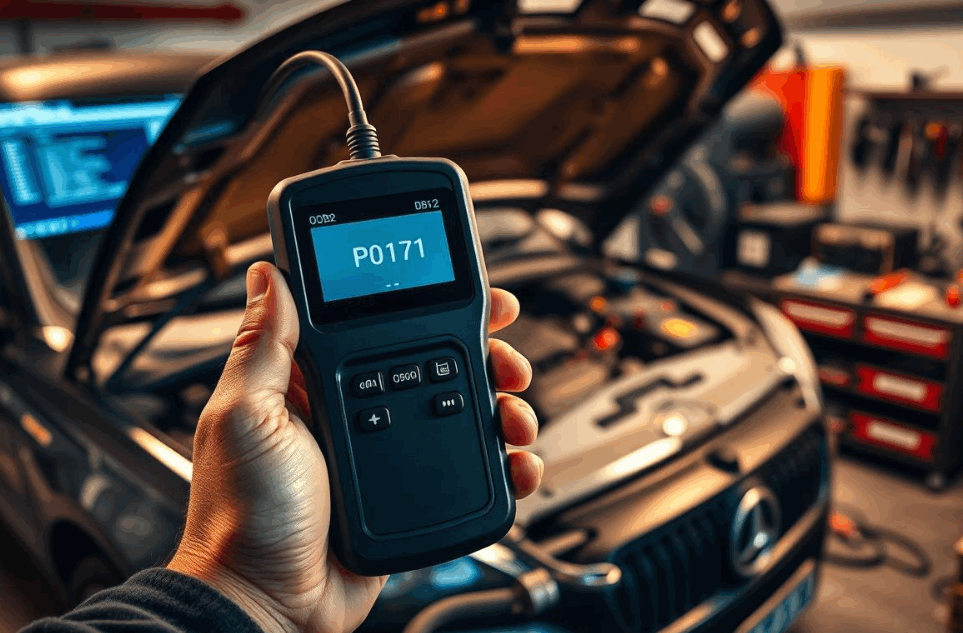
Nissan P0171 means the engine control system has detected a lean air fuel condition on Bank 1. In practical terms, the engine is receiving too much air, too little fuel, or incorrect airflow information compared with the amount of fuel the engine control module expects. The code does not identify one specific failed part, so replacing a sensor immediately is not a reliable repair strategy.
The most common diagnostic areas include vacuum and intake leaks, Mass Air Flow sensor problems, fuel delivery issues, restricted fuel injectors, exhaust leaks, and oxygen or air fuel ratio sensor problems. The symptoms can include a Check Engine Light, rough idle, hesitation, poor acceleration, and other changes in engine performance.
Diagnosing Nissan P0171 requires identifying why the engine is running lean rather than simply clearing the code. Fuel trim data, the intake system, MAF sensor operation, fuel pressure, fuel injectors, and sensor readings all help narrow down the underlying problem. This guide explains what Nissan P0171 means, the symptoms and causes to look for, how to diagnose the code, how to fix the confirmed problem, and when continued driving requires greater attention.
What Does Nissan P0171 Mean?
Nissan P0171 means System Too Lean Bank 1. The code appears when the engine control system detects that the air and fuel mixture contains too much air or not enough fuel for the expected combustion conditions. Bank 1 identifies the side of the engine associated with the cylinder group containing cylinder number one. The code therefore describes a detected air fuel imbalance rather than naming one defective component.
The engine control module monitors the air fuel mixture through information from components such as the Mass Air Flow sensor and oxygen or air fuel ratio sensors. When the measured mixture remains lean, the system increases fuel corrections to compensate. If the correction reaches a condition that triggers the diagnostic threshold, P0171 is stored and the Check Engine Light can illuminate. This means the code is a diagnostic result, not proof that the MAF sensor, oxygen sensor, fuel injector, or another individual component has failed.
The underlying problem can come from several areas of the engine system. A vacuum or intake leak can introduce air that the engine control system did not properly account for. A faulty or contaminated MAF sensor can provide inaccurate airflow information. Low fuel pressure, restricted fuel delivery, or a fuel injector problem can prevent the engine from receiving enough fuel. An exhaust leak can also affect sensor readings and complicate diagnosis.
For this reason, Nissan P0171 should be diagnosed by identifying the source of the lean condition before replacing parts. Checking the intake system, fuel delivery, airflow measurement, and sensor information provides a more reliable path to the correct repair.
What Symptoms Does Nissan P0171 Cause?
Nissan P0171 can cause a Check Engine Light, rough idle, hesitation, poor acceleration, and changes in engine performance. The exact symptoms depend on the underlying problem that created the lean condition. A small intake leak may produce relatively mild drivability changes, while a significant fuel delivery problem can produce more noticeable performance issues.
A Check Engine Light is one of the most direct signs because P0171 is an OBD diagnostic trouble code. The engine may also run roughly at idle when unmetered air enters the intake system. During acceleration, an inadequate air fuel mixture can contribute to hesitation or reduced engine performance because combustion is no longer occurring under the expected mixture conditions.
Fuel consumption can also change when the engine control system continuously compensates for a lean condition. The control system may increase fuel delivery in an attempt to correct the mixture, but the resulting behavior depends on whether the original problem involves excess air, insufficient fuel, or incorrect sensor information. This is why fuel economy changes alone cannot identify the failed component.
Some Nissan P0171 cases can also involve hard starting or engine stalling, particularly when the underlying fault significantly affects the engine’s ability to maintain the correct mixture. These symptoms should be considered together with diagnostic data rather than treated as proof of P0171 by themselves. A proper diagnosis connects the symptoms with the actual source of the lean condition.
What Causes Nissan P0171?
Nissan P0171 has five main diagnostic areas: vacuum or intake leaks, MAF sensor problems, fuel delivery problems, fuel injector problems, and oxygen or air fuel ratio sensor issues. An exhaust leak can also interfere with sensor readings and contribute to a false or persistent lean indication. Because P0171 identifies a lean condition rather than a specific failed component, the correct repair depends on finding which system is causing the imbalance.
Vacuum and intake leaks are important because they allow unmetered air to enter the engine. The engine control system expects a specific amount of air based on its sensor inputs, so additional air entering through a damaged vacuum hose, intake connection, intake manifold, or PCV system can make the mixture lean. These leaks can be especially relevant when the engine shows stronger fuel trim changes at idle.
A faulty or contaminated Mass Air Flow sensor can create a different type of problem. The MAF sensor measures incoming air, and incorrect airflow information affects the amount of fuel the engine control module commands. Fuel delivery problems create the opposite mechanism because the engine does not receive enough fuel for the amount of air entering the cylinders. Low fuel pressure, fuel pump problems, or restricted fuel delivery can therefore produce the lean condition associated with P0171.
Fuel injectors are another possible source when they cannot deliver the required amount of fuel. A restricted injector can reduce fuel delivery to the affected engine cylinders and contribute to an incorrect air fuel mixture. Oxygen or air fuel ratio sensor problems can also complicate the diagnosis because the engine control system relies on sensor feedback to determine whether its fuel corrections are producing the expected mixture. Exhaust leaks can further affect sensor readings and make the underlying cause harder to identify.
How Do You Diagnose Nissan P0171?
Diagnose Nissan P0171 by confirming the lean condition, checking fuel trim data, inspecting the intake system, evaluating MAF sensor operation, and testing fuel delivery before replacing components. P0171 does not identify one specific failed part. The diagnostic process must find the system causing the lean condition.
Start by scanning the Nissan for P0171 and any additional diagnostic trouble codes. Review the available fuel trim information. This includes Short Term Fuel Trim and Long Term Fuel Trim. These values show how strongly the engine control system is correcting the lean condition.
Compare fuel trim behavior at idle and at higher engine speeds. This comparison can help identify the source of the problem. A strong fuel trim change at idle can point toward unmetered air. A similar change across different engine speeds can suggest a fuel delivery or measurement problem.
Next, inspect the intake system for vacuum leaks. Check damaged hoses, loose connections, and intake manifold problems. Inspect the PCV system as well. An intake leak allows unmetered air to enter the engine. This additional air can create the lean condition associated with P0171.
After checking the intake system, evaluate the MAF sensor and its airflow information. A contaminated or faulty MAF sensor can report incorrect airflow. The engine control system can then calculate the wrong fuel amount.
If the intake system and MAF data do not explain the problem, check fuel pressure and fuel delivery. Low fuel pressure can prevent the engine from receiving enough fuel. Fuel pump problems can produce the same type of lean condition. Restricted fuel delivery can also reduce the available fuel supply.
Consider the fuel injectors when the evidence points to inadequate fuel delivery. A restricted injector may not deliver the required amount of fuel. This can contribute to the lean condition detected by the ECM.
Finally, evaluate the oxygen or air fuel ratio sensor information. Check the exhaust system for leaks as well. An exhaust leak can affect sensor readings. This can make the underlying cause of P0171 harder to identify.
The key diagnostic principle is confirm the cause before replacing the part. Clearing P0171 does not repair the underlying condition. Replacing a sensor without supporting evidence can also leave the original problem unresolved.
How Do You Fix Nissan P0171?
Fix Nissan P0171 by repairing the confirmed source of the lean condition. The correct repair depends on the diagnostic findings. P0171 does not identify one specific component that needs replacement.
Repair a vacuum or intake leak when unmetered air is entering the engine. Check vacuum hoses, intake connections, the intake manifold, and the PCV system. Replace damaged hoses and repair loose or leaking connections. The goal is to prevent air from entering the engine without being properly measured.
Service the MAF sensor when airflow measurement is the confirmed problem. A contaminated or faulty MAF sensor can provide incorrect airflow information. The engine control system can then calculate an incorrect fuel mixture. Do not replace the sensor only because P0171 is present. The diagnostic data should support the repair.
Repair the fuel system when the engine is not receiving enough fuel. Check fuel pressure and fuel delivery before replacing the fuel pump. Inspect the fuel injectors when restricted fuel delivery is suspected. A restricted injector can reduce the amount of fuel reaching the engine and contribute to a lean condition.
Repair an exhaust leak when it affects the sensor readings used by the engine control system. Also evaluate the oxygen or air fuel ratio sensor when the available evidence indicates a sensor problem. Sensor replacement should follow testing rather than serve as the first response to P0171.
After the confirmed fault is repaired, clear the diagnostic code and verify the repair. Recheck the engine operation and available diagnostic data. If P0171 returns, continue the diagnosis instead of repeatedly clearing the code. A recurring code indicates that the lean condition may still be present or that another related problem remains unresolved.
Can You Drive a Nissan With P0171?
You can drive a Nissan with P0171 for a limited period when the vehicle still runs normally. However, a persistent lean condition should not be ignored. P0171 indicates that the engine control system has detected an air fuel mixture that is too lean on Bank 1. The code does not show how severe the underlying fault is.
A minor vacuum leak may produce drivability symptoms without causing an immediate breakdown. A significant fuel delivery problem can create more serious engine performance issues. Rough idle, hesitation, poor acceleration, hard starting, or stalling indicate that the underlying problem is affecting engine operation. These symptoms require closer attention than a stored code with no noticeable drivability changes.
Continuing to drive with an unresolved lean condition can also make diagnosis more difficult. The engine control system may continue adjusting fuel delivery to compensate for the condition. If the underlying problem remains, the Check Engine Light can stay illuminated or return after being cleared.
Have the Nissan inspected promptly when P0171 appears with noticeable engine problems. Pay particular attention to rough running, repeated stalling, or significant loss of acceleration. These symptoms indicate that the lean condition is affecting normal engine operation.
Do not assume that clearing P0171 makes the vehicle fixed. The code can return when the underlying cause remains. A proper diagnosis should identify whether the problem involves unmetered air, MAF measurement, fuel delivery, injectors, or sensor readings before the vehicle is considered repaired.
How Much Does It Cost to Fix Nissan P0171?
The cost to fix Nissan P0171 depends on the cause of the lean condition. P0171 does not identify one failed component. Therefore, there is no single repair price that applies to every Nissan with this code.
A vacuum leak can require a relatively simple repair when the problem involves a damaged hose or loose intake connection. An intake manifold or PCV system problem can require more diagnostic and labor time. The final cost depends on the location of the leak and the parts required for the repair.
A MAF sensor problem creates another cost category. Cleaning may address contamination when the sensor itself remains functional. A confirmed sensor failure requires replacement. The supplied source identifies MAF problems as one possible cause of P0171, but it does not provide a reliable Nissan specific price for MAF service or replacement.
Fuel system repairs can also vary significantly. Low fuel pressure may require diagnosis of the fuel pump or another part of the fuel delivery system. A restricted fuel injector may require injector service or replacement. These repairs involve different parts and labor requirements, so a fixed P0171 repair price would not accurately represent every case.
Sensor and exhaust repairs create additional cost differences. An oxygen or air fuel ratio sensor should be replaced only when testing supports sensor failure. An exhaust leak may require a different repair depending on its location.
The most important cost control is accurate diagnosis before parts replacement. Replacing a MAF sensor, fuel pump, injector, or sensor without confirming the cause can add unnecessary expense. The supplied source does not provide enough Nissan specific pricing data to state a trustworthy average repair cost.
What Should You Do If Nissan P0171 Returns After a Repair?
If Nissan P0171 returns after a repair, continue the diagnosis instead of replacing another component immediately. A recurring P0171 means the lean condition may still be present, or another related problem may remain. Clearing the code again does not resolve the underlying cause.
Start by reviewing the diagnostic data after the repair. Check whether P0171 returned by itself or with additional diagnostic trouble codes. Review the available fuel trim information again. Comparing the new data with the readings recorded before the repair can show whether the engine control system is still making significant fuel corrections.
Recheck the intake system when the original repair involved a suspected vacuum or intake leak. Inspect hoses, connections, the intake manifold, and the PCV system. A second leak can produce the same lean condition even after the first leak has been repaired. The supplied source identifies intake leaks as an important cause of P0171.
Reevaluate the MAF sensor when airflow measurement remains questionable. A contaminated or faulty MAF sensor can continue to provide incorrect airflow information. If the MAF system appears normal, move the diagnosis toward fuel delivery. Check fuel pressure and consider the fuel pump or restricted fuel delivery when the engine is not receiving enough fuel.
Review the fuel injectors and sensor readings when the available evidence points toward those systems. Also check for an exhaust leak that could affect sensor information. The goal is to follow the diagnostic evidence until the source of the lean condition is confirmed.
A returning P0171 should therefore be treated as an unresolved diagnostic condition, not as a signal to replace parts at random. Confirm the repair, verify the engine data, and continue testing the system that can explain the lean condition.
Is Nissan P0171 Related to Other OBD II Codes?
Nissan P0171 can be related to other OBD II diagnostic codes when multiple engine systems contribute to the same lean condition. P0171 identifies a lean condition on Bank 1, but the code itself does not identify the failed component. Additional codes can provide information about related engine or fuel system problems.
P0171 is specifically associated with Bank 1. This distinction becomes important when comparing it with other lean condition codes. P0174, for example, is associated with a lean condition on Bank 2. The two codes therefore describe similar conditions on different engine banks. When both codes appear together, the diagnostic approach should consider problems that can affect more than one bank.
Multiple diagnostic codes should be evaluated together rather than treated as completely independent problems. A shared intake leak, incorrect airflow measurement, fuel delivery problem, or sensor issue can influence the air fuel mixture and produce related diagnostic information. Reviewing the complete set of stored codes can therefore provide more useful context than focusing on P0171 alone.
The same principle applies when P0171 returns after a repair. The additional codes and available fuel trim data can help determine whether the original problem remains or whether another fault is contributing to the lean condition. The supplied source identifies P0171 as a lean condition and connects its diagnosis with the intake system, MAF sensor, fuel delivery, fuel injectors, exhaust leaks, and oxygen or air fuel ratio sensors.
For a Nissan with multiple OBD II codes, diagnose the codes as part of the same engine system when their symptoms and operating conditions overlap. This approach helps connect the diagnostic codes with the underlying cause instead of treating each code as an isolated component failure.
What Is the Best Way to Diagnose and Fix Nissan P0171?
The best way to fix Nissan P0171 is to identify the source of the lean condition before replacing any component. P0171 indicates that the engine control system has detected a lean air fuel mixture on Bank 1. The code does not identify a specific failed part.
Start by confirming P0171 and reviewing any additional diagnostic codes. Check the available fuel trim data to understand how the engine control system is correcting the mixture. Then inspect the intake system for vacuum leaks, damaged hoses, loose connections, intake manifold problems, and PCV system issues.
Next, evaluate the MAF sensor and its airflow information. Check fuel pressure and fuel delivery when the intake system and MAF data do not explain the lean condition. Inspect the fuel injectors when restricted fuel delivery is suspected. Evaluate oxygen or air fuel ratio sensor readings when the diagnostic evidence points toward a sensor problem. An exhaust leak should also be considered because it can affect sensor readings.
After repairing the confirmed cause, clear the diagnostic code and verify the repair. Recheck the engine operation and available diagnostic data. If P0171 returns, continue testing instead of replacing another component without evidence.
The key principle is diagnose the condition, confirm the cause, repair the cause, and verify the result. This approach reduces unnecessary parts replacement and provides a more reliable path to resolving Nissan P0171.