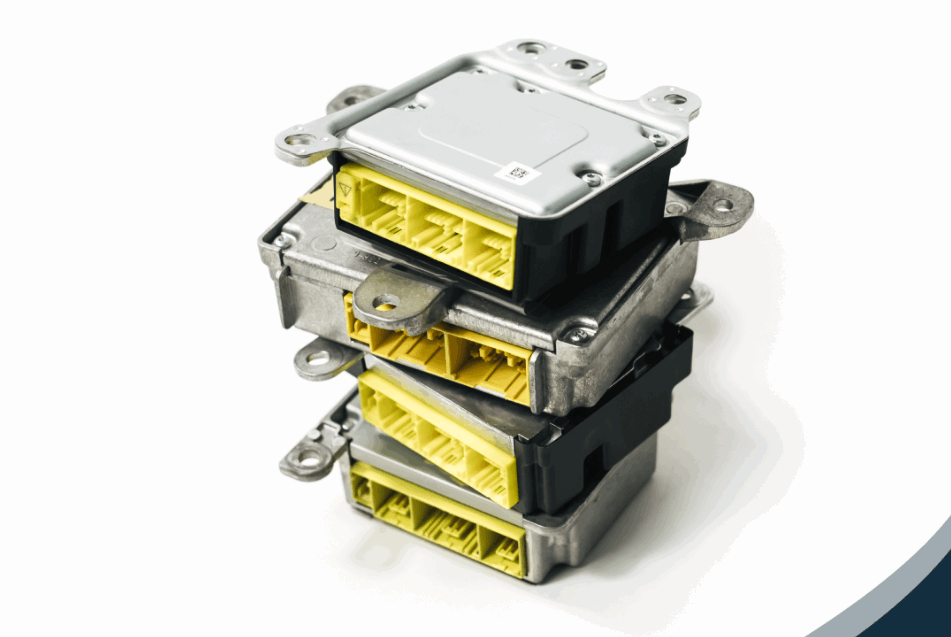
The Nissan B1049 code indicates a fault that requires attention to the Supplemental Restraint System. This system controls important safety functions, including the airbags. The control unit monitors its electrical circuits and records a fault when it detects an abnormal condition. B1049 may also trigger the airbag warning light on the dashboard.
Several electrical problems can cause this code. Damaged wiring can interrupt the circuit and prevent a stable electrical signal. Loose connectors and poor terminal contact can create similar problems. A faulty component within the affected circuit can also trigger B1049. The exact cause depends on the Nissan model, model year, and affected circuit. For this reason, technicians should confirm the code definition before replacing any component.
A Nissan with B1049 may still start, drive, and operate normally. However, normal driving does not confirm that the restraint system works correctly. The fault therefore requires proper diagnosis rather than a simple code reset.
Diagnosing Nissan B1049 starts with scanning the relevant control system and checking related trouble codes. The next steps include inspecting connectors, wiring, terminals, and the affected circuit. This guide explains the meaning, causes, symptoms, diagnosis, fixes, repair costs, driving considerations, and correct clearing procedure for Nissan B1049.
What Does the Nissan B1049 Code Mean?
Nissan B1049 indicates a fault within the vehicle’s Supplemental Restraint System. The SRS manages safety equipment such as airbags and related restraint components. Its control unit monitors electrical circuits for abnormal conditions. When the system detects a problem that matches B1049, it stores the code in its memory.
B1049 belongs to the body category of diagnostic trouble codes. This distinction matters because the code does not describe an engine or transmission problem. A Nissan can therefore start and drive normally while B1049 remains present. Normal vehicle operation does not prove that every restraint function works correctly.
The airbag warning light provides one visible sign of an SRS fault. The control unit can illuminate this light after detecting a problem in a monitored circuit. A diagnostic scanner with access to Nissan SRS data can then retrieve B1049. Basic code readers may not access every body or restraint module.
The exact component linked to B1049 requires model specific service information. Nissan uses different restraint configurations across models and production years. Technicians should therefore confirm the applicable code definition before testing individual components.
This verification prevents an incorrect diagnosis. A trouble code identifies the area where the control system detected a fault. It does not automatically prove that one specific part has failed. Proper diagnosis must identify the electrical or component failure that caused the system to record Nissan B1049.
What Causes the Nissan B1049 Code?
Nissan B1049 can result from wiring faults, connector problems, poor terminal contact, or a fault in the affected SRS circuit. The exact cause depends on the Nissan model and its restraint system configuration. Diagnosis should identify the failed circuit condition before any component replacement.
Damaged wiring is one possible cause. Wires can develop open circuits or unwanted electrical contact after physical damage. Harness damage can also interfere with the signal that the SRS control unit monitors. The control unit records a fault when circuit behavior falls outside its expected range.
Connector problems can produce a similar result. A loose connector may interrupt electrical contact between two parts of the circuit. Corrosion or damaged terminals can increase resistance and weaken the connection. Poor terminal contact can also create an intermittent fault. This condition may cause the warning light or code to appear inconsistently.
A fault in the component connected to the monitored circuit can also cause B1049. However, technicians should not replace that component based on the code alone. They should inspect the circuit and confirm the component condition first.
Previous repairs also deserve attention during diagnosis. A connector may remain loose after interior or restraint system work. Wiring can also suffer damage during component removal or installation. Finding the root cause requires checking the complete affected circuit rather than clearing B1049 and waiting for it to return.
What Are the Symptoms of Nissan B1049?
The main symptoms of Nissan B1049 include an airbag warning light, a stored SRS trouble code, and a possible restraint system malfunction. The vehicle may show few other noticeable symptoms. B1049 affects a safety related system rather than normal engine operation.
The airbag warning light provides the most visible indication of a problem. The SRS control unit monitors the restraint system whenever the vehicle operates. It can turn on the warning light when it detects an abnormal circuit condition. The light may remain on or follow a warning pattern, depending on the vehicle and fault status.
A stored B1049 code provides another diagnostic symptom. A compatible scanner can access the SRS control unit and retrieve the code. Technicians should also check for additional SRS codes. Multiple codes can provide more context about the affected circuit or a related electrical problem.
Drivers may not notice changes in acceleration, shifting, steering, or engine performance. The vehicle can appear to operate normally because B1049 does not primarily describe a powertrain fault. This lack of driving symptoms can make the problem seem less serious.
However, normal driving behavior does not confirm proper SRS operation. A fault within the restraint system requires diagnosis because the system supports occupant protection during a collision. Drivers should treat an illuminated airbag warning light and stored B1049 code as reasons to inspect the system.
How Do You Diagnose the Nissan B1049 Code?
Diagnosing Nissan B1049 requires confirming the code, inspecting the affected circuit, testing electrical connections, and identifying the root cause. Technicians should follow the diagnostic procedure for the specific Nissan model. This approach prevents unnecessary component replacement.
What Should You Check First for Nissan B1049?
Start by scanning the SRS control unit with a compatible diagnostic tool. Confirm B1049 and record any additional trouble codes. Related codes can reveal another fault that affects the same circuit. Next, confirm the exact B1049 definition for the vehicle model and production year.
Inspect the relevant connectors and wiring after identifying the affected circuit. Look for loose connections, damaged insulation, corrosion, bent terminals, and previous repair damage. A visual inspection can reveal faults before electrical testing begins.
How Do You Test the Circuit for Nissan B1049?
Test the affected circuit according to Nissan service procedures. Check wiring continuity, terminal contact, and other specified electrical values. Compare each result with the specifications for that vehicle. Avoid using a generic value when Nissan provides a model specific specification.
Use the test results to isolate the fault. Repair wiring or connector problems when testing confirms them. Test the associated component before replacing it. After completing the repair, clear the stored code and check the system again.
SRS circuits require extra care during diagnosis. Follow Nissan safety procedures before disconnecting connectors or working near restraint components. Proper testing should identify the cause of B1049 without creating an additional SRS fault.
How Do You Fix the Nissan B1049 Code?
Fix Nissan B1049 by identifying and repairing the fault that caused the SRS control unit to store the code. The correct repair depends on the diagnostic results. Clearing the code alone does not fix the underlying problem.
Start with any wiring fault found during diagnosis. Repair damaged wires and restore proper circuit continuity. Replace severely damaged sections when a reliable repair is not possible. Inspect the surrounding harness as well. Physical damage can affect more than one wire in the same area.
Correct connector and terminal problems when testing identifies poor electrical contact. Secure loose connectors and inspect their locking mechanisms. Clean or repair corroded terminals according to the appropriate service procedure. Replace damaged terminals or connectors when they cannot maintain reliable electrical contact.
Replace an associated SRS component only after testing confirms that it has failed. A stored B1049 code does not prove that a specific component needs replacement. Wiring and connector faults can produce similar circuit conditions. Testing these areas first can prevent unnecessary parts replacement.
Complete the repair by checking every connection disturbed during the procedure. Then clear B1049 with a compatible diagnostic scanner. Cycle the system as required and scan the SRS control unit again. The code should not return after a successful repair.
Follow Nissan service procedures when working on SRS circuits. Airbags and related restraint components require specific safety precautions. Professional diagnosis remains the safer option when the repair requires direct work on these components.
How Much Does It Cost to Fix Nissan B1049?
The cost to fix Nissan B1049 depends on the failed circuit, required labor, and parts needed for the repair. A simple connector problem can require much less work than a failed SRS component. Diagnosis must identify the cause before anyone can estimate the total cost accurately.
Diagnostic labor represents the first part of the repair cost. A technician needs to scan the SRS control unit and confirm B1049. The technician may then inspect the harness, connectors, terminals, and affected circuit. Electrical testing adds labor time when visual inspection does not reveal the fault.
Wiring repairs vary in complexity. Repairing an accessible damaged wire may require limited labor and materials. Damage inside a larger harness can require more disassembly and testing. Connector or terminal replacement can also increase labor when technicians need access behind interior panels.
Component replacement usually adds both parts and labor costs. The final amount depends on which component testing identifies as faulty. Nissan model, model year, part availability, and local labor rates can also change the total.
An accurate estimate should therefore follow diagnosis rather than precede it. Ask the repair shop to separate diagnostic labor, parts, and repair labor on the estimate. This breakdown makes the proposed Nissan B1049 repair easier to evaluate and helps prevent unnecessary component replacement.
Can You Drive With the Nissan B1049 Code?
A Nissan with B1049 may still drive normally, but you should not ignore the code. B1049 concerns the Supplemental Restraint System rather than the engine or transmission. As a result, the fault may not affect acceleration, shifting, steering, or normal engine operation.
Normal drivability does not confirm that the restraint system works correctly. The SRS supports occupant protection during a collision. A fault within this system can affect its ability to perform as designed. The airbag warning light provides an important indication that the system needs inspection.
Arrange a diagnosis when B1049 appears with the airbag warning light. A technician should confirm the exact code definition for the Nissan model and identify the affected circuit. The technician can then inspect the wiring, connectors, terminals, and related components. This process determines whether the fault comes from an electrical connection or a failed component.
Do not judge the severity of B1049 only by how the vehicle feels while driving. A car can run normally while a safety system stores a fault. The absence of engine symptoms does not make an SRS problem irrelevant.
Avoid unnecessary work on airbag components while B1049 remains active. SRS repairs require specific safety procedures and diagnostic information. Seek professional service when diagnosis requires direct testing or removal of restraint system components.
How Do You Clear the Nissan B1049 Code?
Clear Nissan B1049 after diagnosing and repairing the fault that caused the control unit to store it. A compatible diagnostic scanner can erase the stored code after the repair. Clearing B1049 before fixing the cause only removes the recorded fault temporarily.
Start by confirming the code and completing the required diagnostic tests. Inspect the affected wiring, connectors, terminals, and related component. Repair every confirmed fault before attempting the final reset. This sequence prevents the code clearing process from hiding an unresolved problem.
Connect a diagnostic scanner that can communicate with the Nissan SRS control unit. Follow the scanner procedure to erase the trouble code. Then cycle the system according to the applicable service procedure. Scan the control unit again and confirm that B1049 does not return.
The code can return when the original fault remains present. Damaged wiring may continue to interrupt the circuit. A loose terminal can also create an intermittent connection. In these cases, clearing the code changes the stored diagnostic information but does not repair the circuit.
B1049 may also return after an incomplete repair. Rescan the SRS system when this happens and repeat the relevant circuit tests. Focus on finding the root cause instead of repeatedly erasing the code. A successful repair should correct the fault and prevent B1049 from returning under the same operating conditions.
What Should You Do When Your Nissan Has the B1049 Code?
When your Nissan has the B1049 code, confirm the fault and diagnose the affected SRS circuit before replacing any parts. Start with a scanner that can communicate with the Supplemental Restraint System. Check B1049 and record any related trouble codes that may help identify the problem.
Next, confirm the correct B1049 definition for your Nissan model and model year. Inspect the relevant wiring, connectors, and terminals before testing the associated component. This process helps identify the root cause and reduces unnecessary parts replacement.
Repair every confirmed electrical or component fault before clearing the code. After the repair, erase B1049 with a compatible scanner and check the SRS system again. A code that returns indicates that the fault remains present or requires further diagnosis.
Do not ignore B1049 simply because the vehicle still drives normally. Normal engine performance does not confirm correct restraint system operation. Follow Nissan service procedures for SRS work and use professional diagnostic service when the repair involves airbags or other restraint components.