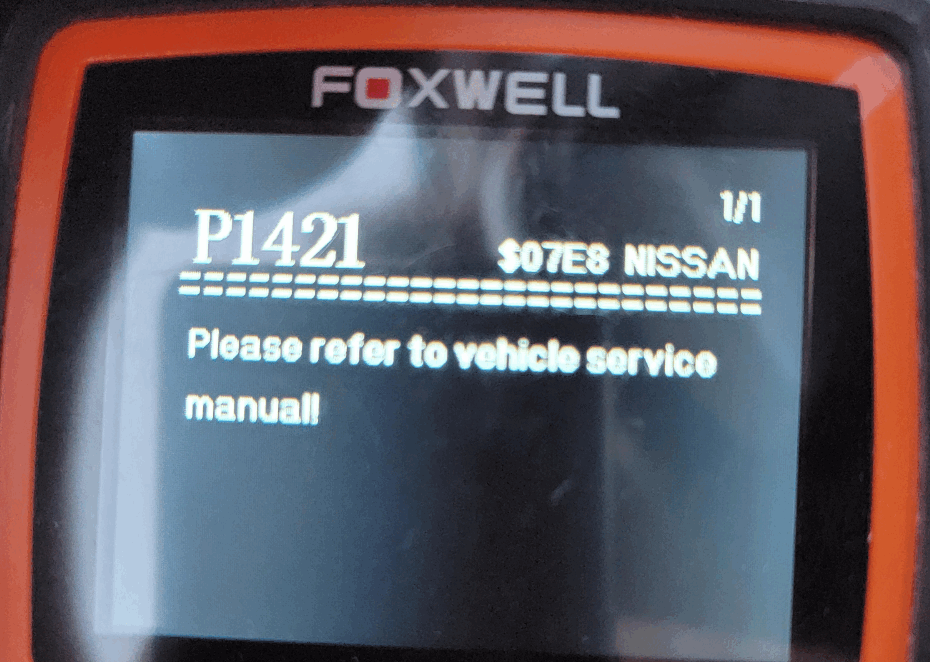
The Nissan P1421 code indicates that the Engine Control Module has detected an emissions related fault. Nissan uses this manufacturer specific code for certain models and engine configurations. Therefore, drivers should check the correct service information before replacing any component.
The Check Engine Light may turn on when the ECM detects the fault. However, the vehicle may still run normally in some cases. P1421 also does not confirm that one specific part has failed. A faulty component, damaged wiring, or poor electrical connection may trigger the code. The exact cause depends on the Nissan model, engine, and conditions that set the fault.
A proper diagnosis starts with an OBD II scanner and a complete code scan. Next, inspect the related components, connectors, and wiring for visible problems. Component tests can then identify the actual source of the fault. This process helps prevent unnecessary repairs and repeated warning lights.
This guide explains the meaning, causes, symptoms, severity, diagnosis, and fixes for Nissan P1421. It also covers repair costs and explains why the code may return after a repair.
What Does the Nissan P1421 Code Mean?
The Nissan P1421 code indicates a problem that the Engine Control Module detects during emissions system monitoring. P1421 is a manufacturer specific diagnostic trouble code. Therefore, its exact definition can depend on the Nissan model, model year, engine, and control system.
The Engine Control Module monitors several systems while the engine operates. It uses sensor signals and programmed conditions to determine whether each monitored system works correctly. When the ECM detects data outside the expected range, it can record a diagnostic trouble code. It may also turn on the Check Engine Light after the fault meets the required detection conditions.
P1421 does not identify a failed part by itself. Instead, the code points technicians toward a system or operating condition that requires further testing. A component fault may cause the problem. Damaged wiring or a poor electrical connection can also create an abnormal signal. For this reason, replacing a component based only on the code can lead to an incorrect repair.
The exact meaning also matters because manufacturers use some OBD II codes differently. A technician should confirm P1421 with service information that matches the vehicle. The Nissan model, production year, engine, and related stored codes can narrow the diagnosis. Freeze frame data can provide additional context by showing engine conditions when the ECM detected the fault. These details help identify the actual cause before any repair begins.
What Causes the Nissan P1421 Code?
The Nissan P1421 code can result from a component fault, an electrical problem, or incorrect operation within the monitored emissions system. The exact cause depends on the Nissan model, engine, and model year. For this reason, technicians should confirm the vehicle specific definition before testing or replacing parts.
A malfunctioning component within the monitored circuit can cause the ECM to detect an unexpected value. The component may stop operating correctly or respond outside its expected range. The ECM compares this operation with its programmed criteria. It can set P1421 when the results fail to meet those criteria.
Electrical faults can create the same result even when the component still works. Damaged wiring may interrupt voltage, ground, or signal flow between the component and ECM. Loose connectors can also create intermittent faults. Corrosion at electrical terminals can increase resistance and change the signals that reach the ECM.
Diagnostic conditions also matter. The ECM runs different monitors only after the vehicle meets specific operating requirements. Engine temperature, vehicle speed, engine load, and other parameters may affect when a monitor runs. This explains why P1421 may disappear temporarily and return during a later drive.
Technicians should not replace a part based on P1421 alone. They should first inspect the related circuit and confirm component operation. Nissan service information can provide the correct test procedure and specifications. This approach separates an actual component failure from wiring, connector, and control problems.
What Are the Symptoms of Nissan P1421?
The most noticeable symptom of Nissan P1421 is often an illuminated Check Engine Light. However, the symptoms can vary between Nissan models and engine configurations. Some drivers may notice no change in normal engine operation. Others may discover the code only after scanning the vehicle.
The Check Engine Light appears when the ECM identifies a fault that meets its detection criteria. P1421 may remain in the ECM memory even when the problem does not affect everyday driving. This situation makes an OBD II scanner important for identifying the stored code. A warning light alone cannot show which component caused the problem.
Some vehicles may show additional symptoms when another fault affects the same system. These symptoms can include changes in engine operation or emissions performance. However, P1421 alone does not prove that these symptoms share the same cause. Other stored trouble codes can provide useful diagnostic context.
Intermittent problems can also make the symptoms inconsistent. A loose connector or damaged wire may create a fault only under certain conditions. Temperature, vibration, or engine operation can change the electrical connection. As a result, the Check Engine Light may appear after specific driving conditions.
Drivers should scan the vehicle when the Check Engine Light appears. The scan results can show P1421 and any related codes stored by the ECM. Technicians can then compare those codes with vehicle specific service information. This process provides more useful evidence than judging the fault from symptoms alone.
How Serious Is the Nissan P1421 Code?
The Nissan P1421 code requires diagnosis, but the code alone does not prove that the vehicle is unsafe to drive. The level of urgency depends on the underlying fault. It also depends on any additional trouble codes and symptoms that appear with P1421.
A Nissan may continue to run normally while the ECM stores this code. In that situation, the driver may notice only the Check Engine Light. However, normal engine operation does not mean the fault should be ignored. The ECM detected an abnormal condition, so the vehicle needs further testing to identify its source.
Drivers should pay closer attention when P1421 appears with other warning signs. Poor engine operation, additional warning lights, unusual noises, or major changes in vehicle behavior require further inspection. Related diagnostic trouble codes can also change the severity of the problem. They may reveal another fault that needs faster attention.
P1421 can also create problems during an emissions inspection if it keeps the Check Engine Light on. Clearing the code before an inspection does not repair the underlying fault. It can also reset OBD II readiness monitors. The vehicle may need additional driving before those monitors complete their tests again.
You can generally base the next step on the vehicle’s condition. Scan all stored codes and check for abnormal symptoms first. Then diagnose P1421 using service information for the specific Nissan. This approach helps determine whether the vehicle needs immediate repair or scheduled diagnostic service.
How Do You Diagnose the Nissan P1421 Code?
The correct way to diagnose Nissan P1421 is to confirm the code, review related data, inspect the circuit, and test the affected system. Diagnosis should identify the root cause before any technician replaces a component. This process reduces unnecessary repairs and helps prevent the code from returning.
Start by connecting an OBD II scanner and reading all stored trouble codes. Do not focus on P1421 alone if the ECM stores additional codes. Related codes can identify another fault within the same system. Review the freeze frame data as well. This information shows operating conditions from the time the ECM detected the problem.
Next, inspect the relevant wiring and electrical connectors. Look for loose connections, corrosion, damaged insulation, broken wires, and contaminated terminals. A poor connection can change voltage or signal values. The ECM may interpret those abnormal values as a system fault. Repair visible electrical damage before performing more complex tests.
After the visual inspection, test the circuit and related components. A digital multimeter can measure voltage, resistance, ground integrity, and continuity where the diagnostic procedure requires them. Compare each result with the specifications for the exact Nissan model and engine. Avoid using specifications from a different model or production year.
Finally, clear P1421 after correcting the confirmed fault. Operate the vehicle under the required monitoring conditions and scan the ECM again. A successful repair should allow the relevant monitor to run without resetting P1421. If the code returns, continue testing instead of replacing additional parts without evidence.
How Do You Fix the Nissan P1421 Code?
The correct fix for Nissan P1421 is to repair the fault that caused the ECM to detect the abnormal condition. There is no single repair that applies to every Nissan with this code. The required fix depends on the diagnostic results, vehicle model, engine, and model year.
Start with any wiring or connector problems found during diagnosis. Repair broken wires, damaged insulation, loose terminals, or corroded connections. Electrical faults can prevent a working component from sending the correct signal to the ECM. Fixing the circuit may solve P1421 without replacing the related component.
Replace a component only after testing confirms that it has failed. Compare the test results with Nissan specifications before installing a new part. This step helps prevent unnecessary replacement costs. It also reduces the risk of P1421 returning because the original problem remained in the circuit.
Some repairs require more diagnostic experience than others. A vehicle owner may handle a basic visual inspection or reconnect an obviously loose connector. Electrical testing requires the correct tools and specifications. Complex circuit faults may require a professional technician with access to Nissan service information.
After completing the repair, clear P1421 with an OBD II scanner. Start the engine and check for warning lights or abnormal operation. Then drive the vehicle under the conditions required for the relevant monitor to run. Scan the ECM again after the test. If P1421 does not return, the repair likely corrected the detected fault. If it returns, repeat the diagnostic process and look for an unresolved or intermittent problem.
How Much Does It Cost to Fix Nissan P1421?
The cost to fix Nissan P1421 depends on the actual fault, required parts, labor time, and vehicle configuration. The code itself does not identify one failed component. Therefore, an accurate repair estimate requires diagnosis before parts replacement begins.
Diagnostic labor creates the first part of the total cost. A technician may need to scan the ECM, review related codes, and inspect electrical connections. The diagnostic process may also require circuit and component testing. A simple visible wiring problem usually requires less diagnostic time than an intermittent electrical fault.
Parts costs depend on what testing identifies. A damaged connector or wire may require only a minor electrical repair. A failed component can increase the total because the repair includes both the replacement part and installation labor. Nissan model, engine type, part availability, and local labor rates can also change the final price.
Avoid estimating the repair cost from P1421 alone. Replacing a suspected component without testing can make the repair more expensive. The new part will not solve the problem if damaged wiring caused the original fault. The vehicle may then set P1421 again.
Ask for a diagnosis and a repair estimate before approving major work. The estimate should identify the confirmed fault, required repair, parts cost, and labor cost. This approach provides a more useful price than a generic P1421 repair range and reduces unnecessary parts replacement.
Why Does Nissan P1421 Come Back After Repair?
The Nissan P1421 code can return when the original fault remains or the repair does not correct its root cause. Clearing the code only removes stored diagnostic information from the ECM. It does not repair the condition that triggered P1421.
An incorrect diagnosis is one reason the code may return. A technician may replace a suspected component while damaged wiring remains in the circuit. A loose terminal or corroded connector can also continue to affect the electrical signal. The ECM can detect the same abnormal condition when it runs the monitor again.
Intermittent faults can make the problem harder to confirm. Heat, vibration, moisture, or vehicle movement may affect a weak electrical connection. The circuit may work normally during an inspection and fail later. Reviewing freeze frame data can help identify the conditions that existed when P1421 returned.
The code may also reappear after the ECM completes another monitoring cycle. Clearing diagnostic codes resets stored information and can affect readiness monitor status. The ECM must run its tests again under the required operating conditions. It will store P1421 again if it detects the same fault during those tests.
A proper repair requires verification after the technician corrects the confirmed problem. Clear the code, operate the vehicle under suitable monitoring conditions, and scan the ECM again. If P1421 returns, inspect the system for an unresolved or intermittent fault. Do not continue replacing parts without diagnostic evidence.
Conclusion
The Nissan P1421 code requires a complete diagnosis before any repair or parts replacement. The code tells you that the ECM detected a fault during its monitoring process. However, P1421 alone does not confirm which component caused the problem.
Start by scanning all stored codes and reviewing available freeze frame data. Next, inspect the related wiring, connectors, and components. Test the circuit against the correct Nissan specifications before replacing any part. This process helps identify the root cause and reduces unnecessary repair costs.
After fixing the confirmed fault, clear P1421 and operate the vehicle under suitable monitoring conditions. Scan the ECM again to verify the repair. A returning code usually indicates an unresolved or intermittent problem that needs further diagnosis.
The most effective approach follows a clear sequence: identify the code, diagnose the fault, repair the cause, and verify the result. This method addresses the condition that triggered Nissan P1421 instead of simply turning off the Check Engine Light.