
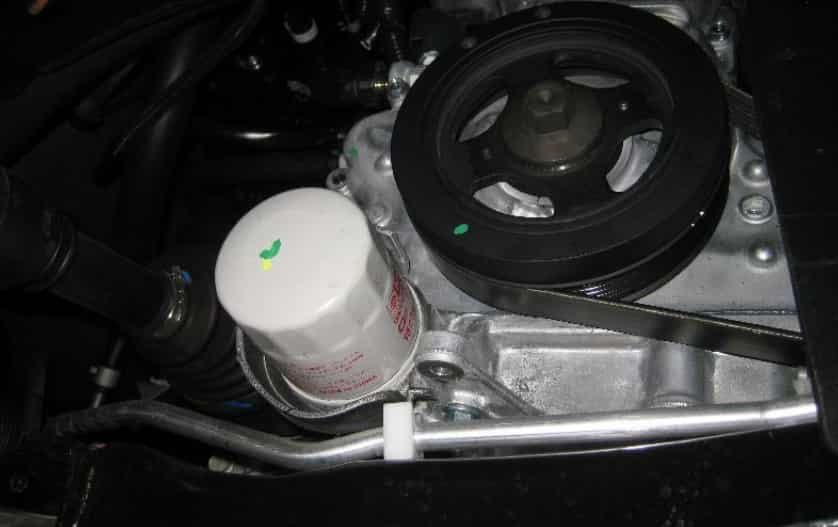
Finding the Nissan Altima oil filter location is the first step before changing the engine oil. Many owners assume the filter is easy to spot. However, its position varies by model year, engine type, and vehicle generation. Knowing the correct location saves time and helps prevent unnecessary mistakes.
The oil filter removes dirt, metal particles, and other contaminants from the engine oil. Clean oil allows internal components to stay properly lubricated. It also reduces engine wear and helps maintain reliable performance. Replacing the oil filter during every oil change is one of the simplest ways to protect your engine.
The Nissan Altima oil filter location is not identical across all models. Older vehicles often place the filter near the front of the engine block. Newer generations may position it behind a splash shield or inside the passenger side wheel well. The exact location depends on the engine installed in your vehicle.
This guide covers the Nissan Altima oil filter location for model years 2002 through 2025. You will learn where to find the filter on each generation. You will also discover the differences between engine options, the tools required, and the correct replacement procedure. By the end of this guide, you will be ready to complete a safe and efficient DIY oil change with confidence.
Where Is the Nissan Altima Oil Filter Located?
The Nissan Altima oil filter is usually located near the lower part of the engine. Most models place it on the passenger side of the engine block. Depending on the model year, you can reach it from underneath the vehicle or through the passenger side wheel well.
The exact location varies by engine and generation. Older Nissan Altima models often have the oil filter mounted near the front of the engine. Many newer models hide it behind a plastic splash shield to improve aerodynamics and protect engine components. Some vehicles also include a small access panel that makes routine maintenance easier.
If your Altima has a 2.5L four cylinder engine, the oil filter is typically easy to reach after lifting the vehicle safely. Owners of the 3.5L V6 or the 2.0L VC Turbo engine may notice a different layout because of engine packaging. Checking your engine type before starting the job helps you locate the filter more quickly.
Before removing the oil filter, allow the engine to cool completely. Raise the vehicle on a level surface and secure it with jack stands. Place a drain pan beneath the filter to catch any remaining oil. These simple steps make the oil change cleaner and much safer.
Nissan Altima Oil Filter Location by Model Year
The Nissan Altima oil filter location has changed over the years. Engine updates and chassis redesigns have affected where the filter is installed. Knowing your model year makes the job faster and helps you avoid removing unnecessary panels.
2002 to 2006 Nissan Altima Oil Filter Location
The 2002 to 2006 Nissan Altima is available with either a 2.5L four cylinder engine or a 3.5L V6 engine. On both engines, the oil filter is mounted near the lower section of the engine block. It is generally easier to access from underneath the vehicle after lifting the front end safely.
The filter sits close to the oil pan and can usually be reached without removing major components. A drain pan should be placed directly beneath the filter because a small amount of oil will spill during removal. Using an oil filter wrench can also make the job easier if the filter is tightly installed.
2007 to 2012 Nissan Altima Oil Filter Location
The oil filter remains near the lower engine area on most 2007 to 2012 Nissan Altima models. Access is still made from underneath the vehicle. However, some trims include a protective splash shield that must be removed first.
After removing the cover, the filter becomes easy to identify beside the engine block. Take a moment to inspect the surrounding area for oil leaks or damaged components. This is also a good time to check the condition of the drain plug and its sealing washer.
2013 to 2018 Nissan Altima Oil Filter Location
The 2013 to 2018 generation features one of the most recognizable oil filter layouts. Many models allow access through the passenger side wheel well. A small access panel inside the fender liner provides a direct path to the filter.
This design reduces the need to work directly under the engine. Even so, lifting the vehicle slightly creates more working space and improves safety. Remove the access panel carefully to avoid breaking the plastic clips before reaching the oil filter.
2019 to 2025 Nissan Altima Oil Filter Location
The 2019 to 2025 Nissan Altima uses a redesigned engine compartment. The oil filter remains near the lower side of the engine, but its exact position depends on the engine option. Some models require access from underneath the vehicle, while others can still be serviced through the passenger side.
A plastic engine cover or splash shield may partially block the filter. Remove only the necessary fasteners to reach the filter safely. Before installing a new filter, clean the mounting surface and confirm that the old gasket has been removed. This simple inspection helps prevent oil leaks after the engine is restarted.
Nissan Altima Oil Filter Location by Engine Type
The Nissan Altima oil filter location depends on the engine inside your vehicle. Each engine uses a different layout, so the filter sits in a slightly different position. Check your engine type before you begin the oil change. This simple step saves time and prevents unnecessary work.
2.5L QR25DE Engine
Nissan equipped many Altima models with the reliable QR25DE engine. Nissan mounts the oil filter near the lower front section of the engine block. You can reach it from underneath the vehicle after lifting the front safely.
Nissan positions the filter close to the oil pan, so it is easy to identify once you remove the splash shield. Use an oil filter wrench if the previous service tightened the filter too much. Inspect the old gasket before installing the new filter to prevent future leaks.
2.5L PR25DD Engine
Nissan introduced the PR25DD engine with the latest Altima generation. The company kept the filter near the lower part of the engine but rearranged nearby components. This design leaves less room for your hands and tools.
You can reach the filter from underneath the vehicle. Remove the lower splash shield first to improve visibility. Keep your tools away from nearby hoses and electrical connectors while working.
2.0L VC Turbo Engine
Nissan designed the VC Turbo engine with a compact engine layout. The turbocharger occupies additional space around the engine. As a result, you may need more time to locate the oil filter.
You can access the filter from underneath the vehicle after removing the protective cover. Allow the engine to cool before starting the job. This step reduces the risk of burns and makes the replacement more comfortable.
3.5L V6 Engine
Nissan designed the 3.5L V6 engine with a tighter engine compartment. The company places the oil filter near the lower side of the engine block. You can reach it from underneath the vehicle.
Working space is more limited than on the four cylinder engines. Use a compact oil filter wrench if you need extra clearance. Wipe the mounting surface clean before installing the new filter. Apply a thin layer of fresh engine oil to the new gasket. This helps create a secure seal and makes the next oil change much easier.
How to Locate the Oil Filter Before an Oil Change
Finding the oil filter before starting an oil change saves time and helps you avoid unnecessary frustration. Begin by parking your Nissan Altima on a level surface and applying the parking brake. Place wheel chocks behind the rear wheels to keep the vehicle from moving. Next, lift the front of the vehicle with a hydraulic jack and support it securely with jack stands. Never rely on the jack alone because it cannot provide stable support while you work underneath the vehicle. Taking a few extra minutes to prepare the work area improves both safety and efficiency.
Once the vehicle is secure, inspect the lower section of the engine. Many Nissan Altima models include a plastic splash shield that protects the engine and improves airflow beneath the vehicle. Remove the retaining clips or bolts carefully and set them aside for reinstallation. After removing the shield, look for a cylindrical metal filter attached to the engine block. In many models, the filter sits near the oil pan, while others place it closer to the passenger side of the engine compartment. Comparing the installed filter with the replacement part can help you confirm that you have located the correct component before you begin.
Before loosening the filter, inspect the surrounding area for signs of oil leaks, damaged hoses, or loose fasteners. Position a drain pan directly beneath the filter because a small amount of oil will drain out during removal. Clean away dirt and debris around the mounting area to prevent contaminants from entering the engine. Completing these simple checks before removing the oil filter makes the replacement process cleaner, faster, and much safer.
Tools Needed to Replace a Nissan Altima Oil Filter
Preparing the right tools before you begin makes every oil change faster and more efficient. It also reduces the risk of damaging engine components or interrupting the job halfway through. Most Nissan Altima models require only a few basic tools, so many owners can complete this maintenance task at home without professional equipment. A quality oil filter wrench helps loosen a tight filter, while a socket wrench removes the drain plug quickly and safely. You should also prepare a drain pan large enough to collect the used engine oil without spilling it onto the ground. Keeping a funnel nearby makes it easier to refill the engine with fresh oil and prevents unnecessary mess around the engine bay.
In addition to basic hand tools, you should always use the correct safety equipment. A hydraulic jack allows you to raise the front of the vehicle, but jack stands provide the support needed while you work underneath it. Never rely on the jack alone because it can lose pressure unexpectedly. Wear protective gloves to keep used engine oil away from your skin, and use safety glasses to protect your eyes from dirt or oil splashes. Clean shop towels or microfiber cloths also help you wipe away excess oil and inspect the mounting surface before installing the new filter. These simple items improve both safety and accuracy during the replacement process.
Before purchasing replacement parts, compare the new oil filter with the old one to confirm that both share the same size and thread pattern. You should also check your owner’s manual for the recommended oil viscosity and engine oil capacity. Preparing everything before you start allows you to complete the oil filter replacement without unnecessary delays. It also helps you avoid common mistakes that can lead to oil leaks or improper engine lubrication after the service is complete.
Step by Step Nissan Altima Oil Filter Replacement Guide
Replacing the oil filter on a Nissan Altima is a straightforward task when you follow the correct order. Start by parking the vehicle on a flat surface and allowing the engine to cool completely. Raise the front of the vehicle with a hydraulic jack and secure it with jack stands before working underneath. Position a drain pan beneath the oil pan, then remove the drain plug with the correct socket. Allow the old engine oil to drain completely before moving to the next step. This process reduces the chance of spilling oil while you remove the filter.
After draining the oil, locate the oil filter and loosen it with an oil filter wrench if necessary. Turn the filter counterclockwise until you can remove it by hand. Check the mounting surface carefully and make sure the old rubber gasket did not remain attached to the engine. Leaving the old gasket in place can cause serious oil leaks after you install the new filter. Before installing the replacement filter, apply a thin layer of fresh engine oil to the new gasket. Thread the filter onto the mounting base by hand until the gasket contacts the sealing surface. Tighten the filter according to the manufacturer’s recommendation without using excessive force.
Reinstall the drain plug and tighten it to the proper torque specification. Refill the engine with the recommended type and amount of engine oil, then reinstall the oil filler cap. Start the engine and let it idle for a few minutes while you inspect the oil filter and drain plug for leaks. Turn off the engine and wait several minutes before checking the oil level with the dipstick. Add more oil if necessary until the level reaches the recommended range. Finally, reset the maintenance reminder if your Nissan Altima includes one. Completing these steps carefully helps protect the engine and ensures the new oil filter performs as intended.
Common Problems When Finding or Replacing the Nissan Altima Oil Filter
Many Nissan Altima owners encounter small problems during an oil change, especially if they perform the service for the first time. Most issues occur because the oil filter sits in a tight space or because the previous installation was not completed correctly. Understanding these common problems before you begin can save time and prevent costly repairs. A careful inspection and the right technique often make the replacement process much easier.
One of the most common issues is a filter that refuses to loosen. This problem usually happens when someone overtightened the filter during the previous oil change. An oil filter wrench provides extra grip and makes removal easier without damaging the filter housing. Another common mistake involves the old rubber gasket. Always check the mounting surface after removing the old filter. If the gasket remains attached to the engine, the new filter cannot create a proper seal. This mistake often leads to oil leaks as soon as the engine starts. You should also inspect the splash shield and the retaining clips before reinstalling them because damaged clips can leave the lower engine exposed to dirt and road debris.
Some owners also struggle to identify the correct oil filter, especially when working in a dimly lit garage or underneath the vehicle. Comparing the replacement filter with the original part helps confirm the correct size and thread pattern before installation. After completing the oil change, start the engine and inspect the filter, drain plug, and surrounding area for leaks. Wait several minutes, then check the engine oil level with the dipstick and add oil if necessary. Taking these final steps helps verify that the new filter seals correctly and that the lubrication system operates as expected. A few extra minutes of inspection can prevent future leaks, protect the engine, and give you confidence that the maintenance was completed successfully.
Nissan Altima Oil Filter Specifications
Knowing the correct oil filter specifications helps you choose the right replacement and avoid installation problems. Although many aftermarket filters look similar, they may differ in size, thread pattern, gasket diameter, or filtration performance. Using the correct filter ensures a secure seal and allows the engine lubrication system to operate efficiently. Before purchasing a replacement, confirm your Nissan Altima model year, engine type, and the manufacturer’s recommended specifications.
Many Nissan Altima owners prefer genuine Nissan oil filters because they match the original factory design and meet the manufacturer’s performance standards. However, several reputable aftermarket brands also produce high quality filters that meet or exceed OEM requirements. When comparing oil filters, pay close attention to the thread size, gasket dimensions, overall filter height, and bypass valve design. These specifications determine whether the filter fits correctly and maintains proper oil pressure during engine operation. Installing a filter with the wrong dimensions can lead to poor sealing, restricted oil flow, or premature engine wear.
You should also inspect the replacement filter before installation. Compare it with the old filter to confirm that both share the same diameter, sealing gasket, and threaded opening. If you notice any visible differences, verify the part number before continuing with the oil change. Following the recommended tightening specification also helps protect the sealing gasket and prevents future leaks. A properly selected oil filter supports clean oil circulation, improves engine reliability, and extends the service life of internal engine components. Taking a few extra minutes to verify the specifications gives you greater confidence that the replacement will perform as intended throughout the entire oil change interval.
Best Oil Filters for Nissan Altima
Choosing a high quality oil filter is just as important as locating it correctly. A well designed filter removes dirt, metal particles, and sludge before these contaminants circulate through the engine. It also helps maintain stable oil pressure and supports consistent lubrication under different driving conditions. Selecting a filter that matches your Nissan Altima model year and engine type ensures proper fitment and reliable performance throughout the entire service interval.
Many owners choose a genuine Nissan oil filter because it matches the original equipment specifications. Genuine filters provide the correct dimensions, gasket design, and filtration efficiency for the engine. They also reduce the risk of fitment issues during installation. If you prefer an aftermarket option, several trusted manufacturers produce filters that meet or exceed OEM standards. Brands such as FRAM, WIX, Bosch, Purolator, and Mobil 1 have built strong reputations for filtration performance and durability. Each brand offers multiple product lines, so always verify compatibility before making a purchase.
Price should never be the only factor when selecting an oil filter. A low quality filter may restrict oil flow, wear out quickly, or fail to capture fine contaminants. Instead, compare the filter’s construction, filtration media, bypass valve design, and anti drain back valve before making your decision. Reading the product specifications and confirming the correct part number can help you avoid installation problems later. A quality oil filter works together with fresh engine oil to protect internal engine components, improve long term reliability, and support smooth engine performance. Investing in a trusted replacement filter gives your Nissan Altima the protection it needs between every scheduled oil change.
Engine Oil Capacity by Model Year
Knowing the correct engine oil capacity is essential before replacing the oil filter. Every Nissan Altima engine requires a specific amount of oil to maintain proper lubrication and cooling. Adding too little oil can increase engine wear, while adding too much may create excessive pressure and reduce performance. Always verify the recommended capacity for your model year and engine before refilling the crankcase.
Older Nissan Altima models from 2002 through 2006 use different oil capacities depending on whether the vehicle has the 2.5L four cylinder engine or the 3.5L V6 engine. The same rule applies to later generations because Nissan introduced new engines and updated existing designs over time. Although many capacities differ by only a small amount, even a minor overfill or underfill can affect engine operation. After completing the oil change, refill the engine with the recommended quantity, start the engine for a few minutes, and then check the oil level with the dipstick. Add more oil only if the level remains below the recommended range.
Before performing an oil change, consult your owner’s manual or the official Nissan service information for the exact oil capacity that matches your vehicle. You should also replace the oil filter during every scheduled oil change because the filter retains a small amount of used oil after the engine stops. Installing a new filter and refilling the engine with the correct amount of fresh oil helps maintain stable oil pressure and improves long term engine protection. Taking a few extra minutes to confirm the correct capacity can prevent lubrication problems and keep your Nissan Altima running smoothly for many years.
Recommended Engine Oil for Nissan Altima
Using the correct engine oil is just as important as installing the right oil filter. Engine oil lubricates moving parts, reduces friction, controls engine temperature, and carries contaminants to the oil filter. Choosing the recommended oil helps the engine perform efficiently and protects internal components from premature wear. Before purchasing engine oil, always confirm the specification that matches your Nissan Altima model year and engine.
Most modern Nissan Altima models operate best with full synthetic engine oil because it provides excellent protection in both high and low temperatures. Many recent models recommend SAE 0W20, while some older engines may require SAE 5W30. The correct viscosity depends on the engine design, local climate, and the manufacturer’s service recommendations. Using the wrong oil grade can reduce fuel efficiency, increase engine wear, and affect overall performance. Checking the owner’s manual before every oil change remains the most reliable way to verify the correct specification.
Quality also matters when selecting engine oil. Choose a product that meets the latest industry standards and the specifications recommended by Nissan. High quality synthetic oil maintains stable viscosity, resists oxidation, and protects the engine during extended driving conditions. It also works more effectively with a new oil filter to remove contaminants and maintain clean oil circulation throughout the engine. Replacing both the engine oil and the oil filter at the recommended interval provides the best protection for your Nissan Altima. This simple maintenance routine helps extend engine life, improve reliability, and support consistent performance in everyday driving.
Nissan Altima Oil Change Interval
Following the recommended oil change interval helps protect your Nissan Altima engine and keeps the lubrication system working efficiently. Fresh engine oil reduces friction, removes heat, and carries harmful contaminants to the oil filter. Over time, the oil loses its protective properties and the filter gradually fills with debris. Replacing both components at the correct interval helps maintain engine performance and reduces long term wear.
The ideal oil change interval depends on your driving habits, engine type, and the oil you use. Most modern Nissan Altima models that use full synthetic oil can travel longer between services than older models that use conventional oil. However, frequent short trips, stop and go traffic, extreme temperatures, dusty roads, and towing place additional stress on the engine. These conditions cause the engine oil to break down more quickly and increase the amount of contaminants that collect inside the oil filter. If you regularly drive under these conditions, consider changing the engine oil and oil filter sooner than the maximum recommended service interval.
Your Nissan Altima may also show several signs when it needs fresh engine oil. A dashboard maintenance reminder, darker engine oil, increased engine noise, reduced fuel economy, or a burning oil smell often indicates that maintenance is due. Ignoring these warning signs can reduce lubrication quality and increase engine wear over time. Checking the engine oil level and condition every month helps you identify potential problems before they become expensive repairs. Replacing the oil filter during every oil change ensures that clean engine oil continues to circulate through the engine. Following a consistent maintenance schedule is one of the simplest ways to improve reliability and extend the life of your Nissan Altima.
Frequently Asked Questions
Is the Nissan Altima oil filter easy to access?
Most Nissan Altima models provide reasonable access to the oil filter, but the exact location depends on the model year and engine type. Some vehicles allow access through the passenger side wheel well, while others require you to work underneath the vehicle after removing the splash shield. Checking your owner’s manual before starting the oil change can save time and help you locate the filter more quickly.
Do I need to remove the front wheel to reach the oil filter?
In most cases, you do not need to remove the front wheel. Many owners can reach the oil filter by turning the steering wheel to create additional space or by opening the access panel inside the wheel well. However, lifting the vehicle safely provides better visibility and makes the replacement process more comfortable.
Should I replace the oil filter every time I change the oil?
Yes. Replacing the oil filter during every oil change helps keep fresh engine oil free from dirt, sludge, and metal particles. An old filter can hold contaminants from the previous service and reduce the effectiveness of the new engine oil. Installing a new filter during each oil change provides better engine protection and supports long term reliability.
What happens if I install the wrong oil filter?
An incorrect oil filter may not seal properly or provide the required oil flow. This problem can reduce oil pressure and increase engine wear over time. Before installation, compare the replacement filter with the original part and verify the correct part number for your Nissan Altima model year and engine.
Why is my oil filter difficult to remove?
An oil filter often becomes difficult to remove because someone tightened it too much during the previous service. Heat from the engine can also cause the gasket to stick to the mounting surface. An oil filter wrench usually provides enough leverage to loosen the filter without damaging nearby components.
How can I prevent oil leaks after replacing the filter?
Clean the mounting surface before installing the new filter and make sure the old gasket has been removed completely. Apply a thin layer of fresh engine oil to the new gasket, then tighten the filter according to the manufacturer’s recommendation. After starting the engine, inspect the filter and drain plug carefully for any signs of leakage.
Can I change the oil filter without changing the engine oil?
Although it is technically possible, it is not recommended. Removing the oil filter releases some engine oil and introduces clean filtration media into a system that still contains used oil. Replacing both the engine oil and the oil filter at the same time provides better lubrication and keeps the engine cleaner.
Where can I find the correct oil filter for my Nissan Altima?
You can find the correct oil filter by checking your owner’s manual, using an online parts catalog, or asking an authorized Nissan parts department. Always verify the model year, engine type, and part number before purchasing a replacement. This simple step helps ensure proper fitment and reliable engine protection.
Conclusion
Understanding the Nissan Altima oil filter location makes routine maintenance easier and helps you complete every oil change with greater confidence. Although the filter location varies by model year and engine type, the replacement process follows the same basic principles. Identifying the correct filter location, using the proper tools, and following the recommended installation procedure all help protect your engine from unnecessary wear and costly repairs.
This guide has covered the Nissan Altima oil filter location for different generations, explained how engine design affects filter placement, and outlined the correct steps for replacing the filter safely. You have also learned how to choose the right oil filter, select the recommended engine oil, confirm the correct oil capacity, and recognize the best time to perform routine maintenance. Together, these practices help maintain proper lubrication, improve engine efficiency, and extend the service life of your vehicle.
Whether you perform your own maintenance or simply want to understand the process before visiting a repair shop, knowing where the oil filter is located gives you a valuable advantage. Always verify your Nissan Altima model year and engine before purchasing replacement parts, and follow the maintenance schedule recommended for your vehicle. Regular oil and filter changes remain one of the simplest and most effective ways to keep your Nissan Altima running smoothly, improve long term reliability, and support dependable performance for years to come.