The Nissan Z24 engine is an inline-four engine developed by Nissan. It powers many older pickup trucks and light commercial vehicles. The engine earned a reputation for simple design and long service life. However, many owners today still report frequent Nissan Z24 Engine Problems.
These problems often come from engine age and wear. Some issues also come from outdated fuel system design. The carburetor system plays a major role in this weakness. As parts age, the engine loses stability and performance drops.
Drivers usually notice early warning signs. The engine may idle roughly. Fuel consumption may increase. Power may feel weaker during acceleration. These symptoms often appear before serious failure happens. Overheating and misfire can follow if the problems are ignored.
Most Nissan Z24 Engine Problems do not come from one single failure. They usually build up over time. Worn spark plugs, weak cooling systems, and dirty carburetors all contribute. Poor maintenance makes the situation worse.
This guide explains the full set of problems in a clear way. You will learn the causes, symptoms, and repair methods. Each section focuses on practical solutions that mechanics and owners can apply. The goal is simple. Help you understand the Z24 engine and extend its lifespan with better maintenance decisions.
Overview of Nissan Z24 Engine
The Nissan Z24 engine belongs to the Z-series family developed by Nissan. Engineers designed this engine for durability and simple maintenance. It uses a 2.4L inline-four configuration. Many older pickup trucks and light commercial vehicles rely on this engine for daily operation.
The Z24 engine uses a carburetor fuel system instead of modern fuel injection. This design makes the engine easier to repair but also more sensitive to tuning issues. Small changes in fuel or air mixture can affect performance quickly. As the engine ages, this weakness becomes more visible and contributes to common Nissan Z24 Engine Problems.
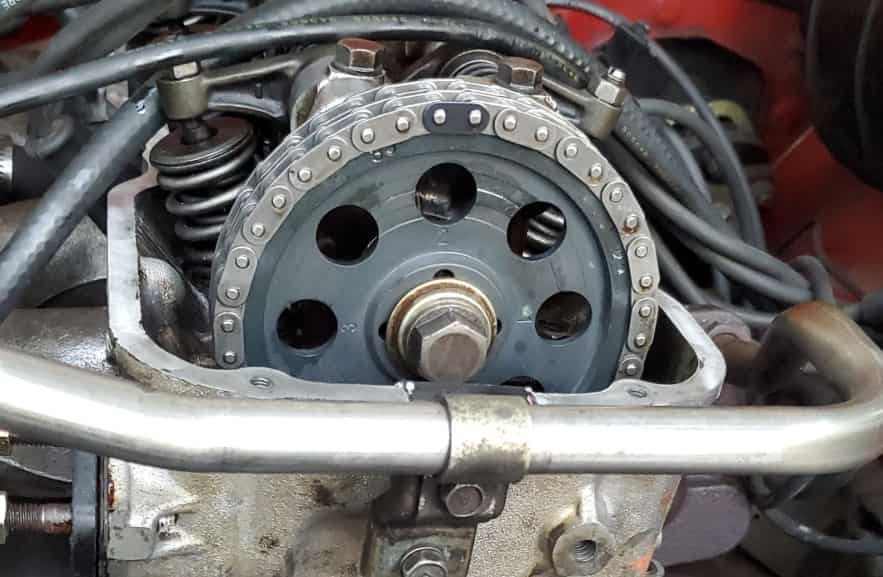
The engine also uses a single overhead camshaft design. This structure keeps the system simple and reliable under basic driving conditions. However, it limits performance compared to modern engines. Drivers may notice lower efficiency and slower acceleration, especially under heavy load.
One key advantage of the Z24 engine is its mechanical simplicity. Many mechanics can repair it without advanced diagnostic tools. Spare parts are also widely available in markets where older Nissan vehicles remain in use. This makes the engine popular for restoration projects and utility use.
Despite these strengths, the engine depends heavily on proper maintenance. Cooling, ignition, and carburetor systems all require regular attention. When owners ignore maintenance, performance drops quickly and Nissan Z24 Engine Problems become more frequent.
Understanding the structure of this engine helps explain why it develops issues over time. Its design reflects an older engineering approach that prioritizes simplicity over modern efficiency. This foundation is important before analyzing specific failures in the next section.
Most Common Issues
The Nissan Z24 engine develops several common problems as it ages, especially when maintenance is inconsistent or delayed. Most of these issues do not appear suddenly. They build up over time due to wear, heat stress, and the limitations of an older carburetor-based design used by Nissan. Understanding these problems helps drivers identify early warning signs before the engine suffers serious damage.
One of the most frequent issues is engine overheating. The cooling system becomes less efficient as components age. A weak radiator, a failing thermostat, or clogged coolant passages can all reduce heat control. When this happens, engine temperature rises faster than normal, especially during long drives or heavy load conditions. Overheating not only affects performance but also accelerates internal wear, which can shorten engine lifespan if not addressed quickly.
Carburetor problems are also very common in the Z24 engine. Since the system relies on mechanical fuel mixing instead of electronic fuel injection, it is more sensitive to dirt and tuning errors. Over time, deposits build up inside the carburetor and disrupt the air-fuel ratio. This leads to rough idling, poor throttle response, and higher fuel consumption. Even small tuning issues can significantly affect overall engine stability.
Misfire problems often appear when ignition components begin to wear out. Spark plugs, distributor parts, and ignition coils lose efficiency over time. When combustion fails in one or more cylinders, the engine runs unevenly and loses power. Drivers may feel vibration, hesitation during acceleration, or inconsistent performance under load.
Oil consumption is another issue that increases with engine age. Worn piston rings or valve seals allow oil to enter the combustion chamber. This results in gradual oil loss without visible leaks. In some cases, blue smoke may appear from the exhaust, signaling internal wear.
Finally, loss of power is a general symptom that often results from multiple small issues combined. Dirty fuel systems, weak compression, and ignition inefficiency all contribute to reduced engine performance. The vehicle may feel slow, unresponsive, and less efficient in daily driving conditions.
Symptoms of Nissan Z24 Engine Failure
The Nissan Z24 engine shows clear warning signs before serious failure happens. These symptoms usually develop gradually, which makes early detection very important. Most drivers who experience Nissan Z24 Engine Problems notice changes in engine behavior long before a complete breakdown occurs. The engine may still run, but performance becomes unstable and less predictable over time. These early signals help identify underlying issues in the fuel system, ignition system, or cooling system used by Nissan.
One of the most common symptoms is rough idling. The engine shakes or runs unevenly when the vehicle is stopped. This often points to an imbalance in the air-fuel mixture or weak ignition components. Another frequent sign is loss of power during acceleration. The engine responds slowly when the driver presses the gas pedal, especially when climbing hills or carrying load. This happens when combustion efficiency drops or when fuel delivery becomes inconsistent.
Increased fuel consumption is another clear warning sign. The engine burns more fuel than usual even under normal driving conditions. This usually comes from carburetor inefficiency or poor tuning. Drivers may also notice engine hesitation or stalling, especially during cold starts or sudden throttle input. These issues often indicate weak fuel delivery or ignition timing problems.
Engine knocking or unusual noises can also appear as internal wear increases. These sounds often come from poor combustion or loose mechanical parts. In more advanced cases, overheating symptoms may occur alongside steam from the radiator or a rising temperature gauge. This signals that the cooling system is struggling to control heat effectively.
Hard starting is another common symptom. The engine takes longer to start or requires multiple attempts before ignition. This often results from weak spark, fuel delivery issues, or low compression. When several of these symptoms appear together, it usually confirms deeper Nissan Z24 Engine Problems that require immediate inspection and repair to prevent further damage.
Root Causes Analysis of Nissan Z24 Engine Problems
Most Nissan Z24 Engine Problems do not come from a single failure point. They develop slowly from a combination of mechanical wear, aging components, and outdated engine design. The engine was built for durability, but time and lack of maintenance eventually expose its weak areas. In vehicles produced by Nissan, these issues become more visible when mileage increases and parts reach the end of their service life.
One major root cause is natural engine aging. Internal components such as piston rings, valve seals, and gaskets lose efficiency after years of operation. This leads to compression loss, oil burning, and unstable combustion. As these parts degrade, the engine becomes less efficient and more prone to performance issues.
Another important cause is the carburetor-based fuel system. Unlike modern fuel injection systems, the Z24 relies on mechanical fuel-air mixing. Dirt buildup, poor tuning, or worn carburetor parts can easily disrupt this balance. Even small inconsistencies in the air-fuel ratio can lead to rough idling, misfires, or increased fuel consumption.
Heat management also plays a critical role. The cooling system in older Z24 engines often struggles to maintain stable temperatures. Radiator clogging, weak water pumps, or failing thermostats reduce cooling efficiency. When the engine runs hot for extended periods, internal wear accelerates and long-term damage becomes more likely.
Ignition system degradation is another common factor. Spark plugs, distributor caps, and ignition coils lose strength over time. This weakens combustion and leads to incomplete fuel burning. As a result, the engine runs unevenly and loses power under load.
Finally, poor maintenance habits significantly increase failure risk. Irregular oil changes, delayed repairs, and the use of low-quality fuel all contribute to faster wear. When multiple small issues combine, they create the full range of Nissan Z24 Engine Problems that drivers often experience.
Diagnostic Guide
Diagnosing Nissan Z24 Engine Problems requires a structured approach. Most issues in the engine come from fuel, ignition, compression, or cooling systems. A step-by-step process helps identify the real cause instead of guessing. This reduces repair time and prevents unnecessary part replacement. The engine used in Nissan vehicles is simple in design, so most checks can be done with basic tools.
The first step is a visual inspection. Check for obvious signs such as oil leaks, loose hoses, cracked vacuum lines, or coolant leaks. These small issues often trigger larger performance problems. Also inspect the condition of spark plug wires and look for corrosion or damage around ignition components.
The second step is a compression test. This test measures the health of the internal engine. Low compression in one or more cylinders usually indicates worn piston rings, damaged valves, or head gasket issues. Consistent compression across all cylinders confirms that the mechanical core is still in good condition.
The third step is fuel system inspection. Since the Z24 uses a carburetor, check for dirt buildup, clogged jets, or incorrect air-fuel mixture settings. Poor carburetor tuning often causes rough idling, hesitation, and fuel inefficiency. Cleaning or rebuilding the carburetor can restore proper fuel delivery.
The fourth step is ignition system testing. Inspect spark plugs for wear, carbon buildup, or incorrect gap. Check the distributor cap and ignition coil for weak spark output. Weak ignition often leads to misfires and unstable engine performance.
The final step is cooling system pressure testing. Look for leaks, weak radiator flow, or thermostat failure. Overheating is a major contributor to long-term engine damage, so confirming cooling efficiency is essential.
By following these steps in order, most Nissan Z24 Engine Problems can be identified accurately before moving to repair solutions.
Repair Solutions for Nissan Z24 Engine Problems
Repairing Nissan Z24 Engine Problems requires a clear focus on restoring fuel delivery, ignition strength, compression stability, and cooling efficiency. Most issues in the engine used by Nissan can be fixed without complex electronic tools because the system is mechanically simple. However, correct diagnosis must come first to avoid unnecessary repairs.
One of the most common repair solutions is carburetor cleaning or rebuilding. Since the Z24 relies on a carburetor system, dirt and fuel deposits often block proper air and fuel flow. Cleaning the jets, adjusting the float level, and recalibrating the air-fuel mixture can significantly improve idle stability and throttle response. In severe cases, a full carburetor rebuild may be required to restore proper function.
Cooling system repair is another critical solution. Overheating issues often come from a weak radiator, clogged coolant passages, or a failing thermostat. Flushing the cooling system and replacing worn components helps stabilize engine temperature. A properly functioning cooling system prevents long term damage to internal engine parts.
Ignition system repair also plays an important role. Worn spark plugs, weak ignition coils, or damaged distributor caps can lead to misfires and poor performance. Replacing these components restores strong and consistent combustion. Correct spark timing is essential for smooth engine operation.
In cases of low compression or heavy wear, internal engine repair may be necessary. This can include replacing piston rings, valve seals, or head gasket components. These repairs help restore engine pressure and reduce oil consumption.
Finally, regular maintenance adjustments improve long term reliability. Simple actions like timely oil changes, proper fuel quality, and periodic tuning reduce the risk of recurring Nissan Z24 Engine Problems and extend engine lifespan significantly.
Maintenance Tips to Prevent Future Problems
Preventing Nissan Z24 Engine Problems is easier and more cost effective than repairing major failures. The Z24 engine used in Nissan vehicles can last a long time if owners follow a consistent maintenance routine. Most long term issues come from neglect rather than sudden breakdowns, so regular care plays a key role in engine health.
One of the most important maintenance tasks is regular oil change. Engine oil lubricates internal components and reduces friction. Old or dirty oil increases wear and leads to overheating and compression loss. Changing oil at proper intervals helps maintain smooth engine operation and extends engine life.
Cooling system maintenance is also essential. The radiator, thermostat, and coolant hoses must stay in good condition. Flushing the coolant system periodically prevents clogging and improves heat control. A stable engine temperature reduces stress on internal parts and prevents overheating issues.
Carburetor tuning is another critical step. Since the Z24 uses a mechanical fuel system, it needs periodic adjustment. Cleaning the carburetor and checking the air-fuel mixture helps maintain smooth idle and efficient fuel consumption. Ignoring carburetor maintenance often leads to rough running and poor acceleration.
Ignition system checks should also be done regularly. Spark plugs must be inspected and replaced when worn. Distributor components and ignition coils should be checked for weak performance. A strong ignition system ensures complete combustion and stable engine power.
Finally, preventive inspection habits make a big difference. Listening for unusual engine noise, monitoring fuel usage, and checking for leaks can help detect early warning signs. Addressing small issues early prevents them from turning into serious Nissan Z24 Engine Problems and keeps the engine reliable for long term use.
Conclusion
The Nissan Z24 engine remains a durable and simple power unit, but it naturally develops issues as it ages. Most Nissan Z24 Engine Problems come from long term wear, outdated carburetor design, and inconsistent maintenance. When components inside the engine used by Nissan begin to degrade, performance drops gradually instead of failing all at once. This makes early detection very important for every owner.
Throughout this guide, we have covered the most common issues such as overheating, carburetor failure, misfires, oil consumption, and loss of power. We also explained the main symptoms that help identify these problems early. Rough idling, poor acceleration, increased fuel use, and hard starting are all warning signs that should not be ignored. When these symptoms appear together, they usually indicate deeper mechanical or fuel system issues.
We also analyzed the root causes behind these failures. Aging engine parts, weak cooling performance, ignition wear, and poor maintenance habits all contribute to long term instability. By understanding these causes, owners can take a more proactive approach instead of waiting for serious breakdowns.
The diagnostic and repair sections show that most issues can be identified and fixed with a structured approach. Simple steps like compression testing, carburetor cleaning, ignition tuning, and cooling system maintenance can restore engine performance effectively. Regular care plays the most important role in preventing major failures.
In conclusion, the Z24 engine can still deliver reliable performance when properly maintained. The key to avoiding Nissan Z24 Engine Problems is consistent inspection and early action. If you take care of small issues on time, you can extend engine life and keep it running smoothly for many years.